
Welcome to this fascinating exploration of a country with unsuspected riches. Botswana, a landlocked nation in Southern Africa, has approximately 2.5 million inhabitants who uphold a remarkable cultural heritage.
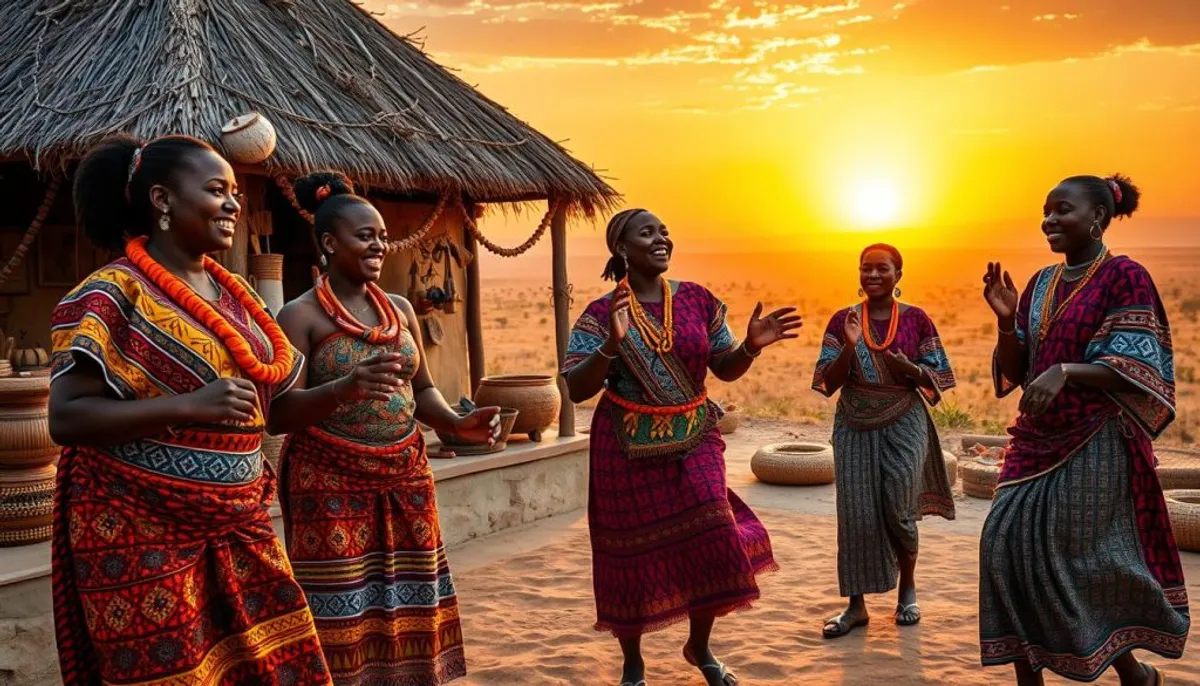
The identity of this nation finds its roots in the Tswana people. The name “Botswana” literally means “land of the Tswana”, reflecting the dominant influence of this Bantu community.
This culture goes far beyond simple customs, including south sudanese customs. It is a living heritage, shaped by colonial history and ethnic diversity. Ancestral traditions coexist harmoniously with modernity.
On a vast territory of over 600,000 km², Botswana has managed to preserve its authenticity while opening up to the world. This nation in Southern Africa offers a unique model of stability and cultural preservation.
Key Points to Remember
- Botswana is a landlocked country in Southern Africa with 2.5 million inhabitants
- Its name means “land of the Tswana”, the people who are the source of the dominant cultural identity
- Botswana's culture blends ancestral traditions and modernity
- This nation has preserved its cultural heritage while opening internationally
- The territory of over 600,000 km² is home to rich ethnic diversity
- English and Tswana are the main languages spoken
- Botswana represents a model of cultural stability in Africa
Introduction to Botswana Culture
Botswana offers us a remarkable example of social cohesion through its cultural diversity. This nation is home to a mosaic of peoples and communities living in harmony, creating a rich national identity.
The Tswana people represent over 70% of the population and have profoundly influenced the foundations of this culture. However, the traditions of minority groups such as the San and Kalanga are respected and preserved.
A significant part of society practices Christianity, while the other half maintains ancestral beliefs. This religious duality reflects the ability to integrate various influences.
This living heritage serves as a bridge between tradition and modernity. Ancestral community values harmonize with contemporary aspirations, making Botswana a recognized model in the world.
Historical Context and Colonial Influences
In 1885, a decisive turning point directed the fate of this African territory towards a new era. The Tswana chiefs, concerned about the expansion of the Boers from the Transvaal, sought British protection.
This strategic decision created the Bechuanaland protectorate. The capital was established in Mafeking, located in neighboring South Africa.
From Protectorate to Independence
Eighty-one years later, in 1966, Britain granted independence. The country then adopted the name Botswana.
Sir Seretse Khama became the first president of the new republic. This visionary leader was re-elected three times.
The British Legacy and the Evolution of the Country
English retained its status as the official language after independence. This decision favored bilingualism with Tswana.
Sir Seretse maintained pragmatic relations with South Africa. He condemned apartheid while preserving economic ties.
The year 1966 marked the beginning of remarkable stability. The country became a model of democracy in Africa.
Ethnic and Linguistic Diversity of Botswana
Botswana stands out for its exceptional ethnic and linguistic mosaic. This diversity shapes the national identity while preserving the particularities of each community.
The Tswana, Pillars of Culture
The Tswana represent about 80% of the total population. This people is divided into eight main groups with distinct traditions.
Their language, Setswana, is spoken by 90% of the inhabitants. It serves as a unifying link between the different communities.
Other Groups and Minority Languages
The country has over 30 different languages. English remains the official language inherited from the colonial period.
The Kalanga, settled in the northeast, represent 9.4% of speakers. Their regions boast remarkable artisanal heritage.
The San, the oldest inhabitants of Southern Africa, speak unique click languages. These indigenous peoples preserve millennia-old traditions.
| Language | Percentage of Speakers | Geographical Distribution | Status |
|---|---|---|---|
| Tswana (Setswana) | 90% | National | National language |
| English | 0.2% (native language) | Administration, education | Official language |
| Kalanga | 9.4% | Northeast | Minority language |
| Khoisan Languages | 4.5% | Remote regions | Indigenous languages |
This linguistic richness reflects the complexity and vitality of the local culture. Each language tells a part of the story of this nation in Southern Africa.
Wealth of Oral Traditions and Intangible Heritage
Oral transmission forms the immaterial foundation of Botswana's cultural heritage. This living tradition connects generations through stories and legends.
The elders play a central role as guardians of wisdom. They pass down ancestral knowledge to children during community gatherings.
Tales, Legends, and Proverbs
Among the San, every natural element becomes a character in a story. Animals serve as spiritual messengers in these tales.
The Tswana storytellers create a bridge between the world of ancestors and that of the living. Their centuries-old narratives teach life lessons.
Proverbs condense universal truths into a few words. They constitute a moral code passed down orally from generation to generation.
The Kalanga and Herero legends are not mere entertainment. They teach children community values and respect for traditions.
This oral culture still resists modern erosion today. In rural areas, storytelling evenings maintain social cohesion.
Rites of Passage and Traditional Ceremonies
At the heart of Tswana traditions are deeply significant initiation ceremonies. These rituals mark the passage of youth into adulthood with remarkable solemnity.
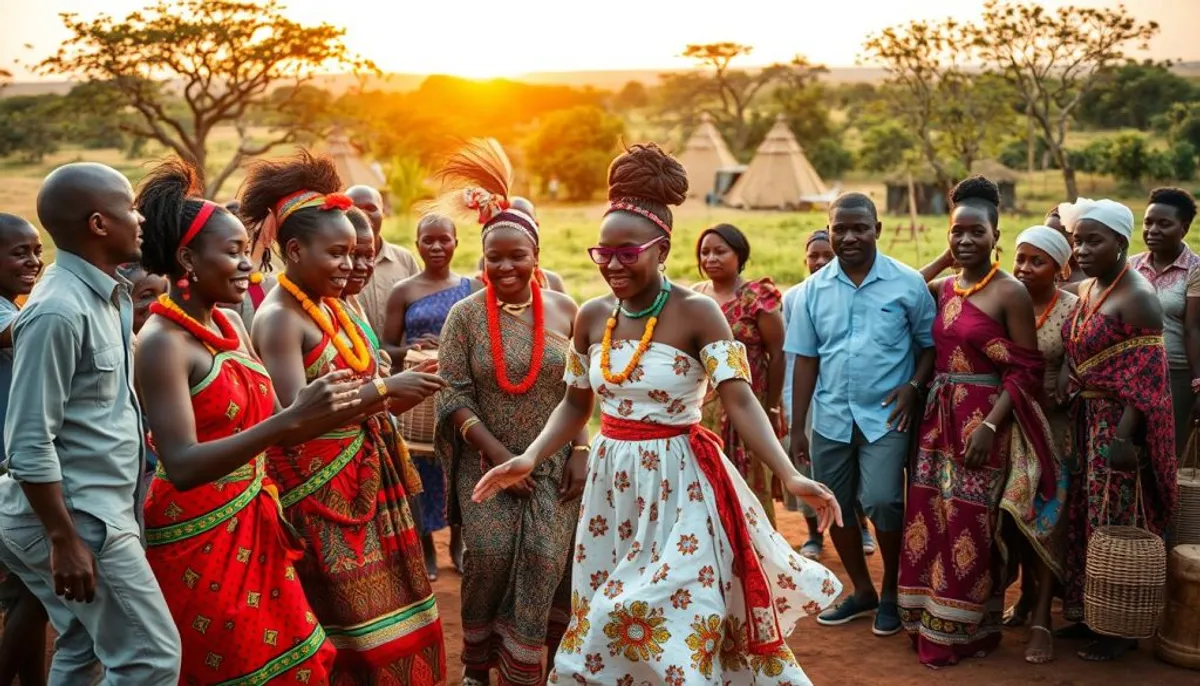
These ancestral practices structure the identity of communities and prepare each generation for its place in society. They represent a true school of life where children learn their future responsibilities.
Bogwera and Bojale: Initiation Rituals
The bogwera transforms boys into responsible men through several weeks of isolation. They acquire practical skills and essential community values.
The bojale prepares young women for their roles as future mothers and guardians of traditions. The elders impart teachings on health and family harmony.
These ceremonies traditionally take place between July and August. Some groups organize them until April for the last time of the year, but it's important to note the deadline for using the culture pass for these events.| Ceremony | Participants | Duration | Main Teachings |
|---|---|---|---|
| Bogwera | Teenage boys | 4-6 weeks | Social responsibilities, respect for elders, survival |
| Bojale | Teenage girls | 3-5 weeks | Reproductive health, family traditions, social harmony |
These rituals are accompanied by songs and dances creating an intense spiritual atmosphere. The community thus celebrates the official entry of youth into the adult world.
These traditions preserve Tswana identity while reinforcing social cohesion. They continue to be practiced in rural areas where women and men uphold this living heritage.
Music and Performing Arts
Traditional artistic performances offer a fascinating window into the collective soul and community values. This part of creative expression reveals how men and women collaborate harmoniously, often incorporating elements of mauritanian music that enrich the cultural tapestry.Traditional Instruments and Local Melodies
The setinkane, often called the “African piano”, produces soft melodies at the heart of villages. Its metal strips perfectly accompany moments of contemplation.
The segaba is a single-stringed violin with a deep, vibrant sound. Tswana men place it against their cheek to connect with its profound emotions.
Flute ensembles represent a remarkable example of musical collaboration. Each musician produces a single note, creating a fascinating collective polyphony.
Dances, Theater, and Ritual Performances
Traditional dances are never mere entertainment. Each codified movement carries a deep spiritual meaning.
During ceremonies, men play instruments while dancing. Women enrich the performance with their polyphonic songs and handclaps.
The rain dances, practiced from January to March, illustrate this ritual art. Communities gather to implore the end of droughts.
Visual Arts and Local Craftsmanship
Visual craftsmanship represents an underappreciated treasure of this African country. These unique creations testify to a carefully preserved ancestral know-how.
Basketry and Basket Creation
Basketry is one of the most refined artistic expressions. The women from the Wayeyi and Hambukushu communities in the northern regions excel in this art.
They use mokola palm fibers collected near water points in the delta. The meticulous weaving can take several weeks.
The National Museum of Gaborone, the capital, organizes an annual exhibition. This event is called the national basketry competition.
Pottery and Wood Carving
Traditional pottery offers another remarkable example. It is generally passed down from mother to daughter.
The Thamaga craft center, established in 1974, produces unique pieces. Artisans use ancestral techniques without a potter's wheel.
Wood carving complements this rich creative palette. Artists work with local woods such as mopane.
Botswana Cuisine and Culinary Traditions
The authentic flavors of Botswana tell a story of resilience and culinary adaptation. This semi-arid country has developed a unique gastronomy that ingeniously values local resources.
The seswaa, a national dish made of slow-cooked meat, represents an essential part of festive meals. The bogobe, a porridge made from sorghum or maize, has been a staple food for generations.
The preparation of community meals traditionally uses three-legged cast iron pots. These three-legged cauldrons allow for slow and even cooking directly over the fire.
Access to water has always influenced culinary techniques in this region. The drying of meat (biltong) and the preservation of grains testify to this adaptation.
Regional specialties like morogo offer a perfect example of ancestral botanical knowledge. Dried mopane worms are considered a delicacy rich in protein.
This cuisine is gaining recognition in the international culinary world today. Contemporary chefs are reinterpreting traditional recipes while preserving their authenticity, making this country an emerging gastronomic destination.
The Kgotla and Traditional Social Organization
At the center of every Botswanan village lies the kgotla, a space for ancestral dialogue. This democratic institution holds a fundamental place in social life.
The kgotla serves as both a court and a public forum. Every adult person can freely express their opinion there.
Discussions continue until a consensus is reached. This process reflects a collective choice rather than an imposed decision.
The system has influenced the modern political structure of the country. Traditional democratic principles persist in current institutions.
| Function of the Kgotla | Participants | Typical Duration | Expected Outcome |
|---|---|---|---|
| Conflict Resolution | Community Members | 2-4 hours | Consensus and Reconciliation |
| Community Decision-Making | Village Adults | Variable | Collective Agreement |
| Transmission of Traditions | Elders and Youth | Regular Meetings | Cultural Preservation |
The Ntlo ya Dikgosi perpetuates this spirit at the national level. Traditional leaders advise the government on customary issues.
In rural communities, the kgotla remains at the heart of social life. It resolves conflicts and organizes collective work.
This institution demonstrates remarkable historical continuity. It maintains its relevance in contemporary Botswana.
Impact of Modernity on Culture and Customs
The diamonds of Orapa have catapulted the country into an era of accelerated social transformations. This mining wealth has radically changed the national economy since independence.
This school system prioritizes English as the language of instruction. This affects the transmission of traditional knowledge to children.
The San communities are particularly affected by these changes. Their nomadic lifestyle becomes difficult with reduced access to ancestral lands.
| Positive Aspect | Negative Aspect | Impact on the Population |
|---|---|---|
| Access to Healthcare | Erosion of Minority Languages | Overall Improvement |
| Modern Infrastructure | Loss of Traditional Practices | Social Transformation |
| Formal Education | Marginalization of the San | Younger Generations Affected |
HIV/AIDS affects nearly 25% of the adult population according to WHO. This health crisis disrupts intergenerational transmission.
The government is trying to balance modernization and preservation. The promotion of Tswana alongside English demonstrates this effort.
Perspectives on Cultural Tourism
A trip to Botswana goes far beyond the traditional wildlife safari. This Southern African destination offers an authentic immersion into millennia-old traditions.
Cultural Safari and Authentic Encounters
The Kalahari Desert reveals its secrets through San guides. These indigenous peoples share their ancestral survival techniques.
They teach animal tracking and the use of medicinal plants. These cultural walks create deep connections with the land.
In Tswana and Kalanga villages, visitors participate in daily activities. They discover how these communities balance tradition and modernity.
Responsible tourism directly supports local artisans. Visiting basketry or pottery workshops preserves these unique skills.
Plan your trip around events like the Maitisong festival in Gaborone. These celebrations offer authentic windows into local life.
This approach transforms the perception of the country. Beyond the animals, Botswana reveals itself as a land of memorable human encounters.
Each interaction enriches visitors' understanding. It highlights the importance of preserving this diversity at the heart of Southern Africa.
In-Depth Analysis of Botswana Culture
The Botswana case represents a fascinating model of cultural balance in Southern Africa, highlighting the cultural heritage of bissau-guinea. This country has maintained remarkable political stability since its independence.Its linguistic landscape reveals a unique complexity. Two languages coexist unofficially without clear constitutional proclamation.
English still dominates governance and education. This situation persists simply as a continuation of colonial tradition.
The Tswana Language Council works to develop this linguistic culture. However, its efforts have raised parliamentary controversies.
Let us discover to what extent this promotion can marginalize minority languages. The debate opposes national unity and cultural diversity.
This nation is considered as a living laboratory for the postcolonial world. It constantly seeks balance between tradition and modernity.
Challenges and Opportunities for Cultural Preservation
The preservation of linguistic and artisanal heritage represents a crucial issue for the country's future. Between 1969 and 1995, many parents stopped passing their mother tongue to their children.
This transition to Tswana or English has weakened linguistic diversity. The Khoisan languages of the Kalahari Desert sometimes have fewer than 200 speakers.
Modern economic development particularly affects the San peoples. Their reduced access to ancestral lands threatens their traditional way of life.
In the face of these challenges, opportunities emerge. UNESCO inscribed Kgatleng pottery on its list of intangible heritage in 2012.
Traditional basketry is experiencing remarkable professionalization. This activity generates income through exports while preserving ancestral know-how.
The government and NGOs are developing balanced programs. They document endangered languages and create sustainable community projects.
This approach allows different groups to maintain their traditions. It offers a measure of protection while fostering their participation in national development.
Influence of Education and Media on the Valuation of Traditions
The educational system and communication means profoundly influence cultural transmission, including the cultural influence on buying behavior. They play a dual role in the preservation of traditions.Formal education uses English as the language of instruction from primary school. This approach creates a kind of gap with family languages.
French is the only foreign language taught. This choice reflects a unique strategic orientation in Southern Africa.
In 2016, the country ranked 43rd in the world for press freedom. This honorable position allows for a diversity of voices.
The daily Mmegi, whose name means “the reporter”, was created in 1986. Published in English, it participates in debates on cultural issues.
To what extent can these institutions preserve cultural heritage? The integration of mother tongues into education remains a major challenge.
This year marks a turning point in discussions about the balance between modernity and traditions. The educational and media world seeks sustainable solutions.
Conclusion
The journey through Botswana's traditions reveals a nation that masters the subtle art of synthesis. This country in Southern Africa has managed to preserve its identity while opening up to the modern world.
The vast territory is home to diverse peoples, from the Tswana to the inhabitants of the Kalahari Desert. Each person contributes to this rich mosaic. Botswana is considered as a model of stability since 1966.
Faced with challenges, the country makes difficult choices between tradition and modernity. This kind of balance inspires other nations. For the traveler, this destination offers much more than a safari.
The future of this azerbaijani culture and heritage will depend on its ability to maintain this delicate balance. The cultural journey in Botswana remains a transformative experience in this unique corner of Southern Africa.FAQ
What is the official language of Botswana?
English is the official language, used in administration and education. However, Setswana is widely spoken by the majority of the population and unites the different communities.
Who was Sir Seretse Khama?
Sir Seretse Khama was the first president of Botswana after its independence in 1966. He is considered the founding father of the nation and played a key role in the peaceful development of the country.
Does the Kalahari Desert occupy a large part of the territory?
Yes, the Kalahari Desert covers a vast portion of Botswana, influencing the lifestyle of its inhabitants. It is a unique environment that is home to adapted flora and fauna, as well as peoples like the San.
What are the most renowned crafts?
Basketry is particularly famous. The baskets woven by women are true works of art, recognized worldwide for their intricacy and complex patterns.
How does traditional music manifest?
Is there an important place for oral traditions?
Absolutely. Tales, legends, and proverbs are essential for transmitting values, history, and wisdom to children and young generations, thus preserving a rich intangible heritage.