
Welcome to the discovery of a hidden treasure in Southeast Asia. The East Timor is the youngest country on the continent, having gained its independence in 2002. This island nation has overcome a painful past marked by decades of conflict.
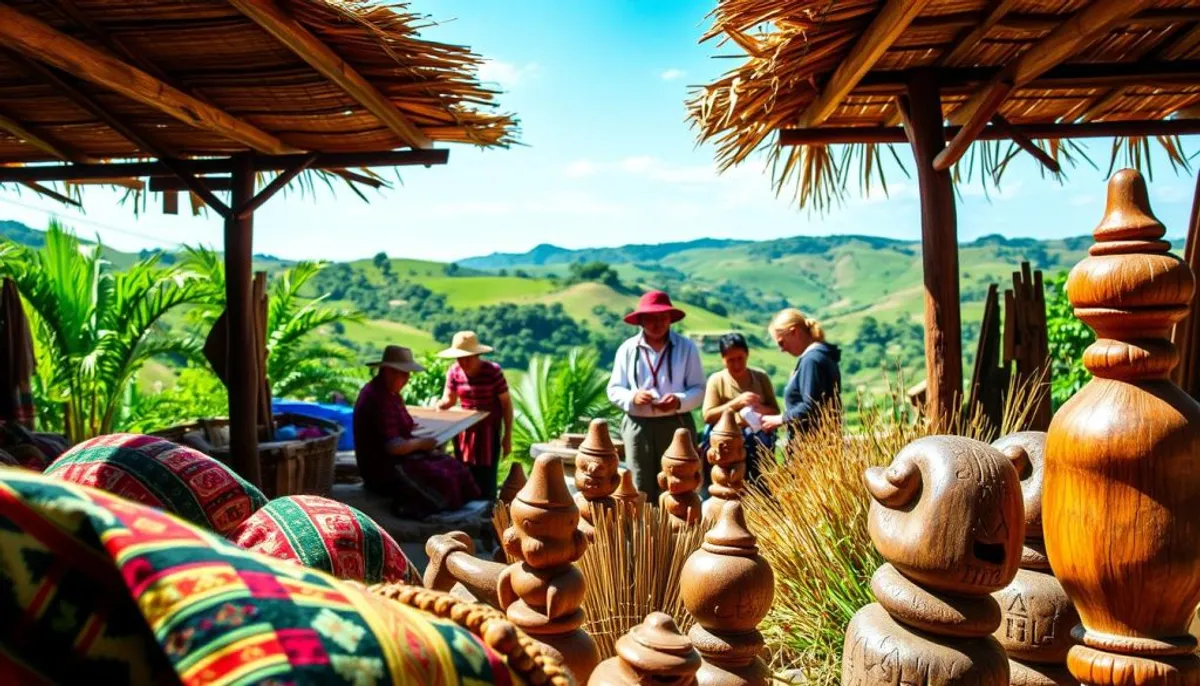
Despite its young age as a state, its identity is the result of a complex history. It stems from a fascinating blend of Austronesian traditions, lasting Portuguese influence, and a deep Catholic heritage.
This diversity is manifested in about thirty local languages and numerous ethnic groups. The heritage of the country is of unsuspected richness, visible in its dances, music, and traditional stories.
Understanding this cultural mosaic is essential to appreciate the resilience and unique beauty of this land and its people.
Key Points to Remember
- East Timor is the youngest country in Asia, independent since 2002.
- Its cultural identity is a unique blend of Austronesian, Portuguese, and Catholic influences.
- The country has great linguistic and ethnic diversity.
- Its cultural heritage is a testament to resilience in the face of a complex history.
- The preservation of these traditions is an important issue for the nation.
- Its culture is expressed through living arts such as dance and music.
Historical Overview and Cultural Panorama of East Timor
The historical journey of East Timor reveals an identity forged by centuries of diverse influences. This young yet tradition-rich nation has managed to preserve its essence despite upheavals.
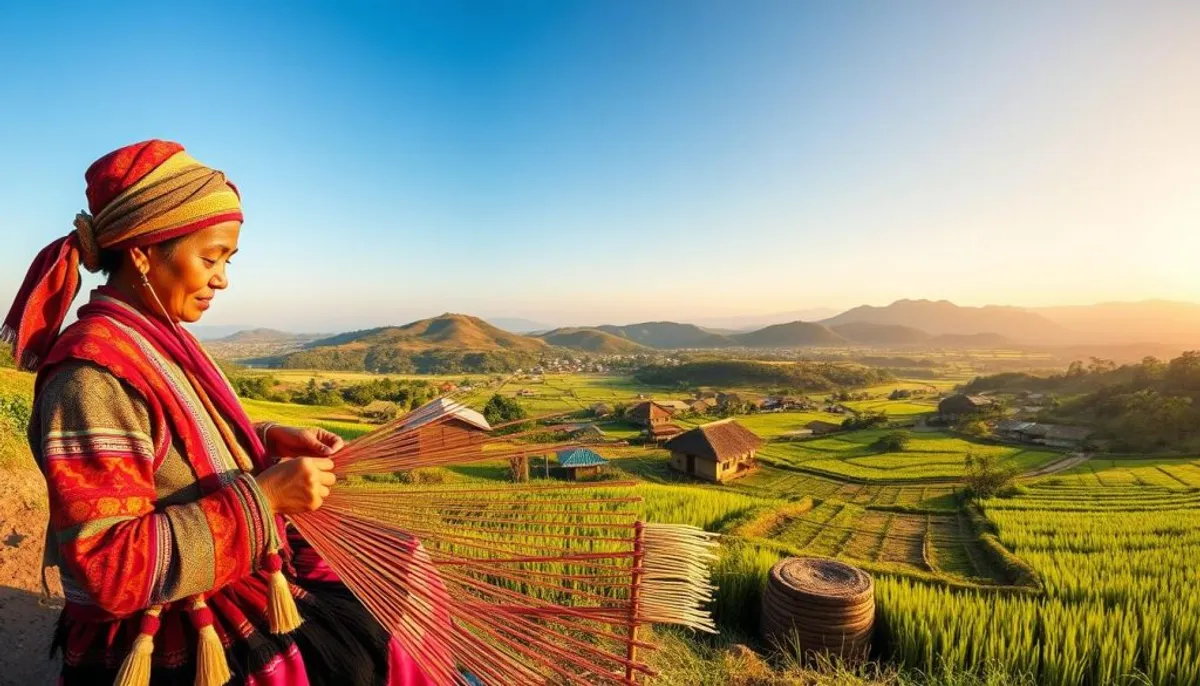
Its complex history dates back well before the independence of 2002. Successive occupations have left deep marks on social development.
Historical Roots and Colonial Influences
The first Austronesian inhabitants established solid foundations. Their heritage blends with Portuguese and Indonesian contributions.
This unique fusion creates a living heritage. Each ethnic group contributes to this collective wealth.
Evolution of Cultural Identity
The inhabitants of the country navigate between tradition and modernity. Catholicism unites communities while respecting ancestral beliefs.
The youth of the nation allows for dynamic evolution. The national identity asserts itself with pride and openness.
Exploring Timorese Culture: Traditions, Arts, and Heritage
Artistic expression in East Timor reveals a deep social dimension that transcends mere entertainment. These practices unite communities around shared values.
Handicrafts, Visual Arts, and Literature
Local craftsmanship reflects an ancestral know-how preserved with care. Traditional textiles and sculptures tell family stories.
These material creations engage with a rich oral tradition. Literature transmitted orally preserves the collective memory.
Music, Dance, and Local Folklore
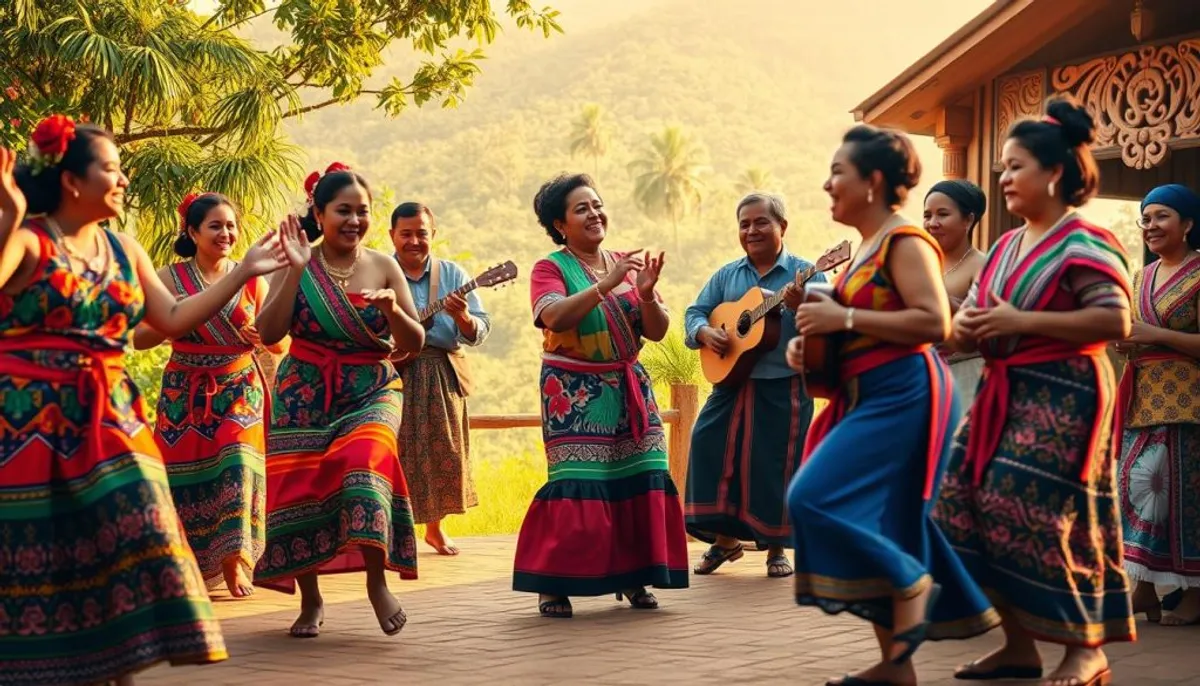
Music accompanies every important event in community life. It is not merely a leisure activity but a social glue.
Folkloric dances, passed down from generation to generation, enliven ceremonies. Traditional dancers perpetuate this living heritage.
The concept of tolerancia illustrates the importance of family ties. It allows individuals to be absent for significant events.
Festivals like TasiFest and Independence Day celebrate this unique identity. These artistic expressions are recognized worldwide as an intangible treasure.
The Diversity of Cultural Expressions in East Timor
At the heart of the traditions of East Timor, festivities and gastronomy hold a central place in daily life. These expressions reflect the soul of this young nation rich in heritage.
Festivals, Ceremonies, and Rituals
The annual calendar is punctuated by vibrant celebrations. Each important event leads to community gatherings.
These moments strengthen social bonds and preserve collective memory. Traditional dances and music enliven these special occasions.
Traditional Cuisine and Gastronomic Practices
Local gastronomy is simple, nourishing, and based on products from this tropical island. The batar daan, corn boiled in coconut milk, is a popular daily dish.
The ikan pepes, grilled fish wrapped in banana leaves, reveals ancestral techniques. The feijoada reflects Portuguese influence while using local ingredients.
Some dishes like tukir (fermented rice) have an important ceremonial dimension. They are prepared specifically for significant occasions.
Sharing a traditional meal offers an authentic experience of local hospitality. This cuisine reflects adaptation to available resources and the tropical climate.
The Historical and Social Impact on Cultural Practices
The education system in East Timor reveals the challenges and hopes of a nation in reconstruction. Formal education plays a crucial role in transmitting knowledge and preserving national identity. Additionally, understanding how to spend illicado card can be beneficial for students and families navigating financial resources.
The school year begins in January and ends in late November. Schooling is mandatory from ages 6 to 14 years, but about one in five children is not enrolled.
Education, Society, and Knowledge Transmission
Public schools suffer from overcrowded classes and lack of resources. In contrast, private institutions, often Catholic, offer higher quality education.
The lack of trained teachers in remote areas poses a major challenge. Many parents do not see the value of formal schooling.
The transmission of traditional knowledge mainly occurs orally within families. This dual transmission - formal and communal - shapes the youth of the country.
After years of conflict, East Timor is rebuilding its educational system. The Nacional Timor Lorosa'e University symbolizes this effort to educate future generations.
Conclusion
The true value of this young nation lies in its ability to preserve its cultural essence in the face of global upheavals. East Timor demonstrates that a country can maintain its authenticity despite economic challenges.
This island offers unique experiences, such as the discovery of Atauro, an island recognized worldwide for its exceptional marine biodiversity. East Timor invites an authentic immersion away from mass tourism.
Participating in responsible activities helps to value this precious heritage. This country teaches the world important lessons of resilience, marking a beautiful end to our exploration of its cultural treasures.
FAQ
What are the main influences that have shaped the country?
East Timor has a fascinating heritage. Indigenous Austronesian traditions form the foundation, including bahamian traditions. Then, centuries of Portuguese presence have left a lasting imprint, particularly in language and religion. Finally, a period of occupation has also marked the inhabitants and their recent history.
What types of handicrafts can be discovered on the island?
Craftsmanship is very vibrant! You will be amazed by the weaving of traditional textiles, called *tais*. These colorful fabrics tell stories of bruneian craftsmanship. Woodwork and basketry are also widespread practices. Each region has its own unique patterns and techniques.
Does music and dance play an important role in local life?
Absolutely! Music and dance are at the heart of celebrations and social life. The sounds of gongs and drums set the rhythm for festivities. Traditional dances, often linked to ancient stories or agricultural rituals, are a magnificent spectacle to discover.
Are there important festivals or ceremonies not to be missed?
Yes, the calendar is filled with colorful events. The Dili carnival is very popular. Catholic religious festivals are celebrated with fervor. Additionally, many communities organize ceremonies to mark harvests or other key moments of the year.
How does gastronomy reflect the diversity of this nation?
The cuisine is a delicious mix! It features simple dishes made from rice, corn, and fresh fish. Portuguese influence is felt in the use of certain spices. East Timorese coffee is renowned worldwide for its exceptional quality.