
Welcome to this fascinating exploration of a country with authentic charm and a millennia-old heritage. Portugal has one of the oldest histories in Europe, with an influence that far exceeds its natural borders.
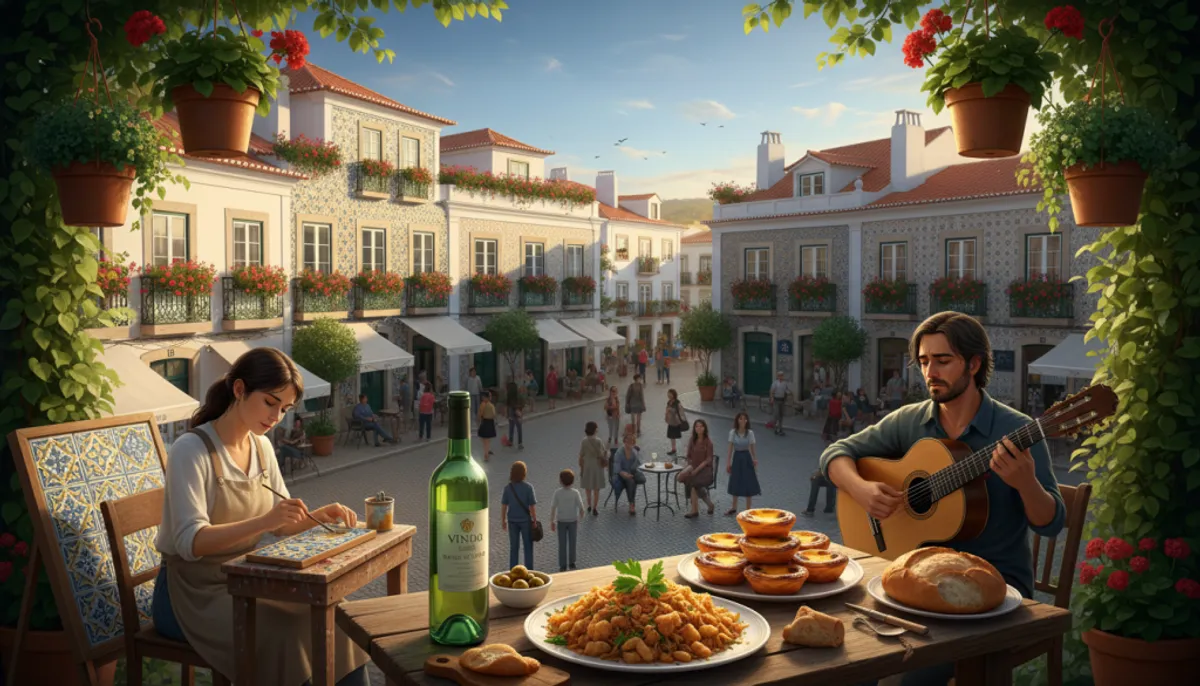
This exceptional wealth has been forged over the centuries, from ancient origins to our contemporary era. The golden age of great maritime discoveries particularly marked its development.
Three essential pillars define the identity of this nation today. Its fascinating history marked by explorations, its unique artistic heritage, and its world-renowned delicious cuisine.
The geographical position of the territory, open to the Atlantic Ocean, has profoundly influenced its evolution. This maritime openness has shaped local traditions and customs.
You will discover how this harmonious balance between traditional heritage and modernity makes this cultural expression so captivating. A blend that delights visitors from around the world.
Key points to remember
- Portugal has an ancient history and a global influence
- Three fundamental pillars: history, art, and gastronomy
- The age of maritime discoveries marked its development
- The geographical position influenced traditions
- Balance between traditional heritage and modernity
- An authentic culture that transcends borders
Welcome to the world of Portuguese culture
Dive into the heart of a rich identity shaped by centuries of maritime history. This guide invites you on an immersive journey into traditions and customs.
Overview and context of the guide
Portugal holds the status of the oldest nation in Europe. Its openness to the ocean led to the Great Discoveries.
This country has a unique heritage. It reflects diverse influences from all corners of the world.
| Influence | Origin | Impact | Examples |
|---|---|---|---|
| African | Maritime explorations | Music and gastronomy | Traditional rhythms |
| Asian | Trade with the East | Decorative art | Inspired azulejos |
| American | Colonization | Architecture | Baroque styles |
Goals and exploration of Portuguese traditions
Our goal is to help you understand the Portuguese soul. Its unique relationship with the sea and its legendary hospitality.
You will discover how this people preserve their traditions while resolutely embracing modernity, including the vibrant world of romanian crafts.
Our opinion is that this section establishes the essential foundations for fully appreciating the riches to explore.
The fascinating history of Portuguese culture
The evolution of this people begins with legendary resistances against the Roman Empire. This rich history dates back over two millennia.
From ancient origins to great explorers
At the end of the 3rd century, the Lusitanians resist the Romans. This period marks the foundations of identity in this territory.
The long journey culminates in 1143 with the Treaty of Zamora. Alfonso I then becomes king of this new independent country.
The age of discoveries and the Iberian Union
The most glorious part unfolds in the 15th and 16th centuries. Henry the Navigator drives the Great Discoveries.
Portuguese navigators explore the entire world. They create an empire stretching from Brazil to Macau.
Later, the Battle of the Three Kings in the south of Morocco in 1578 leads to the Iberian Union. The country temporarily loses its independence until 1640.
| Period | Major Event | Historical Impact |
|---|---|---|
| 3rd century BC | Resistance of the Lusitanians | Foundations of identity |
| 1143 | Treaty of Zamora | Creation of the kingdom |
| 15th-16th centuries | Great Discoveries | Global expansion |
| 1581-1640 | Iberian Union | Temporary loss of independence |
Portuguese culture: Immersion in its traditions and way of life
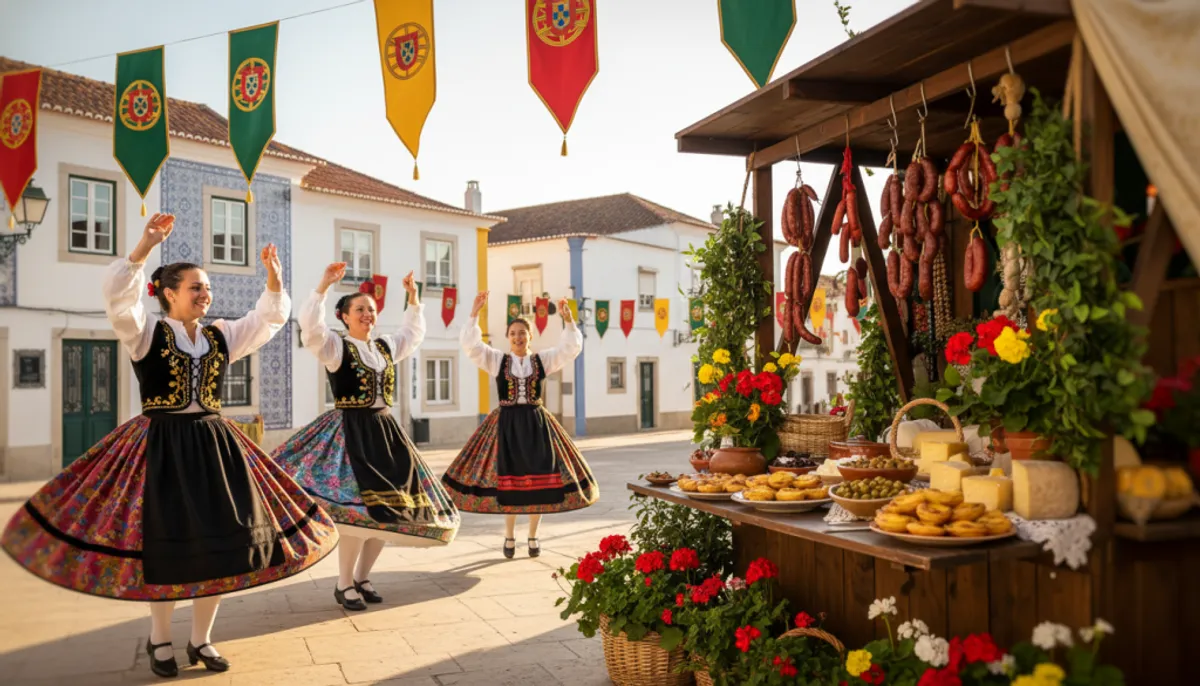
Beyond monuments and gastronomy, what truly marks visitors is the warmth of social relationships. This human approach defines the authentic experience, where culture checks accepted play a vital role in fostering connections.
Family values and hospitality
The family represents the heart of social life. Intergenerational bonds are nurtured with particular care during Sunday meals.
The locals demonstrate legendary hospitality. They often use your first name to establish a warm connection.
Saudade, between melancholy and hope
Saudade is a unique complex emotion in this Portuguese culture. It blends nostalgia for the past with hope for the future.
This feeling permeates daily life and local art. It influences the way locals feel.
| Social Aspect | Manifestation | Impact on life |
|---|---|---|
| Family values | Shared Sunday meals | Strengthening bonds |
| Hospitality | Use of first names | Creating connections |
| Saudade | Artistic expression | Emotional depth |
The authenticity of human relationships here often exceeds travelers' expectations.
Without doubt, understanding these values allows for grasping the deep essence. Our opinion is that this authenticity makes the experience memorable.
Art and architecture: From Manueline style to Baroque
Portuguese architecture tells a unique visual story, where each building reveals a page of its glorious past. Two major styles, Manueline and Baroque, illustrate this artistic evolution.
Azulejos, emblem of a unique decorative art
Azulejos are much more than simple tiles. This form of art, with Muslim inspiration, has become a national heritage.
Their production surged in the 18th century. It was during this time that the characteristic blue and white patterns became widespread.
Historical monuments: from the Jerónimos Monastery to Baroque churches
The Manueline style emerged at the turn of the 16th century. It is distinguished by maritime elements and royal symbols carved in stone.
The Jerónimos Monastery in Lisbon is a perfect example of this ornate style. It celebrates the golden age of explorations.
Later, the 18th century sees the peak of Baroque. Wealth from Brazil finances grand monuments like the Mafra Convent.
In the northern region of the country, architect Nasoni left his mark. His works in Porto, such as the Clerigos Tower, are remarkable.
| Architectural Style | Period | Main Characteristics | Emblematic Example |
|---|---|---|---|
| Manueline Style | 16th century | Maritime inspiration, royal symbols (armillary sphere) | Jerónimos Monastery |
| Baroque Style | 18th century | Rich ornamentation, grandeur, influence of Brazilian gold | Mafra Convent |
Portuguese gastronomy: Flavors and traditions
It's impossible to mention the local cuisine without talking about the dried fish that symbolizes culinary identity. The gastronomy of this country is based on authentic products and recipes passed down through generations.
Bacalhau and traditional recipes
Bacalhau, or salted cod, occupies a central place in the cuisine. There are over 365 different preparations for this emblematic fish.
Among the most appreciated specialties, bacalhau à Brás combines shredded cod with onions, matchstick potatoes, and eggs. This recipe perfectly illustrates the culinary art of Portugal.
Port wine, Pastéis de Nata, and other culinary delights
Port wine represents another national treasure. This unique fortified wine ages in the cellars of Vila Nova de Gaia.
Pastéis de Nata, these delicious cream pastries, conquer every palate. Our opinion is to enjoy them warm with a sprinkle of cinnamon.
Meals follow a Mediterranean rhythm. For example, lunch is around 2 PM and dinner around 8 PM.
This gastronomy undoubtedly deserves its global recognition. Our final opinion is that exploring this culinary wealth makes any trip complete.
Music and fado: The soul in melody
Fado, this emotionally charged music, resonates like the echo of the Portuguese soul. This unique artistic expression captivates listeners with its emotional depth.
Recognized as an intangible heritage of humanity since 2011, fado perfectly embodies the concept of saudade. It tells stories of daily life through melancholic melodies.
The legacy of Amália Rodrigues
Amália Rodrigues (1920-1999) remains the legendary figure of this music. She dedicated her life to bringing fado well beyond its borders.
Her legacy continues to inspire contemporary artists. Three days of national mourning were declared upon her death.
The new voices of fado and shared emotion
A new generation of fadistas today perpetuates this tradition. Mariza, Carminho, and Ana Moura renew fado while respecting its essence.
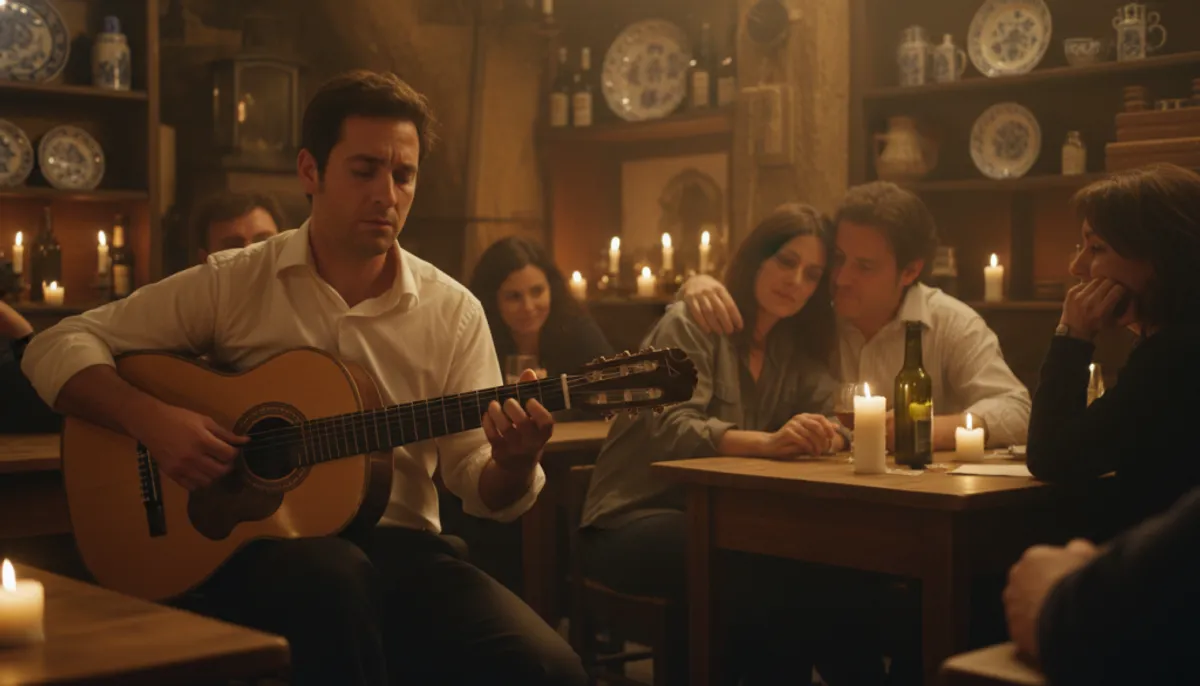
Our opinion is that the authentic experience is lived in the fado houses of Alfama. In the candlelight, this music creates a unique emotion.
The Fado Museum in Lisbon offers a comprehensive journey through the history of this music. It allows for understanding the evolution of fado through the centuries.
Festivals and traditions: Between religion and conviviality
Throughout the seasons, local festivities reveal the authentic soul of the people through ancestral rites and contemporary celebrations, showcasing the rich tapestry of german history and traditions. These moments of sharing unite all generations in a warm atmosphere.National, religious, and summer celebrations
The month of June marks the peak of popular festivals. In Lisbon, the capital vibrates to the rhythm of Santo António on June 13.
The locals flood the streets to enjoy grilled sardines and participate in lively parades. Porto celebrates São João on June 24 with a unique tradition.
Processions, carnivals, and other cultural manifestations
Summer festivals multiply throughout the country, particularly in the north. Viana do Castelo and Tomar offer colorful performances.
The locals passionately uphold these traditions. The February carnival and pilgrimages to Fátima complete this rich calendar.
| Type of festival | Key date | Culinary specialty | Main region |
|---|---|---|---|
| Santo António Festival | June 13 | Grilled sardines | Lisbon |
| São João Festival | June 24 | Plastic hammers | Porto |
| Carnival | February 13 | Local pastries | All over the country |
| National Festival | June 10 | Traditional meals | Nationwide |
These celebrations perfectly illustrate the fusion between religious heritage and popular conviviality. The grilled sardines symbolize this union during the grand summer festivals.
World heritage and must-see sites
Portugal unveils its treasures through 17 jewels classified as world heritage by UNESCO. This international recognition highlights the exceptional richness of its heritage.
Discovering historical towns and villages
Beyond UNESCO sites, many treasures deserve your visit. Medieval villages like Óbidos and Monsaraz offer a journey back in time.
The northern region is home to gems like Braga and Viana do Castelo. The south enchants with Tavira in the Algarve.
These preserved places tell nine centuries of history. They perfectly complement your tour of the country.
UNESCO sites: Spotlight on Sintra, Lisbon, and Porto
Sintra represents a unique example. Its classification inspired the creation of the “Cultural Landscape” category.
Porto impresses with its historic center and wine cellars. The Clerigos Tower magnificently dominates the city.
Lisbon shines with the Belém Tower and the Jerónimos Monastery. These monuments illustrate the golden age of explorations.
| UNESCO Site | Type | Particularity | Region |
|---|---|---|---|
| Sintra | Cultural landscape | Romantic palaces and gardens | Lisbon |
| Historic center of Porto | Architecture | Bridges and wine cellars | North |
| Batalha Monastery | Gothic architecture | Manueline style | Center |
| Historic Évora | City center | Intact Roman temple | Alentejo |
Your visit to these sites reveals the diversity of Portuguese heritage. Each place tells a part of this fascinating story.
Contemporary life: A changing Portugal
The economic and social transformation since the end of the 20th century has redefined the face of the country. This evolution harmoniously combines traditional heritage and modern innovation, emphasizing the importance of creating a positive company culture.Modernity, innovation, and cultural heritage
Joining the European Community in 1985 marked a turning point. The country regained an important place on the international stage.
The locals have managed to preserve their family values while adopting modern technologies. This balance defines contemporary life.
Renowned architects illustrate this success. Álvaro Siza Vieira and Eduardo Souto de Moura have won the Pritzker Prize.
Maria Elena Vieira da Silva, in the 19th century, was a pioneer of lyrical abstraction. Her work continues to inspire artists worldwide.
| Contemporary figure | Field | Major achievement | International impact |
|---|---|---|---|
| Álvaro Siza Vieira | Architecture | Pritzker Prize 1992 | Global recognition |
| Eduardo Souto de Moura | Architecture | Pritzker Prize 2011 | European influence |
| Antonio Guterres | Diplomacy | UN Secretary-General | Global leadership |
| Maria Elena Vieira da Silva | Contemporary art | Lyrical abstraction | Artistic inspiration |
This ability to combine tradition and modernity attracts families from around the world. Our opinion is that this synthesis constitutes Portugal's greatest achievement today.
Conclusion
This complete immersion in the Portuguese universe has allowed us to discover a cultural identity of exceptional richness. From the north to the south of the country, each region and village tells a part of this millennial history.
The gastronomy with its Port wine, the fado recognized as intangible heritage, and the June festivals in the capital create lasting memories. Family meals and the warm welcome of the locals make each visit unique.
Without doubt, this exploration reveals how Portugal honors its past while innovating. Our opinion is that this nation offers a remarkable example for any country in the world.
Later, when you think back on this journey, it is these authentic moments that will remain etched in your memory. An invitation to continue discovering this fascinating heritage.
FAQ
What is the best time to visit the country and attend its festivals?
The month of June is fantastic for a trip, especially if you love lively atmospheres. It is the season of popular festivals, like the Santos Populares, where the streets are adorned with decorations and resonate with music. For a quieter stay, spring and autumn offer a pleasant climate for exploring villages and heritage.
What typical dishes should one absolutely try during a stay?
The local gastronomy is a real treat! Don’t miss the cod, prepared in multiple ways, or the delicious grilled sardines in summer. For dessert, Pastéis de Nata are a must. And of course, accompany your meal with a glass of Port wine, a national pride.
Where can one listen to authentic fado, for example in Lisbon?
Which UNESCO World Heritage sites should be prioritized for a visit?
The Jerónimos Monastery in Lisbon is a masterpiece of Manueline style. The Sintra region, with its romantic palaces, and the historic center of Porto are also magical places. Each site tells a unique part of the history and creativity of this nation.
How does saudade influence daily life and local art?
Saudade, this deep feeling of nostalgia and hope, is omnipresent. It directly inspires fado, giving this music its unique tone. In everyday life, it translates into a great importance placed on family, memories, and the bonds that unite the locals. Additionally, darty culture checks play a significant role in how these values are expressed and maintained.