
Welcome to a country in South America with approximately 32 million inhabitants. Its identity is the result of a unique blend of pre-Hispanic traditions, colonial heritage, and modernity.
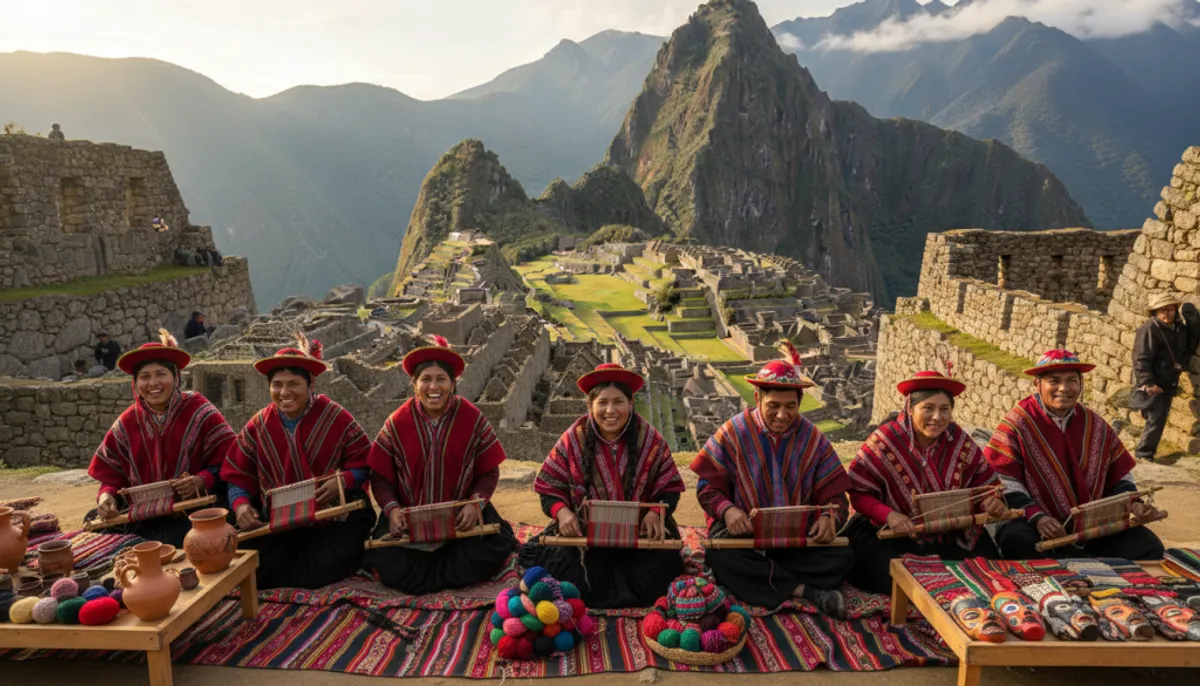
From the Andean highlands to the vibrant Amazon, each region has its own character. This extraordinary heritage has managed to keep its roots while welcoming Spanish, African, and Asian influences.
The Inca Empire and ancient civilizations still mark daily life. This richness is evident in colorful markets, musical rhythms, and traditional festivals.
Today, the gastronomy, craftsmanship, and celebrations of this territory are admired worldwide. They attract visitors eager for authenticity and discovery.
This article guides you through the multiple facets of this cultural expression. You will understand how its ancestral traditions remain alive while evolving with our times.
Key Points to Remember
- It represents one of the richest and most diverse expressions in South America.
- Its identity is a harmonious blend of pre-Hispanic, colonial, and contemporary influences.
- Each region, from the mountains to the forest, offers a unique heritage.
- The legacy of civilizations like the Incas profoundly influences current life.
- Its gastronomy, music, and festivities are internationally recognized treasures.
- It is a dynamic culture that preserves its roots while adapting.
Introduction to Peruvian Culture
Imagine a land where 77 distinct ethnic groups weave together the rich national fabric. This remarkable diversity is the direct legacy of Spanish conquest and centuries of colonization.
The constant blending of indigenous traditions with European, African, and Asian contributions defines its unique character. The pre-Hispanic elements remain deeply rooted in daily life.
They coexist harmoniously with the colonial influences that marked this country for three hundred years. The ethnic composition has evolved significantly with migrations and social transformations.
Today, a large part of the population identifies as Catholic. This faith often expresses itself through a unique syncretism, blending saints and Andean deities.
Ancestral knowledge survives through oral transmission and community practices. This introduction lays the groundwork for understanding how different cultures have intertwined.
A Journey Through Peruvian History
Dive into a fascinating timeline that spans over five millennia of history. This narrative begins with the earliest coastal societies and culminates with the Inca Empire, the largest in pre-Columbian America.
This journey through the ages reveals the imprint left by successive civilizations. Among them are Chavín, Moche, Nazca, Wari, Chimú, and finally the Incas.
The pre-Hispanic era gave birth to advanced agricultural technologies. Monumental architectures and complex social systems emerged, still fascinating the world today.
The Spanish conquest of 1532 changed the fate of the country. It radically transformed its political, religious, and social structures.
During colonization, indigenous communities hid their ancient beliefs. They blended Catholic saints with pre-Hispanic traditions to preserve their worship.
Independence in 1821 did not erase social divisions. However, it opened a path toward a new national identity. Understanding this past is key to grasping current dynamics.
| Period | Civilization/Event | Major Contribution |
|---|---|---|
| Pre-Hispanic (from 3000 BC) | Chavín, Moche, Nazca, Wari, Chimú | Agricultural technologies, geoglyphs, monumental architectures |
| Conquest (1532) | Arrival of the Spaniards | Radical transformation of political and religious structures |
| Colonial (1532-1821) | Indigenous cultural resistance | Religious syncretism and preservation of traditions |
| Modern (since 1821) | Independence and nation-building | Slow reconstruction of a unified identity |
Pre-Hispanic Roots and Colonial Heritage
Millennial civilizations shaped this land long before the arrival of the conquistadors. Their history dates back to societies like the Moche and Nazca.
The Inca Empire, dominating a large part of the continent, left behind spectacular cities. Machu Picchu is its most famous symbol.
The Incas honored Pachamama and the spirits of the mountains. These beliefs persist in Andean communities today.
The colonial era brought Catholicism and the Spanish language. It imposed new social structures.
Communities then operated a clever mix. They fused Catholic saints with their ancestral traditions.
This syncretism defines a large part of the current identity. Many so-called "traditional" customs actually date from this era.
This complex fusion explains the richness and contrasts visible today. Seemingly opposing elements coexist in harmony.
Living Customs and Traditions
Identity is often reflected in details, such as the shape of a hat or the patterns of a textile. These clothing elements tell much. They indicate a person's geographical origin and social status.
Customs vary greatly from one area to another. This diversity reflects the geography and history of israel and different regions.
In the Andes, ancient agricultural traditions remain vital. Communities still use the terraces and irrigation canals built by their ancestors.
Before planting or harvesting, many practice pago a la tierra. This ceremony honors Pachamama, the Earth Mother.
Local markets are much more than places to buy. They are essential social spaces where ancestral commercial customs are perpetuated.
Myths and legends travel through oral tradition. Passed down orally, they preserve valuable knowledge and form part of the cultural identity.
These traditions are not relics of the past. They constantly evolve, adapting to the present while keeping their deep essence.
| Region / Context | Customary Practice | Meaning / Function |
|---|---|---|
| Andean communities | Ceremony of offering to Pachamama | Ritual of gratitude and respect for the earth before agricultural cycles. |
| Daily life (across the country) | Wearing specific clothing (hats, ponchos) | Marker of geographical identity, social status, and community belonging. |
| Rural and urban spaces | Frequenting traditional markets | Perpetuation of community exchanges and ancestral commercial practices. |
| Family transmission | Oral storytelling of myths and legends | Preservation of historical knowledge and foundational community values. |
Peruvian Gastronomy: Flavors and Traditions
Each bite tells a story of encounters between continents and traditions. This gastronomy is recognized as one of the best in the world.
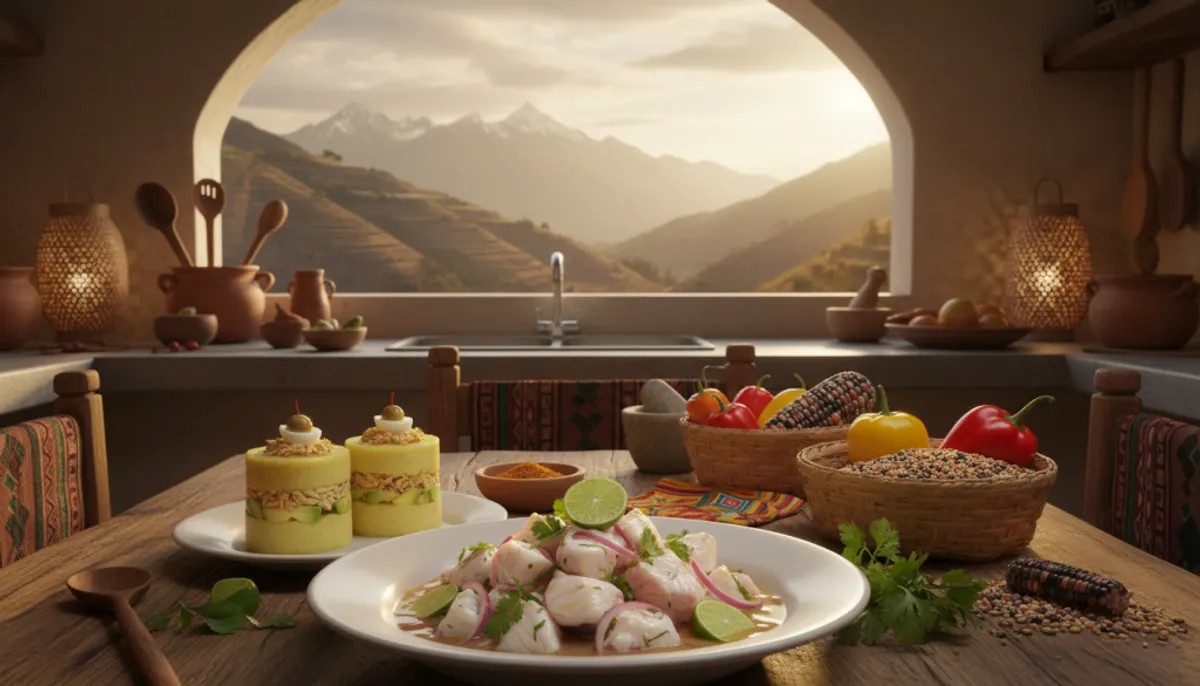
It arises from a rich mix of indigenous, Spanish, African, and Asian influences. This unique fusion gives an extraordinarily diverse cuisine.
Signature and Must-Try Dishes
Ceviche is the king of dishes. This fresh fish marinated in lime is a national heritage.
Meat-based preparations are also very popular. Lomo saltado combines sautéed beef with Asian techniques.
Grilled chicken, or pollo a la brasa, is a daily favorite. It is enjoyed in specialized restaurants.
Potatoes, with over 3000 varieties, are central. The causa is a delicious creation.
Purple corn is used to prepare chicha morada, a sweet drink. The seafood from the coast inspires spicy soups.
Multicultural Influences in Cuisine
The Chifa tradition illustrates the Chinese contribution. It has given rise to dishes like arroz chaufa.
Rice often accompanies Creole recipes. Arroz con pato is a beautiful example.
Japanese influences have refined the preparation of seafood and raw fish. This Peruvian cuisine is constantly evolving.
It integrates European techniques and African flavors. This culinary dialogue creates a unique tasting experience.
The Secrets of Peruvian Cuisine
The geographical diversity shapes a mosaic of unique flavors in every corner of the territory. Three major regions define distinct culinary approaches.
In the Andean sierra, cuy is a source of traditional meat. The pachamanca slowly cooks meats and potatoes underground.
On the costa, fresh fish from the Pacific Ocean reigns. The famous ceviche and other seafood dominate the plates.
The Amazonian selva uses tropical ingredients. The juane, with its chicken and rice, is cooked in a banana leaf.
The comedores of the markets offer an authentic daily dish. Street food features dishes like papa rellena and tamales.
Corn and rice are staples of this cuisine. They accompany many regional dishes.
| Region | Signature Dish | Key Ingredients |
|---|---|---|
| Sierra (Mountains) | Pachamanca, Cuy | Guinea pig meat, potatoes, Andean spices |
| Costa (Coast) | Ceviche, Tiradito | Fresh fish, seafood, lime, chili |
| Selva (Jungle) | Juane, Tacacho | Chicken, rice, plantain, freshwater fish |
Traditional Dances and Music
The sound heritage of this Andean nation is a symphony of tradition and culture intertwined. Its music tells the story of the country through ancestral rhythms and melodies.
More than 1500 different dances have been cataloged. This diversity reflects an exceptional artistic vitality.
Andean Instruments and Rhythms
Instruments create unique and recognizable sounds. The quena flute and the Antara, or pan flute, produce enchanting melodies.
The charango, a small ten-string guitar, adds rhythmic accents. Percussions, like the cajón, complete these ensembles.
Musical traditions vary significantly from one region to another. From the Andean heights to the Pacific coasts, each area has its style.
Afro-Peruvian music brings distinctive syncopated rhythms. This heritage dates back to the colonial period.
Dances like the k'aswa at Lake Titicaca perpetuate ancient rituals. Those of the Inti Raymi in Cusco celebrate the sun.
This fusion gives birth to unique genres in South America. They evolve while preserving a deep authenticity.
The ensembles accompany all community festivities. They are the beating heart of popular celebrations.
Peruvian Craftsmanship and Visual Arts
The skilled hands of artisans tell stories of millennial traditions. This tunisian craftsmanship represents a living heritage, passed down from generation to generation.Traditional textiles use alpaca or vicuña wool. This material offers exceptional warmth and great softness.
Dyes come from natural elements like insects and plants. Cochineal produces a deep red, while leaves yield rich greens.
The village of Chinchero is famous for its sophisticated weavings. In Umasbamba, women master the entire process, from shearing to final weaving.
Raqchi is distinguished by its pottery and ceramics. The pieces pay homage to Pachamama and the sacred mountains.
| Type of Craftsmanship | Representative Region | Main Characteristics |
|---|---|---|
| Textiles and Weavings | Sacred Valley (Chinchero, Umasbamba) | Alpaca wool, natural dyes, colorful geometric patterns |
| Pottery and Ceramics | Raqchi (Cusco region) | Local clay, traditional firing, shapes inspired by ancestral symbols |
| Hat Making | Diverse Andean Communities | Variable shape and color indicating origin and social status |
The way a hat is made reveals a lot. Its shape and color vary according to regions and communities.
Religious Practices and Cultural Syncretism
Colonial churches may house altars where the Virgin Mary shares space with symbols of Pachamama. This image summarizes a unique syncretism at the heart of spiritual life, reflecting aspects of congolese culture that emphasize the blending of beliefs.
About 90% of the inhabitants identify as Catholic. This faith often expresses itself through a harmonious blend with much older beliefs.
The sacred relationship with nature guides these practices. The Earth Mother is venerated alongside the saints, creating a deep religious fusion.
Offerings to the earth, or pago a la tierra, are common before harvests. Shamans also perform healing ceremonies with plants.
Festivals like the Yawar Fiestas combine Christian and indigenous elements. They celebrate both independence and cultural resistance.
This phenomenon dates back to the colonial era. Communities preserved their traditions by integrating them into imposed rituals, including thematic routes. These living practices show an identity always in motion.
Unmissable Festivals and Rituals
At the heart of the Andes, festivals blend ancient gods and Catholic saints in an explosion of colors. These celebrations are privileged moments where all the cultural richness manifests.
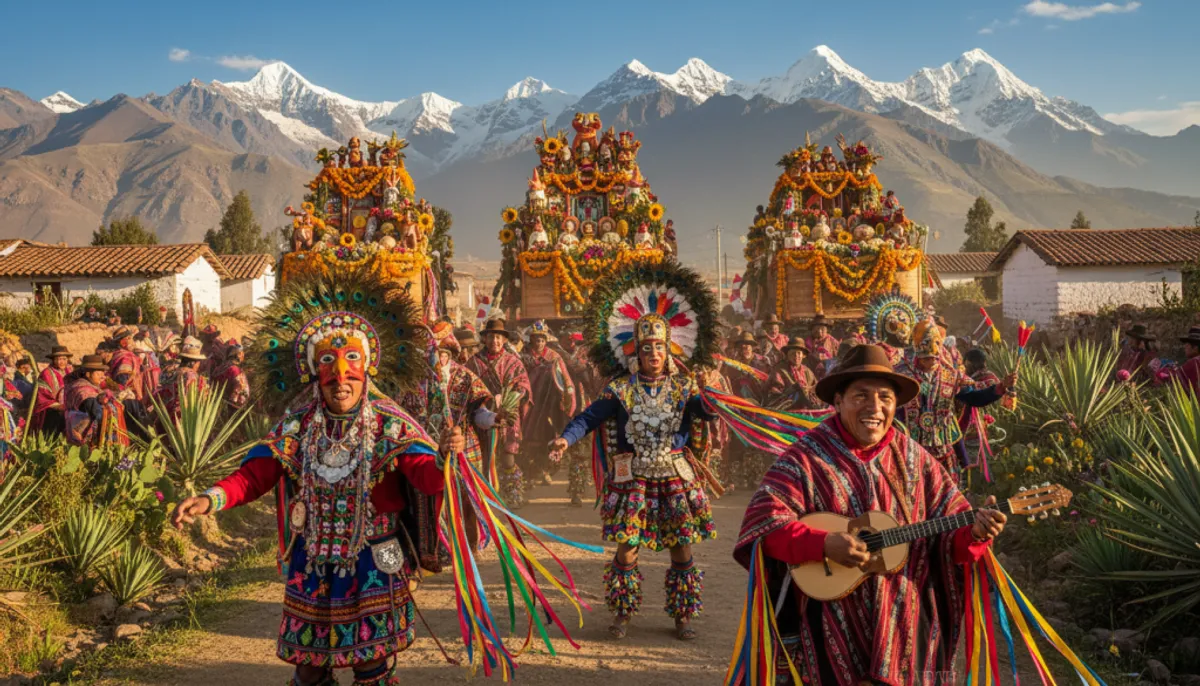
The Inti Raymi, or Festival of the Sun, is the most spectacular. It takes place every June 24 in Cusco, recreating Inca ceremonies for the god Inti.
This grand festival coincides with the southern winter solstice. It attracts thousands of visitors to the ancient capital.
The pilgrimage of Q'oyllur Riti illustrates a unique syncretism. It combines the worship of sacred mountains (Apus) with Christian devotion.
Walkers ascend to over 5000 meters in altitude. It is an intense spiritual and physical experience.
The Virgen del Carmen festival in Paucartambo lasts several days. It combines Catholic processions with colorful traditional dances.
| Festival / Ritual | Main Location | Key Elements |
|---|---|---|
| Inti Raymi (Festival of the Sun) | Cusco | Inca ceremony, winter solstice, honoring the god Inti |
| Pilgrimage of Q'oyllur Riti | Cusco Region (Sinakara) | Religious syncretism, high-altitude walk, worship of the Apus |
| Virgen del Carmen | Paucartambo | Catholic processions, folk dances, multi-day festival |
Popular festivals always bring together music, dances, and gastronomy. Each region prepares its typical dishes for the occasion.
The alasitas fairs add miniature crafts to the celebrations. These rituals often take place near sites marked by ancient stones.
These festivals strengthen the bond between a glorious past and a vibrant present. They are the beating heart of traditions.
Daily Life and Colorful Markets
It is in the hustle and bustle of the markets that the authenticity of everyday life is revealed. These spaces are the beating heart of communities, both urban and rural.
The stalls overflow with fruits of the earth. There are mountains of potatoes with surprising shapes and colors. Corn and flowers complete this abundance.
The Chinchero market enlivens the Sacred Valley on Tuesdays, Thursdays, and Sundays. The Cusco or Puerto Maldonado market offers a total sensory immersion.
The comedores are an integral part of these places. They offer a delicious and affordable daily dish. You can enjoy popular Peruvian cuisine accompanied by fresh fruit juices.
These dining spaces are essential meeting points. Families and workers gather there around a good meal.
| Market | Opening Days | Specialties | Particularities |
|---|---|---|---|
| Chinchero | Tuesday, Thursday, Sunday | Textiles, local potatoes | Panoramic view, weaving demonstrations |
| Central Cusco | Every day | Tropical fruits, meats, spices | Popular comedores, very lively atmosphere |
| Puerto Maldonado | Every day | Amazonians products, fish | Immersion in the tropical forest |
| Mercado de Surquillo (Lima) | Every day | Seafood, exotic fruits | Typical market of the capital |
The potato, with its thousands of varieties, reigns supreme. Its cultivation in Raqchi and elsewhere shows the richness of agricultural cultures.
These markets reveal the diversity of the regions. From Andean tubers to fruits from the Amazon, each product tells a story.
Discovering Indigenous Communities
To understand the soul of the Andes, one must meet its inhabitants. Rural family formations preserve ancestral traditions and willingly share their way of life.
Villages like Umasbamba, Llachon, and Raqchi offer an authentic immersion. Each has a unique heritage and know-how.
The Umasbamba Community and Its Traditions
At 3500 meters above sea level, Umasbamba means "great thinking head". This community is predominantly composed of women with distinctive headdresses.
They wear 40 to 60 braids, an Inca custom. Their mastery of weaving is complete, from shearing to finished product.
They work with camelid wool and create dyes using natural elements. This textile know-how is a pillar of their identity.
Raqchi and Artisan Practices
Raqchi, at 3480 meters, derives its name from the Quechua word for "ceramics". Here, 85 families live near an ancient temple and a volcano.
Their specialty is pottery, a craftsmanship passed down from generation to generation. The landscape of colored volcanic stones inspires their creations.
The reddish earth is also cultivated for potatoes. This agriculture complements the income from craftsmanship.
Local trained guides facilitate visits to these communities. They ensure a respectful and authentic exchange.
Fishing, agriculture, and craft sales are part of their economy. Sustainable community tourism is developing in the heart of these lands.
The Importance of Peruvian Culture in the Modern World
The international influence of this Andean nation is now undeniable. Its impact extends far beyond South America, reaching all continents.
Gastronomy plays a major role in this recognition. Chefs like Gastón Acurio have exported iconic dishes, such as ceviche, all over the world. Lima has established itself as a global culinary capital.
Traditional music and its contemporary evolutions also find a wide audience. International festivals celebrate these unique rhythms, creating artistic bridges.
The millennial history and sites like Machu Picchu attract millions of visitors each year. This cultural tourism is an economic pillar for the country.
Several traditions are inscribed in UNESCO's intangible heritage. This distinction reinforces national pride and encourages preservation in the face of globalization.
| Area of Influence | Concrete Example | Global Impact |
|---|---|---|
| Gastronomy | Starred restaurants in Lima, spread of ceviche | Influence on global culinary trends |
| Music and Arts | International festivals, artistic collaborations | Spread of Andean rhythms and creation of new genres |
| Historical Heritage | Machu Picchu, UNESCO-listed archaeological sites | Major tourist attraction and cultural education |
This dynamic Peruvian culture profoundly influences its neighbors while asserting its uniqueness. It shows how an ancestral heritage can shine on the modern stage.
Languages, Identities, and Ethnic Diversity
The national institute recognizes 77 distinct ethnic groups, a figure that reveals the extraordinary diversity of this country. This mosaic is reflected in a unique linguistic landscape in South America.
Spanish dominates, but Quechua and Aymara remain living pillars. Nearly 50 minority languages also survive in the forest regions.
The Influence of Quechua and Aymara
Quechua, the language of the Inca Empire, has several million speakers. It profoundly influences local Spanish through its vocabulary and expressions.
Aymara structures the identity of communities near Lake Titicaca. These languages carry worldviews and ancestral knowledge.
The constant mixing has created a complex national identity. Indigenous, European, and other cultures harmoniously blend together.
Villages like Llachon jealously preserve their Quechua language. The capital, Lima, concentrates this ethnic diversity.
| Language | Prevalence / Role | Regions / Characteristics |
|---|---|---|
| Spanish | Majority language (80-85%) | Used throughout the country, administration, media |
| Quechua | Living language (12-15% of speakers) | Andean regions, Inca heritage, influence on Spanish |
| Aymara | Pre-Hispanic language (about 2%) | Altiplano around Lake Titicaca, identity pillar |
| Amazonian Languages | Nearly 50 minority languages | Forest regions, unique worldviews, endangered |
Solidarity Tourism and Community Initiatives
An innovative approach to tourism places the inhabitants at the forefront. It aims to create equitable development for the communities of remote regions.
Agencies like Terres des Andes work hand in hand with villages. Their collaboration is based on three essential pillars.
Commitment and Cultural Exchanges
The social and human dimension is paramount. The protection of the environment and the land is equally important.
Finally, traveler satisfaction fosters genuine encounters. Community tourism offers immersion in local families.
Visitors thus discover agricultural or artisanal techniques. For the communities, this activity remains secondary.
Agriculture, fishing, and craftsmanship remain their main resources. Tourism revenues significantly improve the standard of living.
They also help create and maintain jobs in these isolated areas of the country. This encourages young people to stay on their lands.
| Pillar of the Initiative | Main Objective | Concrete Impact |
|---|---|---|
| Social Dimension | Authentic human encounters | Family immersion, cultural exchanges |
| Environmental Protection | Preserve the land and resources | Solar panels, sustainable constructions |
| Local Economic Development | Improve living conditions | Supplementary income, local jobs |
The infrastructures adapt in a respectful manner. The installation of solar panels for hot water is a good example.
Local guides receive regular training. They learn hygiene, interculturality, and the promotion of local products.
The relationship with the communities is based on mutual trust. It always respects traditional organization, addressing the village president.
This way of traveling allows for authentic exchange. Travelers directly contribute to development through these unique encounters.
Conclusion
Ultimately, Peru offers a remarkable example of resilience. The Peruvian culture harmoniously blends millennial history and modernity.
Ancestral customs of benin and oral tradition structure life, from markets to fields. Gastronomy and craftsmanship shine throughout the world, from the Amazon to the Pacific Ocean.Syncretism illustrates a capacity to integrate diverse influences. Community practices and solidarity tourism foster authentic exchanges.
This generous land inspires with its diversity. Exploring this country is to discover a living treasure that honors its roots.
FAQ
What are the most famous dishes of the local cuisine?
The country's cuisine is globally acclaimed. Ceviche, made with fresh fish marinated in lime juice, is a national symbol. Other must-tries include lomo saltado, a beef stir-fry with Asian influences, and aji de gallina, a creamy chicken dish. Each region offers its own specialties using local ingredients.
Is there a major traditional festival not to be missed?
Absolutely! The Inti Raymi, or Festival of the Sun, is one of the most important festivals. It takes place every June 24 in Cusco. This spectacular celebration, honoring the solar star, dates back to the Inca era. It features colorful costumes, music, and historical reenactments, attracting visitors from around the world.
What type of crafts can be brought back as souvenirs?
Local craftsmanship is incredibly rich. You will find beautiful textiles made from alpaca wool, such as sweaters and blankets, often handwoven using ancestral techniques. The markets are also filled with pottery, silver jewelry, and traditional musical instruments, like pan flutes. Each piece tells a story.
How can tourism support communities?
Is traditional music still very present?
Yes, it is very much alive! Andean melodies, played with instruments like the quena (flute) and the charango (small guitar), resonate during festivals and in many restaurants. Folk dances, such as the *Marinera* or the *Diablada*, are also vibrant expressions of this heritage, blending grace and historical narratives.