
Welcome to the fascinating universe of Lebanon, a true crossroads of civilizations. This small Mediterranean country has forged its identity over the centuries, where the East meets the West in a unique harmony.
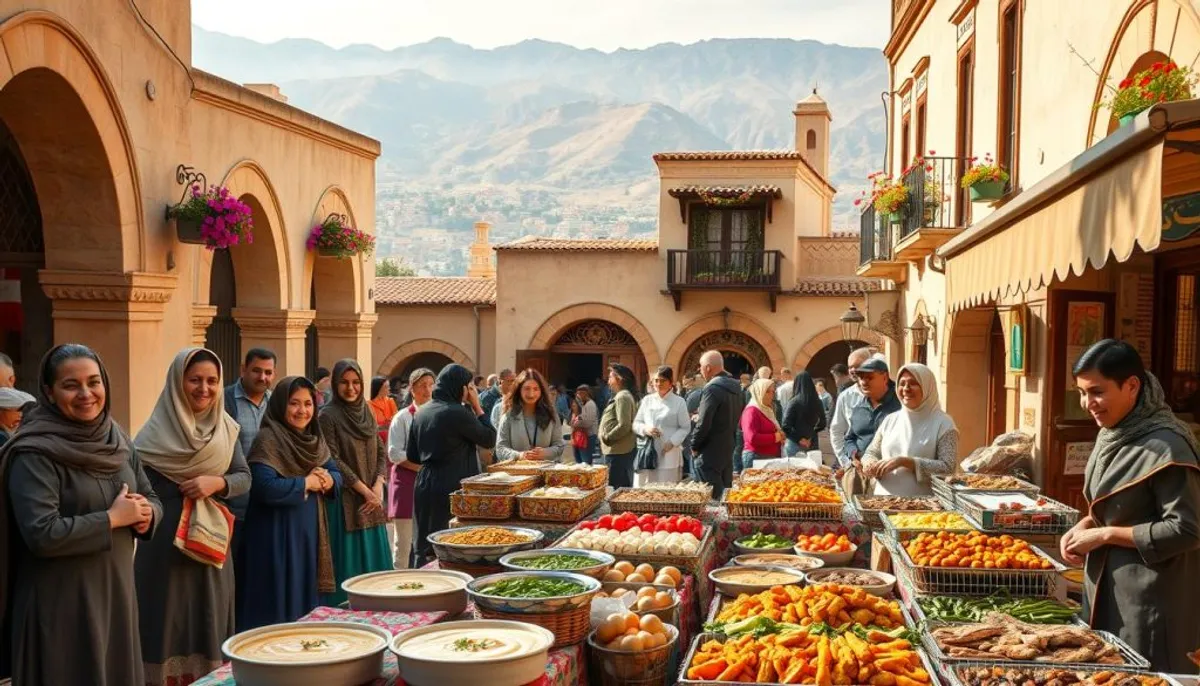
Lebanon has long been considered the Switzerland of the Middle East. This refinement is the result of its position as a cultural and financial hub. Its heritage has been enriched through the ages.
The history of this nation is marked by a geographical closeness of religious communities. Contributions from immigration and French and American influences have also played a crucial role. This mosaic has created a refined way of life.
The cultural landscape is exceptionally rich. Five sites are indeed listed as part of the world heritage by UNESCO. They testify to the multiple origins and a millennia-old history.
Daily life here revolves around legendary hospitality and values of conviviality. This introduction will give you the keys to understand why this country, despite its modest size, shines throughout the world.
Key Points to Remember
- Lebanon is a historical crossroads where Eastern and Western influences blend.
- Its cultural heritage is exceptional, with five UNESCO-listed sites.
- The coexistence of multiple religious communities has enriched its identity.
- The country has developed a refined way of life, recognized internationally.
- Hospitality and conviviality are pillars of daily life.
- Despite its small size, Lebanon has a significant cultural influence.
Introduction to Lebanese Culture
Positioned at the crossroads of continents, Lebanon has developed a remarkable uniqueness. This small Mediterranean territory concentrates a diversity that far exceeds its modest size, reminiscent of an infinite universe.
Historical and Geographical Context
The country benefits from an exceptional geographical situation. Between sea and mountains, it forms a natural bridge between the East and the West.
Its history dates back over seven thousand years. The Phoenicians invented the alphabet here before the Romans, Byzantines, and Ottomans left their mark.
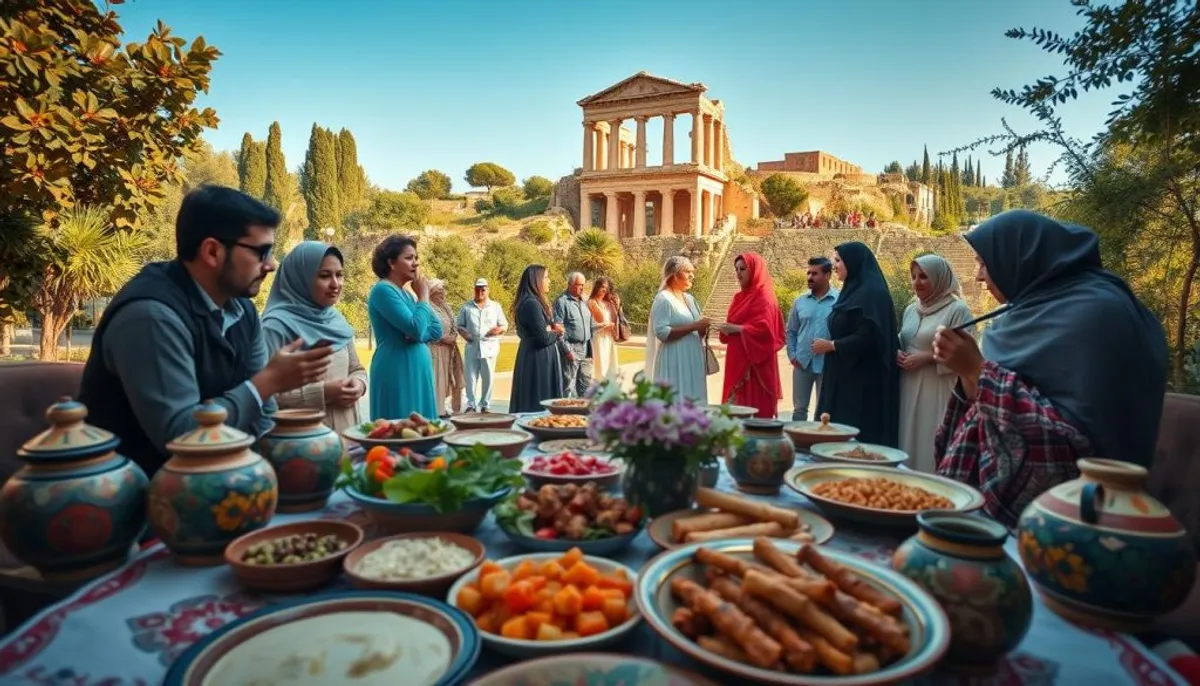
Presentation of Heritage and Cultural Influences
The religious communities play a fundamental role in identity construction. Eighteen confessions coexist in a unique pluralism.
Since the 12th century, the Maronite Church has paved the way for Western influences. The French presence in the 19th century further enriched this mix.
Beirut embodies this openness to the world. The cosmopolitan city becomes an intellectual hub radiating throughout the Arab world.
This exceptional cultural heritage explains how such a small country influences well beyond its borders. The Lebanese diaspora spreads this wealth on a global scale.
The Rich History and Cultural Heritage of Lebanon
Through its monuments and archaeological sites, Lebanon reveals an exceptional cultural legacy that spans centuries. This unique heritage tells the fascinating story of this Mediterranean land.
Historical Influences and Religious Communities
The Phoenicians bequeathed the alphabet, the basis of Western writings. This treasure is included in UNESCO's Memory of the World program.
Romans, Byzantines, and Ottomans each left their mark on architecture. Their influences overlap in a stratified urban landscape.
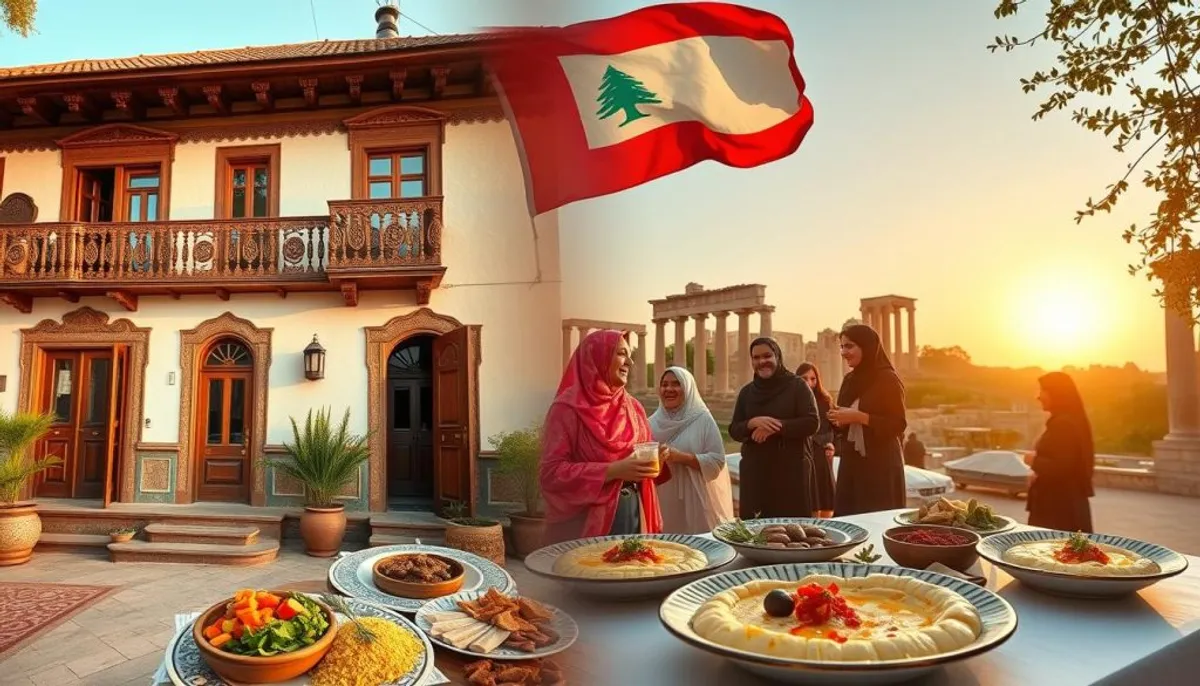
Eighteen religious communities have shaped this heritage. Their sacred buildings dot the territory, creating a remarkable architectural mosaic.
Iconic Sites and Must-See Monuments
Five sites are listed as part of the world heritage. They represent the geographical diversity of the country.
| UNESCO Site | Type | Historical Period | Main Characteristic |
|---|---|---|---|
| Byblos | Coastal city | 7000 years of history | Oldest inhabited city |
| Baalbek | Archaeological site | Roman period | Monumental temples |
| Qadisha Valley | Cultural landscape | Medieval to modern | Rock-cut monasteries |
The civil war damaged many monuments. But an international initiative is working towards their restoration.
“The preservation of this cultural heritage is essential for future generations.”
Historic cities like Tyre and Tripoli benefit from a program for enhancement. Their traditional houses are gradually being revived.
Every day, visitors from around the world discover these wonders. Lebanese heritage continues to shine internationally.
Lebanese Cuisine and Traditions
At the heart of national identity lies a generous table where flavors, aromas, and age-old traditions mingle. This refined gastronomy reflects a unique way of life, much like modern scrapbooking, which captures memories and moments in creative ways.Culinary Specialties and Table Arts
Mezze is the perfect expression of conviviality. This succession of small dishes encourages sharing and exchanges.
Among the iconic specialties, kebbeh comes in many regional variations. Labneh accompanies every meal, while shish tawook reveals Ottoman influences.
The arts of the table transform every lunch into a celebration. The elegant presentation of dishes honors legendary hospitality.
Customs, Festivals, and Daily Life
Daily life is organized around the extended family. Sundays bring together three generations around laden tables.
Weddings are lavish events mobilizing the entire family. These celebrations last several days with traditional dances and music.
Religious festivals create a permanent festive atmosphere. Neighbors of different confessions often share their pastries.
This country has inspired many artists. Gibran Khalil Gibran dedicates passages in his book to food as a sacred act.
Exploring Lebanese Culture: Between Art, Religion, and Modernity
Beirut asserts itself as a nerve center of artistic creation in the Arab world. This vibrant city concentrates a unique cultural effervescence.
Artistic Expressions and Literary Heritage
The literary heritage dates back to the 19th century. Farès Chidiac revolutionized Arabic literature with his novel The Leg on the Leg.
Gibran Khalil Gibran remains the most famous writer. His book The Prophet has been translated into a hundred languages.
In the field of visual arts, artists like Saloua Raouda Choucair have marked history. Their work shines internationally.
Music, Dance, and Performing Arts
Music plays an essential role in national identity. Fairuz embodies this tradition since the 1950s.
Local theater develops innovative projects. Troupes like Zoukak blend traditions and modern techniques.
The Baalbek Festival is a major cultural program. It has welcomed creators from around the world since 1960.
This artistic richness makes Beirut an essential cultural center. The heritage is enriched every year with new expressions.
Conclusion
The preservation of Lebanese heritage represents a crucial challenge for present and future generations. This article has shown how this unique treasure spans the centuries despite daily threats.
Historic cities see their traditional houses disappear every day. But a beautiful citizen and international initiative is emerging to protect these places filled with origins.
The cultural heritage is among the richest in the world. Its protection goes beyond simple conservation to touch on social cohesion.
Restoration projects are bringing old neighborhoods back to life. They show that through collective commitment, the future of this heritage can be preserved.
FAQ
What are the origins of the country's cultural heritage?
Lebanon has a unique heritage shaped by millennia-old civilizations such as the Phoenicians, Romans, and Ottomans. This richness is seen in its traditional houses, archaeological sites, and the diversity of its communities, including elements of israeli folklore.
How do daily life and festivals reflect customs?
Family life and celebrations occupy a central place. Shared meals, weddings, and religious festivals like Christmas or Eid strengthen bonds and perpetuate ancestral traditions across generations.
What role does art play in Lebanese society today?
Art is very much alive! From Beirut to Tripoli, contemporary artists, writers, and musicians express their vision of the world. Their innovative projects engage with history, creating a dynamic and ever-evolving cultural landscape.
Where can one explore the landscapes and iconic cities?
From bustling city centers to mountain villages, each region offers a different experience. Tour programs allow visitors to discover must-see monuments, breathtaking landscapes, and the warm hospitality of the Lebanese.