
Welcome to this fascinating exploration of an exceptional heritage that has marked the West for centuries. With over 60 million inhabitants, this Mediterranean nation shines with its unique influence across the world.
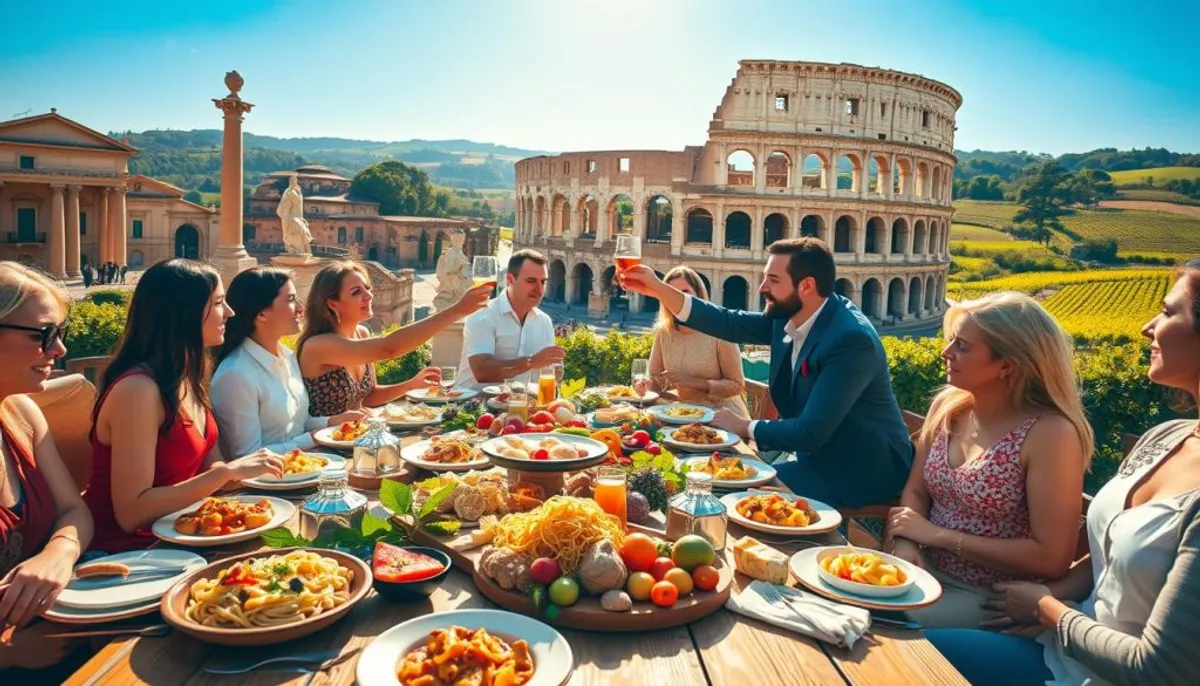
Heir to the Etruscans, Greeks, and Romans, this peninsula was the heart of the Roman Empire and the cradle of the Renaissance. It gave birth to major intellectual movements such as Humanism.
Today, this rich culture manifests in vibrant traditions that perpetuate a millennia-old heritage. From ancient Rome to modernity, this country continues to inspire with its creativity and authenticity.
Key Points to Remember
- Italy has about 60 million inhabitants and possesses a millennia-old cultural heritage
- The Italian peninsula was the center of the Roman Empire and the Catholic Church
- This territory is considered one of the cradles of Western civilization
- Italian influence extends worldwide across various cultural fields
- Current traditions perpetuate a rich historical heritage
- Humanism and the Renaissance were born in this region
- The Etruscan and Greek heritage has profoundly shaped cultural development
Introduction to Italian Culture
The formation of the modern Italian state represents a recent chapter in a millennia-old history. National unification dates back less than 200 years, which explains the strong regional identity that persists today.
Historical and Geographical Context
The unique geographical position of this Mediterranean peninsula has favored cultural exchanges since antiquity. This central location in the Mediterranean has allowed for diverse influences that have blended over the centuries.
The linguistic diversity perfectly illustrates this heritage richness. In 2002, only 6.7% of the population spoke a language other than Italian as their mother tongue. However, this percentage rises to 52% when including those who use a dialect alongside Italian.
Current Cultural and Social Issues
Italians are known for their expansive character and expressive communication. They often speak loudly and express themselves abundantly with their hands, making their interactions particularly lively.
The preservation of local traditions in the face of globalization poses a significant challenge for this country. Family remains a central institution in society, maintaining strong ties between generations.
| Region | Main Dialect | Percentage of Speakers | Historical Influences |
|---|---|---|---|
| Sicily | Sicilian | 68% | Arabic, Norman, Spanish |
| Veneto | Venetian | 72% | Latin, Germanic |
| Tuscany | Tuscan | 45% | Etruscan, Classical Latin |
| Sardinia | Sardinian | 58% | Archaic Latin, Pre-Roman |
This cultural mosaic can be seen as a strength rather than a weakness. It contributes to the exceptional richness of contemporary Italian culture.
The Origins and Historical Evolution
Before Rome became the mistress of the world, the Italian territory was already home to flourishing civilizations. Various peoples cohabited on this Mediterranean peninsula long before the 8th century BC.
From Antiquity to the Renaissance
The Etruscans were the first to develop the site of Rome. In 509 BC, the Roman aristocracy overthrew the Etruscan monarchy to establish the republic.
The Roman Empire then expanded throughout the Mediterranean for several centuries. This domination marks a foundational period for the region.
In the Middle Ages, the peninsula fragmented into multiple rival states. This paradoxical division fostered the emergence of the Renaissance in the 15th-16th centuries.
Contemporary Italy and Its Transformations
The unification in the 19th century created a modern country after years of divisions. The second Roman Empire gave way to a unified nation.
The 20th century brought profound transformations while preserving historical heritage. Each period has left its mark on the current identity.
The Influence of the Roman Empire and the Catholic Church
Two major institutions have shaped the destiny of this region: the Roman Empire and the Catholic Church. Their legacy continues to permeate contemporary society.
Rome's Contributions to Western Civilization
The Roman Empire established lasting foundations for Europe. Roman law still influences our modern legal systems.
The imperial administration unified a vast Mediterranean territory. Monumental architecture and the Latin language spread this culture far beyond its borders.
The Spiritual and Architectural Influence
Rome became the spiritual capital of Catholicism with the Vatican. Nearly 85% of the population identifies as Catholic today.
The Catholic Church has marked architecture with its majestic basilicas. Its influence extends to social and political life.
The concordat of 1984 modernized relations between the states and the church. This balance is constantly evolving between temporal and spiritual power.
The Arts, Literature, and Cinema in Italy
From Renaissance paintings to cinematic masterpieces, Italy has always excelled in artistic expression. This creative tradition dates back centuries and continues to inspire the world.
From Literary Masterpieces to Cinema Icons
Italian literature boasts giants like Dante Alighieri and Italo Calvino. Their works transcend time with remarkable depth.
Italian cinema experienced its golden age after the war. Directors like Fellini and Pier Paolo Pasolini left their mark on the century.
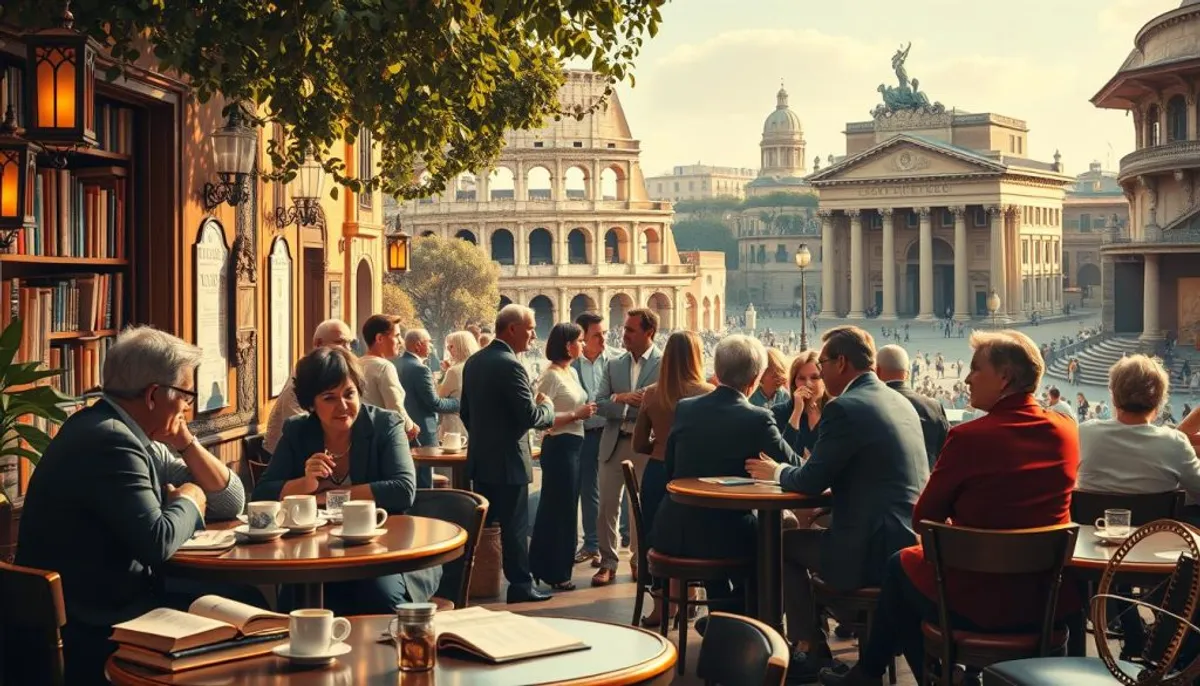
Italian neorealism revolutionized storytelling. These films captured reality with touching authenticity.
The Artistic Legacy and Its International Reach
Italian visual arts have evolved through the ages. The metaphysical painting of Giorgio De Chirico in the 20th century is a striking example.
Italian artists and painters export their vision far beyond borders. Their influence extends globally.
| Art Movement | Period | Major Representatives | Characteristics |
|---|---|---|---|
| Renaissance | 14th-16th century | Leonardo da Vinci, Michelangelo | Realism, perspective, humanism |
| Baroque | 17th century | Caravaggio, Bernini | Drama, contrasts, movement |
| Neorealism | 1940s-1950s | Rossellini, De Sica | Social realism, outdoor shooting |
| Metaphysical Painting | Early 20th century | Giorgio De Chirico | Dreamlike, distorted perspectives |
This artistic legacy remains alive today. New generations of creators continue this excellence recognized worldwide.
Italian Cuisine: Flavors and Traditions
Immerse yourself in a sensory journey through the authentic flavors of the peninsula. Italian cuisine and Lyonnaise gastronomy go far beyond the clichés of pasta and pizza to reveal extraordinary regional diversity.
Regional Specialties and Meal Rituals
In the north, alpine influences dominate with artisanal fresh pasta and creamy risottos. The southern Mediterranean favors dry pasta and the sunny flavors of tomato and olive oil.
Italians consider the meal a sacred moment of conviviality. This culinary tradition is passed down from generation to generation around family tables.
| Region | Typical Specialties | Type of Pasta | Culinary Influences |
|---|---|---|---|
| North Italy | Risotto, polenta, fresh pasta | Artisanal | Alpine, Austrian |
| South Italy | Dry pasta, pizza, seafood | Industrial | Mediterranean, Arabic |
Antipasti, primi, and secondi: Decoding Menus
A complete meal begins with antipasti (cold cuts and vegetables). Next come the primi with pasta or risotto, followed by the secondi based on meat or fish.
The menu concludes with cheeses, fruits, and iconic desserts. Tiramisu and panna cotta crown these gourmet feasts.
This structure reflects the Italian art of living. Each dish tells a unique regional story.
Design, Fashion, and Craftsmanship
Italy has cultivated a global reputation for decades for its innovative approach to design. This creative excellence extends from furniture to luxury cars.
Italian Design and Its Global Influences
Italian design combines artistic creativity with conceptual rigor. This unique approach revolutionizes furniture and everyday objects.
Since the mid-20th century, creators have transformed industrial aesthetics. Their influence now extends worldwide.
Fashion and Traditional Italian Craftsmanship
Italian fashion features iconic houses like Armani, Gucci, and Prada. Milan became the fashion capital around 1970.
Florence held this position previously. Traditional craftsmanship perpetuates ancestral know-how.
Florentine leather and Murano glass illustrate this excellence. These applied arts merge tradition and innovation.
The taste for elegance profoundly marks the national culture. This aesthetic sensitivity influences all aspects of life.
Popular Traditions and Beliefs
The Italian calendar resonates with the rhythm of popular traditions that unite the sacred and the profane. These ancestral practices structure community life throughout the year.
Rituals, Superstitions, and Folklore
Superstitions remain vibrant in daily life. The cornicello, a small horn amulet, protects against the evil eye.
The sign of the horns made with the hands also wards off curses. These beliefs are naturally passed down through generations.
The Evolution of Festivals and Holidays
Holidays blend national commemorations and religious celebrations. June 2 celebrates the Feast of the Republic, established in 1946.
August 15 (Ferragosto) marks the Assumption with summer festivities. Each holiday has its unique character.
Holidays vary significantly by region. The Venice Carnival contrasts with Sicilian processions during Holy Week.
In August, sagre (local festivals) enliven villages with seasonal specialties. These celebrations strengthen community bonds.
| Festival | Date | Meaning | Associated Traditions |
|---|---|---|---|
| Epiphany | January 6 | Arrival of the Magi | Befana distributing gifts |
| Feast of the Republic | June 2 | Birth of the Republic | Military parades, concerts |
| Ferragosto | August 15 | Assumption of Mary | Picnics, fireworks |
| Feast of the Patron Saint | Variable | Protection of the city | Processions, craft markets |
These rituals create a reassuring framework for the family. They maintain a balance between modernity and heritage while celebrating the legacy of ancient Rome.
Oral transmission perpetuates this rich folklore. Each region thus preserves its unique identity.
The Diaspora and Italy's International Influence
The history of Italian migrations tells an extraordinary human adventure that has connected continents. This great influence has built over several generations.
Migration Flows and Cultural Diffusion
At the turn of the 20th century, Italy experienced massive emigration. Poverty in the south pushed millions towards the Americas.
This journey to new countries allowed for remarkable cultural diffusion, including aerial videos that capture the beauty of landscapes. Culinary and artistic traditions, as well as advertising in France, crossed the oceans.
The Impact of Italians Worldwide
The diaspora maintains strong ties with its homeland. Associations and traditional festivals preserve the heritage.
Today, Italy hosts about 10% of immigrants. This country is experiencing a significant demographic turnaround.
| Destination | Period of Immigration | Major Contributions | Current Population |
|---|---|---|---|
| United States | 1880-1920 | Cuisine, construction | 17 million |
| Argentina | 1870-1914 | Agriculture, architecture | 25 million |
| Brazil | 1870-1920 | Coffee, industry | 30 million |
| Canada | 1900-1950 | Commerce, arts | 1.5 million |
These communities shine throughout the world. They carry a living heritage through the years.
Cultural Diversity Within the Peninsula
The Italian linguistic mosaic reveals an exceptional cultural diversity that transcends regional borders. This richness is explained by a recent national unification that preserves local particularities.
Regional Languages and Dialects
Standard Italian is spoken by 87% of the population, but 52% of residents still use a dialect interchangeably. These regional languages, such as Sicilian or Venetian, are in fact dialects of Latin.
The state officially recognizes several linguistic minorities. There are German speakers in the north, French speakers in the Aosta Valley, and Slovenes in the northeast.
Cultural Mosaics of Different Regions
The contrasts between industrialized northern Italy and the more agricultural south create marked differences. These distinctions concern mentalities, architecture, and culinary traditions.
This diversity can be seen as a unifying strength rather than a factor of division. It enriches national identity without erasing regional specificities.
Contemporary Italian culture draws its vitality from this complexity inherited from history. Each region contributes to an exceptional common heritage.
Italian Culture: A Living Heritage
Italian architectural treasures offer a journey through the ages, where each stone tells a millennia-old story. This exceptional heritage is discovered in UNESCO-listed sites that punctuate the territory.
Monuments, Museums, and Historical Sites
Rome, the capital since the unification of 1870, concentrates remains dating back to antiquity. The Colosseum and the Roman Forum sit alongside the Pantheon and the baroque splendors of the Vatican.
Florence houses the Uffizi Gallery, a sanctuary of Renaissance painting. Venice presents a unique architecture where palaces and canals harmoniously interact.
| Iconic Site | City | Period | Main Feature |
|---|---|---|---|
| Colosseum | Rome | 1st century | Largest Roman amphitheater |
| Pompeii | Naples | Antiquity | Preserved archaeological site |
| St. Peter's Basilica | Vatican | 16th century | Renaissance and baroque architecture |
| Pisa Tower | Pisa | Middle Ages | Unique leaning bell tower |
The Fusion of Traditional and Modern Influences
Contemporary arts integrate perfectly with preserved historical centers. Milan illustrates this fusion with its modern dynamism alongside centuries-old monuments.
This cultural vitality manifests through festivals and innovative restorations. Heritage is not static but constantly reinvented for future generations.
Everyday Customs and Habits
Everyday Italian life revolves around social rituals rooted in history. These traditions shape a unique art of living that marks each day.
The Italian Art of Living and Conviviality
Residents are known for their expansive character and expressive communication. They speak passionately and use hand gestures abundantly.
This ease of making contact creates a warm atmosphere for any visitor. Public squares become lively meeting places from late afternoon.
Social Rituals and the Role of Family
The family is the central pillar of society. The mama holds an authority respected by all members.
Sunday meals gather several generations around convivial tables. In the south, the traditional siesta (il pisolino) still marks the hot afternoons, highlighting the heritage of the south.
These customs strengthen family and community bonds. They preserve a precious heritage through the days.
Contemporary Challenges and Cultural Heritage
The 21st century presents complex challenges for the heritage of the peninsula, balancing necessary modernization with heritage preservation. These tensions manifest in all areas of social and political life.
Modernization vs. Tradition
The 1970s marked a turning point with the economic crisis and the political violence of the Red Brigades. This period, known as the "Years of Lead," profoundly transformed the country.
The economic imbalance between the industrialized north and the agricultural south has persisted for decades. This geographical division creates significant political tensions that challenge national unity.
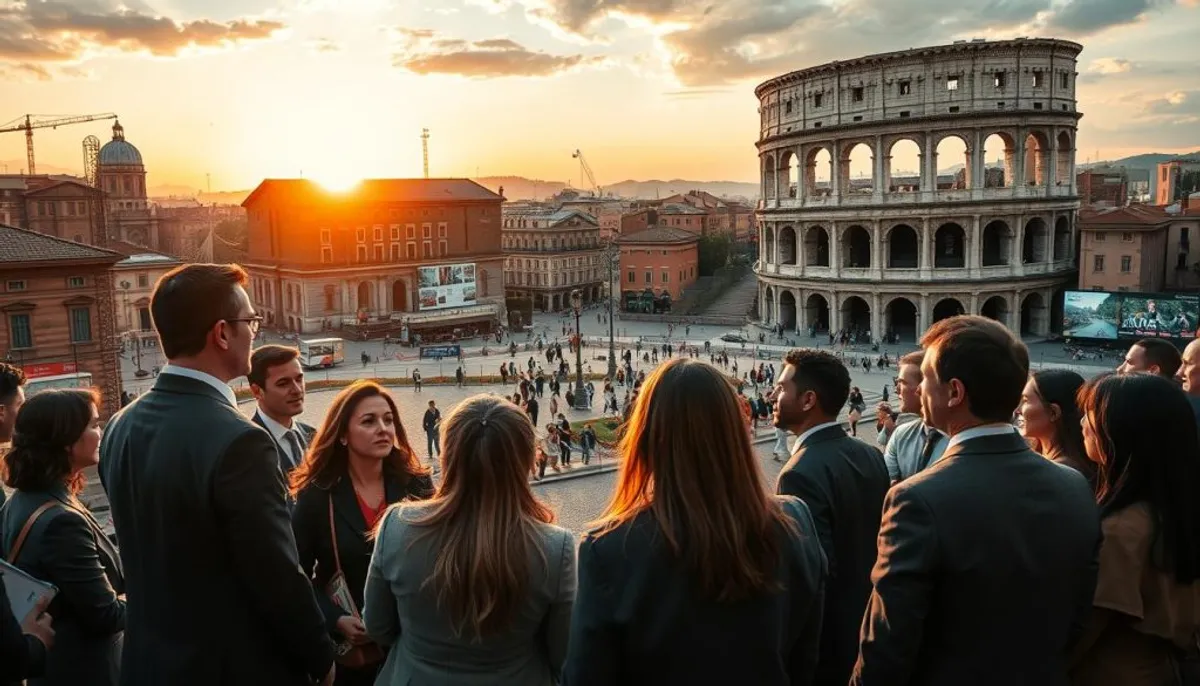
The Challenges of Heritage Preservation
The republic must manage the protection of historical monuments in the face of mass tourism. Restoration costs represent a major financial challenge for regional states.
Immigration transforms society after years of emigration. This demographic evolution raises questions of cultural integration in the 21st century.
Strategies for heritage enhancement seek to reconcile tradition and innovation. This approach allows for the preservation of Italian culture while adapting to the realities of the present century.
Conclusion
Exploring this land is embarking on a unique journey through the ages. From the Roman Empire to the 21st century, the peninsula generously reveals its treasures.
Each city tells a different story. The family remains the beating heart of this society where art and tradition are naturally passed down.
Your Italy trip will be a complete sensory immersion. Discover local liqueurs like Limoncello and enjoy authentic Italian cuisine.
Contemporary artists perpetuate this exceptional heritage. Italian cinema and literature continue to inspire the world.
This country invites you to experience its present while honoring its past. Perhaps the best way to understand this culture is to discover it for yourself, taking into account the woke culture that influences contemporary perspectives.
FAQ
What are the most significant periods in Italian history?
Roman antiquity and the Renaissance of the 15th century are fundamental eras. The Empire left a colossal legal and architectural legacy. Later, artists like Leonardo da Vinci revolutionized European art. The contemporary era, with the unification of the country, is also very important.
How has the Catholic Church influenced Italy?
Its influence is immense, especially in art and architecture. Churches like St. Peter's in Rome are masterpieces. It has also played a major social and political role over the centuries, shaping traditions and values.
What are typical dishes of Italian cuisine?
Who are the major figures in Italian cinema?
Italian cinema has produced genius directors. Federico Fellini and Pier Paolo Pasolini marked the 20th century. Their films, known worldwide, explore society with a unique and poetic style.
What characterizes Italian design?
Italian design combines functionality and aesthetics with elegance. It shines internationally, particularly in fashion and furniture. Cities like Milan are its capital, blending innovation and respect for traditional craftsmanship.
How is family perceived in Italy?
The family is central to social life. Bonds are very strong, and Sunday meals or celebrations gather several generations. It is a fundamental value that structures daily life and relationships.