
Our cultural heritage represents an invaluable wealth that transcends generations. Today, it faces numerous threats: armed conflicts, natural disasters, illicit trafficking, and neglect.
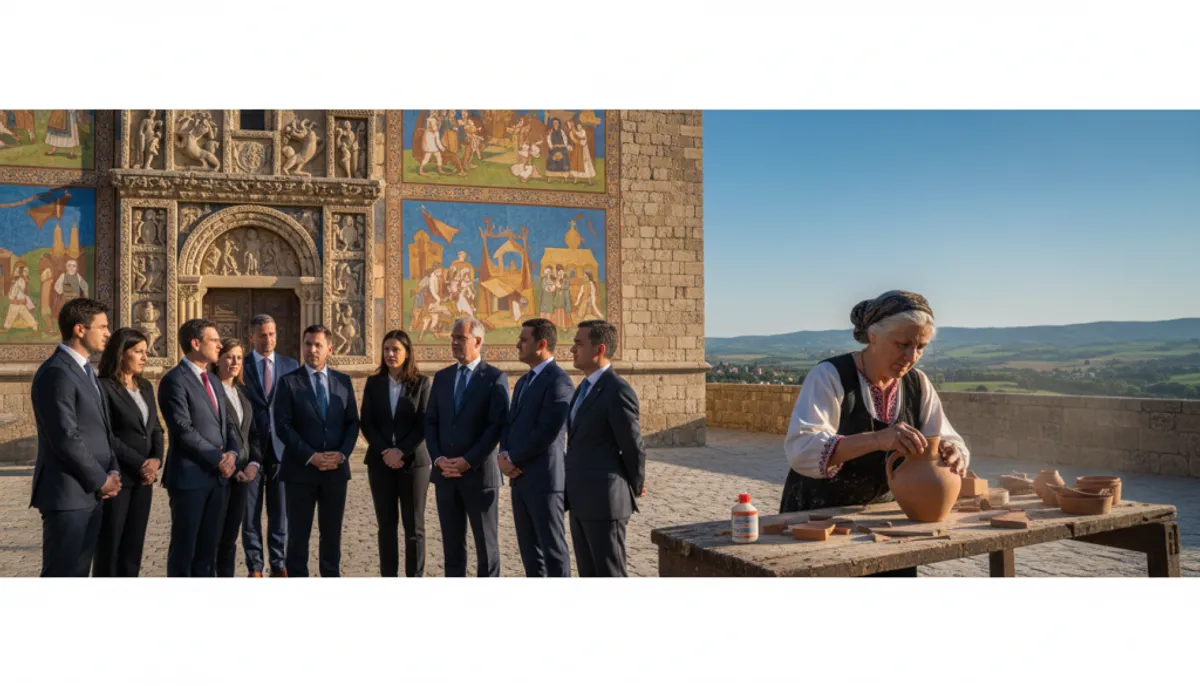
Every citizen, professional, and institution has an essential role to play in this protection. Our common heritage, whether tangible or intangible, deserves special attention.
This article offers practical advice to actively contribute to the preservation of our heritage. The recommendations are based on best practices from organizations such as INTERPOL and UNESCO.
Discover how your daily actions can make a significant difference. The preservation of our cultural assets is everyone's responsibility, and this guide will show you how to act effectively.
Introduction to Cultural Heritage and Its Importance
Our tangible and intangible cultural heritage forms an essential collective treasure for our understanding of the world. It represents the identity of our communities and reflects our shared history. The influence of greek philosophy has also shaped our cultural perspectives and values.
Definition and Issues of Cultural Heritage
Cultural heritage includes two main dimensions. Tangible assets include monuments, works of art, and archives. Intangible elements encompass traditions, know-how, and oral expressions.
This living heritage is constantly evolving. It is passed down from generation to generation. According to UNESCO, it is continuously recreated.
Several challenges threaten this wealth today. Globalization can harm authenticity. Illicit trafficking fuels crime. Armed conflicts destroy irreplaceable sites.
| Type of Heritage | Concrete Examples | Characteristics |
|---|---|---|
| Tangible | Historical monuments, works of art | Tangible, visible, physical |
| Intangible | Traditions, artisanal know-how | Oral transmission, living |
| Natural | Cultural landscapes, natural sites | Human-nature interaction |
Context and Specificities in France
France has an exceptional wealth of culture. Castles, cathedrals, and museums dot the territory. This country boasts remarkable public and private collections, including unique examples of kenyan art.
The protection of this heritage involves all stakeholders. The state, local authorities, and citizens share this responsibility. This collaboration ensures transmission to future generations.
Preservation contributes to sustainable development. It promotes cultural tourism and strengthens social cohesion. Our history continues to be written through time.
Individual Actions for the Protection of Cultural Assets
Individual contribution is a fundamental pillar of safeguarding cultural treasures. Each person can take a concrete action to preserve our common heritage.
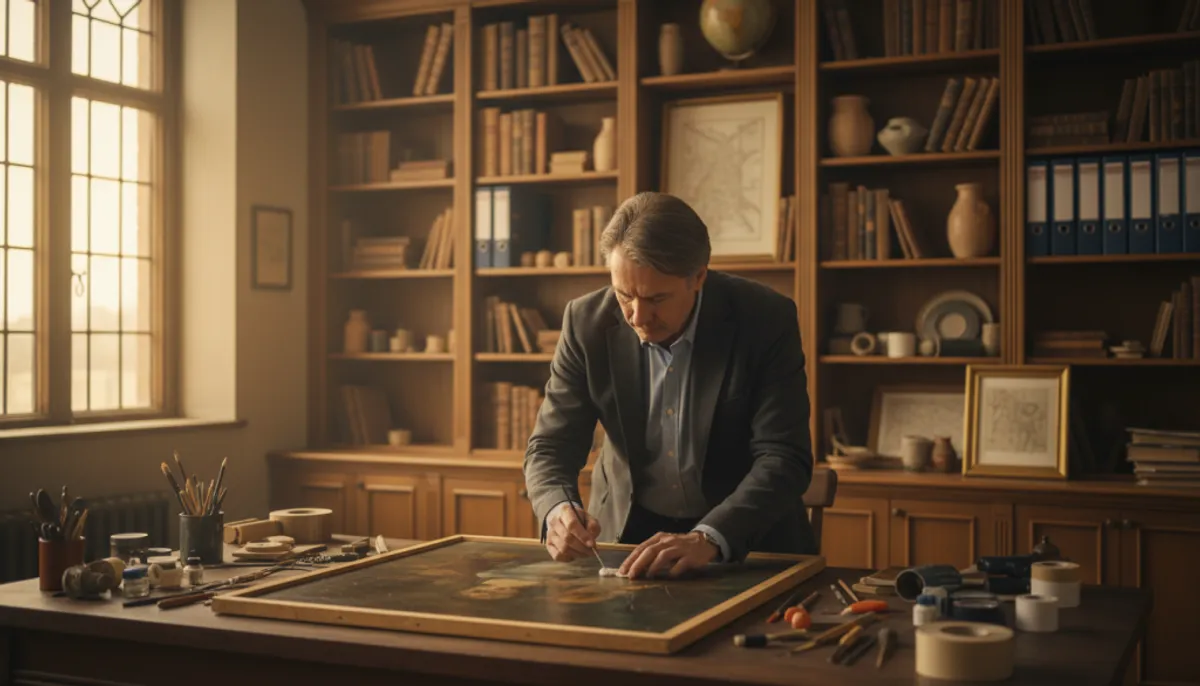
Buying Advice and Authenticity Verification
Responsible purchasing is a crucial step. Always check the provenance of cultural objects. Consult INTERPOL's database on stolen works.
Refuse any purchase without adequate documentation. This vigilance prevents the circulation of illicit objects. It protects the legal market.
| Verification Method | Main Tool | Key Advantage |
|---|---|---|
| Provenance Check | Historical Documentation | Complete traceability |
| Theft Research | INTERPOL Database | Free access to information |
| Authentication | Specialized Expertise | Reliable certification |
Inventory and Secure Your Collections
Create a detailed inventory of your cultural assets. Photograph each piece from multiple angles. Note dimensions and materials.
Physically secure your storage spaces. Install appropriate alarm systems. Control access to valuable collections.
These individual measures form a coherent whole. They strengthen the protection of our collective heritage.
How to Protect Cultural Heritage
Adopting good daily practices is a safeguard against the threats facing our common wealth. These concrete measures form an essential defense system.
Practical Measures and Documentation
Environmental control is fundamental. Maintain a stable temperature between 18-20°C. Monitor relative humidity around 50%.
Documentation completes each piece. Create detailed descriptive sheets. Include provenance history and authenticity certificates.
Use of Databases and Traceability of Works
Regularly consult national databases. The Ministry of Culture offers free tools. INTERPOL provides global access to theft archives.
Traceability allows for tracking the complete journey of a work. From its creation to its current location. This vigilance discourages illicit trafficking.
Report and Collaborate with Authorities
Immediately report any suspicious situation. Contact the DRAC or specialized services. Quick action is crucial in every case.
Active collaboration strengthens the protection of cultural assets. Share information with professional associations. Together, we preserve our cultural heritage, including the cultural heritage of zambia, better.
National Strategies and Regulations for Safeguarding
States play a decisive role in preserving our collective heritage through structured policies. This national approach creates a coherent framework for all preservation actions.

Creation of Specialized Police Units
France has established the Central Office for the Fight Against Trafficking in Cultural Assets (OCBC). These specialized services possess unique expertise.
They coordinate national and international investigations. Their collaboration with INTERPOL and customs is essential.
Strengthening Legislation and National Databases
The French Heritage Code establishes strict rules. It regulates the art market and defines the obligations of professionals.
UNESCO and UNIDROIT conventions harmonize protection at the global level. They provide a solid legal framework.
| National Measure | Responsible Organization | Main Impact |
|---|---|---|
| Specialized Police Units | OCBC, gendarmerie | Targeted trafficking investigations |
| Connected Databases | Ministry of Culture | Rapid information sharing |
| Professional Training | Cultural Institutions | Shared expertise |
These strategies create a favorable environment for preservation. They involve all stakeholders in a collective approach.
Emergency Measures and Safeguarding in Case of Disaster
Preparation for emergency situations is a crucial aspect of sustainable conservation. These measures protect our cultural assets against unpredictable risks.
Development and Implementation of a Cultural Property Safeguarding Plan (PSBC)
The Cultural Property Safeguarding Plan (PSBC) organizes the collective response to crises. It covers fires, floods, and storms threatening monuments and collections.
Its methodology includes four essential pillars. Continuous prevention, operational forecasting, immediate intervention, and post-disaster restoration.
Each institution adapts its PSBC according to its specificities. Risk assessment identifies priority objects. Mapping sensitive areas guides evacuations.
Rapid Intervention and Training of Professionals
Regular exercises test the effectiveness of the plan. They train teams in emergency procedures. These drills reveal areas for improvement.
The Ministry of Culture offers practical resources. Methodological guides and technical sheets assist professionals. The Civil Security Sheet No. 20 provides a concrete example.
Specialized training teaches safe handling of works. It includes coordination with emergency services. Documentation during intervention ensures traceability.
These measures guarantee the transmission of our history despite uncertainties. They constitute an essential investment for the entire heritage.
Conclusion
Every gesture counts in defending our collective memory against contemporary challenges. The protection of our heritage is a shared mission that unites citizens, professionals, and institutions.
The actions presented form a coherent whole. Vigilance during acquisitions, rigorous documentation, and collaboration with authorities mutually reinforce their effectiveness.
The resources from the Ministry of Culture, INTERPOL, and UNESCO support your efforts. In the face of climate urgency and illicit trafficking, immediate commitment is crucial.
Together, we can ensure the transmission of this cultural heritage through time. Share this information to multiply the positive impact on our common heritage.
FAQ
What exactly is cultural heritage?
Cultural heritage encompasses all the assets, both tangible and intangible, that we inherit from the past. This includes monuments, historical sites, works of art, archives, and even traditions. Its preservation is crucial for passing our history to future generations.
What can I do, at my level, to contribute to its protection?
You can act in several ways! For example, by being vigilant when purchasing antique objects, documenting your own collections, or reporting any discoveries or suspicious situations to the relevant services. Every action counts for the preservation of this heritage.
Are there specific measures in case of emergencies, such as a fire?
Yes, absolutely. Establishing a Cultural Property Safeguarding Plan (PSBC) is essential for museums, libraries, and archives. This framework defines priority actions to secure the most valuable assets in case of disaster, through rapid and trained intervention.
How does France organize the protection of its heritage?
France has a solid regulatory framework. It relies on specialized services, such as the Central Office for the Fight Against Trafficking in Cultural Assets, and on the constant strengthening of national databases, allowing for better traceability of works.
Where can I find reliable information on the restoration of a cultural asset?
It is recommended to consult accredited professionals, such as those listed by the General Directorate of Heritage. The websites of the DRAC (Regional Directorates of Cultural Affairs) are also an excellent source of information and advice for any restoration actions.