
Welcome to this exploration of a unique Caribbean heritage. We invite you to discover an identity shaped by African, European, and Caribbean influences. This fusion creates a rich and captivating whole.
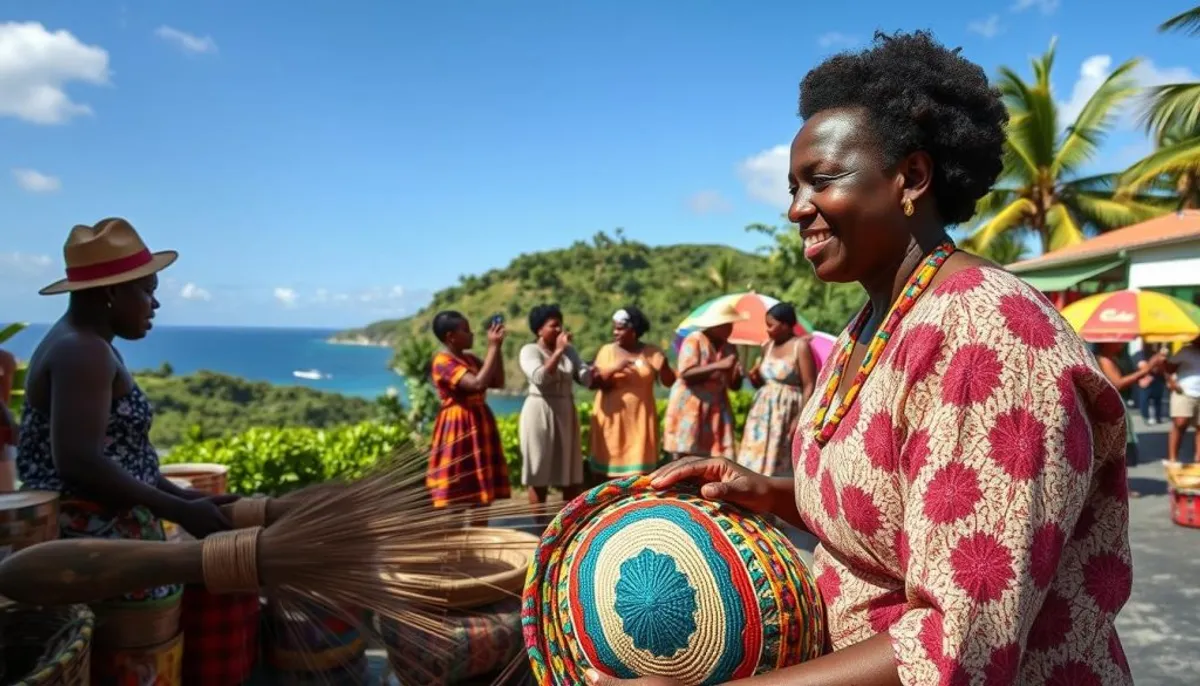
This small spice island of the Caribbean has an exciting history. Its customs reflect a tumultuous past and an exceptional geographical position. You will understand how this nation has developed its distinctive character.
World-renowned for its spices, especially nutmeg, Grenada has forged vibrant expressions. Creole languages, vibrant festivals, and ancestral practices blend harmoniously here. This guide offers you an authentic journey to the heart of this remarkable island.
Whether you are passionate about anthropology or simply curious, this immersion promises fascinating discoveries. Get ready to explore eight essential aspects of this island society.
Key Points to Remember
- A unique heritage blending African, European, and Caribbean influences
- An identity forged by a rich history and a privileged geographical position
- A global reputation linked to spice production, particularly nutmeg
- Living traditions including Creole languages and vibrant festivals
- A comprehensive guide in eight sections to understand the essence of this nation
- An authentic perspective for travelers and enthusiasts of Caribbean cultures
Historical Origins and Formation of Grenadian Identity
The historical narrative of this land reveals a complex and vibrant identity. This history begins about 1500 years ago with the arrival of the Arawaks from Venezuela.
Around 1200 AD, the Kalinago took control of the island they named Camerhogne. They established their dominance before the arrival of the Europeans.
The Early Civilizations and French Colonization
Christopher Columbus discovered this territory in 1498. The decisive moment occurred in 1650 when the French founded Saint George's.
The following year, at Sauteurs Bay, a tragic episode marked the history. The last Kalinago chose death over submission.
British Colonization and Independence
The 18th century saw the island change hands multiple times between the French and the British. The treaties of Paris (1763) and Versailles (1783) sealed British dominance.
Slavery was abolished in 1834. This colonial period profoundly influenced social development.
Independence was finally achieved on February 7, 1974. This outcome allowed the inhabitants to define their own destiny after centuries of tumultuous history.
Grenadian Culture: Traditions, Language, and Heritage
The linguistic mosaic of this Caribbean nation tells a fascinating story of mixing. This diversity reflects the multiple influences that have shaped its identity over the centuries.
The Influence of Languages and Patois
Nearly 95% of the inhabitants speak the local English, a version rich in Creole and Spanish borrowings. This linguistic variety testifies to a tumultuous colonial past.
The patois French, inherited from the 18th century, survives mainly among the elders in rural areas. This Creole language connects this island to its neighbors like Saint Lucia.
The patois carries within it the tales and songs that constitute the soul of rural communities.
Despite its gradual disappearance, this oral tradition preserves intangible treasures. Proverbs and stories passed down from generation to generation enrich the heritage.
Ancestral Rites and Customs
The diverse ethnic composition creates a vibrant culture where different traditions intermingle. This mix influences daily practices and celebrations.
| Ethnic Group | Percentage | Cultural Contribution |
|---|---|---|
| Blacks | 82% | African traditions |
| Mixed | 13% | Cultural fusion |
| Indo-Pakistani | 3% | Asian influences |
| Whites | 2% | European heritage |
Catholic religious rites (53%) intertwine with customs of African origin. This unique synthesis distinguishes this island from other Caribbean islands.
These manifestations create celebrations where spirituality and intangible heritage meet harmoniously.
Cultural Expressions and Artistic Manifestations
The vibrant rhythms and bright colors define the artistic expression of this Caribbean island. These manifestations reveal a creativity deeply rooted in local history.
Iconic Festivals: Spicemas and Shakespeare Mas'
Spicemas represents the culminating moment of the festive calendar. This August carnival transforms Saint George's into a place of extraordinary excitement.
The Jab Jab ritual is one of the most spectacular traditions. Participants covered in black oil symbolically celebrate emancipation.
Shakespeare Mas' in Carriacou offers a unique experience to the world. Inscribed in UNESCO heritage, this festival blends colonial heritage and African roots.
Music and Dance: Between Calypso and Soca
The music pulses to the rhythm of satirical calypso and danceable soca. These genres constitute the sonic soul of popular festivities.
Steel drums resonate throughout the island during celebrations. The Big Drum Dance of Carriacou perpetuates a spiritual link with ancestors.
Traditional music is continuously modernizing. Young artists reinterpret calypso while preserving its authentic essence.
This lively music reflects the creative spirit of the population. It enlivens every gathering with contagious energy.
Flavors and Craftsmanship: Culinary and Creative Identity
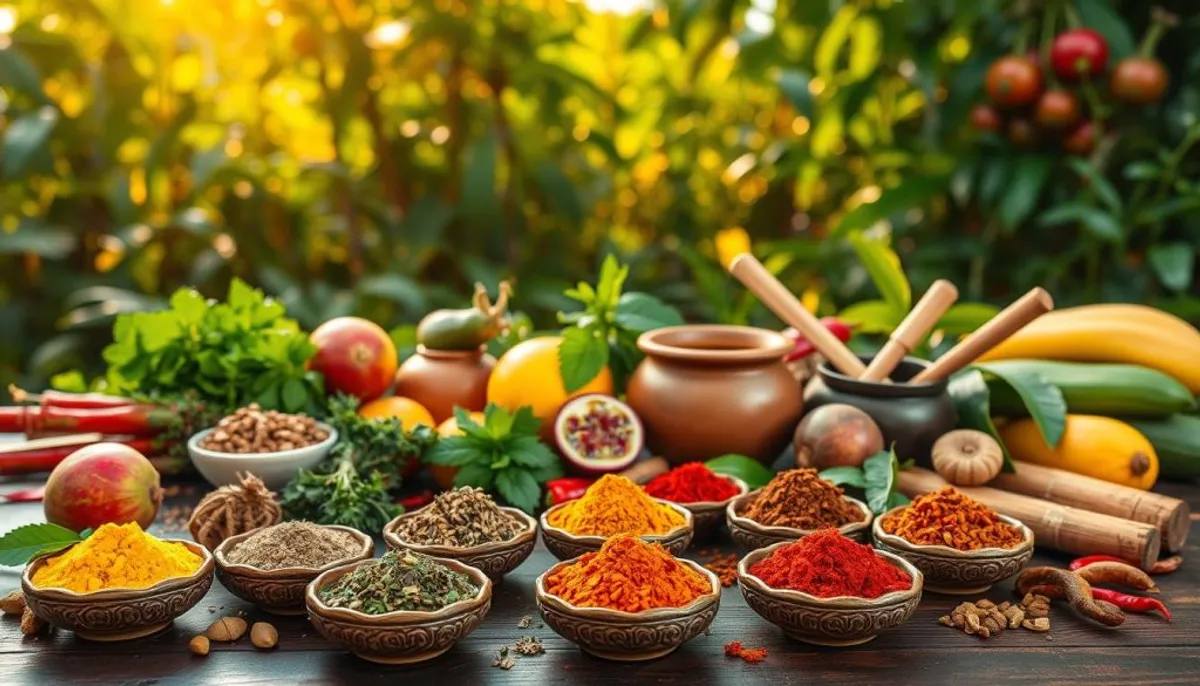
Beyond the landscapes, it is in the flavors and handmade creations that the heart of this island society beats. Cuisine and craftsmanship tell a unique story of mixing.
Oil Down and Local Delights
The oil down embodies culinary identity as the national dish. This generous stew mixes breadfruit, fish, and coconut milk.
Every time it is tasted, it tells the story of Creole influences. At the Saint George's market, rotis testify to the Indo-Pakistani heritage.
The nutmeg, queen of the spices, flavors desserts and cocktails. This island is the second largest producer in the world after Indonesia.
Traditional Craftsmanship and Unique Souvenirs
Local craftsmanship offers authentic treasures. Coral jewelry, woven baskets, and spice bottles populate the markets.
In Carriacou, wooden boat building is listed by UNESCO. This centuries-old know-how is passed down from generation to generation.
The Grenada Chocolate Festival celebrates the local cocoa every May. Workshops and tastings highlight organic agriculture.
The spices are not just export products, but the very essence of this island of flavors.
The cocoa and nutmeg define a unique sensory experience. These culinary treasures perfectly complement the local craftsmanship.
Language Policy and Educational System in Grenada
Education and language policy profoundly shape the modern face of this island nation. These areas reflect a colonial heritage transformed into tools for contemporary development.
The Official Language and Its Uses in Administration
English holds a de facto official status without formal constitutional proclamation. Only 5% of the population speaks it as a mother tongue, mainly British-origin citizens.
In administration, standard English reigns for all written communications. Parliamentary debates sometimes allow local English, but official documents maintain the standard.
The 1973 Constitution provides for language accommodations in its articles 3, 8, 15, 25, and 30. These provisions allow the use of French patois or local English during judicial proceedings.
Teaching and Transmission of Linguistic Heritage
The educational system, modeled on the British system, imposes standard English as the sole language of instruction. This approach creates a diglossic situation from primary school.
Elementary courses cover reading, writing, English grammar, and fundamental sciences. This early linguistic immersion establishes the foundations for mastering standard English.
At the secondary level, the curriculum is enriched with French, Spanish, and scientific subjects. These additional courses open students to other linguistic traditions.
For a legislative year, political candidates must prove their proficiency in standard English. This requirement institutionalizes the dominance of this language in public life.
Post-secondary institutions perpetuate this monolingual policy. Their exclusive operation in English consolidates the educational model inherited from colonial history.
The Influence of the Spice Island on Grenadian Culture
The nickname spice island is not just a simple tourist label. It reflects a profound historical and economic reality that has shaped national identity.
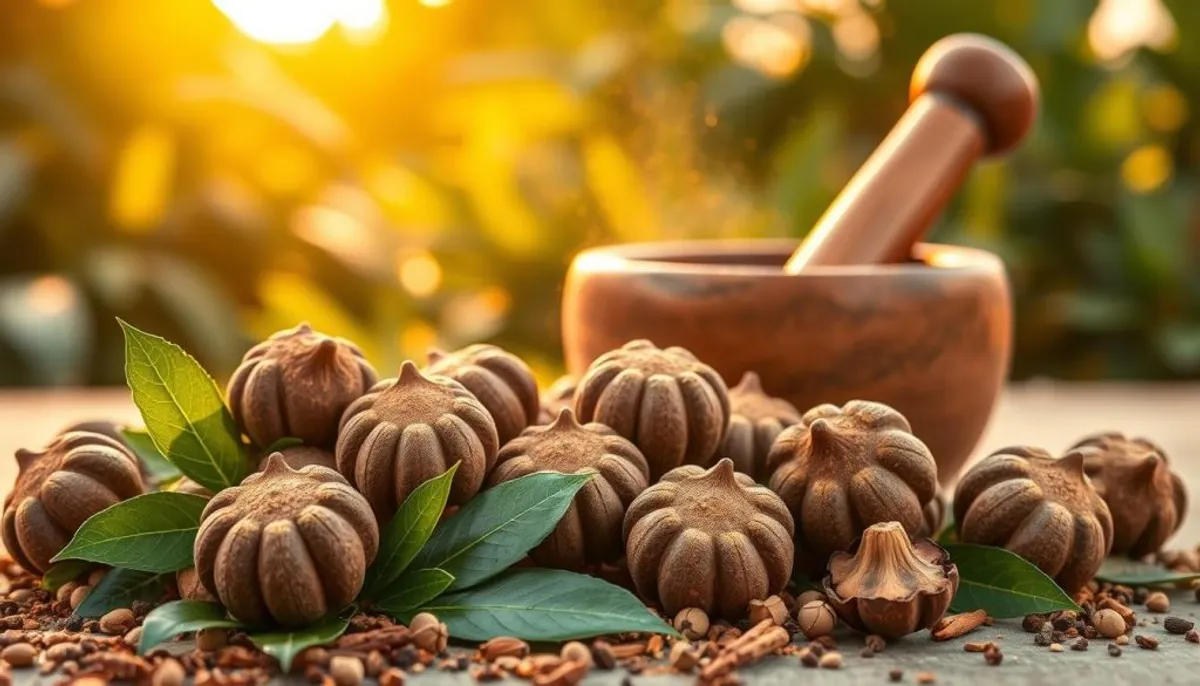
This small nation of 344 km² owes its worldwide fame to the intensive cultivation of nutmeg. Botanist Joseph Banks advised King George III to introduce this precious spice in the 18th century.
The Impact of Nutmeg and Spices on the Economy and Cuisine
Grenadian nutmeg is the second largest producer in the world after Indonesia. It even appears on the national flag, symbolizing its central importance.
Saint George's, the capital housing 30% of the population, serves as the main trading place. Its colorful market showcases freshly harvested nutmeg alongside other aromatic treasures.
Every year in May, the Grenada Chocolate Festival celebrates the local cocoa. Tastings and workshops highlight the unique terroir of this island of flavors.
Family plantations have replaced large sugar cane estates. This transition has created a more equitable social organization after the abolition of slavery.
Even in the face of natural disasters, the spice economy has demonstrated remarkable resilience. It attracts visitors from around the world who come to discover this authentic spice island.
Conclusion
In the heart of the Caribbean, Grenada demonstrates that a small nation can shine culturally far beyond its borders. This island of spices has forged a remarkable identity through a blend of African, European, and Caribbean influences.
The living traditions, from vibrant festivals to unique flavors, illustrate a culture in constant evolution. The inhabitants proudly preserve their heritage while adapting to the modern world.
The resilience of this island society offers universal lessons. The islands of the archipelago maintain a rich heritage that captivates visitors from around the world.
This island proves that a micro-nation can possess a disproportionate cultural influence. Its example inspires all Caribbean islands to celebrate their uniqueness.
FAQ
What is the most important festival in Grenada?
The Spicemas carnival, held every August, is the flagship event. It celebrates the end of slavery with colorful parades, music, and vibrant dances.
What is Grenadian patois?
It is a French-based Creole spoken by many inhabitants. This language is an integral part of the island's heritage and history.
Which dish best symbolizes local cuisine?
The oil down is the national dish! It is a savory stew cooked with coconut, breadfruit, vegetables, and often meat or fish.
Is nutmeg still important for the economy?
Absolutely! Grenada, known as the spice island, is one of the world's largest producers of nutmeg. This spice still influences the economy and culture.
What are the main musical influences?
The rhythms of calypso and soca dominate, especially during festivals. This energetic music tells stories and brings people together.
Can traditional craftsmanship be discovered?
Yes! You will find beautiful handmade souvenirs, such as woven baskets or wooden sculptures, that reflect the traditions and creativity of local artisans.