
Welcome to Saint Lucia, a gem of the Caribbean where the soul vibrates to the rhythm of a unique heritage. This island is fascinating, born from a harmonious blend of African, French, and British influences.
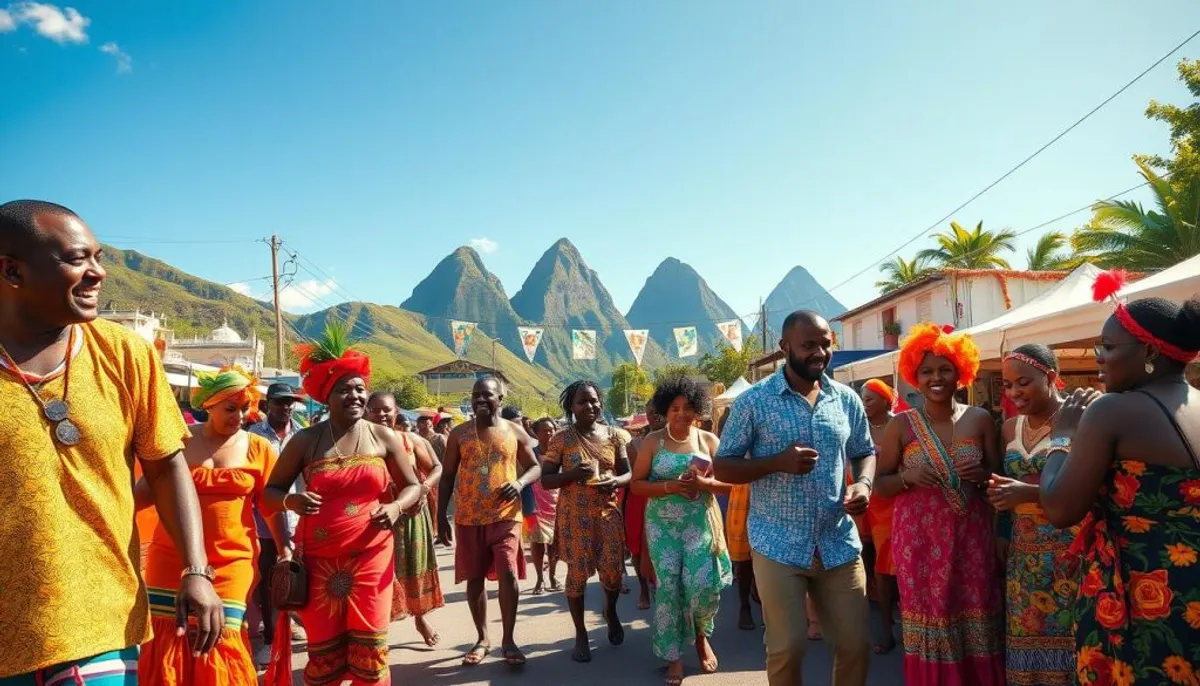
This rich history has shaped an island identity where ancestral traditions meet joyful modernity. This fusion is discovered in the features of the inhabitants, their spicy Creole cuisine, and their welcoming way of life.
The local culture expresses itself passionately through omnipresent music and colorful festivals. The literary heritage, crowned by two Nobel prizes, and preserved colonial architecture complete this exceptional picture.
Meet the Saint Lucians and dive into the heart of their authentic universe. You will be immersed in a festive atmosphere, marked by celebrations and values of sharing.
Key Points to Remember
- A unique blend of African, French, and English influences.
- An identity shaped by a tumultuous history.
- Living traditions that rhythm daily life.
- A rich cultural expression: music, festivals, gastronomy.
- A remarkable architectural and literary heritage.
- A welcoming and festive society.
- A destination for authentic immersion.
Introduction to Saint Lucian Culture
The identity of this Caribbean land is nourished by the harmonious meeting of different communities. Nearly 170,000 people populate this island, creating an exceptional human mosaic.
The majority of the inhabitants descend from African ancestors. There are also mixed-race populations (12%), Indo-Caribbean (2.5%), and Europeans. This diversity shapes the unique character of the territory.
Historical and Social Context
The current population reflects a successful blend of distinct heritages. Each group has managed to preserve its traditions while contributing to a common identity.
This peaceful coexistence is reflected in all aspects of daily life. It represents a constant source of enrichment for society.
Objectives of Cultural Exploration
A trip to Saint Lucia offers the opportunity to understand these multiple influences. Visitors can discover authentic local customs and immerse themselves in island life.
The exploration will cover colonial heritage, contemporary artistic expressions, and religious traditions. Each facet reveals a unique dimension of this captivating destination.
The History and Colonial Heritage of Saint Lucia
The past of Saint Lucia tells an epic story marked by European conquests and the resilience of its inhabitants. This island has undergone profound transformation over the centuries.
The French, English, and African Influences
Discovered by Christopher Columbus in the early 16th century, Saint Lucia quickly became a strategic stake. Between 1660 and 1814, it changed hands fourteen times during the Franco-British conflicts.
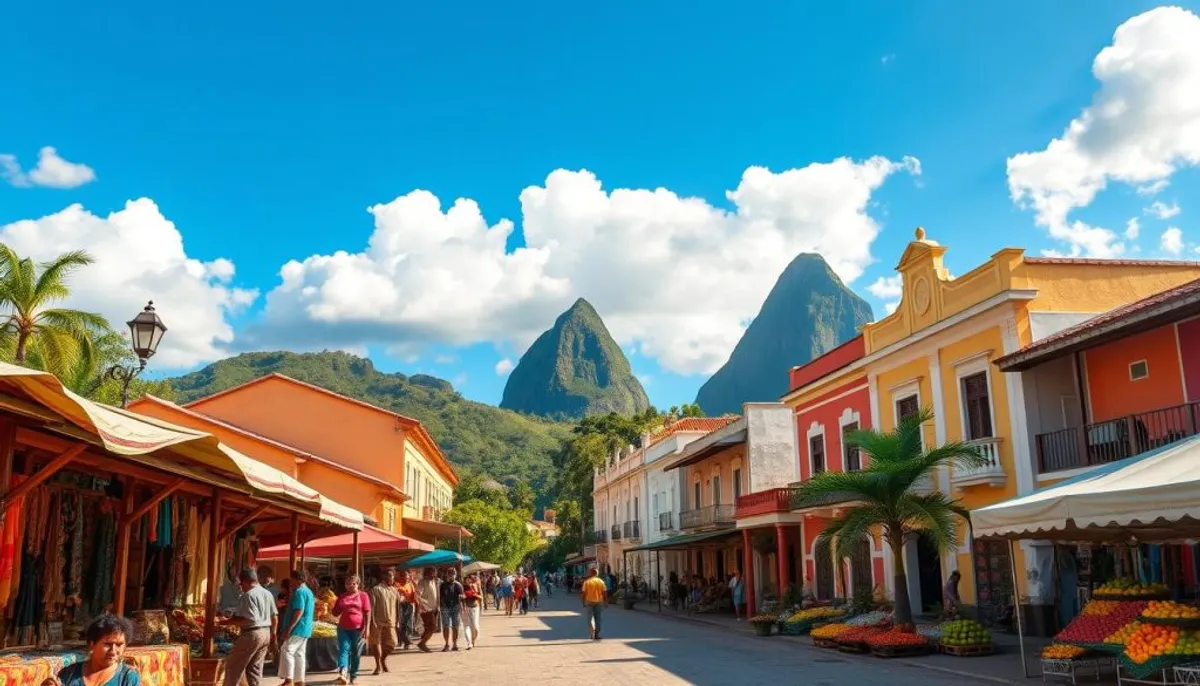
This unique colonial duality has created a double cultural heritage. The African influence, brought by the enslaved population, forms the foundation of local traditions, including elements of dominican folklore that enrich the island's cultural tapestry.
The Impact of Slavery and Independence
Slavery, abolished in 1833, profoundly marked the demographic composition. Its legacy continues to influence contemporary life through traditions and artistic expressions.
In 1979, Saint Lucia gained independence and joined the Commonwealth. This crucial year opened a new era of political development.
Today, linguistic coexistence reflects this complex history. English is the official language, while Creole remains the heart language spoken by the majority.
The Traditions and Customs of Saint Lucian Culture
The living traditions of the island are passionately expressed during the many events that punctuate the year. These celebrations represent privileged moments to discover local authenticity.
Festivals and Annual Events
The St Lucia Jazz Festival attracts international artists every May. This event highlights the Creole facet of the island.
The carnival runs from May to July. The celebration is in full swing to the frenzied rhythm of calypso.
The Rose and Daisy festivals offer a unique opportunity to dive into floral customs. These ancestral celebrations reveal lesser-known traditions.
Music, Dance, and Local Rhythms
Music is omnipresent in daily life. Reggae, soca, and calypso create a joyful atmosphere.
Every Friday evening, the streets of Gros Islet become pedestrian. Friday Nights transform the public space into a giant dance floor.
Dance represents a collective expression of traditions. Each festival becomes an opportunity for intergenerational transmission.
Saint Lucian Culture: A Melting Pot of Art, Literature, and Craftsmanship
Castries, the capital of the island, is home to cultural treasures ranging from poetry to handmade creations, including notable examples of chinese art. This creative diversity perfectly illustrates the rich artistic heritage of the region.
Literature and Tribute to Derek Walcott
Derek Walcott, born in Castries in 1930, received the Nobel Prize in literature in 1992. His poetic and dramatic work is a great pride for the island.
His epic poem Omeros adapts the Iliad in a Caribbean context. This creation offers a fascinating dive into local life through the prism of Caribbean literature.
Dunstan St Omer, considered the greatest local artist, completes this cultural panorama. His works adorn the walls of the cathedral in Castries and other religious monuments.
Local Markets and Handmade Creations
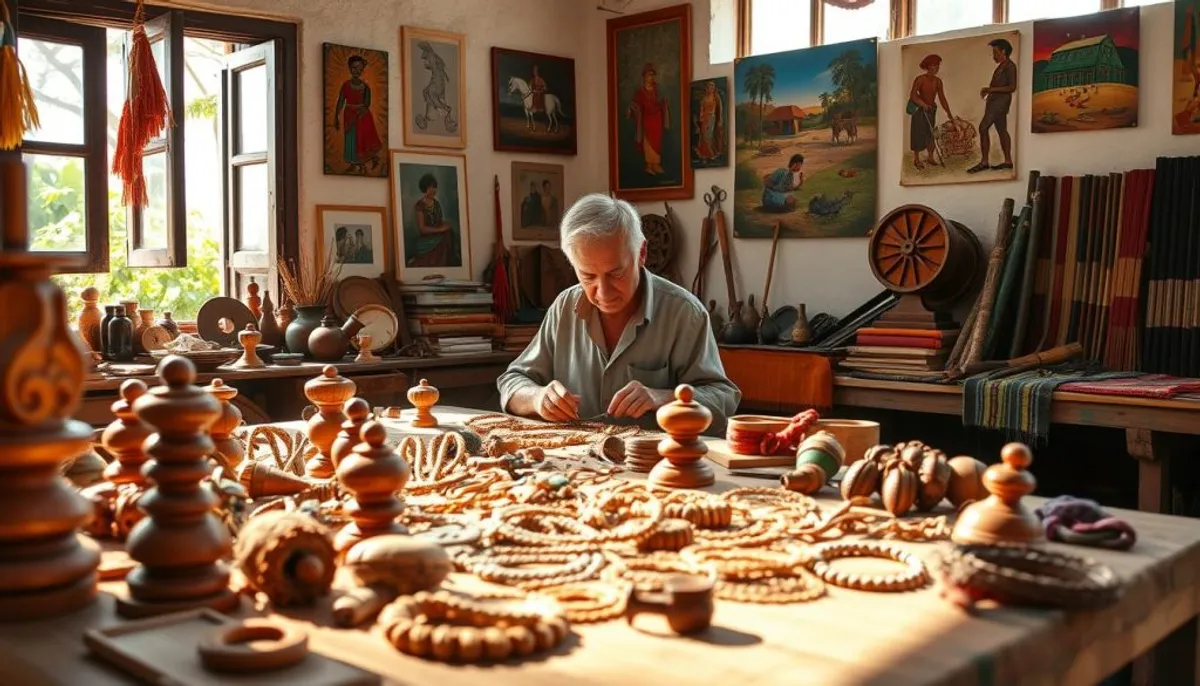
The Castries market represents a unique opportunity to discover regional craftsmanship. With its hundreds of stalls, it offers local spices and handmade items.
Artisans perpetuate ancestral know-how passed down from generation to generation, including elements of south sudanese folklore. This artistic scene evolves while remaining rooted in traditions.
| Type of Craft | Materials Used | Sales Locations | Souvenir Ideas |
|---|---|---|---|
| Colorful Textiles | Traditional Fabrics | Castries Market | Scarves, tablecloths |
| Wickerwork | Woven Willow | Local Shops | Baskets, bowls |
| Sculptures | Wood, Shells | Art Galleries | Decorative Figurines |
| Jewelry | Beads, Metals | Artisan Stalls | Necklaces, Bracelets |
These authentic creations represent perfect souvenirs to bring back from your trip. They testify to the excellence of local artisans and the vitality of art on the island.
Nature and Architecture: The Spirit of Saint Lucia
Your trip to Saint Lucia would be incomplete without exploring its natural and architectural wonders. This island offers exceptional diversity that delights all visitors.
Natural Landscapes, Hiking, and Pitons
The Pitons, emblems of the island, majestically dominate the southwest coast. Listed as a UNESCO World Heritage site, they offer memorable hikes.
The ascent of Gros Piton takes 4 to 5 hours. At the summit, a panoramic view of the entire region awaits you. The Tet Paul Nature Trail offers a more accessible 45-minute walk.
Don't miss the sulfur springs volcano, unique in the Caribbean. Its therapeutic mud and mineral waters fascinate nature lovers.
Colonial Architecture and Historical Remains
Colonial architecture withstands modern urbanization. In Castries, discover the St Joseph the Worker Parish church and Derek Walcott Square.
Pigeon Island National Park houses military remains from the Franco-British battles. These historical sites combine heritage and nature.
Meet the locals in Fond Assau to share their authentic life. The fishermen from the coastal villages perpetuate centuries-old traditions.
| Nature Activity | Duration | Difficulty Level | Highlights |
|---|---|---|---|
| Gros Piton Hike | 4-5 hours | Difficult | UNESCO Panoramic View |
| Tet Paul Nature Trail | 45 minutes | Easy | Multiple Caribbean Views |
| Visit Sulfur Volcano | 1-2 hours | Medium | Unique Geological Phenomenon |
| Beaches (Grande Anse, etc.) | Variable | Easy | Relaxation after exploration |
These varied experiences allow you to discover all the richness of this exceptional island. Each activity reveals a different facet of its natural beauty.
Conclusion
The Saint Lucian experience leaves a lasting mark on every visitor. This island harmoniously combines historical heritage, living traditions, luxembourgish cultural heritage, and spectacular landscapes.
The blending of African, French, and English influences shapes a welcoming population. This diversity is reflected in every aspect of daily life.
Every year, cultural events occupy a central place. The jazz festival in May and the grand carnival celebrations create unique opportunities for celebration.
The omnipresent music – reggae, calypso, and soca – enlivens every celebration. It gives this destination a joyful and friendly atmosphere.
Your trip to Saint Lucia represents the perfect opportunity to discover this authenticity. Each visit creates memorable memories and reveals the special place that local heritage occupies.
FAQ
What is the best time to visit Saint Lucia and discover its customs?
The month of May is ideal for a trip, as it coincides with several festivals. Every year, the feast of St. John and other celebrations animate the villages, offering a great opportunity to experience the traditions.
What music styles are popular on the island?
The local music is very eclectic! You will hear reggae, calypso, and soca. These dynamic rhythms punctuate daily life and major events, perfectly reflecting the soul of the population.
Is there an important celebration related to literature?
Absolutely! The island pays vibrant tribute to its Nobel laureate, Derek Walcott. Events and readings are organized, honoring this art of writing that makes the region proud.
How do fishermen and locals preserve their heritage?
Skills, such as traditional fishing, are passed down from generation to generation. Markets, like the one in Castries, are a central place where craftsmanship and customs remain very much alive.
Is Creole still spoken daily?
Yes, Saint Lucian Creole is very present, especially in everyday conversations. It coexists with English and is a pillar of the identity and rich culture of the island.