
Welcome to this immersion at the heart of a fascinating society from East Africa. The Maasai represent an iconic ethnic group, known for their resilience and unique heritage.
These semi-nomadic herders primarily live between Kenya and Tanzania. Their history dates back to the 15th century when they migrated from southern Sudan. The name “Maasai” literally means “those who speak maa.”
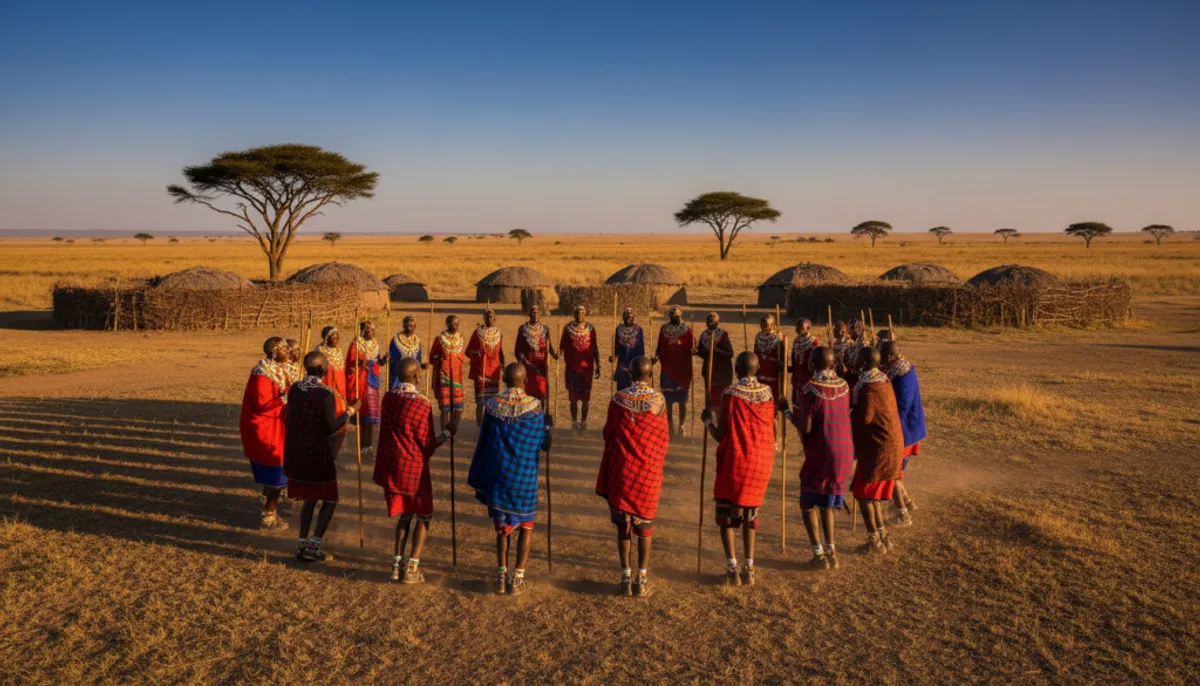
Their territory extends from the Kenyan mountains to Kilimanjaro. This article offers you a captivating journey through their ancestral practices. You will discover how this people has preserved its identity despite modern challenges.
We will explore their initiation rituals, marriage customs, and their deep relationship with nature. Their sophisticated social system and unique cosmology surrounding cattle will be revealed to you.
Every detail of their existence tells a millennia-old story. Prepare for an immersive adventure where every daily gesture reveals an exceptional cultural richness.
Key Points to Remember
- The Maasai are a semi-nomadic herding people from East Africa
- They have lived primarily in Kenya and Tanzania since the 15th century
- Their culture has managed to withstand the pressures of modernization
- Their social system is organized around age sets
- Cattle hold a central place in their cosmology
- Their relationship with nature is deeply spiritual
- Their cultural heritage remains vibrant and dynamic
Introduction to Maasai Culture
Explore the unique heritage of a community proud of its ancestral roots. This pastoral society maintains living traditions while navigating the modern world.
Overview and Objectives of the Article
Our exploration aims to offer you a respectful view of this ethnic group. You will discover how their existence is articulated between tradition and adaptation.
The proximity to the natural environment has created a fascinating model of coexistence. This harmonious relationship interests researchers from around the world.
Geographical and Demographic Context
This people occupies an exceptional territory between Kenya and northern Tanzania. The region is home to world-renowned nature reserves.
Demographic estimates vary according to sources. Nomadism and cross-border movements complicate accurate counts.
| Region | Estimated Population | Main Groups | National Parks |
|---|---|---|---|
| Kenya | 841,622 (2009 census) | Purko, Samburu | Maasai Mara |
| Tanzania (north) | Approximately 300,000 | Arusha, Baraguyu, Kisongo | Serengeti |
| Rift Valley | Significant population | Diverse groups | Multiple reserves |
The herders have obtained the right to graze their cattle in several protected areas. This coexistence with local wildlife characterizes their unique way of life.
History and Origins of the Maasai People
Discover the migratory epics that have marked the fate of this remarkable ethnic group. Their journey dates back centuries and testifies to exceptional resilience, which is an essential part of xhosa history.
Migrations and Historical Influences
This nilotic society began its great migration in the 15th century. They left southern Sudan with their precious herds. Their settlement in East Africa lasted for hundreds of years.
Oral narratives recount this fascinating odyssey. They describe how this people adapted to new territories. Their social organization has refined over time.
| Historical Period | Major Event | Territorial Impact | Social Transformation |
|---|---|---|---|
| 15th century | Migration from southern Sudan | Settlement in Kenya/Tanzania | Clanic organization |
| 19th century | Arrival of colonizers | Loss of ancestral lands | Forced adaptation |
| 20th century | Creation of national parks | Restriction on pastoralism | Gradual modernization |
Impact of Colonization and Modern Evolution
The end of the 19th century brought dramatic changes. European colonizers appropriated ancestral lands. Epidemics of cattle plague worsened the situation.
Despite these challenges, traditions have endured. This tribe has managed to preserve its unique identity. It continues to evolve in the contemporary world with wisdom.
The national parks created on their lands now represent an important issue. They illustrate the complexity of reconciling environmental preservation and ancestral rights.
Daily Life and Traditional Environment
Their existence revolves around an ingenious habitat that follows the rhythms of nature. This people has developed a lifestyle perfectly adapted to its environment.
Habitat, Nomadic Lifestyle, and Building Practices
The traditional houses illustrate remarkable architectural wisdom. They are built with locally available natural materials.
The women of the community shape these circular dwellings. They use interwoven branches covered with a special mixture.
This circular village protects the cattle from nocturnal predators. A thorny fence surrounds the central enclosure where the herds sleep.
When pastures are depleted, the camp moves. This mobility characterizes their semi-nomadic way of life.
Coexistence with Wildlife and Use of National Parks
Their relationship with wild animals fascinates observers. They coexist peacefully with the local wildlife.
The current national parks often cover their ancestral lands. Their traditional management has shaped these landscapes.
Their agricultural practices have created favorable habitats. These territories now attract tourist safaris.
This ecological harmony shows how human life and nature can coexist sustainably.
Rituals and Customs: Initiations, Marriages, and Ceremonies
At the center of their social system are ceremonies that mark important life transitions. These ancestral practices, including various sotho traditional customs, define the status of each individual within the community.
Initiation Procedures and Rites of Passage
Young boys undergo circumcision around the age of fifteen. This initiation transforms children into warriors called morans.
During the ceremony, they must show absolute courage. No sign of fear or pain is tolerated.
| Type of Initiation | Approximate Age | Duration of Period | New Status |
|---|---|---|---|
| Male Circumcision | 15 years | Several years | Warrior (moran) |
| Female Initiation | 12-14 years | Several weeks | Adult Woman |
| Life in manyatta | After circumcision | 2-10 years | Warrior Training |
Marriage, Polygamy, and Family Organization
Unions are often arranged by families. The practice of polygamy remains common among wealthy men.
Each woman has her own house in the village. This organization allows for harmonious cohabitation.
These traditions have maintained social cohesion for generations. They ensure the transmission of values to new generations.
Herding and Food Practices
At the heart of their value system, cattle represent much more than a simple economic resource. These animals embody the spiritual wealth and social status of each family.
The herds constitute the most precious heritage passed down from generation to generation. The number of cows owned directly determines social position within the community.
Milk has historically formed the basis of daily nutrition. Consumed in various forms, it provides essential nutrients to this pastoral people.
An ancestral practice involves drawing blood from young cattle without killing them. This delicate technique illustrates the deep respect for cattle.
Importance of Cattle and Milk in Maasai Life
Milk enriched with medicinal herbs constitutes the main food. The cows are considered a divine gift to protect.
This sacred relationship with animals defines their traditional way of life. The herds roam freely in the national parks.
Evolution of Dietary Habits and Ancestral Practices
The 20th century radically transformed their diet. The introduction of maize altered the nutritional composition.
Meat now represents less than 1% of the calories consumed. This evolution reflects adaptation to sedentarization.
Despite these changes, dietary taboos remain strict. Milk and meat never mix in the same meal.
Maasai Culture: Traditions, Adornments, and Artistic Expression
Traditional adornments and artistic performances reveal the symbolic richness of this people. Each decorative element carries a profound meaning within the community.
Jewelry and the Symbolism of Beads
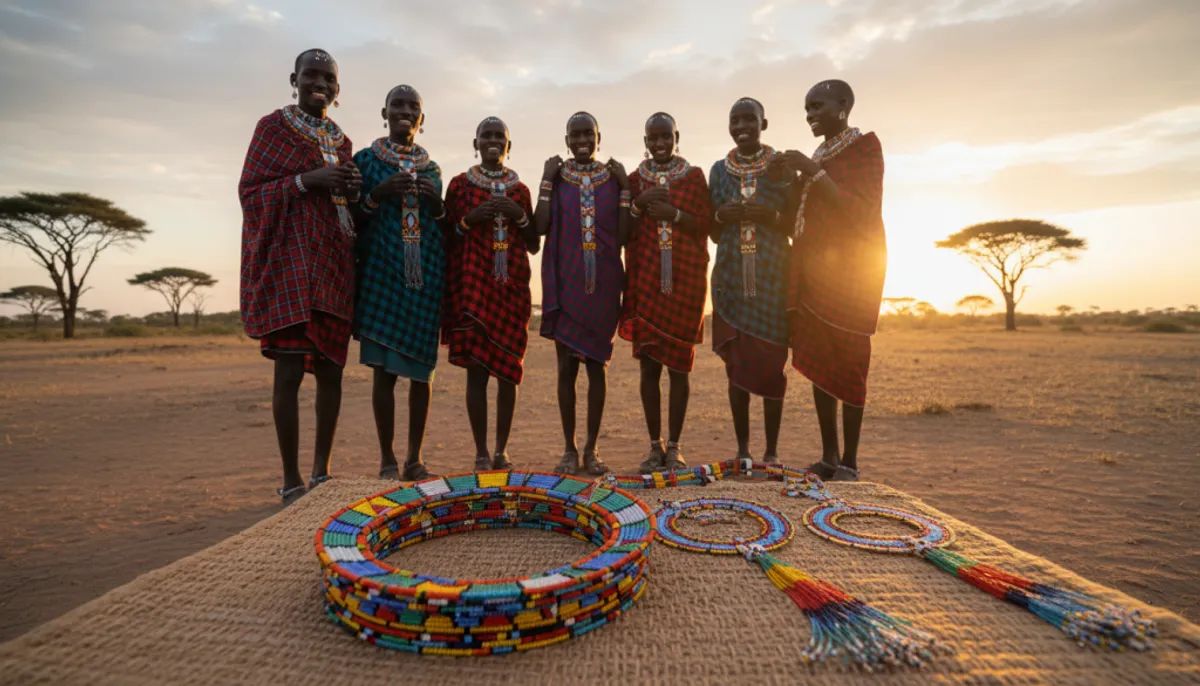
Women master a remarkable craft with beads. They create intricate jewelry that indicates social status. This art is passed down from mother to daughter in family houses.
The colors of the beads follow a precise code. Each hue represents an aspect of community life. The jewelry plays a crucial role during important ceremonies.
| Bead Color | Meaning | Main Use | Appropriate Moment |
|---|---|---|---|
| Red | Bravery, unity | Warrior adornments | Initiation ceremonies |
| Blue | Energy, sky | Women's necklaces | Weddings |
| Green | Earth, health | Daily bracelets | Village life |
| White | Peace, purity | Special adornments | Negotiations |
Ritual Dances and Traditional Clothing Styles
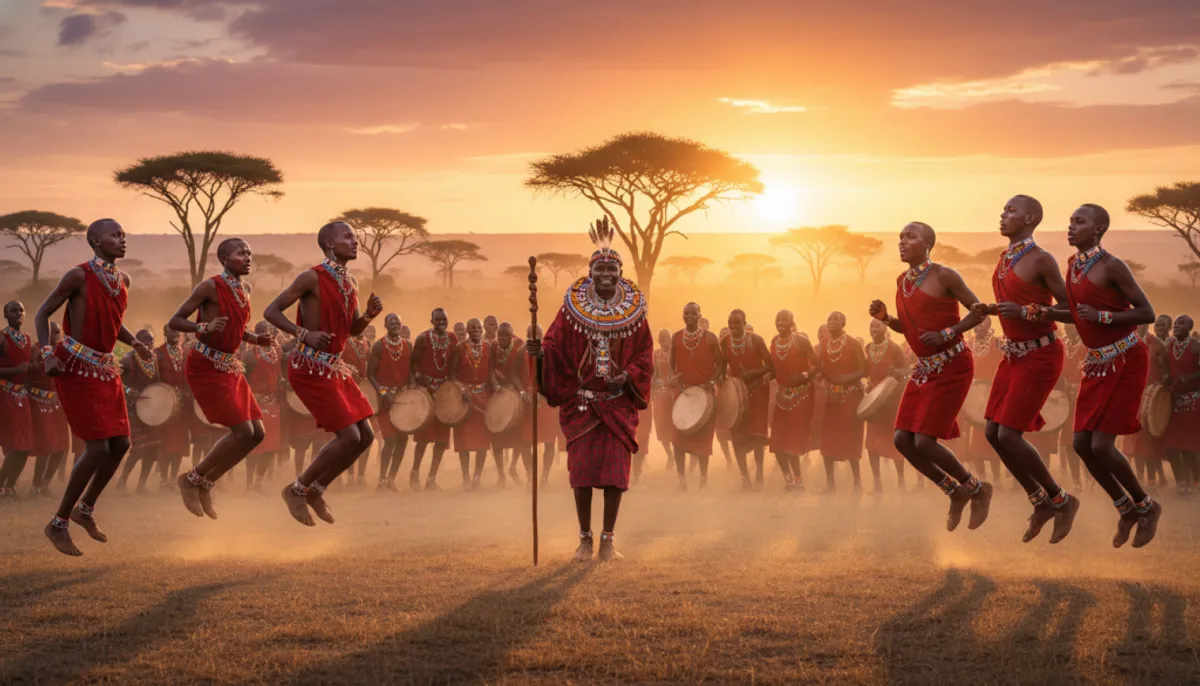
The warriors practice the famous “adumu” dance. This performance showcases their strength during ceremonies. The men jump high while keeping their feet together.
The clothing style heavily utilizes bright red. This color symbolizes courage within the tribe. Young boys learn these tswana traditions from childhood.
These artistic expressions reinforce social cohesion. They ensure the transmission of values between generations. Art remains alive at the heart of contemporary society.
Conclusion
The Maasai people find themselves today at a decisive crossroads in their history, which is intertwined with shona history. After centuries of preserving their traditions, they navigate between modernity and ancestral heritage.
Young generations have been studying abroad for several years, while seeking to maintain their identity. Their role within the community evolves over time.
Contemporary challenges threaten their precious balance. Climate change and territorial pressures in northern Tanzania demand international attention.
Safari visitors can support this unique society. By approaching their families with respect, we help preserve a way of life harmonious with nature.
The future of this people depends on their ability to reconcile tradition and adaptation. Their journey through the ages remains an inspiration for the entire world.
FAQ
At what age do boys become warriors?
Young men enter adulthood around the age of 15. They participate in an initiation ceremony. This rite of passage is very important in their society. After that, they gain the status of a warrior and can marry.
What is the role of women in the community?
Women have a central role. They take care of the children, build the houses, and manage the herds. They also create beautiful bead jewelry. Their work is essential within the family and the village.
Why is cattle so important to this people?
Cattle, especially cows, are at the heart of their way of life. They provide milk and meat. The size of the herds also defines a person's wealth and status. This ancestral practice remains fundamental.
How does their culture coexist with nature today?
They live in harmony with the environment, even near national parks. Their knowledge of wildlife is immense. Many now work as guides for safaris, sharing their traditions with the world.
What do the adornments and beads they wear symbolize?
Bead jewelry is much more than simple decoration. Each color and pattern has meaning. They express a person's age, social status, or even clan. It is a very rich form of art and identity.