
Welcome to the fascinating universe of a living heritage that pulses at the heart of South Africa. This guide invites you to explore the riches of a community that has profoundly marked the history of this rainbow nation.
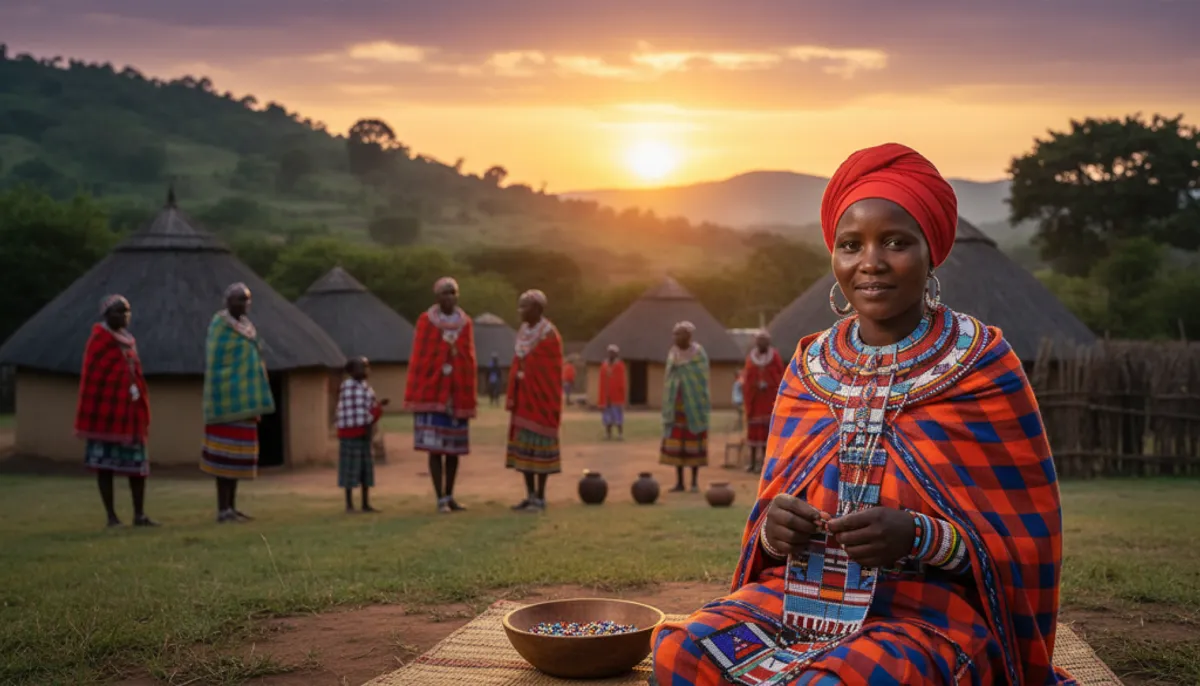
The people we are talking about, the amaXhosa, number around 8.2 million individuals. They primarily reside in the eastern part of the country, particularly in the Eastern Cape province. Their language, isiXhosa, is famous for its unique sounds.
Despite historical trials, this community has preserved its unique identity. It has also given the world iconic figures such as Nelson Mandela and Desmond Tutu. Their legacy continues to influence the daily lives and social values of millions of people.
We will discover how these ancestral traditions, based on the Ubuntu philosophy and ancestor worship, have traversed the centuries. This journey will reveal universal lessons about resilience and the importance of community.
Key Points to Remember
- The Xhosa are a major ethnic group in South Africa, with a population of about 8.2 million people.
- Their presence is primarily concentrated in the Eastern Cape province.
- They have given birth to globally recognized personalities such as Nelson Mandela and Desmond Tutu.
- Their language, isiXhosa, is recognizable by its characteristic clicks.
- Their cultural heritage is rich in spiritual traditions and a strong communal philosophy.
- This culture has managed to withstand historical challenges while influencing modern South African society.
Xhosa Culture: A Historical and Living Heritage
Discover the foundations of a society whose linguistic and spiritual heritage fascinates with its richness. This culture rests on solid pillars that have endured through the centuries.
Identity and isiXhosa Language
Identity begins with language. Each name reveals a specific relationship: “amaXhosa” refers to the entire people, “umXhosa” to an individual, and “isiXhosa” to the language itself.
The language is distinguished by its characteristic clicks. These unique sounds, inherited from the Khoisan peoples, give a particular musicality to communication.
Values, Beliefs, and Ancestral Spirituality
The Ubuntu philosophy guides relationships within the community. “I am because we are” summarizes this humanistic vision of interdependence.
This population of 8.2 million practices remarkable religious syncretism. Christianity and ancestral beliefs coexist harmoniously.
The oral traditions, rich in tales and proverbs, convey collective wisdom. Ancestor worship maintains a sacred link between generations.
History and Origins of the Xhosa People
The historical epic of this community, which includes the history of the sotho, dates back centuries of migrations that have shaped its unique identity. Their journey begins in the African Great Lakes region.
Migrations and Formation of Identity
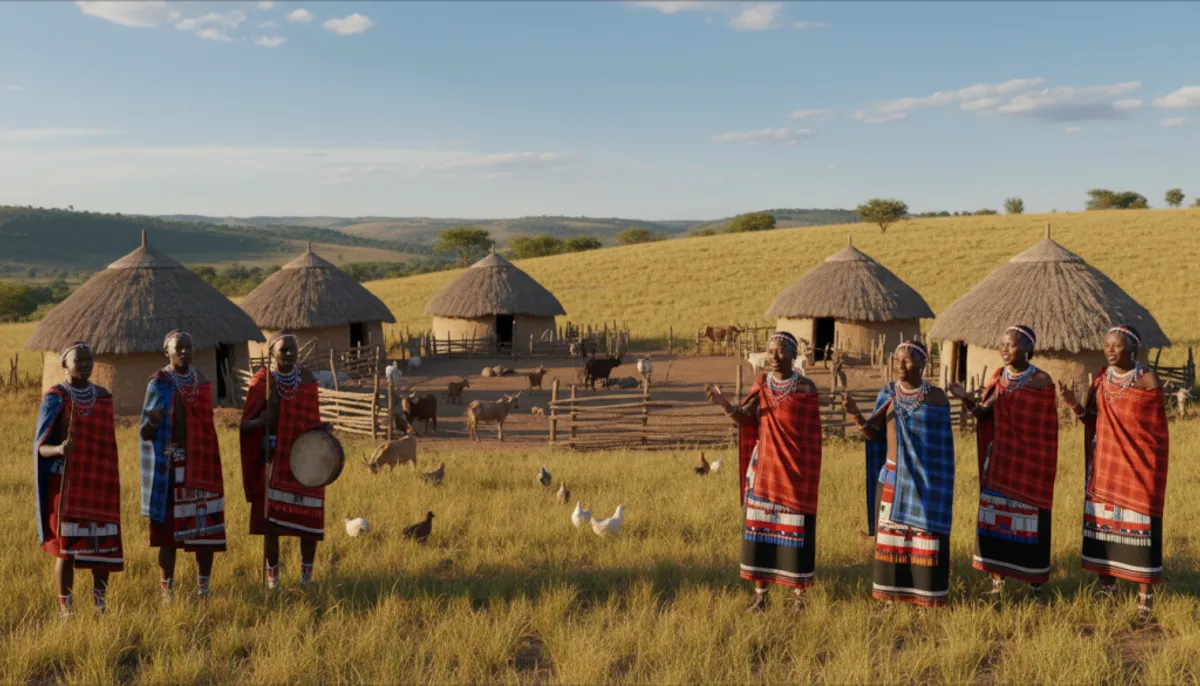
The Nguni ancestors undertook a long migration to the south several centuries ago. This epic journey gradually led them to present-day South Africa.
During these movements, they interacted with the indigenous Khoisan peoples. This encounter enriched their linguistic and cultural heritage.
Colonization, Frontier Wars, and Resistance
When Dutch settlers arrived in the 17th century, the people were already well established. This forced coexistence would trigger over a century of conflict.
The Cape Frontier Wars pitted this population against British and Boer settlers. The struggle for land and resources caused immense losses.
The tragic episode of the Nongqawuse prophecy in 1856 marks a turning point. The destruction of cattle, a central element of wealth, leads to devastating famine.
The 20th century brings apartheid and the creation of bantustans unrecognized by the international community. Resilience ultimately triumphs with democratic reintegration in 1994.
Rituals and Traditions: Rites of Passage and Ceremonies
Over generations, unique ceremonial practices have shaped individuals' life paths within their social group. These sacred moments transform children into responsible adults, reflecting the rich traditional cultures of botswana that influence various aspects of life.
Initiations and Traditional Ceremonies
The ulwaluko represents the fundamental male rite. Young men spend several weeks in isolation. They undergo physical trials and receive spiritual teachings.
For young women, the umgidi celebrates the transition to maturity. This ceremony prepares for marriage and family responsibilities. It reinforces the values passed down by the elders.
“A people without traditions is a tree without roots”
Ancestor Worship and Spiritual Practices
The worship of amadlozi (ancestors) structures spiritual life. Regular rituals maintain the link between generations. The population honors its deceased through offerings and prayers.
The amagqirha (healers) play a crucial role in this community. They diagnose illnesses and prescribe natural remedies. Their wisdom connects the physical and spiritual worlds.
| Ceremony | Participants | Duration | Main Objective |
|---|---|---|---|
| Ulwaluko | Young men | 4-6 weeks | Transition to adulthood |
| Umgidi | Young women | 2-3 days | Preparation for marriage |
| Umtshato | Entire families | Several days | Marriage union |
The traditional marriage (umtshato) unites two families. The lobola (bride price) symbolizes respect for the bride's family. These traditions preserve a precious cultural heritage.
Traditional Cuisine, Music, and Craftsmanship
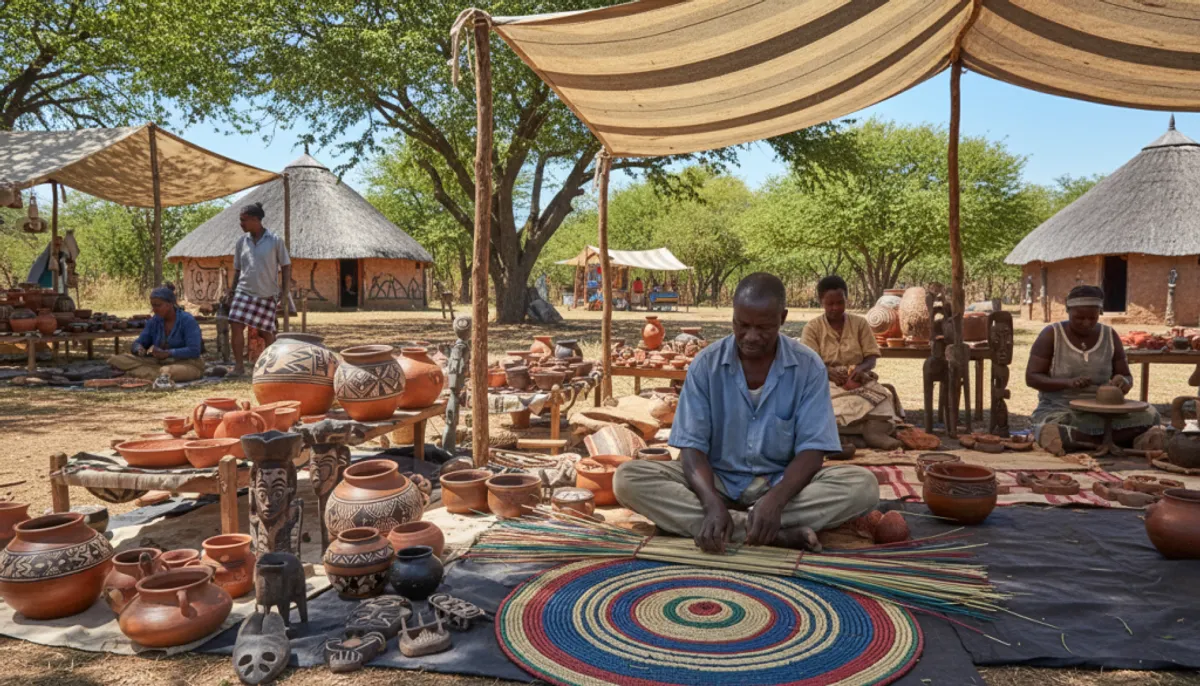
The art of living is fully manifested through culinary, musical, and artisanal creations. These daily expressions tell the story of a community proud of its heritage.
Authentic Flavors and Culinary Specialties
The table reflects a deep connection to the land. Dishes like umngqusho (corn and beans) symbolize this savory simplicity.
amasi (sour milk) and umleqwa (free-range chicken) complement this authentic cuisine. Each recipe conveys ancestral know-how.
Songs, Dances, and Artistic Expressions
The music enchants with the polyphonic imbube songs. The Uhadi (musical bow) and flutes create vibrant atmospheres.
The Umxhentso dance, reserved for women, celebrates life transitions. These graceful movements strengthen collective identity.
| Artistic Expression | Characteristic Elements | Context of Use | Social Significance |
|---|---|---|---|
| Traditional Music | A cappella singing, Uhadi instruments | Ceremonies, celebrations | Oral transmission |
| Umxhentso Dance | Graceful movements, rhythmic beats | Rites of passage | Femininity and community |
| Bead Craft | Symbolic colors, geometric patterns | Everyday adornments | Social and marital status |
The artist Thandiswa Mazwai embodies this creative vitality. She merges traditions with modern sounds, proving the longevity of this heritage.
Contemporary Culture and Current Challenges
The modern face of this community reveals a remarkable adaptation to contemporary realities. This demographic and social transformation has accelerated since the end of the 20th century.
The people now number around 8.2 million, representing 12.4% of the South African population. This significant growth from the 5 million recorded in the 1990s is accompanied by massive urbanization.
Impact of Urbanization on Ancestral Practices
Modern economic integration represents both a success and a challenge. This group has become the most urbanized among the Bantu communities in South Africa.
This evolution finds its roots at the end of the 19th century. The London Missionary Society introduced European agricultural techniques, enabling survival on reduced territories.
Current challenges are numerous. Unequal access to education and youth unemployment have reached concerning levels. The transmission of traditions to new generations becomes complex.
| Contemporary Challenges | Emerging Opportunities | Impact on the Community |
|---|---|---|
| Erosion of Traditions | Responsible Cultural Tourism | Heritage Preservation |
| Youth Unemployment | Entrepreneurial Programs | Economic Development |
| Public Health Issues | Local Health Initiatives | Improvement of Well-being |
Innovative solutions are emerging throughout the south of the country. Cultural tourism attracts visitors from around the world, creating income while valuing the unique heritage.
Conclusion
Beyond terrestrial boundaries, the heritage of the Xhosa shines to the far reaches of the universe. The asteroid (1506) bearing their name symbolizes this cosmic recognition.
This rich culture has given South Africa iconic figures like Nelson Mandela and Desmond Tutu. Their Ubuntu philosophy continues to inspire our world.
Ancestral rites, including those involving sacred cattle, are passed down with pride. These practices keep a precious heritage alive.
The younger generations navigate skillfully between modernity and igbo customs. They thus preserve the unique identity of their community.
By discovering this wisdom from the south of Africa, we enrich our human understanding. Every people carries universal lessons about our shared humanity.
FAQ
What is the role of cattle in Xhosa society?
Cattle, particularly bovines, occupy a central place. They symbolize wealth, social status, and are essential for bride prices (lobola) and important ceremonies. They represent a living link with the ancestors.
How does spirituality and ancestor worship manifest in daily life?
Spiritual practices are very present. Ancestors (izinyanya) are regarded as guides. Prayers and offerings are made to them for protection and guidance, creating a bridge between the visible and invisible worlds.
What are the main rites of passage for a young Xhosa man?
The initiation (ulwaluko) is a crucial moment. It marks the transition to adulthood. This traditional ceremony, which includes circumcision, is deeply rooted in customs and shapes masculine identity.
Is isiXhosa still widely spoken today?
Absolutely! isiXhosa is one of the official languages of South Africa, spoken by millions of people. It remains an essential pillar of identity, notably known for its famous clicks.
How do Xhosa traditions adapt to modern urban life?
It is an exciting challenge. The community finds a balance. While urbanization alters some habits, core values, key ceremonies, and respect for elders persist, demonstrating the resilience of this heritage.