
Welcome to a journey to the heart of Southern Africa, meeting a people with a millennial heritage. The Shonas form a major community, numbering about 13 million people. They primarily live in Zimbabwe, where they make up the vast majority of the population.
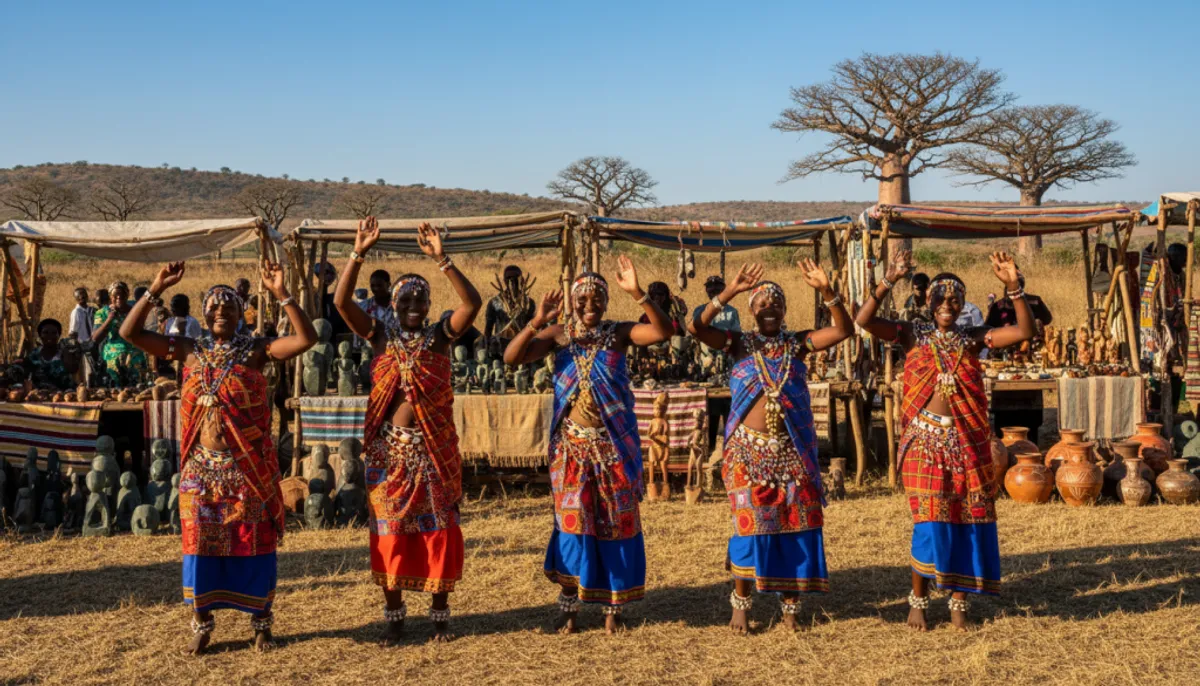
Their identity is strongly expressed through their language, Shona. This Bantu language unites millions of speakers. It is the living breath of their customs and worldview.
Their heritage is of extraordinary richness. It manifests through monumental architecture, renowned sculpture art, and enchanting music. Their social organization and ancestral agricultural practices testify to a harmony with their environment.
Key Points to Remember
- The Shona people are a majority group in Zimbabwe, numbering around 13 million people.
- Their language, Shona, is a Bantu language central to their cultural identity.
- Their cultural heritage is rich and diverse, including architecture, sculpture, and music.
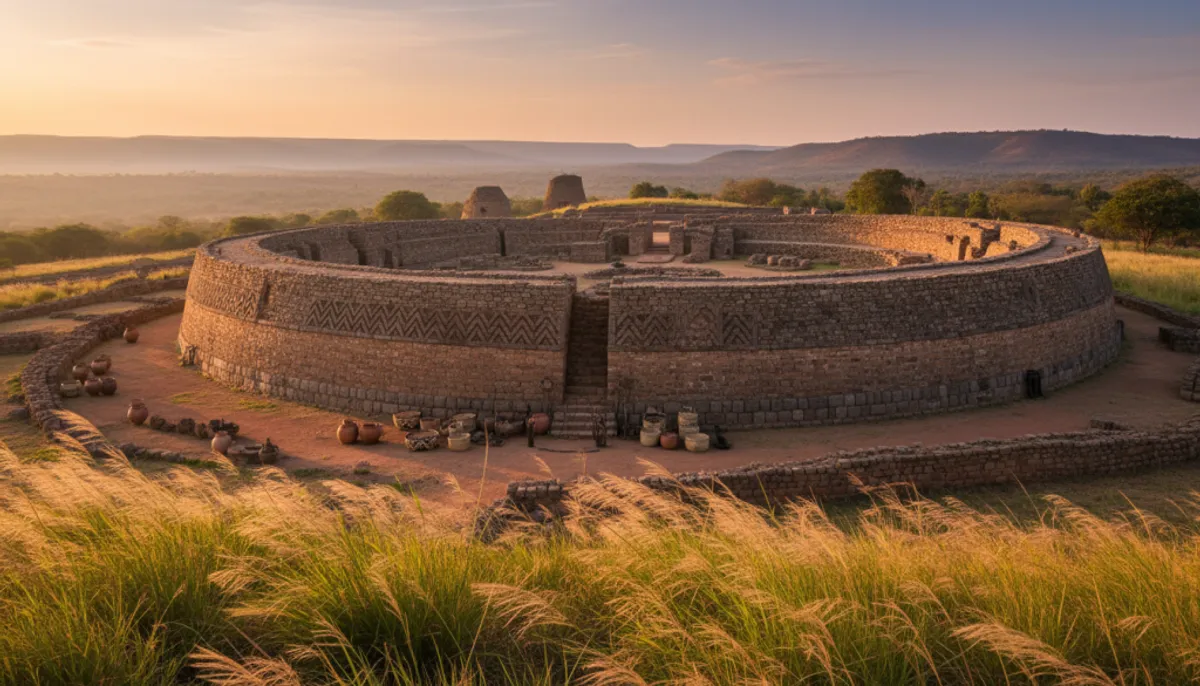
- The name “Zimbabwe” originates from a Shona expression meaning “great stone houses.”
- Their traditional social organization is based on agriculture and livestock farming.
- Their traditional spiritual beliefs coexist with Christianity.
Origins and History of Shona Culture
The foundations of this society were established as early as the 8th century with remarkable achievements. The first communities established sophisticated trade networks.
The Early Communities and Historical Foundations
From the 8th century, the ancestors developed a civilization organized around agriculture and mining. They extracted iron, copper, tin, and gold using advanced techniques.
Textiles represent another important economic activity. Artisans use tree bark and cotton to create fabrics. This economic diversity reflects a society that was already complex.
The Legacy of Shona Kingdoms and Civilizations
In the 16th century, the Portuguese discovered the empire of Monomotapa, a powerful state. This empire controlled trade routes to the East African coast.
The kingdom of Butua became predominant under the reign of King Changamira. This ruler imposed his will on the Portuguese in the 17th century. His reign marks the height of political power.
| Period | Major Event | Lasting Impact |
|---|---|---|
| 8th century | Foundation of the Kingdom of Zimbabwe | Development of regional trade |
| 16th century | Empire of Monomotapa | Significant territorial expansion |
| 17th century | Reign of King Changamira | Resistance against the Portuguese |
| 19th century | Nguni invasions | Political transformation |
Great Zimbabwe, a UNESCO World Heritage Site since 1986, symbolizes this rich heritage. Its granite structures testify to the architectural genius of this civilization.
Artistic Expression and Stone Sculptures
A creative revolution emerged in the mid-20th century in Zimbabwe. This unique artistic movement transformed stone sculpture into a form of international expression.
The Birth of Shona Art and Its Pioneer Sculptors
Frank McEwen played a fundamental role in this beginning. This Englishman established a modern art museum in Harare in the 1950s.
He encouraged young artists to work freely. Among the early talents were John Takawira, Bernard Matemera, and Brighton Sango.
In 1987, Newsweek described this movement as the most important of the century in Africa. These sculptures draw inspiration from local traditions.
The Evolution Towards Contemporary Art and the Use of Serpentine
Serpentine became the emblematic material. This stone is extremely hard and offers unlimited creative possibilities.
A second generation of artists then emerged. They explored abstraction and universal themes.
The work of these creators gained global recognition. Major exhibitions celebrated this exceptional art.
Beliefs, Rituals, and Cultural Practices
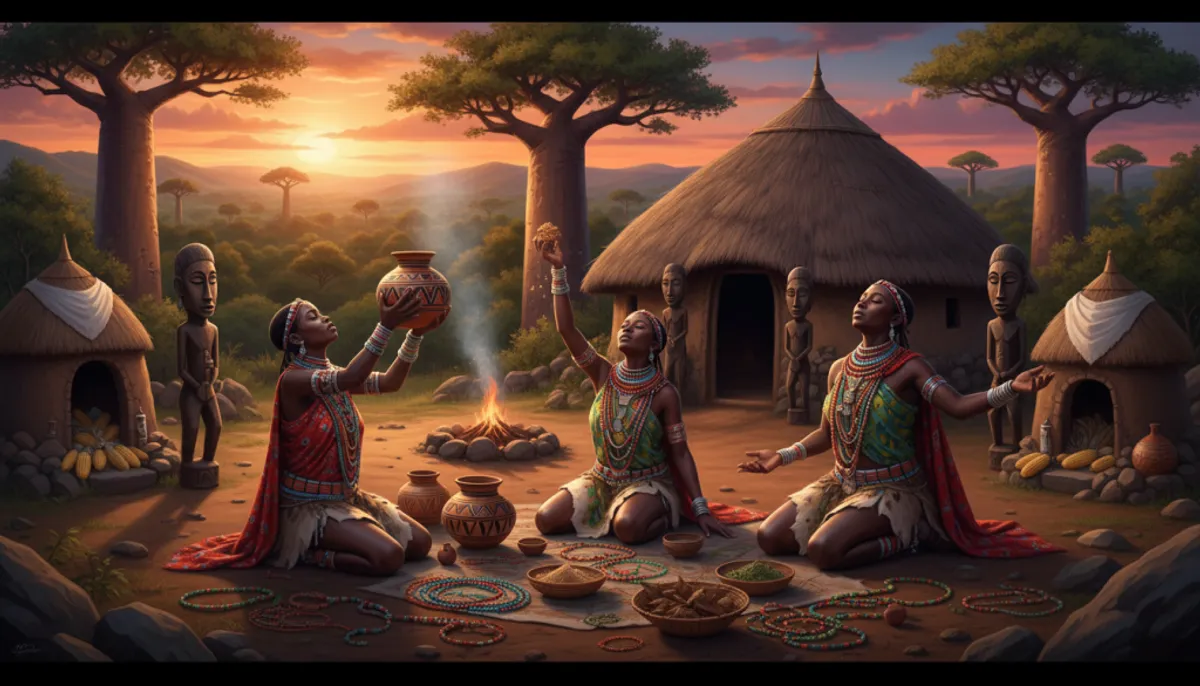
The contemporary spiritual practices of the people reveal a fascinating syncretism between Christianity and ancestral traditions. This harmony demonstrates a remarkable ability to adapt while preserving a millennial heritage.
Ancestor Worship, Totemism, and Ancestral Symbols
The totemic system, called mutupo, has structured social organization for centuries. Up to 25 totems identify clans, representing animals or body parts.
People sharing the same ancestral symbol are considered descendants of a common ancestor. They cannot marry each other, a fundamental rule that guides alliances.
Music, Dance, and Traditional Instruments
The mbira, an ancient lamellophone instrument, symbolizes musical identity. Its rhythmic work accompanies ceremonies and celebrations.
The Mbende Jerusarema dance, practiced by the Zezuru, has been recognized by UNESCO since 2005. This lively artistic expression testifies to the vitality of traditions.
Funeral Rituals and Social Meanings
During burials, only people of the same totem can initiate the ceremony. This rule applies even if they come from different tribes, strengthening transregional ties.
Leaders must know the complete history of their totem group before their swearing-in. This oral transmission ensures the continuity of collective memory.
Conclusion
At the heart of Southern Africa, this millennial tradition shines today more than ever. The Shona people are a fundamental pillar of Zimbabwe, profoundly influencing the identity of this country.
Their exceptional heritage combines ancient history, living spirituality, and artistic creativity. This culture has demonstrated a remarkable ability to adapt over the centuries.
International recognition testifies to its universal value. UNESCO World Heritage Sites and globally acclaimed sculptures are proof of this.
We invite you to further explore this fascinating tradition. It offers a unique window into the riches of contemporary Africa.
FAQ
Where can we see Shona artworks today?
Many galleries and museums, such as the National Museum of Zimbabwe in Harare, showcase these magnificent sculptures. Contemporary artists also continue to create and exhibit their works around the world.
What type of stone is primarily used for sculptures?
Artists often use serpentine, a very hard rock available in several colors in Zimbabwe. This material allows for detailed work and very smooth, shiny finishes.
Do the Shona people speak a single language?
Shona is indeed the main language, but there are several dialects depending on regions and groups, such as Karanga or Zezuru. These variants enrich the oral tradition.
Are ancestral beliefs still alive?
Absolutely! Ancestor worship and spiritual beliefs remain very important in the daily lives of many people. They influence rituals, music, and even the inspiration of sculptors.
When did stone sculpture art experience significant growth?
A major artistic movement emerged in the 1950s. Creators like Joram Mariga played a pioneering role, gaining recognition for this art well beyond the country's borders.