
Welcome to this exciting adventure through the artistic and social expressions that unite our planet. We set out to discover how local traditions engage with the international scene, creating a rich and complex fabric.
This exploration reveals how each community contributes to a dynamic network. Constant exchanges redefine our understanding of identity and heritage, reminiscent of Fernand Braudel's work on global systems.
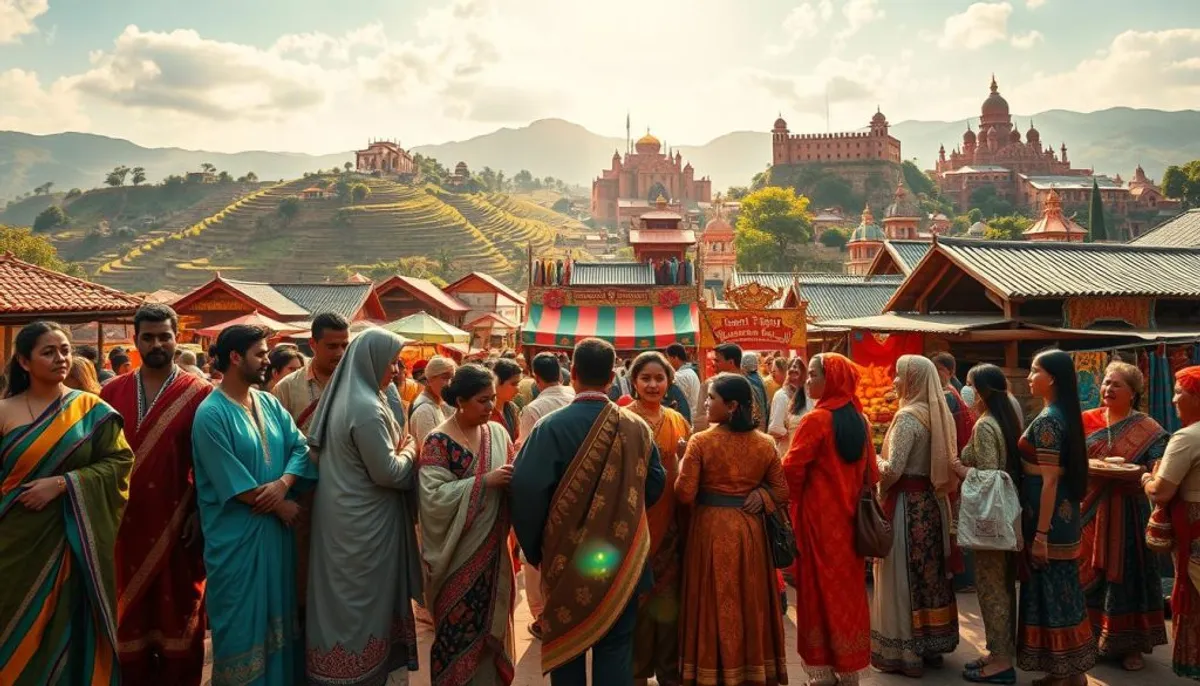
Understanding these mechanisms becomes essential for grasping the transformations of our time. Festivals, museums, and artistic movements actively participate in this collective construction of a vibrant contemporary landscape.
This approach helps us understand how traditions and modernity intertwine to shape our current society. Human history shows us that these dialogues have always been at the heart of civilization development.
Key Points to Remember
- The world culture represents a dynamic network of international exchanges
- Local traditions maintain their importance while fitting into a global context
- Cultural institutions play a central role in these interactions
- This approach helps to understand contemporary social transformations
- Cultural diversity enriches our understanding of the world
- Artistic exchanges promote dialogue between communities
Understanding the concept of world culture
Let’s explore the intellectual roots of an innovative approach to relationships between societies. This vision helps us grasp how local expressions fit into a global framework.
Defining the notion and its historical evolution
The concept of world culture finds its inspiration in Fernand Braudel. The French historian developed the idea of world economy to describe interconnected systems.
Applied to artistic and social exchanges, this approach shows how each local modification influences the entire network. It transcends the opposition between homogenization and fragmentation.
Cultural networks through time
Human history reveals that exchanges have existed for centuries. Trade routes, migrations, and diplomatic contacts have always served as vectors.
These interactions create bridges between different communities. They allow the circulation of ideas and artistic practices.
| Historical Period | Type of Exchanges | Impact on Societies | Concrete Example |
|---|---|---|---|
| Antiquity | Trade routes | Diffusion of techniques | Silk Road |
| Middle Ages | Religious pilgrimages | Artistic exchanges | Gothic architecture |
| Modern Era | Maritime expeditions | Intercultural encounters | Columbus and the Americas |
| Contemporary Period | Digital technologies | Instant connectivity | Global social networks |
Today, each country contributes to shaping this global landscape. Local innovations enrich the heritage of all humanity.
This dynamic creates a permanent dialogue between tradition and modernity, thus enriching football culture. It transforms our understanding of the diversity of human expressions.
The traditions that shape our societies
Traditions act as fundamental pillars that shape our collective identities. They traverse time to connect generations and define what makes each community unique.
Rituals and historical heritage in various countries
The history of Réunion shows how migrations create unique traditions. An exhibition in November at the Stella-Matutina Museum reveals the journey of the 164,000 contracted workers who arrived between 1828 and 1938.
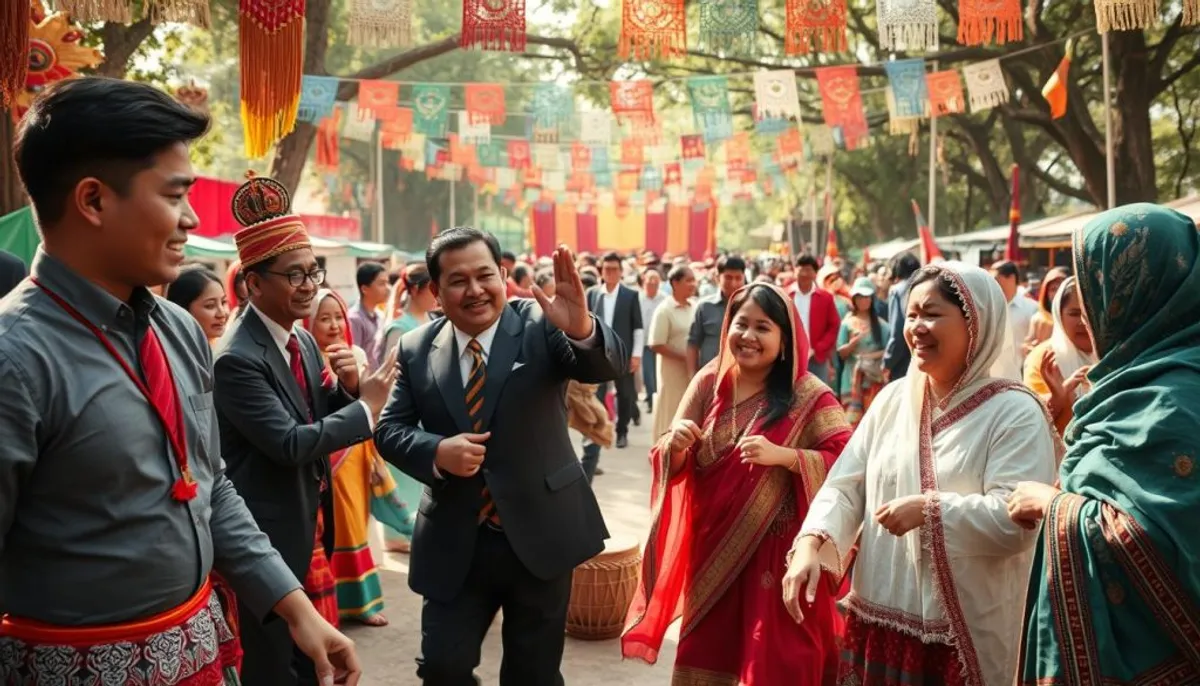
These populations from India, Africa, and Comoros have contributed to shaping Réunion's heritage. Their legacy illustrates how encounters between different groups enrich local practices.
The role of ceremonies in cultural transmission
Rituals structure collective life by marking important milestones. Births, weddings, and other events create shared reference points that strengthen social cohesion.
Unfortunately, some traditions become instruments of control. In Afghanistan since November 2021, women have faced drastic restrictions limiting their participation in social life.
Despite these challenges, ceremonies remain privileged moments for intergenerational transmission. They allow elders to share their knowledge with younger generations.
The question of preservation arises acutely in our era of globalization. Young people must navigate between inherited legacies and external influences, particularly from Ardèche, sometimes creating new hybrid expressions.
Cultural diversity and global exchanges
Contemporary cultural exchanges open fascinating windows into human diversity. They create bridges between communities and allow us to discover how each society adds its unique color to our shared heritage.
The meeting of local and global practices
The Guimet Museum in Paris offers a remarkable exhibition in November on Japanese manga art. “Manga. A whole art!” reveals how this popular form fits into a long Asian artistic tradition.
This exhibition brilliantly demonstrates how a contemporary expression dialogues with ancient arts. It illustrates the ability of works to transcend borders and eras.
Initiatives and projects for intercultural exchanges
The festival A Weekend in the East is an exciting project for artistic exchanges. Each year in Paris, it invites a city from the former Soviet bloc to share its creative scene.
The November 2025 edition will highlight Bucharest and its vibrant artistic life. The French audience will discover how this capital develops a unique way of life.
The MuCEM in Marseille will also present an exhibition on Don Quixote in November. This character created in the 17th century continues to inspire artists from all countries.
These initiatives show that the cultural market can be a space for authentic creation and dialogue, enriching our understanding of human diversity and trock culture.
Political, social, and economic issues in culture
The artistic and heritage sphere is currently at the heart of major political and economic tensions. These challenges reveal how governmental decisions and market realities directly influence creative expressions.
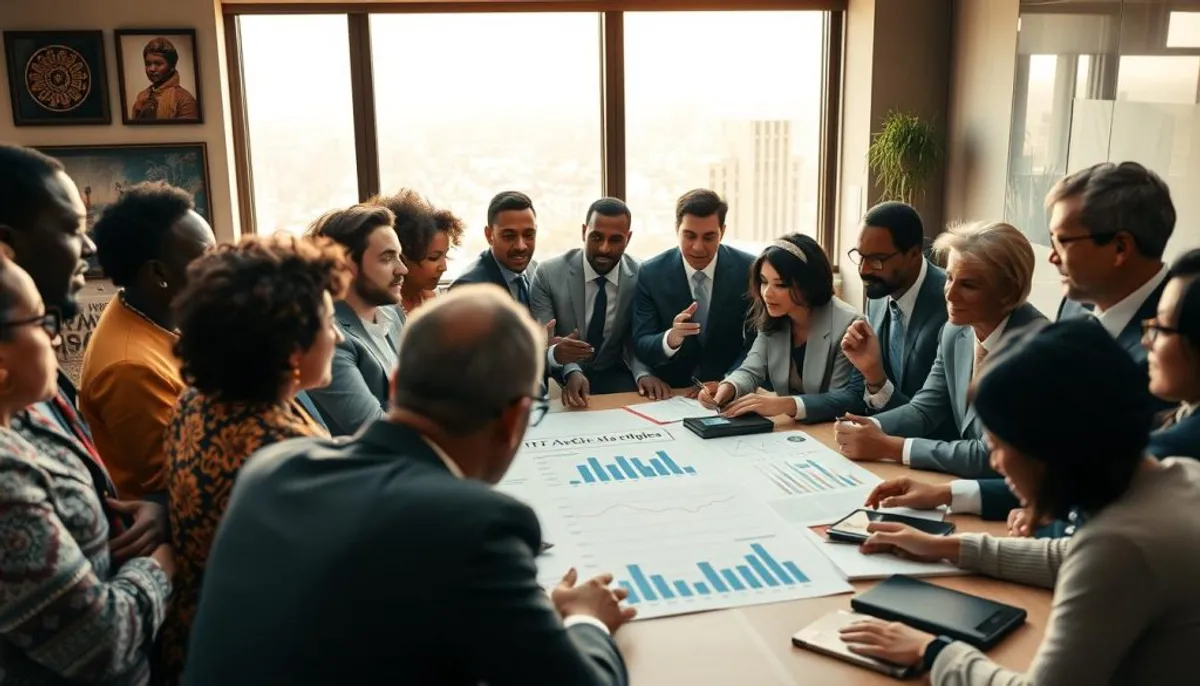
The impact of migration policies and reforms on heritage
The issue of migration policies profoundly affects artistic life. In the UK in November, a reform of asylum law marks a repressive turning point.
This situation faced with pressure from the far-right impacts communities and their expressions. Women often remain at the center of these tensions between tradition and modernity.
The restitution of the Abomey treasure to Benin in 2021 illustrates these political issues. After 129 years, this symbolic victory enhances the prominence of this African country.
The dynamics of the cultural market and societal rivalries
The development of museums in the Arab world over the past twenty years shows how politics and market intersect. These institutions sometimes serve as national showcases.
The crisis of the Angoulême Festival in November reveals deep tensions. The boycott by authors and the abandonment by publishers jeopardize the 2026 edition.
These situations raise fundamental questions about the place of creators. The group of artists must face sometimes contradictory commercial logics.
Creation, innovation, and new forms of expression
The contemporary creative landscape is undergoing a fascinating metamorphosis where tradition and innovation meet. Today's artists explore new paths while engaging with the heritage of the past.
Contemporary art as a vector of evolution
In November, David Hockney exhibits his version of the Annunciation in the sacristy of Santa Maria Novella in Florence. This work creates a bridge between the Renaissance and current art, showing how contemporary creation enriches itself through dialogue with history.
Alice Diop presents “The Journey of the Black Venus” in Bobigny this same month. The filmmaker draws from her own life to create an engaged work, illustrating how artists face modern challenges by inventing new forms of expression.
Digitalization and technology in the service of culture
Warner Music Group signs in November an agreement with Udio, an AI music generation service. This project plans for 2026 the integration of voices of well-known artists into artificially generated songs.
Pedro Winter, producer of Daft Punk, emphasizes the importance of patience in this moment of rapid transformation. “Not rushing the steps” remains essential at the heart of technological upheavals.
The rapper Disiz releases in November “We Won't Remember”, marking his transformation into a “singer”. His album features Theodora and Laurent Voulzy, demonstrating how genres evolve in the current music market.
Conclusion
This reflection on global artistic interactions leads us to essential observations. We are living in a moment in history where traditions and technological innovations create new forms of expression.
The examples from November – from restitutions in Benin to international exhibitions – showcase the diversity at the heart of our humanity. This richness deserves protection against homogenizing trends.
The issue of exchanges between countries remains linked to political and economic challenges. Migrations, the art market, and creators' rights require collective solutions.
In this eventful November, let us remember that everyone can contribute to this artistic world. Supporting creators, including famous writers, and defending diversity ensures a bright future for our shared expressions.
FAQ
What exactly is world culture?
It is a concept that describes the interconnection of different traditions and practices on a global scale. It emerges from the constant exchanges between countries, creating a shared cultural landscape while valuing diversity.
How do traditions influence our daily lives?
Traditions, such as family rituals or national holidays, give meaning to our collective history. They shape our identity, including our French identity, and strengthen bonds within each social group.
What is the impact of globalization on local cultures?
Globalization creates a fascinating encounter between the local and the global. It can threaten certain practices, but it also offers opportunities for new projects of creation and enriching exchanges.
How does politics affect cultural heritage?
Political decisions, such as immigration laws or budgets allocated to creation, have a direct impact. They can protect or, conversely, weaken heritage in the face of societal changes.
How does technology transform cultural expression?
Digitalization opens an exciting moment for innovation. It allows for new forms of art, makes culture more accessible, and provides a platform to give voice to new voices, particularly those of women artists.