
Let's go back to the 90s, a prosperous decade for electronic music. A new and catchy sound took over Europe. This sound is that of the German group Culture Beat.
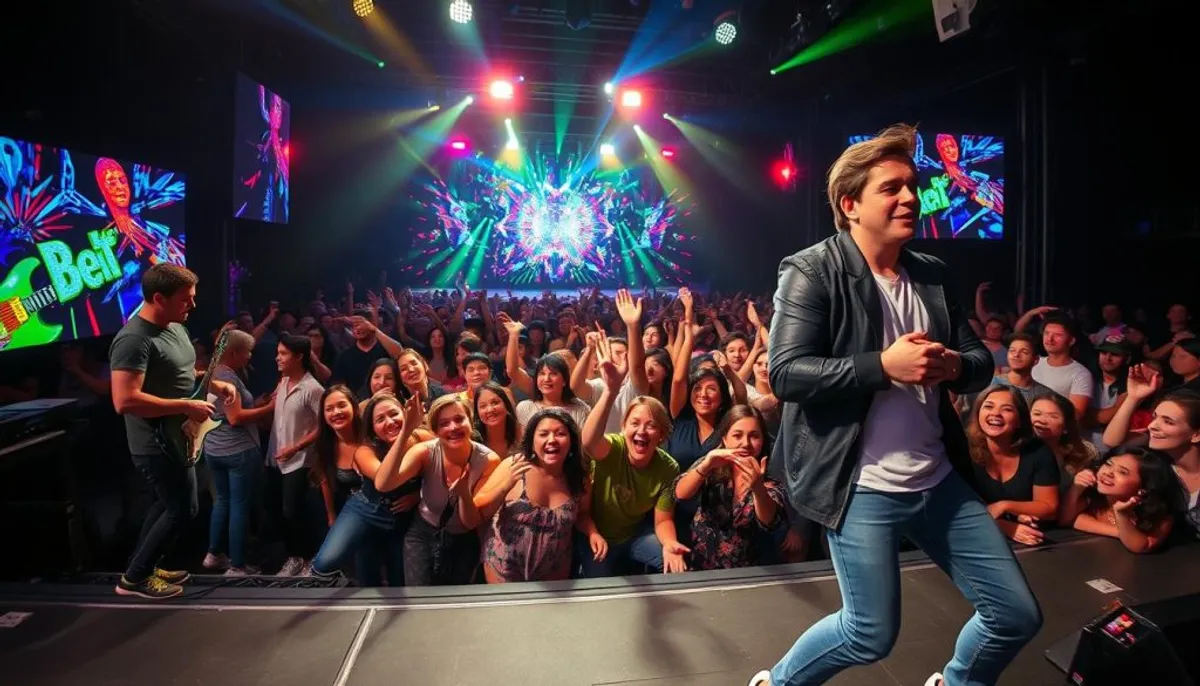
The adventure began in 1989 in Frankfurt. The visionary DJ Torsten Fenslau is the mastermind behind this ambitious project. His goal? To create dance music accessible to everyone, transcending languages and borders.
The formula of Torsten Fenslau works wonderfully. It mixes electronic productions, powerful vocals, and energetic rap passages. This unique blend quickly defines the eurodance sound.
The success is lightning-fast and global. The group has sold over 10 million records. Their most famous track, the single “Mr. Vain,” released in 1993, becomes an anthem. It reaches the number one spot in eleven countries.
The story of this formation is marked by immense success, but also by tragic moments. Despite the premature passing of its founder, Torsten Fenslau, the group's legacy endures. It continues to inspire dance music enthusiasts.
Key Points
- Culture Beat is a German eurodance group formed in 1989.
- The founder, Torsten Fenslau, was a renowned DJ from Frankfurt.
- Their unique sound combines electronic, singing, and rap.
- They have sold over 10 million records worldwide.
- Their single “Mr. Vain” was number one in many countries in 1993.
- Their influence on the 90s music scene is significant.
- Their legacy continues to inspire new artists and fans.
Origins and Genesis of Culture Beat
The Culture Beat project was born from a shared vision among three friends passionate about the German electronic scene. Torsten Fenslau, with his experience at the famous Dorian Gray club, teamed up with Jens Zimmermann and Peter Zweier to create something new.
From Frankfurt to the First Dance Floors
Their first single “Der Erdbeermund” in 1989 immediately showcased their international ambition. The group released versions in English and French, deliberately targeting an audience beyond German borders.
Shortly after, Torsten Fenslau recruited American rapper Jay Supreme and German singer Lana Earl. This mixed vocal formation became the signature of the emerging eurodance sound.
The Visionary Role of Torsten Fenslau
Torsten Fenslau proved to be a true musical architect. His intuitive understanding of dancefloors, acquired over years behind the turntables, guided every production.
The tracks “I Like You” and “No Deeper Meaning” enjoyed a promising success in the Netherlands and Canada. Although their first album “Horizon” did not achieve the expected success, these early years laid the solid foundations for their future global explosion.
The Global Rise and Impact of Eurodance
At the heart of the eurodance explosion, a strategic vocal change propelled Culture Beat to global recognition. The arrival of British singer Tania Evans created an exceptional vocal chemistry with rapper Jay Supreme.

The “Mr. Vain” Phenomenon and Its Musical Revolution
The single “Mr. Vain” released in January 1993 instantly became a generational anthem. The combination of Tania Evans' powerful voice and Jay Supreme's energetic flow created a unique dynamic.
This track reached number one in 13 different countries. With 4.5 million copies sold, it became the best-selling single in Europe in 1993.
International Successes and Sales Records
The album “Serenity” confirmed global success with over 2 million copies sold. Subsequent singles like “Got To Get It” replicated this exceptional performance.
The visionary Torsten Fenslau directed these productions until his tragic accident in November 1993. His brother Frank then took over the leadership of the group to honor his musical legacy.
The multiple certifications of “Mr. Vain” testified to the international impact of this German musical formation.
The Behind-the-Scenes and Iconic Members of the Group
The behind-the-scenes of Culture Beat reveal a succession of remarkable vocal talents and producers. This German formation has undergone constant evolution since its beginnings in 1989, enriched by various influences, including Italian history which has left a mark on eurodance music.
Tania Evans, Jay Supreme, and the Legendary Duo
The partnership between Tania Evans and Jay Supreme represents the creative peak of the group. Their collaboration from 1993 to 1997 produced the greatest international hits.
The chemistry between Tania Evans' powerful voice and Jay Supreme's energetic flow created a unique alchemy. This complementarity defined the characteristic sound that conquered global dancefloors while inspiring trends like culture tops.
Line-up Changes and Their Influence
After Tania Evans' departure in 1997, Kim Sanders took over until 1999. This transition marked a new era for the formation.
The original production team included Torsten Fenslau, Jens Zimmermann, Peter Zweier, and Juergen Katzmann. Their collective expertise sculpted the sonic identity of the project.
| Member | Role | Period | Major Contribution |
|---|---|---|---|
| Lana Earl | Singer | 1989-1993 | Early years of the group |
| Tania Evans | Singer | 1993-1997 | International successes with “Mr. Vain” |
| Jay Supreme | Rapper | 1989-1997 | Distinctive vocal signature |
| Kim Sanders | Singer | 1997-1999 | Post-Evans era transition |
| Jacky Sangster | Singer | 2001-present | Continuity of the project |
These changes reflect the adaptability of Torsten Fenslau's original concept. Each new configuration preserved the musical DNA while integrating new influences.
The Rich and Varied Discography of Culture Beat
The musical production of the German group reflects a constant evolution through four major studio albums. Each opus represents a distinctive stage in their artistic journey.

Cult Albums: Horizon, Serenity, Inside Out
The first album Horizon (1991) under the direction of Torsten Fenslau established the stylistic foundations of the trock culture. Although commercial success was modest, it contained promising tracks.
Serenity (1993) remains the definitive work of the group. This cult album benefited from the refined productions of Torsten Fenslau and the exceptional vocal performances of Tania Evans and Jay Supreme.
The album generated several successful singles like “Got To Get It” and “Anything.” Each track had its own identity while maintaining overall coherence.
Inside Out (1995) marked a transition after the death of Torsten Fenslau. Despite the difficult circumstances, the album maintained a remarkable level of quality.
Compilations, Remixes, and International Versions
The group released several compilations including “The Remix Album” (1994). This collection offered alternative versions of their greatest hits.
The multiple international versions demonstrated the global ambition of the project. Each adaptation catered to the specifics of different music markets.
The compilation “Best of Culture Beat” (2003) provided a complete retrospective. It gathered all the essential singles from their career.
The Legacy of Culture Beat in Dance Music
Beyond charts and record sales, the musical imprint left by the group continues to resonate. The institutional recognition received in 1994 marked a decisive turning point.
The Influence on the 90s Scene and Today
In 1994, Culture Beat won the prestigious ECHO award for Best German Artist Abroad. Torsten Fenslau was also honored as Best Producer of the Year.
These awards legitimized eurodance as a serious musical genre. The vocal formula created by Tania Evans and Jay Supreme became a standard emulated by many artists.
Tours, Revivals, and New Remixes
In 2003, to celebrate the tenth anniversary of Mr. Vain, a new version titled Mr. Vain Recall was created. Performed by Jacky Sangster, it reached 7th place in Germany.
The group continues to perform at revival events with Jacky Sangster and MC 4T. These performances keep the flame of eurodance alive around the world.
| Year | Event | Recognition | Impact |
|---|---|---|---|
| 1994 | ECHO Awards | Best German Artist Abroad | International Legitimization |
| 1994 | ECHO Awards | Best Producer for Torsten Fenslau | Recognition of Production |
| 2003 | Mr. Vain Recall | 7th place in Germany | Reactivation of Success |
| 2003-present | Revival Tours | International Performances | Endurance of the Legacy |
The influence of Kim Sanders and Juergen Katzmann also contributed to building this collective legacy. Each member added their stone to the musical edifice.
Conclusion
The journey of this German group perfectly illustrates the magic of international dance music. Culture Beat marked its era with a unique formula that transcends generations while integrating elements of Western modernity.
The vision of Torsten Fenslau, supported by collaborators like Peter Zweier, created a sound recognizable among all. Their musical approach proved that electronic music could touch a wide audience.
The iconic duo formed around Jay Supreme and the various singers brought timeless tracks to life. Their chemistry on stage and in the studio remains memorable.
More than thirty years after their first successes, the legacy of Culture Beat continues to inspire. Current covers and performances keep this important chapter of musical history alive.
FAQ
Who are the founding members of Culture Beat?
The group was created by producer and DJ Torsten Fenslau in Frankfurt. The iconic singers who carried their greatest hits are Jay Supreme and Tania Evans.
What is Culture Beat's biggest hit?
The track “Mr. Vain” is their global success. This single topped the charts in many countries in 1993 and remains an anthem of eurodance.
Have there been changes in the group's lineup?
Yes, after the departure of Jay Supreme and Tania Evans, other artists like Lana Earl and Juergen Katzmann joined the group for subsequent albums, such as “Inside Out.”
What are the most famous albums of Culture Beat?
Their most well-known albums are “Horizon,” “Serenity,” and “Inside Out.” They contain hits like “Got to Get It” and many remixed versions.
Does their music still influence artists today?
Absolutely! The energy and productions of Culture Beat marked the 90s and continue to inspire the current dance scene, with regular reissues and remixes.