
Do you want to diversify the income of your farm and strengthen its sustainability? The choice of plant productions is a key decision for any farmer looking to adapt. This comprehensive guide examines options, whether they are traditional or more innovative, to meet the current needs of professionals.
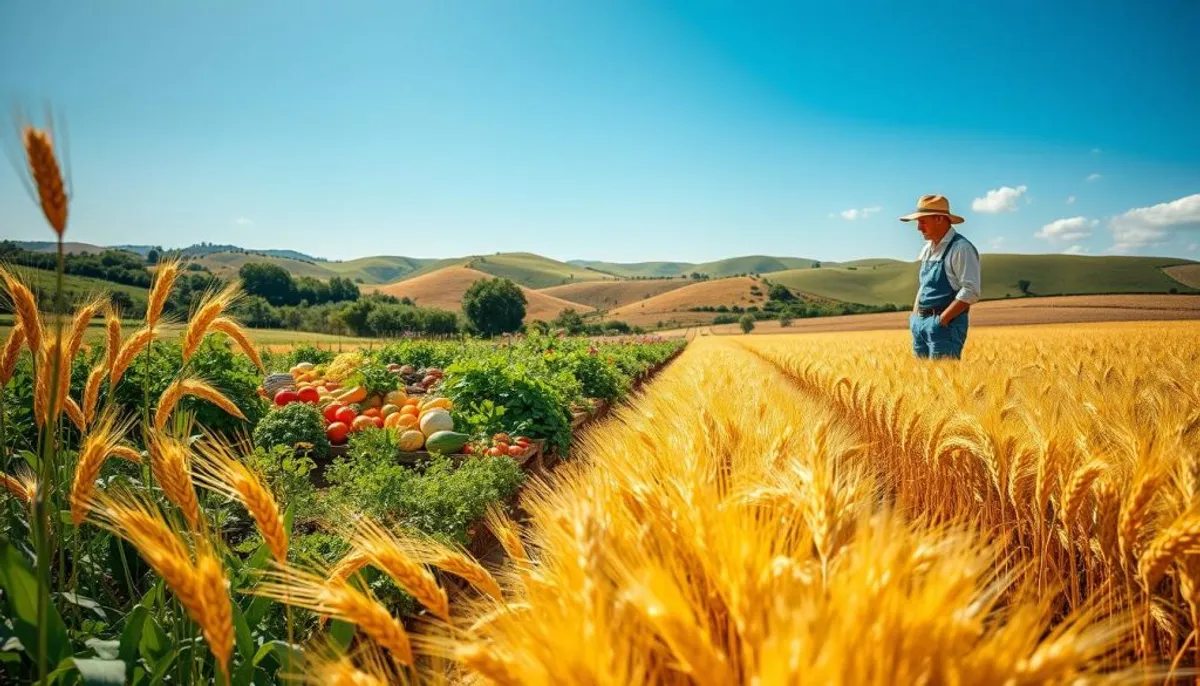
Climate challenges and changing market expectations make this choice even more strategic. It is about ensuring the profitability of your farm while protecting your land and making the best use of your resources. A good selection is fundamental for the future.
Many emerging productions today open up promising outlets. These new sectors concern food, bio-construction, cosmetics, and bioenergy. They create exciting opportunities for producers.
The French agricultural landscape is transforming with the emergence of these new sectors and the rediscovery of traditional plants. This allows operators to position themselves in high-value niche markets.
We support you in your reflection. This guide presents the economic and agronomic advantages of each option. You will find testimonials from experienced farmers and expert advice for a successful transition.
Key Points to Remember
- The choice of productions is strategic for profitability and sustainability.
- Adapting to climate and market changes is essential.
- Emerging crops offer outlets in various promising sectors.
- French agriculture is evolving with new high-value sectors.
- A successful transition requires an analysis of economic and agronomic advantages.
- Feedback from other farmers is a valuable aid.
- Adapting to the local context is a key success factor.
Introduction to the World of Diverse Crops
The contemporary agricultural landscape is undergoing an unprecedented metamorphosis. Recent years have profoundly transformed practices and mindsets in the sector.
The evolution of consumption habits creates a growing demand for local and sustainable products. Farmers are responding to these new market expectations.
In this changing context, crop diversification becomes an essential strategy. It allows for better risk distribution and stabilizes income.
| Trend | Impact on Agriculture | Opportunities Created |
|---|---|---|
| Demand for local products | Development of short supply chains | Enhancement of regional productions |
| Environmental awareness | Adoption of sustainable practices | Organic and eco-responsible markets |
| Technological innovations | Optimization of yields | New promising sectors |
This dynamic opens exciting prospects for operators. French agriculture is thus reinventing itself day by day.
The Advantages of Traditional and Alternative Crops
Combining ancestral know-how and new plant species represents a winning approach for farmers. This mixed strategy optimizes the resilience of the farm while preserving technical achievements.
Economic and Agronomic Advantages
The economic advantages are numerous. Income diversification reduces dependence on a single production and protects against market fluctuations.
Agronomically, alternating species improves soil structure. It naturally limits diseases and promotes better yields.
Examples of Successful Rotations and Practices
Bertrand Patenôtre cultivates 176 hectares with a highly diversified rotation. His crop rotation includes about ten different species each year.
This approach ensures excellent quality of harvests. It demonstrates how the complementarity of crops becomes a sustainable strategic asset.
Which Crop: Integrating Legumes for Quality and Yield
Faced with the question of production choices, legumes represent a particularly interesting solution. These plants offer significant economic and environmental advantages for your farm, especially within the framework of immigration in France.
Integrating these species into your rotation simultaneously improves agronomic quality and profitability. You thus reduce your dependence on nitrogen inputs while optimizing your yields.
Soy: Ease of Establishment and Protein Benefits
Soy represents a remarkable option due to its ease of establishment. Bertrand Patenôtre confirms that this production requires few interventions while providing consistent results.
Yields have remained between 28 and 32 quintals per hectare for the past four years. The harvest requires no drying, as the seed naturally has less than 14% moisture.
Economically, selling prices reach €350/t for animal feed and €425/t for human consumption. The demand for non-GMO French soy is experiencing sustained growth.
Lupin and Peas: Optimizing Autonomy and Profitability
Lupin allows for the production of proteins at a lower cost with an easy-to-manage following wheat crop. This combination optimizes the crop rotation.
For Séverin Gauvin, a dairy farmer, protein peas offer a solution for protein autonomy. With yields reaching 50 quintals per hectare, this crop reduces purchases of imported meal.
These legumes naturally enrich the soil with atmospheric nitrogen. They enable savings of between 80 and 150 units of nitrogen for the following crop.
The balance between agronomic quality and economic performance makes legumes a strategic choice. The favorable market conditions for these productions meet current market challenges.
The Influence of Soil, Climate, and Cultivation Techniques
The success of your crops relies on a fine understanding of the interactions between your soil, the local climate, and your cultivation practices. These three elements determine the potential of each plant species on your farm. To stay informed about developments in this field, consult the news on cycling in Herblay.
Soil Preparation and Direct Seeding: Keys to Success
Soil preparation is a decisive step. Certain crops like sorghum require a fine and non-clumpy seedbed to ensure good germination.
Direct seeding represents an interesting technique, but its application depends on the structural quality of your land. Philippe Lion successfully grows his sorghum using direct seeding thanks to the excellent structure of his soils.
Adapting Crops to Local Conditions
Adapting to local conditions is fundamental. Sorghum requires warmer soils than corn and should not be sown before May 10 in Southern Touraine.
Each plant has specific thermal requirements. Hops are sensitive to high heat, while miscanthus remains vulnerable to water stress.
Small-sized seeds, such as those of sorghum, require special attention. Surface work under poor conditions can seriously compromise the emergence of this crop.
Your crops may be limited by certain types of soils such as hydromorphic or stony lands. A prior analysis can avoid many disappointments.
Sustainable Production and Optimized Resource Management
Sustainable management of natural resources is becoming an essential pillar for modern farms. This approach aims to reduce dependence on external inputs while improving the overall autonomy of the system.
Rotation Practices and Soil Preservation
Well-designed rotation practices are at the heart of sustainable production. Alternating different crops naturally structures the cultural profile.
Integrating legumes into the rotation allows for substantial savings. This reduces nitrogen fertilizers thanks to the symbiotic fixation of atmospheric nitrogen.
Sorghum develops an extremely powerful root system. This characteristic ensures exceptional structuring of the soil while bringing nutrients from deep horizons.
Managing crop residues represents a major challenge. Abundant straw and deep roots secure harvesting sites.
The rational use of water complements this sustainable approach. The choice of resilient species and optimizing sowing dates are crucial.
These techniques can be adjusted each year according to conditions. They contribute to more resilient and economically viable production while highlighting Cameroonian craftsmanship.
Expanding Atypical Crops: Hemp, Miscanthus, and More
Plant species that were once marginal are experiencing spectacular growth in the French market. This growth responds to a diverse demand for innovative and sustainable products while highlighting Malagasy traditions that influence production choices.
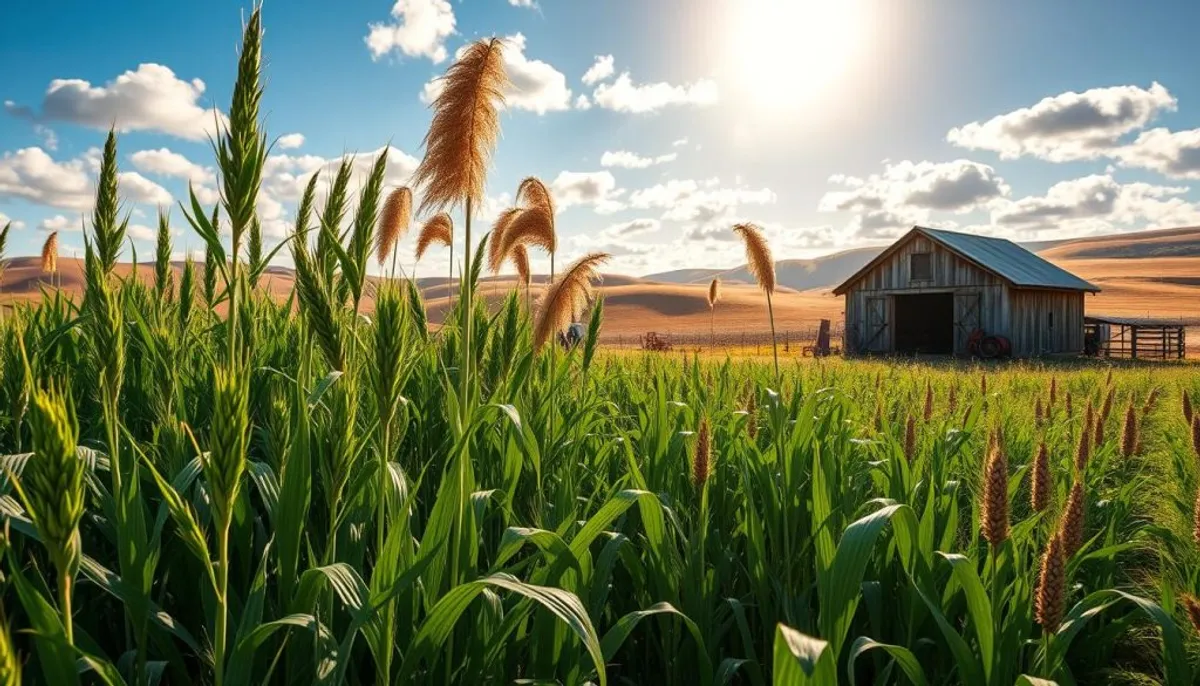
Hemp: Diverse Opportunities and Innovations in Industry
Hemp represents a highly profitable option with multiple applications. Its seeds and straw find outlets in food, construction, and plastics.
This crop requires no pesticides and adapts to all types of soils. The yield reaches 8-10 q/ha for seeds and 8 t/ha for straw.
| Crop | Main Yield | Sale Price | Outlets |
|---|---|---|---|
| Hemp | 8-10 q/ha (seeds) | €650-1800/t | Food, construction |
| Miscanthus | 7-25 t/ha (biomass) | Developing market | Heating, mulching |
| Quinoa | Variable up to 2 t/ha | Premium price | Human food |
Miscanthus and Quinoa: New Horizons for Farmers
Miscanthus produces abundant biomass on marginal lands. Its harvest offers interesting prospects for heating and horticulture.
Quinoa, which appeared in France in 2009, meets a growing demand. Anjou has become the main European production basin for these promising plants.
New Agricultural Trends and Technological Innovations
The digital age is profoundly transforming traditional agricultural practices. Technological innovations are redefining the context of modern agriculture.
The use of modern tools is completely revolutionizing agricultural activity. Drones and sensors allow for more precise management.
Using New Technologies and Modern Tools
Precision agriculture optimizes each intervention at the right time. It adapts treatments according to the actual needs of each plot.
Advances in varietal selection open new perspectives. Early varieties of soy are now adapting in Brittany.
Decision support tools use real-time data. They help choose the best time for each operation.
Digitalization follows every step of production. Mobile applications provide complete traceability of interventions.
These technologies encourage farmers to diversify their crops more boldly. They create outlets for new plants.
Optimizing Yields and Profitability of Productions
The economic optimization of your farm relies on a subtle balance between yields and cost control. This comprehensive approach considers every aspect of production.
The choice of plant species directly influences profitability. Some more marginal crops offer interesting margins despite moderate yields.
Strategies to Control Costs and Improve Yield
Controlling operational costs is crucial. Sorghum has costs around €310/ha, while its price follows the market price of corn with a slight delay.
Hemp perfectly illustrates this strategy. With only €400/ha in costs, it requires no pesticides. Its seeds trade at €650/t.
| Crop | Operational Costs | Sale Price | Profitability |
|---|---|---|---|
| Sorghum | €310/ha | Following corn -€5 to €10/t | Stable |
| Hemp | €400/ha | €650/t (seeds) | High |
| Soy | €400/ha | €350-425/t | Increasing |
Vincent Seyeux emphasizes the importance of maintaining diversification. Abandoning alternative crops during high prices for wheat can create scarcity. This then favors a return to high prices.
These species can be significantly more profitable. The cost/value ratio is the true indicator to consider. Additionally, the Kadeos vouchers can also play a role in cost optimization.
Testimonials from Farmers and Expert Advice
The experience of pioneering farmers offers valuable lessons for your own transition. These field feedbacks reveal the concrete realities of diversification.
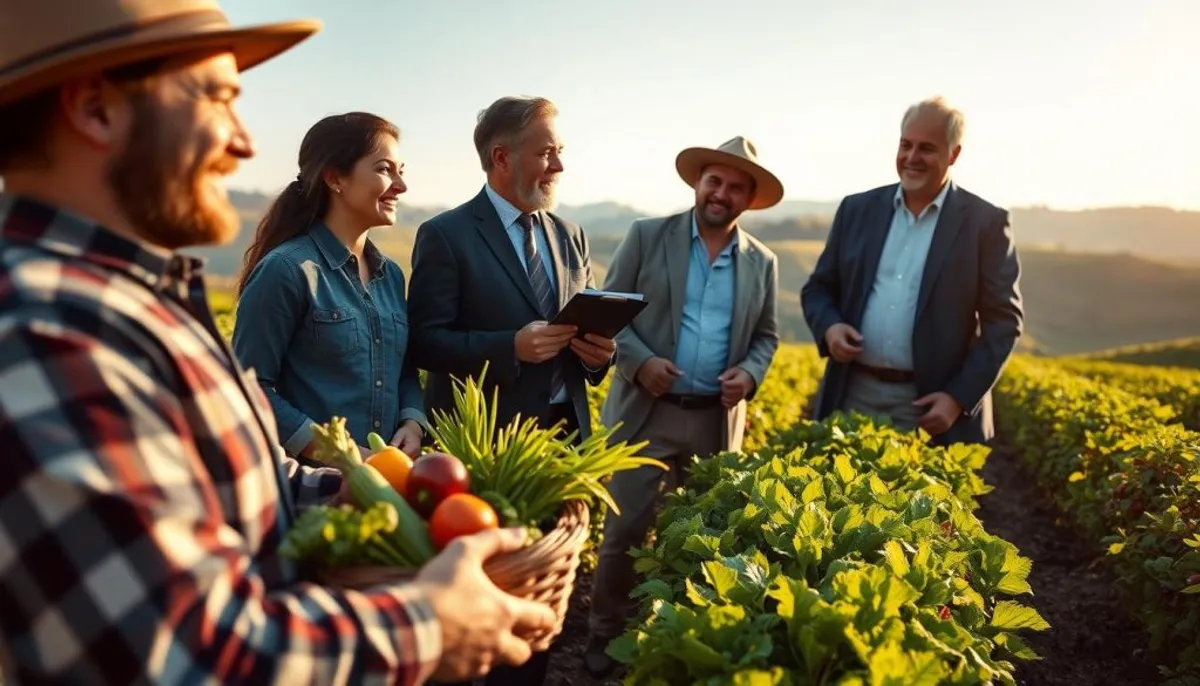
Case Studies and Concrete Feedback
Philippe Lion, a cereal grower from Southern Touraine, sowed 40 hectares of sorghum in 2006. He emphasizes the importance of waiting for the right conditions for sowing.
Bertrand Patenôtre manages 176 hectares with a highly diversified rotation. His farm proves that complexity is not an obstacle.
Séverin Gauvin, a dairy farmer, seeks protein autonomy for his farm. Legumes meet this specific need.
Vincent Seyeux has abandoned traditional crops in favor of alternative species. This strategy proves to be less risky in his context.
Recommendations for a Successful Transition
Jean-Luc Verdier from Arvalis reminds us that each plant has its requirements. “This crop has demonstrated its strengths, but not just anywhere.”
Agathe Penant invites an assessment of whether soy can complete its cycle in your climatic context. This is an essential question before any decision.
Louis-Marie Allard emphasizes the added value of hemp. “The seed is the cherry on top, as the margins are high.”
Sébastien Beauvallet insists on the technicality required. “One does not simply become a quinoa producer.” Training is therefore essential.
Conclusion
Your journey towards a diversified agricultural operation begins with a clear strategic vision. This decision shapes the future of your farm and must consider your local context, your goals, and your values.
Diversification crops, including iconic museums, offer major advantages. They improve soil structure and create new sources of income. This approach secures profitability in the face of price volatility.
The agricultural market is evolving rapidly with changes in consumption. The demand for local and sustainable products is experiencing strong growth. This trend makes diversification essential for your activity.
Each species presents its specific economic profile. Some plants like hemp offer remarkable added value. Their success depends on the pedoclimatic conditions of your land.
Integrating legumes into the rotation often constitutes a wise first step. Their production meets a growing need for plant-based proteins. They also improve soil quality for subsequent harvests.
Faced with the challenges of climate and societal expectations, diversification represents much more than an economic opportunity. It is a powerful lever to build a resilient and respectful agriculture that ensures a promising future for French farmers.
FAQ
What are the most profitable crops for a farmer today?
Profitability depends on your soil, local climate, and market. Currently, legumes like soy or lupin offer good yields and strong demand for proteins. Plants like miscanthus or hemp also present strong potential due to their varied outlets.
How can I improve my soil quality for better harvests?
Crop rotation is essential. Integrating legumes naturally enriches the soil with nitrogen. Direct seeding and good soil preparation also help preserve its structure and fertility in the long term.
What advantages does production diversification offer on a farm?
It allows for risk distribution in the face of climate uncertainties or price fluctuations. Growing different plants improves autonomy, optimizes resource use, and can open access to new, more profitable markets.
Is hemp a crop of the future for farmers?
Absolutely! Industrial hemp is experiencing strong growth. It requires few inputs, adapts well to the French climate, and has numerous outlets: food, textiles, construction. It is a very promising activity.
How do new technologies help optimize yields?
Modern tools, such as sensors or precision agriculture, allow for better management of seeds, irrigation, and fertilization. This translates into better plant growth, reduced production costs, and increased harvest value.