
Welcome to this fascinating exploration of a unique heritage in the heart of Africa. This guide invites you to discover the authentic treasures that make this nation renowned.
Rwanda has a strong identity, built over the centuries. It harmoniously blends ancestral traditions with contemporary influences.
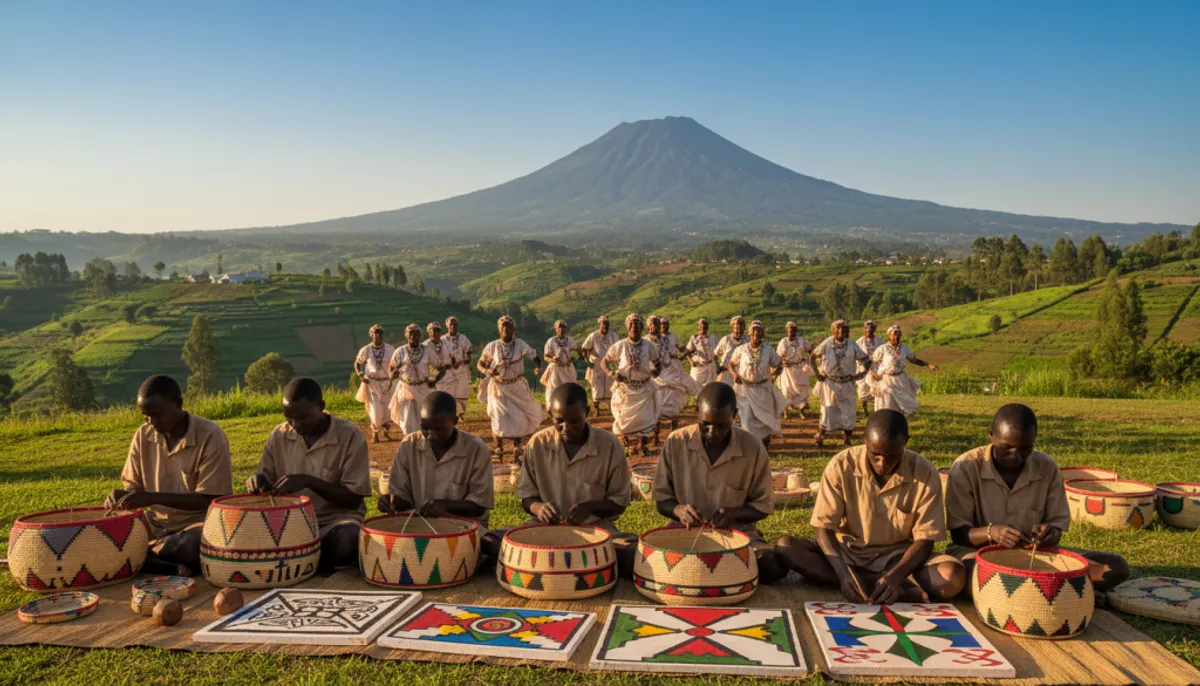
We will explore together the multiple facets of this extraordinary society. From its historical origins to modern artistic expressions, each aspect reveals remarkable vitality.
You will see how Rwandans preserve their customs while adapting to current challenges. This cultural synthesis inspires respect and admiration.
Our journey will take you to encounter traditional dances, centuries-old craftsmanship, and stories passed down from generation to generation. These practices still structure daily life.
This exploration will also show how recent history has profoundly marked and transformed this national identity. The resilience of the people honors the memory while building a better future.
Key Points to Remember
- Rwanda has a rich and diverse cultural heritage
- Ancestral traditions coexist with modern influences
- Craftsmanship and traditional dances are important pillars
- Recent history has influenced cultural evolution
- Resilience and adaptation characterize this society
- Traditional social organization remains sophisticated
- This culture inspires international respect and admiration
Introduction to Rwandan Culture
In the heart of East Africa, Rwanda unfolds its unique identity in an exceptional geographical setting. This landlocked country occupies a strategic position in the Great Lakes region.
Historical and Geographical Context
The Rwandan population numbers around 13 million inhabitants spread across a territory with varied landscapes. This nation serves as a meeting place where different African influences converge.
The country has four official languages that testify to its rich history. Kinyarwanda, English, Swahili, and French create links with various linguistic spheres.
The Importance of Culture in National Identity
The traditional society is organized around about twenty family clans. This structure occupies a central place in contemporary community organization.
Cultural heritage represents an essential part of Rwandan national identity. It serves as social cement and a source of pride for the people.
This rich tradition inspires international respect and admiration. It shows how a nation preserves its roots while evolving with its time.
Origins and Historical Evolution
The historical journey of this territory reveals a fascinating evolution, marked by decisive periods. This complex history shows how events have shaped national identity.
Traditional Roots and Ancestral Royalty
The origins date back to ancient times. The monarchical structure impressed early explorers with its sophisticated organization.
The king held a central position in this well-structured society. This foundational period established the basis for social organization.
Impact of Colonization and Genocide
Colonization, from 1884 to 1962, profoundly transformed traditional balances. This 78-year period introduced new administrative structures.
The genocide of 1994 represents a tragic break in contemporary history. This event left a lasting mark on collective memory.
The people demonstrated remarkable resilience after these trials. The reconstruction of the country relied on ancestral values.
| Historical Period | Duration | Main Characteristics | Cultural Impact |
|---|---|---|---|
| Ancestral Royalty | Until the 19th century | Sophisticated monarchical structure | Foundation of traditions |
| Colonization | 1884-1962 | German and Belgian influences | Transformation of balances |
| Contemporary Period | Since 1962 | Independence and reconstruction | Resilience and modernization |
These different eras illustrate the capacity for adaptation in the face of challenges. The memory of difficult events guides today’s development choices.
Numerous memorials honor the victims of the genocide. These places preserve memory while educating future generations.
Components of Rwandan Culture
Rwandan cultural heritage consists of fundamental elements that structure national identity, including aspects of philippine cuisine. These traditional components form a coherent system of values and practices.
They testify to a sophisticated social organization and rich symbolism.
Language, Literature, and Oral Traditions
Kinyarwanda is the fundamental pillar of this identity. This rich idiom conveys traditional knowledge and values.
Oral literature represents an extraordinary wealth. It divides between codified royal tradition and popular tradition.
Stories occupy a central place in the transmission of knowledge. They include founding myths and moralizing tales.
Arts, Crafts, and Traditional Symbols
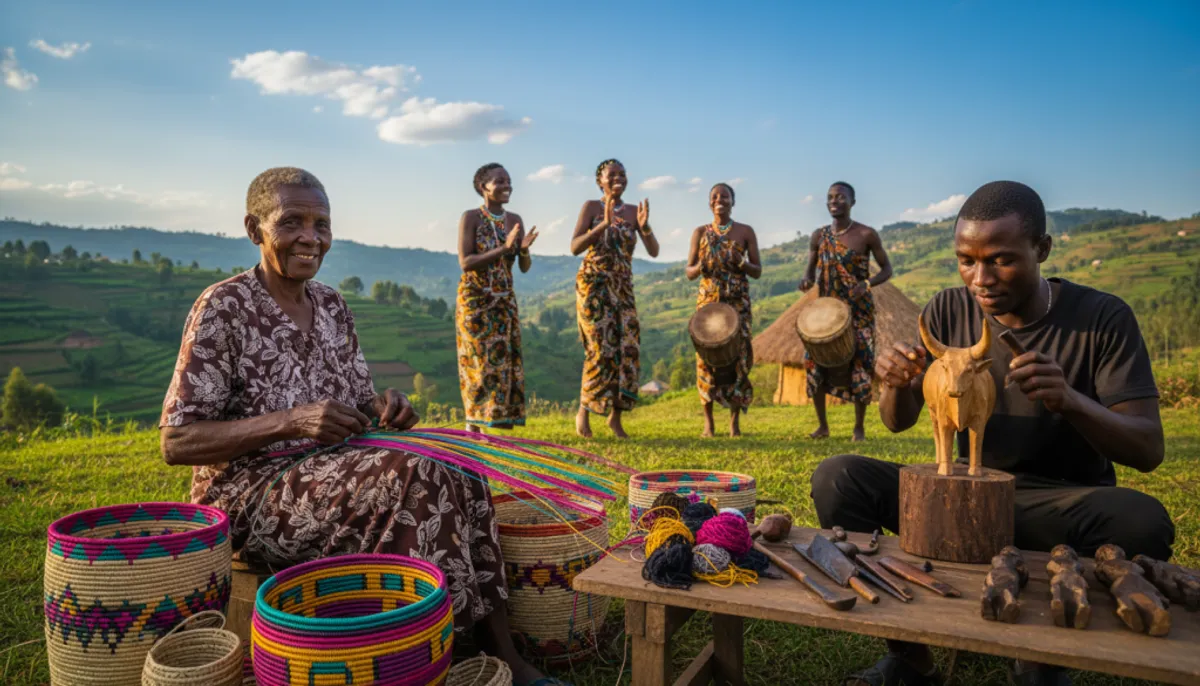
Art and craftsmanship stand out for their technical sophistication. The creations reflect daily activities and spiritual aspirations.
Traditional objects like the spear and hoe symbolize work and war. The cow embodies prosperity in this society.
Iron craftsmanship is among the oldest in the world. Woven baskets and Imigongo demonstrate exceptional know-how.
Artistic and Traditional Expressions
The artistic expressions of Rwanda radiate with exceptional vitality, blending ancestral traditions and contemporary creativity. This diversity forms a fascinating cultural panorama.
Traditional Dances, Music, and Songs
Traditional dances represent one of the most spectacular expressions. The Intore dance impresses with its acrobatic movements and warrior symbolism.
These performances captivate audiences from around the world. They convey values of courage and social cohesion.
Music relies on instruments like the Inanga, a traditional stringed harp. Sacred drums rhythmically accompany important ceremonies.
Songs accompany all life activities. They narrate the history and legends of the country with great emotion.
Theater, Cinema, and Visual Arts
Cinema has seen remarkable development since the 2000s. Talented directors explore national identity through their works.
Eric Kabera, founder of the Rwanda Film Festival, and Kivu Ruhorahoza are at the forefront of this cinematic renaissance. Their work enjoys international success.
Visual arts encompass contemporary painting and modern sculptures. A new generation of artists engages with the world while remaining rooted in their heritage.
Actress Eliane Umihire embodies roles that explore the complexity of the Rwandan experience. Her talent contributes to the international prominence of this art.
| Artistic Domain | Traditional Expression | Contemporary Expression | Representative Artists |
|---|---|---|---|
| Dance | Intore, Urukerereza | Modern Choreographies | Traditional Troops |
| Music | Inanga, Sacred Drums | Musical Fusion | Traditional Musicians |
| Film | Oral Stories | Award-Winning Films | Eric Kabera, Kivu Ruhorahoza |
| Visual Arts | Imigongo, Baskets | Contemporary Painting | New Generation |
Rwandan Culture: Between Traditions and Modernity
At the crossroads of the past and the future, the Rwandan nation reinvents its identity with creativity. This current period represents a pivotal moment for ancestral practices.
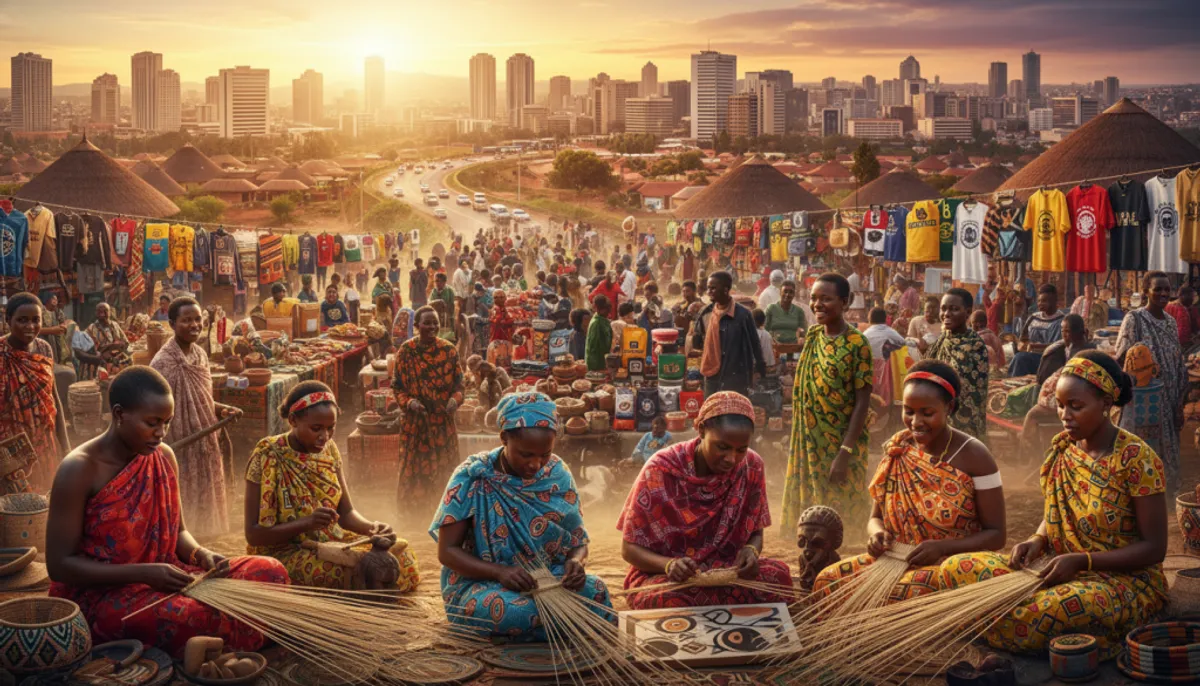
Everyday objects illustrate this transformation well. Metal and plastic imports often replace traditional creations. Yet, some elements resist with elegance.
The cotton cloth remains a precious link for women. It symbolizes this harmonious way of navigating between eras. During celebrations, traditional attire asserts an intact pride.
This coexistence is not experienced as a contradiction. Rather, it enriches contemporary life. The society draws from its roots while embracing innovation.
The country thus builds a dynamic and resilient identity. This approach inspires other African nations facing similar challenges.
External Influences and Globalization
Contemporary Rwanda skillfully navigates between traditional heritage and global influences. This transformation affects all aspects of social life.
The Role of Christianity and Colonial History
The Christian religion profoundly marks this nation. About 90% of the population identifies as Christian.
The Catholic Church has played a major role for many years. It introduced formal education and transformed certain practices.
Since 1994, the religious landscape has evolved significantly. Protestant churches attract new followers.
Impact of Media, Technologies, and New Practices
Modern technologies disrupt attitudes. Television and phones connect the population to the rest of the world.
This openness particularly influences the youth. It questions traditional social roles.
The country shows remarkable progress. Women hold 49% of parliamentary seats.
This advancement coexists with certain tensions. The government controls the media to maintain national stability.
The Role of Values and Rituals in Rwandan Society
Daily and ceremonial rituals form the backbone of social cohesion. They give profound meaning to important stages of life.
Weddings, Rites, and Social Practices
Weddings represent the perfect occasion to strengthen ties between family groups. The negotiation of the dowry transforms into a ritualized role-play full of humor.
This practice unfolds over several days and involves symbolic objects like the cow or hoe. Each family thus passes on its wisdom to younger generations.
Traditional Medicine and Local Cuisine
Plant-based medicine remains alive and complementary to modern care. It reflects preserved ancestral knowledge.
Rwandan cuisine and jamaican cuisine reflect the agricultural richness of the territory. It includes ugali, matooke, and various roots like sweet potatoes.
During festivals, traditional beer and modern sodas coexist harmoniously. These moments of sharing strengthen solidarity within the society.
Intangible Heritage and Cultural Sites
Memorial sites and cultural institutions tell the complex history of this nation. They preserve a valuable heritage that unites the material and the immaterial.
Museums, Memorials, and Historical Sites
Since the genocide, many memorials have been established. These spaces serve as places of reflection and education.
The Gisozi memorial in Kigali serves as the main commemoration center. Over 250,000 victims rest there.
| Memorial Site | Location | Main Characteristic | Historical Importance |
|---|---|---|---|
| Ntarama and Nyamata Churches | East of Kigali | Transformed places of worship | Direct testimony of events |
| Murambi College | Southwest near Gikongoro | Preserved bodies | Documentation of horror |
| Bisesero Memorial | Near Kibuye | Commemoration of resistance | Tribute to heroic victims |
Monuments and Cultural Institutions
The capital and other cities are gradually developing their institutions. These spaces allow for the discovery of pre-colonial history.
Every day, these places play a crucial role in identity construction. They occupy an essential place in national reconciliation.
The UNESCO World Heritage program has recognized certain sites. This recognition contributes to their protection for future generations.
Conclusion
The ability of the Rwandan people to preserve their identity while evolving is deeply inspiring. This culture has endured the trials of the genocide to emerge stronger.
The youth represents the hope for a future where traditions and modernity coexist. They build connections between generations in cities and villages.
Traditional dances and ancestral stories continue to nourish daily life. They unite social groups during moments of celebration.
This heritage deserves to be shared with the world. It honors memory while building the future for all the people of this country.
FAQ
What is the place of dance and music in society?
They occupy a central place. Dancers express historical narratives and emotions. Songs often accompany celebrations. These arts unite people and strengthen community bonds.
How has the genocide influenced current heritage?
This event has profoundly marked the people. Memory is now a pillar of identity. Many memorials and artistic works honor the victims. They play a crucial role in the reconciliation process.
What craft objects are typical of this region?
Local craftsmanship is very rich. There are beautiful basketry, pottery, and carved wooden objects. These creations reflect ancestral know-how. The cow is also an important symbol, often represented.
What role does the family play in the transmission of traditions?
The family is essential. Elders orally pass down history and customs to the younger generations. This occurs during celebrations or in daily life. It is the main way to preserve knowledge.
Where can one discover this wealth during a trip?
The capital, Kigali, hosts excellent museums like Iby'Iwacu. Smaller cities offer authentic immersion. Many groups present their dances for visitors. It is a unique opportunity for sharing.