
According to the magazine New African, this nation of West Africa represents a major creative power on the continent. Its influence extends well beyond its borders, reaching the whole world.
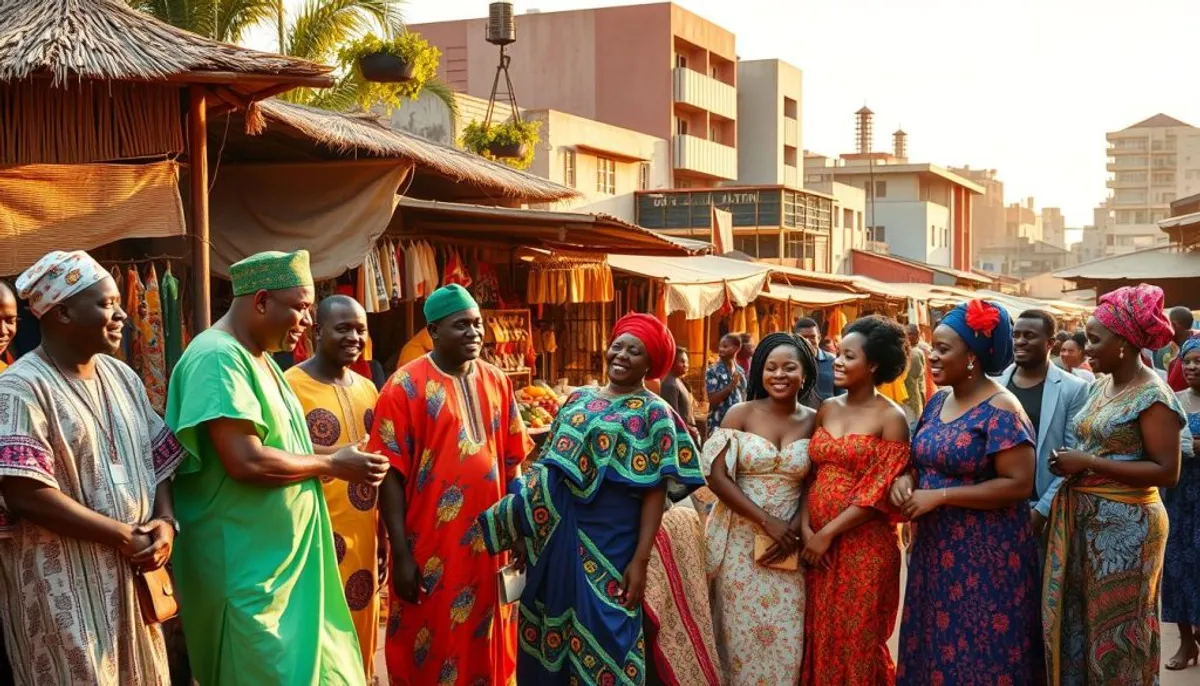
With 214 million inhabitants, this country impresses with its linguistic diversity. More than 450 different languages and dialects coexist harmoniously.
Nigerian creativity shines through various artistic fields. Literature, dynamic cinema, visual arts, and music testify to this exceptional vitality, reflecting the diverse facets of Nigerian culture and society.
This fascinating land achieves a remarkable balance between ancestral heritage and contemporary expressions. It perfectly embodies the evolution of modern African cultures.
Key Points to Remember
- Nigeria is recognized as a major cultural power in Africa
- The country has 214 million inhabitants with great linguistic diversity
- Its cultural influence extends beyond the African continent
- Creativity is expressed through literature, cinema, arts, and music
- More than 450 languages and dialects coexist in the country
- Harmony between ancestral traditions and contemporary expressions
- Leading cultural ambassador for Africa
Historical and Artistic Heritage of Nigeria
The creative history of this West African territory finds its origins in ancient civilizations with remarkable achievements. These artistic foundations date back to prehistoric times and continue to inspire contemporary creators.
The Early Civilizations and Nok Art
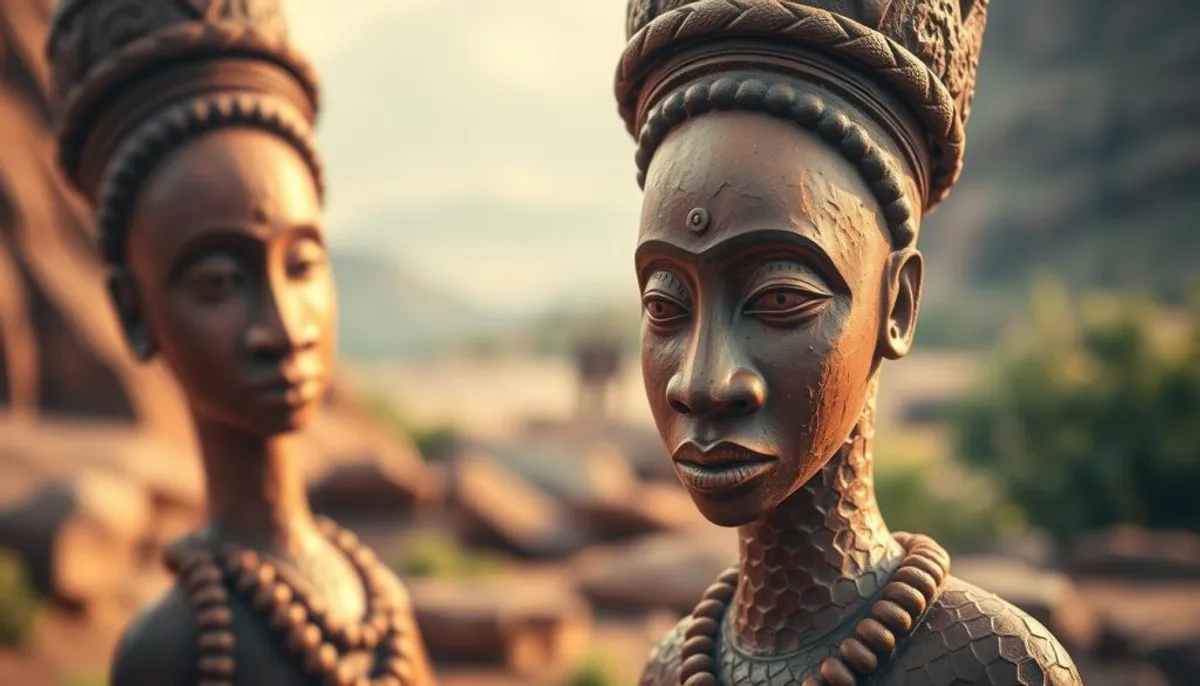
The Nok civilization produced the oldest terracotta sculptures in sub-Saharan Africa. These works date back to the first millennium BCE.
Their technical craftsmanship still impresses today. The terracotta figurines demonstrate an exceptional aesthetic mastery for the time.
The Evolution of Bronzes and Traditional Sculptures
The famous Benin bronzes represent a major achievement of African art. The lost-wax casting technique demonstrates extraordinary expertise.
The bronze heads of Ife and ivory masks illustrate this sophistication. Queen Idia remains an emblematic figure of this heritage.
| Artistic Period | Main Materials | Characteristic Works | Current Influence |
|---|---|---|---|
| Nok Civilization | Terracotta | Anthropomorphic figurines | Inspiration for contemporary art |
| Kingdom of Benin | Bronze and ivory | Ceremonial masks | International cultural symbols |
| Kingdom of Ife | Bronze and clay | Naturalistic royal heads | Permanent aesthetic reference |
Since the 15th century, exchanges with Europe have led to the international recognition of the greatness of this art. This country has become a symbol of African cultures.
The Cultural Traditions and Practices of Nigeria
The human tapestry of this West African nation consists of an extraordinary ethnic mosaic. Approximately 500 different languages are spoken, making this country one of the most multilingual in the world.
Linguistic Diversity and Ethnic Groups
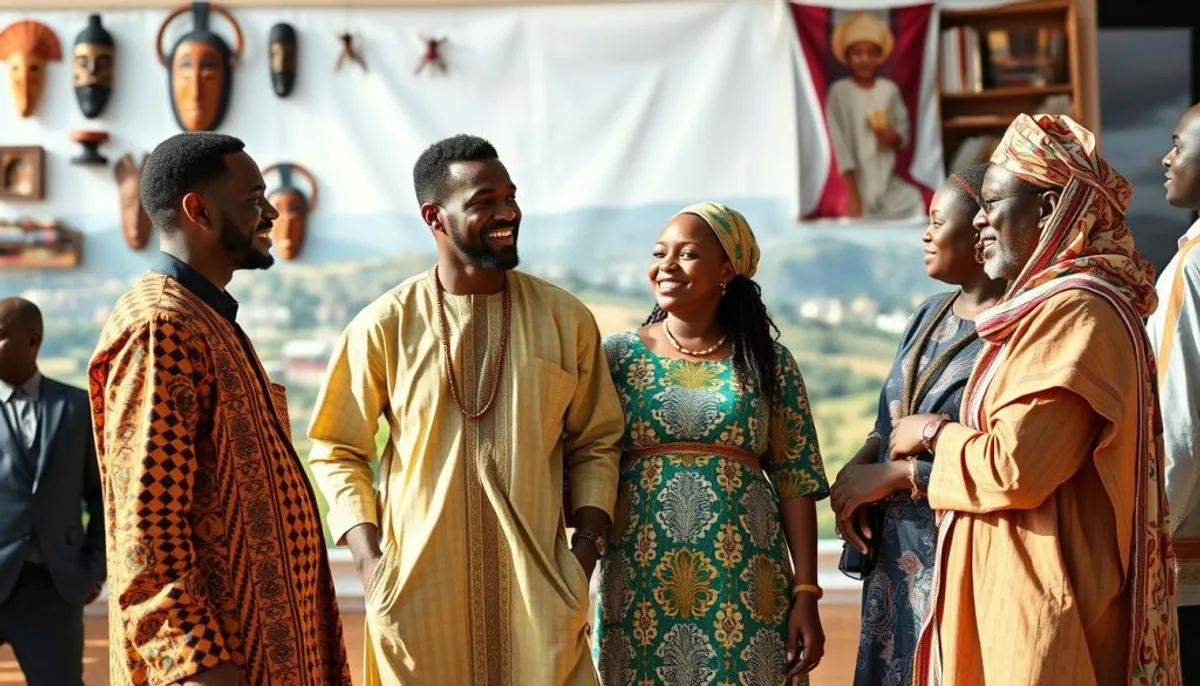
Three main languages dominate the linguistic landscape. Hausa, Igbo, and Yoruba correspond to the three major ethnic groups. English serves as the unifying official language.
The Hausa represent 22% of the population, primarily in the north. The Yorubas and Igbos each account for 18% of the people, mostly in the south.
| Ethnic Group | Main Region | Population Percentage | Dominant Language |
|---|---|---|---|
| Hausa | North | 22% | Hausa |
| Yoruba | Southwest | 18% | Yoruba |
| Igbo | Southeast | 18% | Igbo |
| Fulani | North | Significant | Fulfulde |
| Ijaw | Niger Delta | Important | Ijaw |
Rituals, Festivities, and Traditional Beliefs
Religious practices show a marked geographical distribution. Islam dominates in the north (45-50%), while Christianity prevails in the south (40-45%).
Traditional cultures maintain an important place. The Yoruba Gèlèdé ceremony is classified as a world heritage. It is part of the many festivities that animate the country.
This diversity sometimes creates tensions, but it mainly represents a unique strength. The dialogue between communities continuously enriches the cultural landscape.
Modernity and International Influence of Nigerian Culture
The contemporary creative influence of this West African power now extends globally. This influence surpasses the continent's borders and touches millions of people around the world.
The Rise of Nollywood and Cinematic Influence
The local film industry, nicknamed Nollywood, produces thousands of films annually. Half of the productions use the Yoruba language rather than English.
This linguistic particularity facilitates natural dissemination to neighboring West African countries. The films thus reach an immense regional audience.
| Characteristic | Nollywood | Regional Impact | Technical Innovation |
|---|---|---|---|
| Annual Production | Thousands of films | Broadcast in West Africa | Majority filmed in video |
| Languages Used | 50% Yoruba, 50% English | Understanding by neighboring countries | Accessible budgets |
| Target Audience | Global African diaspora | Strengthening cultural ties | Support from influential evangelists |
Artistic Innovations and Contemporary Events
The portrait “Christine” by Ben Enwonwu sold for 1.3 million euros in 2019. This record sale demonstrates the international recognition of contemporary art from this country.
Creators like Yinka Shonibare fuse traditional and modern aesthetics, also integrating artistic innovations. Their works circulate in the world's largest galleries.
Lagos now hosts avant-garde art biennials and festivals. These events confirm the city's status as a dynamic cultural capital.
Iconic Figures and Their Impact on Culture
Iconic figures have transformed the international perception of African creation. Their legacy continues to inspire new generations of artists.
Chinua Achebe and the Literary Legacy
Chinua Achebe revolutionized literature with his novel “Things Fall Apart.” This major work has been translated into 45 languages and sold 3 million copies.
The writer aimed to show that the African past was not a “long night of savagery.” For his part, he rehabilitated the sophistication of pre-colonial societies.
Wole Soyinka and Global Artistic Commitment
Wole Soyinka is the first African to receive the Nobel Prize in Literature in 1986. His political engagement led to his imprisonment under military dictatorship.
This courageous intellectual created a unique dramaturgy blending Yoruba traditions and European influences. His work shines throughout the world.
Other talents like Ben Okri and Bernardine Evaristo have also received the Booker Prize. These exceptional individuals make their country proud and enrich Nigerian culture.
Conclusion
Despite security challenges, particularly in the Northeast, the creativity of this country remains a bright beacon. The legacy of Fela Kuti and Afrobeat continues to inspire artists across the earth.
The dynamic music scene highlights legends and new stars. From local festivals to the World Black Arts Festival, the celebration is ongoing, and flamenco dance also finds its place there.
Recognitions by UNESCO confirm the importance of this heritage for humanity. The synthesis between traditions and modernity continually enriches the world heritage.
The future of arts in West Africa is carried by this vitality. Platforms like SMO Contemporary Art ensure their radiance from North to South.
This country remains an inspiring bridge between continents. Its numerous festivals and inexhaustible creativity promise a culturally rich future.
FAQ
What are the main ethnic groups and languages spoken in this West African country?
The country has over 250 ethnic groups! The three main ones are the Yoruba, Igbo, and Hausa. This diversity is reflected in the hundreds of living languages, even though English is the official language that unites everyone.
What makes ancient art, like Nok sculptures and Benin bronzes, so special?
These works are famous worldwide for their advanced technique and beauty. The Nok terracotta heads are among the oldest in Africa. The bronzes from the ancient Kingdom of Benin showcase exceptional craftsmanship in metallurgy and tell the story of their rulers.
How is contemporary creativity expressed today?
It is very dynamic! Nollywood, the film industry, produces a vast number of films. Modern artists often blend traditional themes with current techniques. Music and arts festivals also attract an international audience.
Who are some prominent figures in the cultural scene?
Figures like writer Chinua Achebe, author of “Things Fall Apart,” have brought the country’s literature to the forefront. Nobel Prize winner Wole Soyinka is also a major voice. Their works have had a significant impact far beyond West Africa.
What are the must-see traditional events or rituals?
There are many colorful festivities throughout the year. For example, the Argungu Festival in the north celebrates fishing. In the southwest, the Eyo Festival in Lagos is a unique spectacle of masked dances. These events are true immersions into local beliefs and life.