
Welcome to northeastern Thailand, an authentic land that holds extraordinary surprises for you. This part of the country preserves ancestral traditions untouched by mass tourism.
Here, you will discover a fascinating rural way of life, far from the beaten paths. The varied landscapes and traditional villages will offer you a complete immersion.
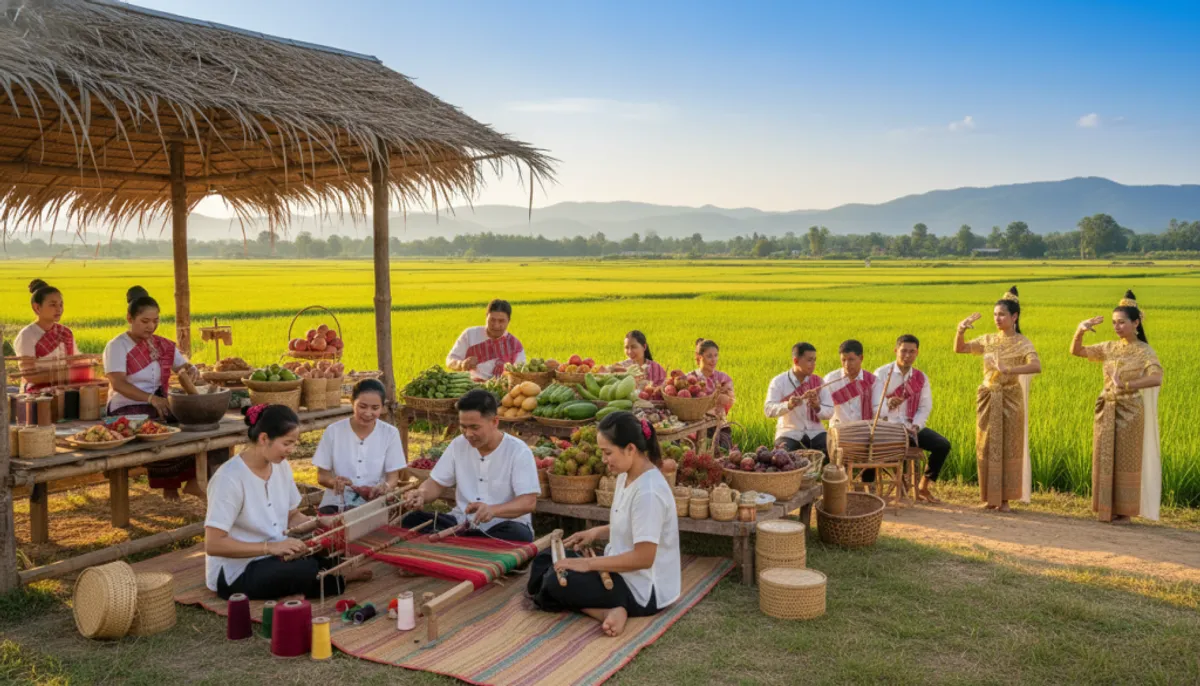
Prepare to explore exceptional historical sites and delicious gastronomy. Each experience reflects the deep soul of this unique destination.
From the banks of the Mekong to the ancestral Khmer temples, each step reveals different facets. The lively night markets and age-old customs will captivate you.
This immersive adventure will unveil the secrets of a territory where the hospitality of the locals creates memorable memories. The beauty of the natural landscapes and the richness of the heritage will amaze you.
Key Points to Remember
- Discovery of a preserved authentic destination
- Immersion in a traditional rural way of life
- Exploration of varied landscapes and historical sites
- Unique and delicious gastronomic experience
- Encounter with warm hospitality
- Visit to lively night markets
- Discovery of ancestral traditions
Introduction to Thai Isan Culture
Let’s embark on a journey to discover a preserved territory in northeastern Thailand. This vast region offers a travel experience radically different from popular destinations.
Geographical and Historical Context
Isan is the largest province in the country. Its relative isolation has allowed the preservation of ancestral traditions. Mass tourism remains limited here.
Diving into the Authenticity of Isan
The local life follows the peaceful rhythm of agricultural seasons. The inhabitants perpetuate traditional know-how in their villages. This atmosphere creates enriching cultural exchanges.
Enthusiasts like Phajongkit Laorauvirodge work to preserve this wealth. Originally from Khon Kaen, she shares her expertise in silk and tea art. Her commitment illustrates the vitality of this unique culture.
The Historical and Spiritual Treasures of Isan
Testimonies of the past await you in the exceptional sites of this region. Each vestige tells a part of the fascinating history of this territory.
Temples, Khmer Ruins, and Sandstone Sculptures
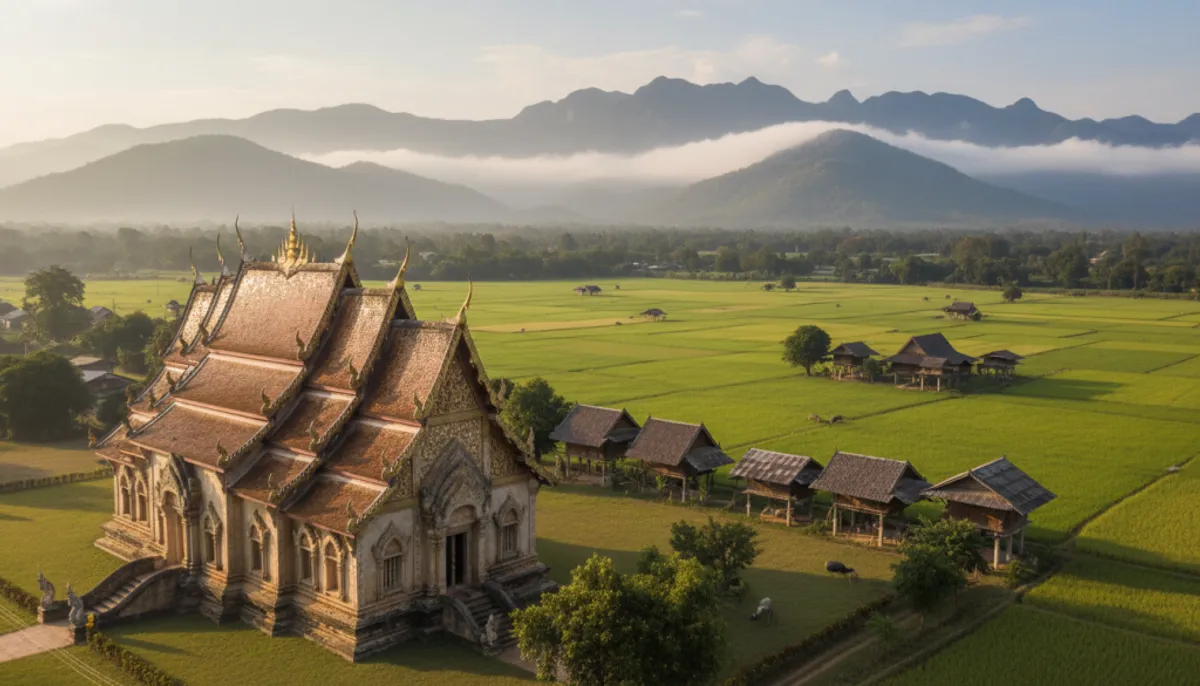
The ancient Khmer temples dominate the landscape with their imposing architecture. Their sandstone sculptures testify to remarkable ancestral craftsmanship.
These religious edifices constitute a unique architectural heritage in Thailand. Their preservation allows for an understanding of the cultural influences of the region.
The Archaeological Site of Ban Chiang and Its Heritage
Near Udon Thani, Ban Chiang offers a journey back 4,500 years into the past. This exceptional place reveals a sophisticated Neolithic civilization.
Excavations in the 1970s uncovered remarkable objects. Hunting weapons, fishing instruments, and jewelry demonstrate advanced technological development.
| Historical Site | Period | Main Features | Accessibility |
|---|---|---|---|
| Ban Chiang | Neolithic | Abstract pottery, ancient tools | Easy from Udon Thani |
| Khmer Ruins | Angkor period | Sandstone sculptures, architecture | Spread throughout the region |
| Ancient Temples | Various eras | Unique style, spirituality | Well maintained |
The famous pottery of Ban Chiang features highly precise abstract patterns. Over 3,000 pieces are displayed in a modern museum.
UNESCO has recognized the universal importance of this site. Its inscription as a World Heritage site confirms its exceptional value for humanity.
The Traditions and Authentic Daily Life
Beyond the historical sites, it is in the daily lives of local communities that the soul of this land reveals itself. Ancestral traditions continue to shape the lives of the inhabitants, creating a unique immersive experience.
Rituals, Offerings, and Night Markets
Near Chiang Khan, the Tai Dam Museum invites you to discover a fascinating ethnicity. The women, recognizable by their dark clothing, continue the art of weaving and traditional dances.
Their houses made of teak wood on stilts display mysterious cultural symbols. Buffalo horns crown the rooftops, indicating the status of leaders in these hierarchical communities.
Rural Life, Festivals, and Traditional Dances
The Surin Elephant Festival, held on the third weekend of November, attracts visitors from around the world. Dozens of elephants participate in spectacular demonstrations.
These majestic animals compete in re-enacted battles and even football matches. This event celebrates the ancestral bond between local populations and their trunked companions.
The time spent in these villages allows for an understanding of how skills are passed down through generations. Each village thus preserves its unique identity through the seasons.
The Delicious Gastronomy and Craftsmanship of the Region
The gastronomic discovery and artisanal treasures offer a unique sensory immersion in this region. These two aspects perfectly complement the travel experience.
Local Flavors and Thai Specialties
Traditional dishes reveal remarkable authenticity. Each recipe uses fresh ingredients and ancestral techniques.
Local markets are brimming with regional products. Spices and aromatic herbs create complex flavors.
The Secrets of Silk Weaving and Brocade
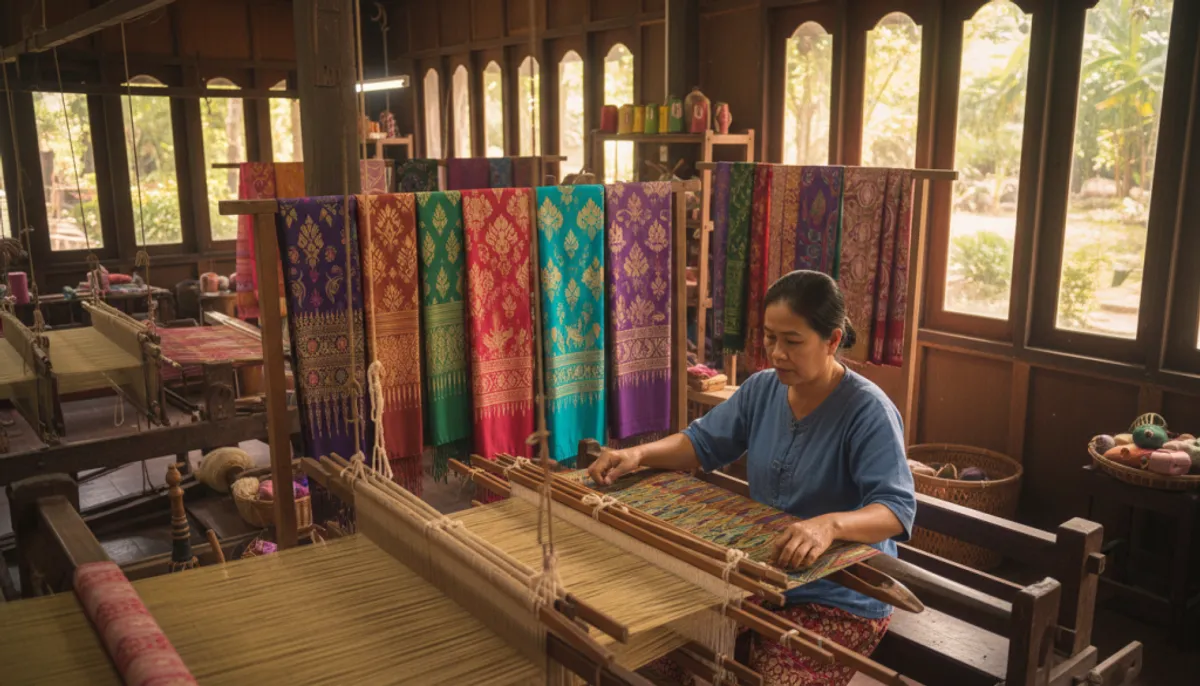
The weaving of silk represents an exceptional craft. For years, artisans have perpetuated this precious know-how.
In the village of Tha Sawang, the Kui weavers work with extraordinary patience. They produce only three centimeters of perfect silk each day.
| Production Step | Duration | Technique Used | Result |
|---|---|---|---|
| Silkworm Rearing | 4-6 weeks | Feeding with mulberry | Quality cocoons |
| Thread Extraction | 1 day | Boiling water | Silky golden threads |
| Natural Dyeing | 2-3 days | Plant pigments | Vibrant colors |
| Final Weaving | Variable | Traditional loom | Exceptional silk |
Every centimeter of silk tells a story of dedication and technical mastery passed down through generations.
The artisan villages allow you to observe this fascinating process. The wooden houses on stilts house these traditional workshops.
The Sericulture Center produces sumptuous brocade. This luxurious silk is a testament to weaving at its highest level.
Nature, Landscapes, and Unforgettable Journeys
The vast wild expanses of this region offer a total immersion in preserved ecosystems where nature reigns supreme. These natural landscapes constitute the other fascinating face of this authentic territory.
Boat Rides on the Mekong and Iconic Rice Fields
From December to March, Nong Harn Lake transforms into a fairy-tale spectacle. Millions of scarlet lotuses create a living carpet punctuated by white ibises. This extraordinary view seems to belong to another world.
A boat ride on these calm waters offers a unique romantic experience. In the distance, a golden stupa and local fishermen continue their traditions. Only a few insiders share these magical moments.
National Parks, Lakes, and Panoramas
National parks like Phu Kradueng offer exceptional hiking trails. They lead to panoramic viewpoints over the surrounding mountains and valleys.
The ideal season for visiting extends from December to March. However, the green season between May and October, during the rainy period, reveals a lush nature refreshed by tropical downpours.
Near Nong Khai, exploring the villages at the border perfectly complements this natural discovery. The inhabitants willingly share their traditions during local festivals.
Conclusion
Your journey through these preserved lands promises unforgettable encounters and breathtaking landscapes. This region of northeastern Thailand is an authentic destination where each visit becomes a personal adventure.
The locals welcome you with touching generosity. They share their ancestral traditions and delicious gastronomy. Each village reveals unique skills like silk weaving.
From ancient temples to natural parks, the cultural and natural heritage is remarkable. Regardless of the season of your trip, this region offers a responsible and enriching tourism experience.
Your exploration of these mysterious lands will create lasting memories. It will connect you to the true soul of this exceptional destination.
FAQ
What is the best season to visit Isan?
The ideal period is between November and February. The weather is cooler and drier after the rainy season. It’s perfect for exploring national parks and outdoor temples.
What typical dishes should not be missed?
The local gastronomy is renowned! Be sure to try som tam (spicy papaya salad) and kai yang (grilled chicken). These specialties reflect the unique flavors of the northeast.
Is Isan a suitable region for a family trip?
Absolutely! The locals are very welcoming. Children will love discovering life in the villages, the colorful markets, and boat rides along the Mekong River.
Where can we see traditional crafts, such as silk weaving?
Visit villages like Ban Tha Sawang to admire woodwork and brocade making. You will see artisans at work and can bring back beautiful souvenirs.
What major historical sites should be included in the itinerary?
Don’t miss the historical park of Phimai and its Khmer ruins, as well as the Ban Chiang site, listed as a UNESCO World Heritage site for its fascinating history.
How to easily get around the region?
Renting a car offers great freedom to explore the rice fields and small villages. For trips between major cities like Nong Khai, buses are very convenient.