
At the heart of the Balkans, a fascinating country reveals unsuspected treasures. Serbia has a remarkable heritage that deserves to be explored. With the digital age, this wealth now attracts the attention of the entire world.
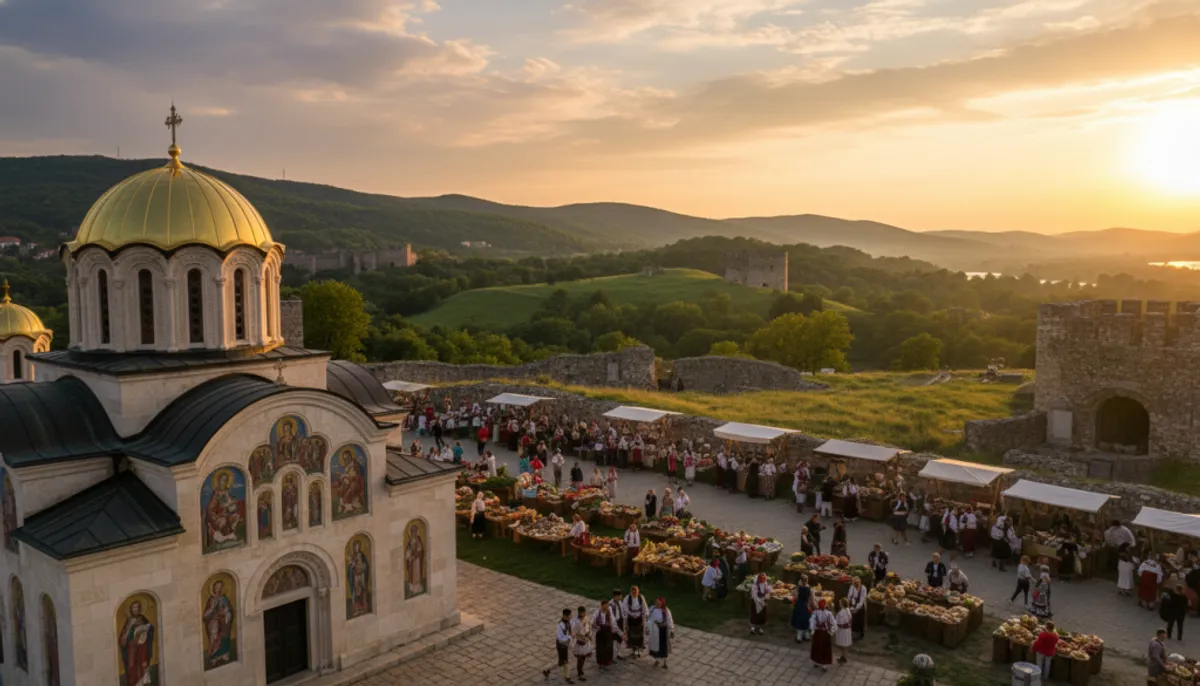
This unique culture stands out for several fundamental aspects. Its language uses a double alphabet, which is rare. Family traditions are passionately passed down from generation to generation.
The local gastronomy offers authentic and generous flavors. Orthodox religious art has profoundly marked the national identity. Discovering this mosaic allows one to understand the soul of a people renowned for their hospitality.
Our guide takes you to meet these multiple dimensions. From ancient ruins to contemporary expressions, dive into an immersive experience.
Key Points to Remember
- Serbia has a rich and varied cultural heritage
- Globalization has increased international interest in this destination
- The Serbian language uses a double alphabet (Cyrillic and Latin)
- Family traditions and gastronomy are important pillars
- The Orthodox heritage has profoundly influenced art and national identity
- Serbian hospitality is legendary and an integral part of the culture
- This article offers a comprehensive guide to exploring all cultural facets
Introduction to Serbian Culture
Strategically positioned in the Balkans, this nation offers a millennia-old heritage. Its unique geographical situation has profoundly influenced its development over time.
Historical and Geographical Context
This country serves as a natural bridge between Eastern and Western Europe. This central position has influenced its tumultuous history since the earliest civilizations.
Archaeological discoveries reveal human occupation dating back to prehistoric times. The Lepenski Vir civilization left fascinating traces along the Danube.
It was followed by the Neolithic cultures of Starčevo and Vinča. These ancient societies thrived thanks to the vital river.
The territory also played a crucial role during the Roman era. Many decisive battles took place on these borderlands.
This rich culture has been built on multiple foundations. Each historical period has contributed to forging a unique identity.
The Historical Heritage and Cultural Influences
From Roman antiquity to the Middle Ages, the historical heritage reveals multiple influences. This land has witnessed great civilizations.
Roman and Medieval Remains
The Roman history has left impressive traces. The palace of Felix Romuliana is listed as a UNESCO World Heritage site.
Sixteen Roman emperors were born on this territory. This region was crucial for the Empire.
Roman archaeological sites are part of the European cultural routes. They attract visitors from cities around the world.
Monasteries and Religious Buildings
In the Middle Ages, spiritual life was organized around the church. Orthodox monasteries became major cultural centers.
Built between the 12th and 17th centuries, these buildings are remarkably preserved. Their frescoes are among the most beautiful in Europe.
Three monastic complexes are classified by UNESCO. They represent an exceptional artistic and spiritual heritage.
| Historical Period | Major Sites | Recognition | Characteristics |
|---|---|---|---|
| Roman | Felix Romuliana | UNESCO Heritage | Imperial palace |
| Medieval | Studenica, Sopoćani | UNESCO Heritage | Exceptional frescoes |
| Roman and Medieval | Stari Ras | UNESCO Heritage | Mixed archaeological site |
This millennia-old heritage tells a fascinating story. It continues to attract art and architecture enthusiasts.
The Traditions and Rituals of Serbian Life
Daily rituals reveal the authentic soul of this Balkan nation. These age-old practices rhythmically shape social and family life.
The Tradition of Bread and Salt
The welcome of guests follows an ancestral protocol. Bread and salt are systematically presented before any other offering.
This tradition symbolizes fundamental values of sharing. The bread pogača represents the unity of the family.
The salt wishes prosperity and safety to the guest. This simple gesture expresses a deep respect rooted in the local culture.
The Slava: A Unique Family Celebration
The Slava celebration dates back to the 9th century. Each Orthodox family honors its patron saint annually.
This personal celebration involves hearty traditional dishes. Orthodox religious rituals accompany this unique celebration.
Recognized by UNESCO, this tradition is passed down from generation to generation. It represents an exceptional identity pillar.
Christmas follows the Julian calendar, celebrated once a year on January 7th. These occasions strengthen family ties through ancestral practices.
Exploring Serbian Culture
Diving into the Serbian universe reveals unique linguistic and culinary treasures. This exploration allows one to grasp the very essence of their identity.
The Importance of the Serbian Language
Communication represents a fundamental pillar of this culture. Serbian belongs to the Slavic language family, sharing similarities with Russian and Czech.
What makes this language particularly fascinating is its double writing system. It simultaneously uses the Cyrillic and Latin alphabets, a global rarity.
Hospitality and Local Exchanges
Warm welcome is a distinctive mark of this people. The locals take pride in making visitors feel immediately at ease.
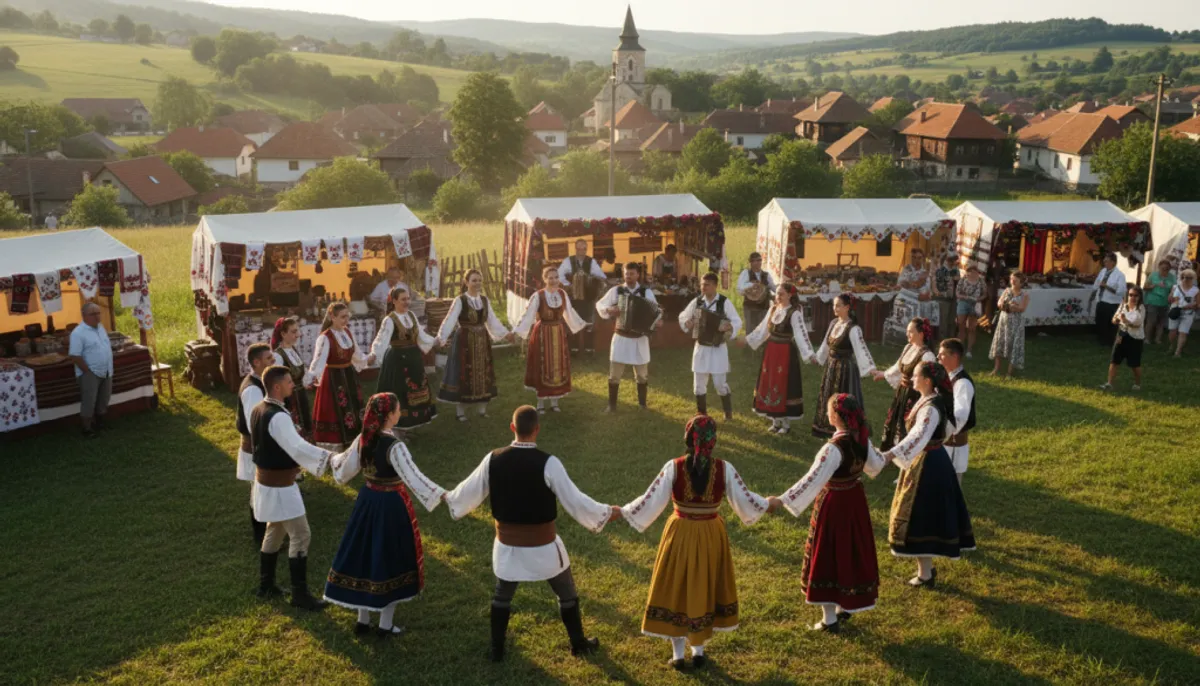
Social codes include a handshake followed by three kisses. These gestures reflect the conviviality that characterizes human relationships.
The Richness of Serbian Gastronomy
The table occupies a central place in daily life. Influenced by Mediterranean and Turkish cuisines, it offers varied flavors.
Among the emblematic specialties are sarma and pljeskavica. These dishes are an integral part of the local culinary experience.
Sports and Icons of Serbian Culture
Serbian champions write a remarkable page in the history of world sports. Their exceptional performances transcend borders and inspire future generations.
Legends like Novak Djokovic
Novak Djokovic embodies Serbian sporting excellence on a global scale. This tennis player has dominated the world rankings multiple times.
His exemplary journey demonstrates unwavering determination. Ana Ivanović also made her mark on women's tennis by winning Roland-Garros at just 20 years old.
Dušan Domović Bulut excels in 3×3 basketball. He is regularly ranked number one internationally.
The Impact of Sports on National Identity
Athletic successes significantly enhance collective pride. They represent a positive showcase for the country on the global stage.
These icons become natural ambassadors for their nation. Their values of perseverance and hard work reflect those of the Serbs.
Each victory contributes to forging a dynamic image of the country. Sports unite the population around common and unifying goals.
Customs, Lifestyle, and Tips for Expatriation
The relaxed lifestyle admirably characterizes the local approach to existence. This philosophy profoundly influences social interactions on a day to day basis.
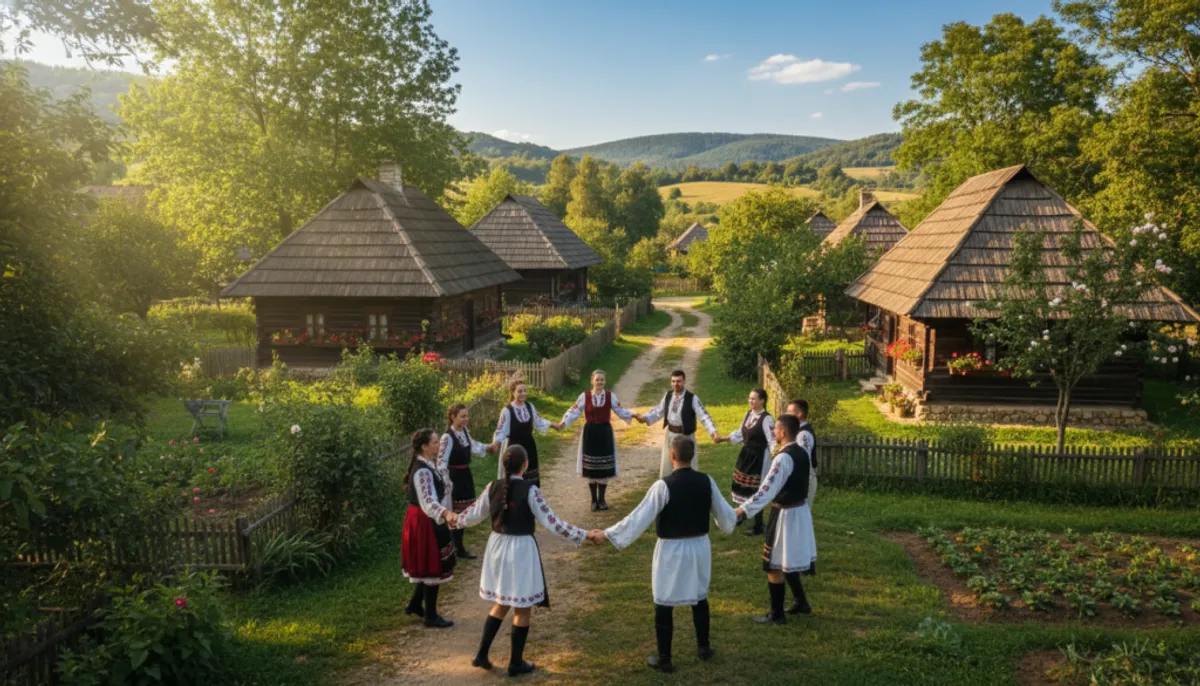
Human relationships prioritize authenticity and closeness. The Serbs value direct and transparent communication.
Social Norms and Komšiluk
The concept of komšiluk represents the spirit of supportive neighborhood. Residents naturally help each other in neighborhood life.
Physical contact is an integral part of exchanges. Three kisses and warm hugs punctuate encounters.
Family and friends form the heart of society. Shared meals strengthen these precious bonds.
Adapting to the Relaxed Serbian Rhythm
Time seems to flow differently in this region. Punctuality follows a more flexible logic than in Western Europe.
In cities like Belgrade, elegant dressing is appreciated. A small gift marks respect during invitations.
This destination offers a favorable cost of living. Integration thus becomes more accessible for newcomers.
Conclusion
The journey through Serbian heritage reveals a unique cultural tapestry. This millennia-old heritage harmoniously blends ancestral traditions and vibrant modernity.
From the rituals of bread and salt to the celebrations of Slava, each tradition strengthens family ties. Legendary hospitality creates a warm atmosphere in daily life.
Learning the language becomes a gateway to this fascinating world. Religious holidays like Christmas celebrated on January 7th offer privileged moments of immersion.
Explore the orthodox churches and participate in local festivities to experience an authentic adventure. This rich culture welcomes you at any age for an unforgettable human journey.
FAQ
What is the most important family celebration in Serbia?
The Slava is a unique celebration. Each household honors its patron saint with rituals, a meal, and great hospitality. It is a significant moment in life that unites parents and friends.
What do bread and salt symbolize in local customs?
Offering bread and salt is a traditional gesture of welcome. It represents a wish for prosperity and friendship for the guest. This practice shows the warmth of social relationships.
What major historical sites can be visited in the country?
The heritage is rich, from the Roman ruins of Gamzigrad to the many medieval monasteries like Studenica. These religious buildings tell a millennia-old story.
How does sport influence national identity?
The achievements of renowned athletes, such as Novak Djokovic, reinforce collective pride. Basketball and water polo are also very popular and unite people.
What is the concept of "komšiluk" in everyday life?
Komšiluk refers to good neighborly relations, based on mutual aid and sharing. It is an important value that shapes the lifestyle in both cities and rural areas.
What typical dishes should be discovered during a stay?
The gastronomy is generous! Try ćevapi (grilled meats), sarma (stuffed cabbage leaves), or kajmak (dairy product). Each region has its specialties.