Imagine an archipelago of over 7,500 islands, of which only a little more than 2,000 are inhabited. This collection forms a nation with breathtakingly diverse landscapes.
The identity of this country is the result of a complex history. It represents a harmonious blend of Malay-Polynesian and Hispanic heritage, tinged with Chinese influences.
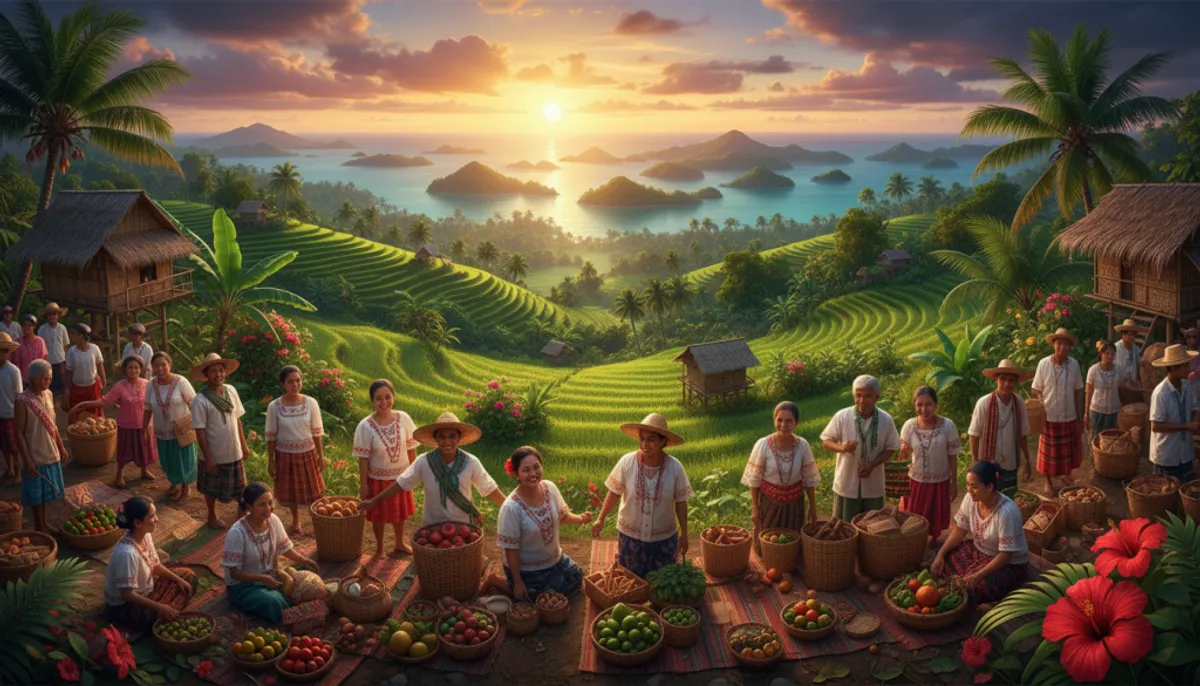
With over 110 million inhabitants, the current population is mixed. Its distant roots trace back to the seafaring peoples who traded across Asia.
Geographically, the territory is divided into three main zones: Luzon, the Visayas, and Mindanao. Daily life there blends ancestral traditions with modernity, creating places of unique charm.
Generally, this archipelago is characterized by exceptional openness. Yet, it fiercely preserves its own identity, offering a fascinating cultural richness.
Key points to remember
- The Philippine archipelago is a vast collection of thousands of islands, shaping a unique landscape and identity.
- Its history has created a rich cultural mix, combining Eastern and Western heritages.
- With over 110 million inhabitants, its population is a crossroads of civilizations.
- The country is divided into three distinct geographical regions, contributing to its diversity.
- Life there is a balance between preserved traditions and modern dynamism.
- This culture is recognized for its openness to influences while maintaining its essence.
The historical foundations and cultural influences
From the earliest settlements, this archipelago has been a crossroads of influences from distant horizons. Its identity has been built layer by layer over time.
Traces of Spanish and American colonization
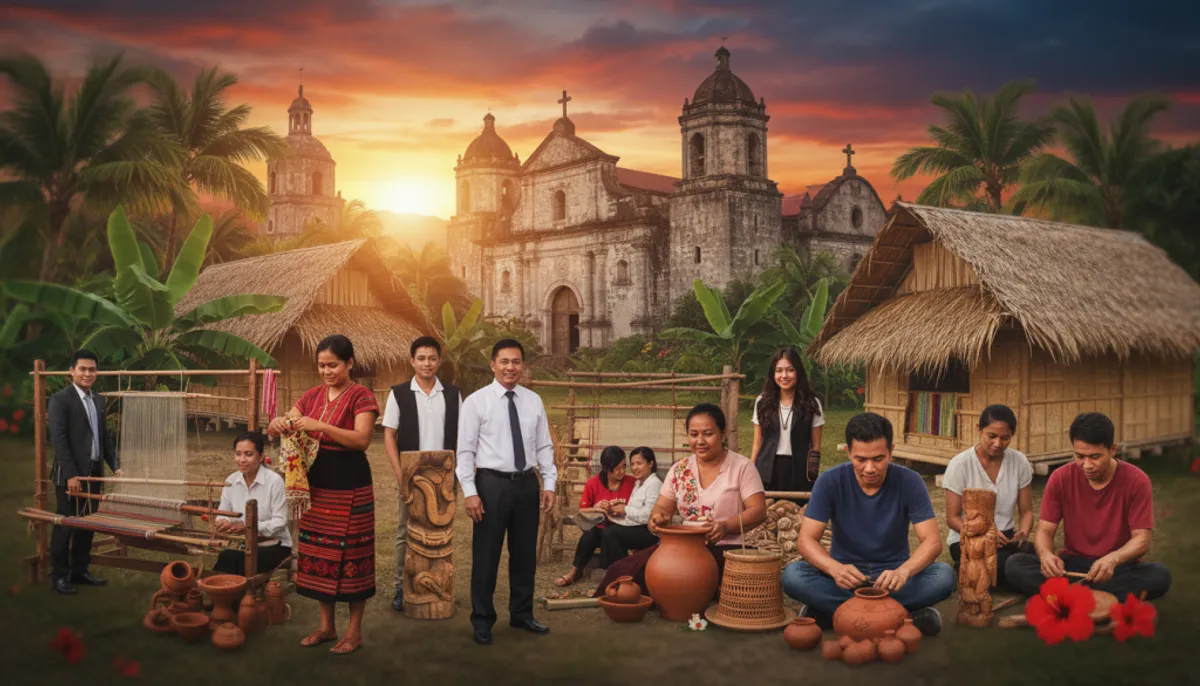
Spanish colonization, lasting over three centuries, profoundly marked the country. It introduced the Catholic religion, making this nation the largest Catholic community in Asia.
Beautiful baroque churches still dot the landscapes. In the 20th century, American influence brought the English language and shaped part of modern popular culture.
The Malay-Polynesian heritages and other ancestral influences
Long before that, Austronesian peoples laid the foundations. These navigators actively traded with China, India, and the Middle East.
These exchanges created a unique blend long before the colonizers arrived. Chinese and Indian influences gradually integrated into local traditions.
This general stratification still shapes the life and beliefs of the population. Catholic religion coexists with older rites.
Magnificent churches stand alongside ancestral sites. This dialogue between eras is fascinating to observe over the long term.
The specifics of Philippine culture
A diversity of dialects and a calendar rich in events characterize this society. Communication and festive rituals define daily life.
Languages, dialects, and typical expressions
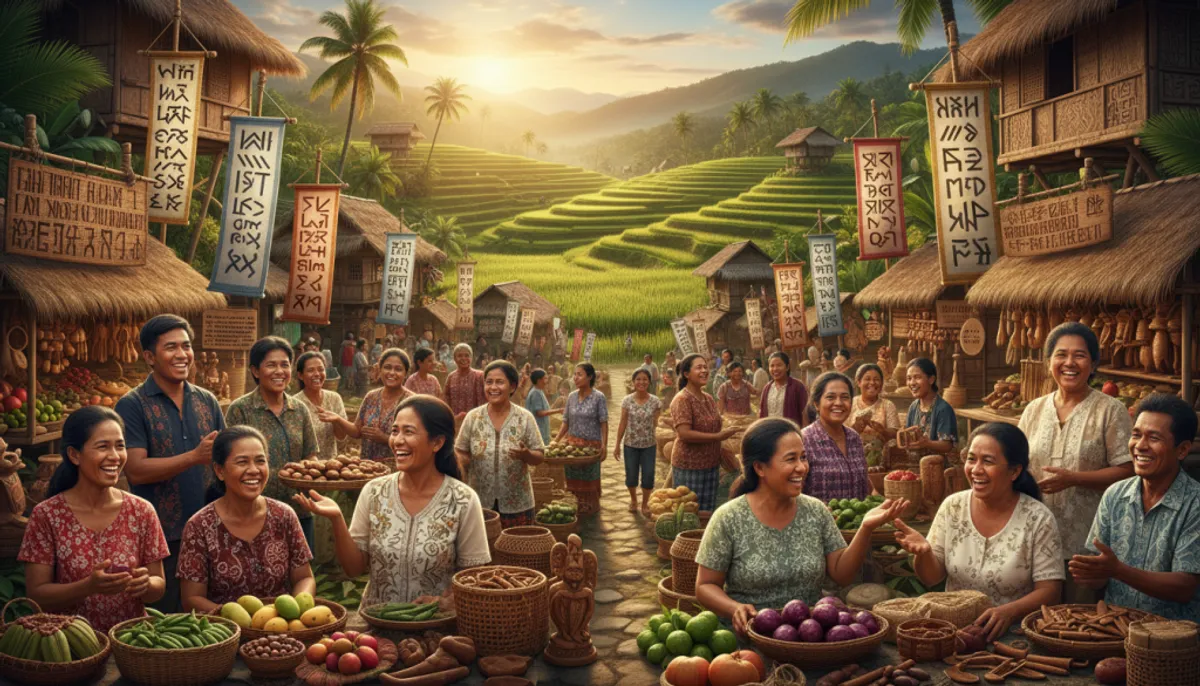
English and Filipino are the two official languages. Tagalog, spoken by many expatriates, is an identity pillar.
Nearly 180 regional dialects are still in use. This linguistic richness is extraordinary. Spanish also remains a living language for millions of people.
Traditions, festivals, and religious practices
The major festivals punctuate the year. Semana Santa blends Christian fervor and joy with a unique intensity.
The Black Nazarene in January, Independence in June, and the Lanterns in December are significant moments. These traditions bring families together.
The smile and humor of the Filipinos are legendary. Traditional dances animate these celebrations. Each festival is a living cultural spectacle.
The art of living in the Philippines: gastronomy and craftsmanship
Daily life in the Philippines is expressed with passion through its flavors and handmade creations. This local life is a feast for the senses.
The culinary richness and local flavors
Rice is the essential staple food. It accompanies almost every dish. The cuisine uses spices for flavorful combinations.
Among the famous dishes are nilagang baka and lechon. Lumpia and pansit are also very popular. These specialties offer comforting food.
Desserts like calamay combine rice and coconut milk. Egg flans complete the meal. A wide variety of tropical fruits accompany them.
| Fruit | Harvest season | Common use |
|---|---|---|
| Mango | March to June | Consumed fresh or as juice |
| Pineapple | All year round | Salads, grills, desserts |
| Banana (varieties) | All year round | Cooked, fried, dessert |
Traditional craftsmanship and ancestral know-how
Local craftsmanship is a true specialty. Talented people perpetuate ancient traditions. Their skills are passed down from generation to generation.
They create beautiful objects from bamboo and carved wood. Rattan is also skillfully worked. These materials bring unique pieces to life.
Textiles like pineapple fiber (piña) are remarkably fine. Abaca weaving and silver jewelry reflect this rich culture. Each creation tells a story.
Wood and bamboo are at the heart of this craftsmanship. They symbolize a deep connection to nature. These works enrich the local heritage.
Practical tips for traveling and integrating in the Philippines
The legendary hospitality of the locals greatly facilitates the integration of visitors. A successful trip relies on respecting a few simple customs.
Customs to respect on site
Respect for elders is fundamental. Use the gesture of “bless” by bringing their hand to your forehead.
Always remove your shoes upon entering a home. Offering a basket of fruits is a highly appreciated gift.
Leave a tip of 20 to 50 Pesos in service places. Above all, never get angry publicly.
Local habits and non-verbal language
The concept of time is flexible. If you are invited, arrive an hour late, except for meals.
Observe body language. People indicate direction with their lips. A raised eyebrow means “yes.”
A constant smile accompanies almost all interactions. This varies slightly between large cities and rural areas.
Travel preparation and tips for a successful immersion
For currency exchange on site, bring US dollars. Bring cash, especially off the beaten path.
Dress appropriately for churches. Otherwise, light clothing is suitable for the climate of the archipelago.
Accept invitations to share a meal. Participate in karaoke, a national passion. Filipinos love to sing everywhere.
These tips will make your trip to this country smoother and more memorable.
Conclusion
At the end of this exploration, one thing is clear: hospitality is much more than a virtue; it is a way of being. Filipinos embody this generosity with disarming naturalness.
Their unique identity is a living culture. Multiple influences have blended to create an extraordinary heritage.
This archipelago offers a journey far beyond tourism. It is a human experience that transforms the visitor.
Every encounter becomes a precious memory. Discovering this country is accepting an invitation to respect and curiosity. You will naturally find your place there.
FAQ
What are the main influences that have shaped this archipelago?
The country is a fascinating mix of heritages. There are deep traces of Spanish and American colonization, especially in religion and language. These contributions blend with very ancient Malay-Polynesian roots, visible in traditions and craftsmanship.
How many dialects are spoken in the different regions?
There are over 170 dialects across the islands! Filipino, based on Tagalog, and English are the official languages. This linguistic diversity reflects the richness of the peoples and regions of the archipelago.
Do religious festivals play a significant role in local life?
Absolutely. Celebrations, often colorful and lively, are central. They reflect a vibrant faith, primarily Catholic, and are significant moments of gathering for families and the entire population.
What is the central element of local cuisine?
Rice is the essential base of the diet, present at almost every meal. The food is a delicious mix of flavors, incorporating seafood, meat, tropical fruits, and Spanish or Chinese influences.
What traditional crafts can one bring back from their trip?
You will find beautiful unique pieces such as fine weavings, wood carvings, or bamboo baskets. These objects carry ancestral know-how and make beautiful authentic souvenirs.
What is the secret to a successful immersion during a stay?
Respect and a big smile open all doors. Adopt a polite attitude, use respectful terms like “po” and “opo,” and be patient. Filipinos are known for their warm hospitality towards those visiting their country.