The Netherlands represents much more than a simple European country. They embody a unique lifestyle that fascinates the entire world with its authenticity and originality. With approximately 17 million inhabitants, this nation in Western Europe has an exceptional heritage.
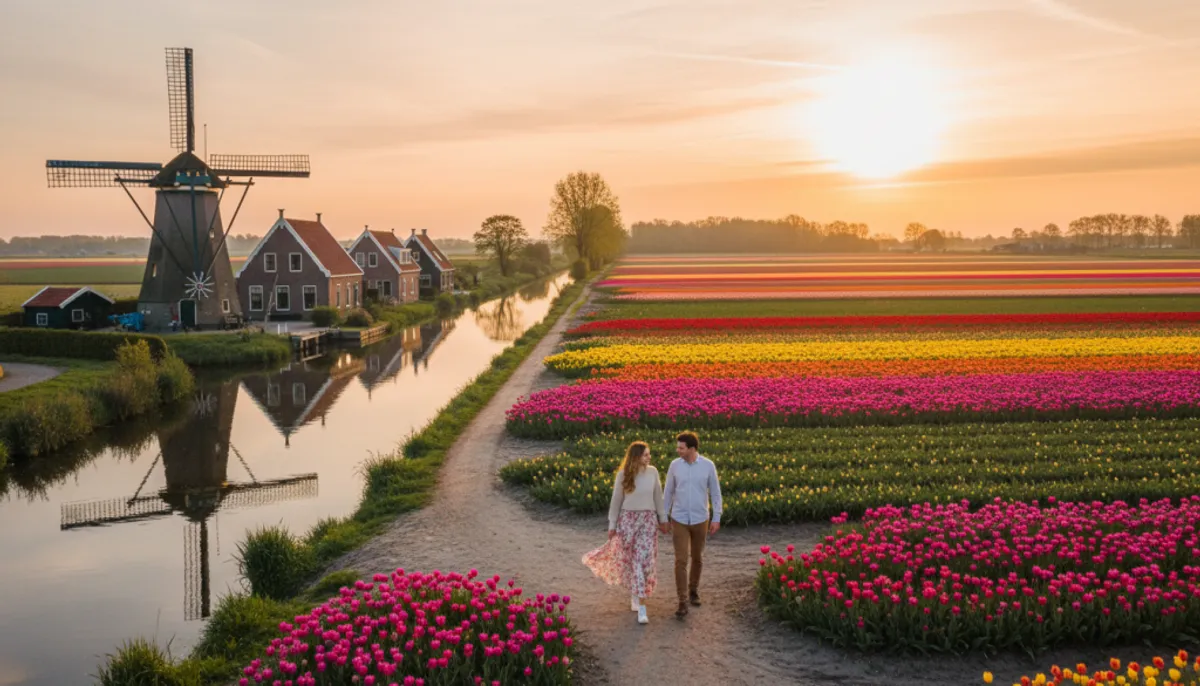
The Dutch heritage is distinguished by its iconic windmills, renowned master painters, and characteristic way of life. These elements symbolize a strong identity where tradition and modernity meet harmoniously.
This article invites you to discover how the inhabitants cultivate values of simplicity, equality, and honesty. You will explore an open and tolerant society that preserves its ancestral traditions while constantly innovating.
Prepare for a captivating journey to the heart of a nation that has profoundly marked European history. You will discover the many facets of a heritage where art occupies a central place and authenticity is celebrated.
Key points to remember
- The Netherlands has a culturally recognized heritage worldwide
- Tradition and modernity coexist harmoniously
- A society valuing simplicity and equality
- A unique and authentic way of life
- Remarkable social innovations
- A significant international artistic influence
Introduction to Dutch culture
A remarkable societal model emerges from the lowlands of Europe, captivating international attention. This unique approach combines tradition and innovation in a fascinating way.
Definition and scope of the term
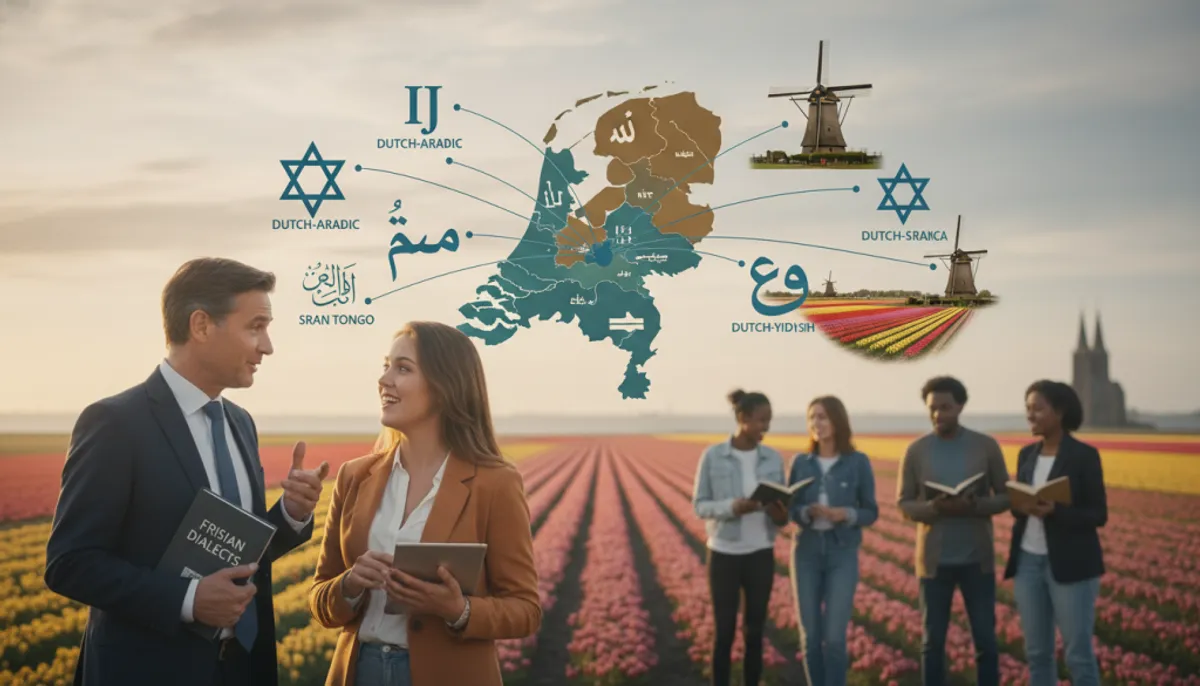
The set of social practices defines this distinctive culture. The inhabitants particularly value linguistic diversity.
The Dutch serves as the official language, but the country officially recognizes several regional languages. This linguistic richness reflects an exceptional heritage.
| Language | Status | Approximate speakers |
|---|---|---|
| Dutch | Official | 17 million |
| West Frisian | Regional | 400,000 |
| Limburgish | Regional | 825,000 |
| Low German | Regional | 1.8 million |
Current context and international interest
The exceptional mastery of English facilitates exchanges with the entire world. This openness particularly attracts international students.
The values of tolerance and pragmatism make the Netherlands a true social laboratory where new innovative approaches are experimented with.
The Dutch education system, recognized worldwide, offers numerous programs in English. This welcoming culture charms with its balance between tradition and modernity.
The influence of this country far exceeds its borders. Its model continues to inspire many contemporary societies.
Historical roots and cultural identities
The Dutch identity has been forged over the centuries through a complex historical heritage. This evolution dates back to Roman times and has undergone major transformations.
History and significant influences
The 15th century marks the beginning of an extraordinary period in artistic history. Masters like Rembrandt and Vermeer revolutionized painting with their chiaroscuro technique.
Maritime trade enabled the emergence of wealthy patrons. They financed an unprecedented artistic production for several centuries.
| Historical period | Significant event | Cultural influence |
|---|---|---|
| 15th-17th century | Golden Age of painting | Flemish School |
| 19th century | Industrialization | Modernization of society |
| 20th century | Secularization | Religious diversity |
Language, traditions, and national symbols
The Dutch language is a fundamental element of national identity. It has several regional dialects that reflect linguistic diversity.
National symbols embody the history and values of the country. The windmills of Kinderdijk symbolize hydraulic ingenuity, while the anthem “Wilhelmus” dates back to 1574.
This historical evolution shows how the culture has managed to preserve its traditions while adapting. The country has become a modern society where various communities coexist.
Daily life and Dutch values
Daily life in the Netherlands reveals distinctive social practices that shape the experience of each inhabitant. This approach to life combines efficiency and authenticity in all aspects of daily life.
The importance of cycling and mobility
The bike is much more than a means of transport. It represents a true way of life adopted by the entire population.
In every city, from children to the elderly, the inhabitants use their bikes for all travel. Cycling infrastructure is among the most developed in the world.
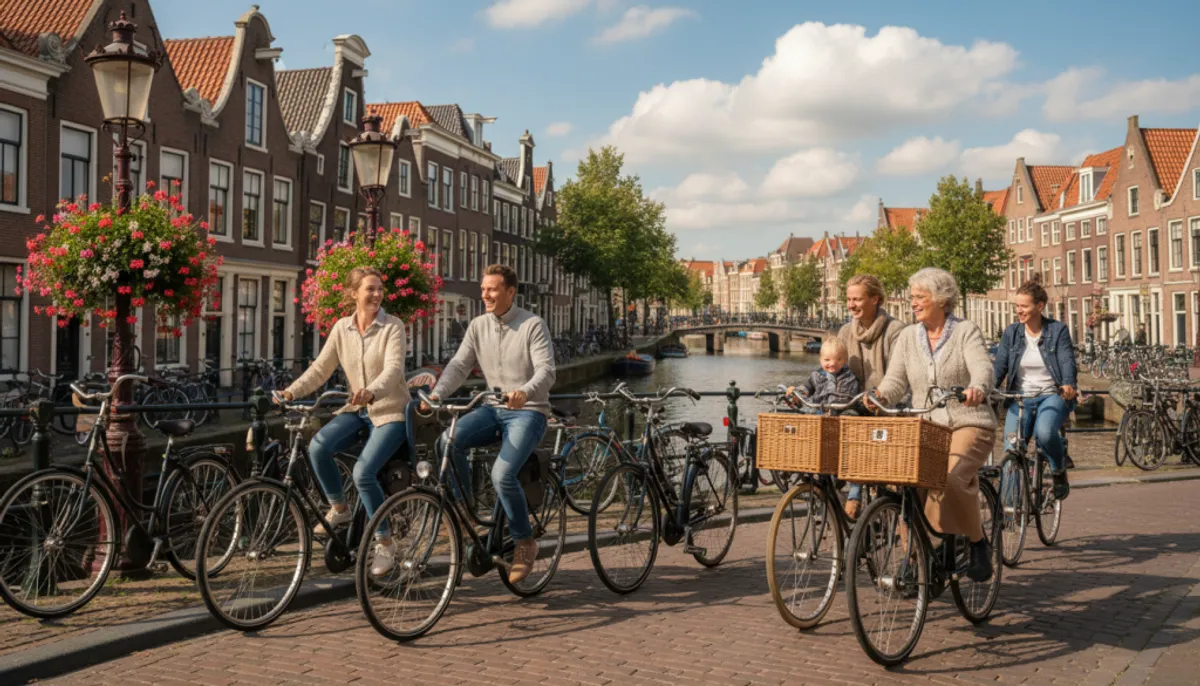
Safety while cycling is taken very seriously. The inhabitants strictly adhere to traffic rules with dedicated bike lanes.
Punctuality, simplicity, and direct communication
Punctuality is a fundamental value in Dutch life. Being late is perceived as a lack of respect.
Direct communication may surprise foreigners. The Dutch prioritize honesty and express their opinions clearly.
These values create a society where professional and personal relationships become transparent. Planning is an integral part of this organized approach to existence.
This philosophy contributes to a balanced and harmonious daily life in every city of the country.
Arts, traditions, and festivals of the Netherlands
The Dutch calendar vibrates to the rhythm of unique celebrations that bring the entire population together. These traditional festivals create exceptional moments of sharing throughout the year.
King's Day, celebrated every April 27, transforms the country into a sea of orange. Each city organizes festive events where a warm atmosphere prevails.
The Dutch artistic scene shines worldwide. International festivals attract visitors from the world over, celebrating a rich and diverse culture.
These cultural events are not mere entertainment. They embody the soul of a nation that knows how to blend tradition and modernity with remarkable talent.
FAQ
Why is cycling so important in daily life in the Netherlands?
Cycling is a true way of life! With a flat country and excellent infrastructure, it is a practical, healthy, and eco-friendly means of getting around. The inhabitants use it to go to work, school, or run errands. It is an essential part of their identity.
What are the most famous events or festivals not to be missed?
Several festivals are must-sees. King's Day transforms the entire country into a massive orange celebration in April. The carnival in the south and the flower parade are also magical moments that attract visitors from around the world.
How would you describe the typically Dutch style of communication?
The Dutch are known for their direct and honest communication. They value frankness and simplicity. This approach may surprise, but it is generally appreciated for its clarity and absence of pretense in both professional and personal life.
What role does language play in the culture of this country?
The Dutch language is a pillar of national identity. It unites the inhabitants and reflects their history. Although almost everyone speaks English very well, using a few basic words like “dank je wel” (thank you) is always greatly appreciated and shows respect for their traditions.