
Welcome to this fascinating exploration of Madagascar's identity. This country is a true mosaic, shaped by twenty centuries of influences from Africa, Asia, and Europe.
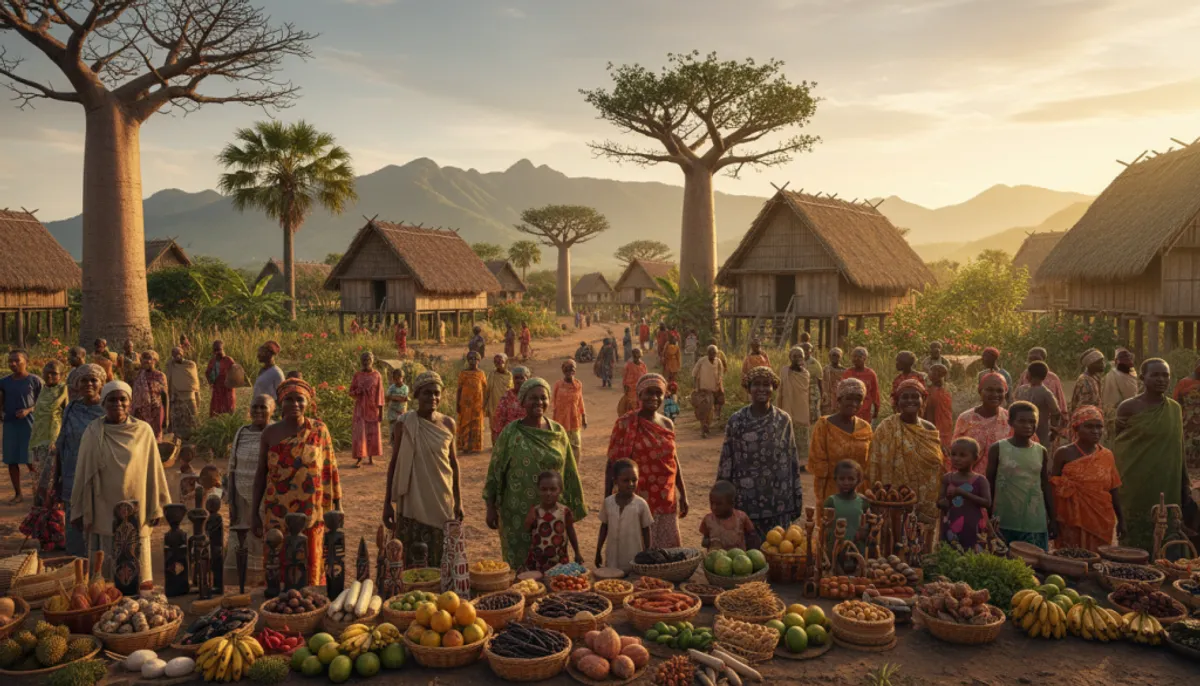
This large island is often nicknamed the “eighth continent.” This name evokes not only its unique biodiversity but also its extraordinary human richness.
Discover the 18 ethnic groups that harmoniously coexist in this territory of 587,000 km². Each contributes its traditions, language, and heritage to the national identity.
This vibrant culture manifests through ancestral rituals, delicious cuisine, and diverse craftsmanship. Understanding these elements is essential for a respectful and authentic journey.
Prepare to explore a universe where the worship of ancestors, the “fady” (taboos), and the “mora mora” philosophy guide daily life. A place where modernity and traditions create a fascinating harmony.
Introduction to Madagascar's Culture
The history of the Malagasy settlement tells of an extraordinary journey across oceans and continents. This large island located in the Indian Ocean offers varied landscapes ranging from paradise beaches to lush tropical forests.
Presentation of the Island and Its Cultural Diversity
Madagascar has about 25 million inhabitants forming an exceptional human mosaic. The population consists of 18 distinct ethnic groups sharing a common language of Austronesian origin.
Each ethnic group contributes to the richness of the national heritage. Their harmonious coexistence creates a vibrant and unique culture in the world.
Historical Context and Multiple Influences
The first inhabitants arrived about 2,500 years ago from Borneo. This bold migration across the Indian Ocean still surprises historians today.
Over the centuries, the country has welcomed successive waves of migrants. Coming from Africa, Asia, and Europe, each brought their traditions.
The French colonial period (1886-1960) also marked Malagasy identity. This influence is particularly felt in the widespread use of the French language.
The Ethnic Groups and Traditions: What Are the Malagasy Cultures
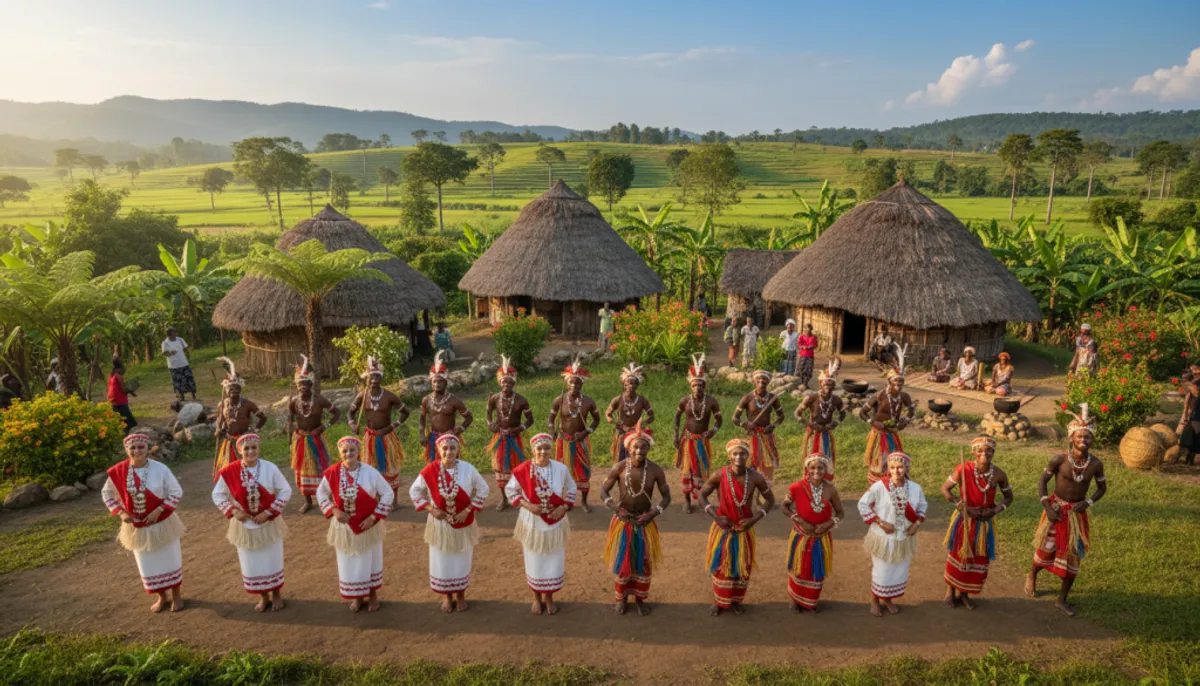
The true treasure of Madagascar lies in the diversity of its human communities. Eighteen distinct ethnic groups form the beating heart of this extraordinary culture.
The Ethnic Groups and Their Heritage
Each ethnic group brings its own tradition and customs, including krou customs, passed down through generations. The Merina from the highlands coexist with the Betsileo, experts in agriculture.
In the west, the Sakalava develop their heritage while the Antandroy roam the spiny forests of the south. The Bara, a herding people, complete this human mosaic.
Other communities like the Antaifasy and Antaimoro enrich different coastal regions. This diversity creates a remarkable harmony across the island.
The Role of Beliefs and Ancestor Worship
The worship of ancestors unites all Malagasy ethnic groups. This spiritual practice transcends differences and creates a sacred bond between generations.
The Malagasy population combines Christianity, Islam, and animism in a unique syncretism. The ancestors are regarded as protective guides influencing daily life.
This deep respect structures society, where elders and families hold a privileged place. Despite their particularities, all share common gestures such as respectful bowing.
Ancestral Rituals and the Turning of the Dead
The famadihana represents one of the most moving and distinctive rituals of the red island. This unique practice in the world testifies to the deep bond between the living and the deceased.
Famadihana: The Rite of Turning of the Dead
The famadihana mainly takes place between June and September in the Highlands. Families organize joyful festivities to honor their ancestors.
The ceremony begins with dances and a communal meal. The sacrifice of a zebu precedes the climax of the turning of the dead.
| Aspect of the Ritual | Period | Key Elements | Significance |
|---|---|---|---|
| Preparation | Before June | Family gathering, organization | Respect for traditions |
| Celebration | From June to September | Music, dance, sacrifice | Intergenerational bond |
| Turning | Closure of the ceremony | New shroud (lambamena) | Renewal of respect |
Other Ritual and Symbolic Practices
Beyond the famadihana, the worship of the dead inspires remarkable funerary art. Family tombs are often richly decorated.
Circumcision is another important rite on the island. Practiced individually or collectively, it marks the transition to adulthood.
These traditions keep the memory of the dead alive. They reinforce cultural identity during the season from June to September.
The Culinary and Craft Diversity of Madagascar
Beyond spiritual traditions, Madagascar reveals a culinary and artisanal heritage of incredible diversity. This part of the local culture offers a unique sensory experience to visitors, including the use of kadéos culture vouchers that enhance the exploration of local crafts and cuisine.
Malagasy Gastronomy: Rice, Meats, and Traditional Dishes
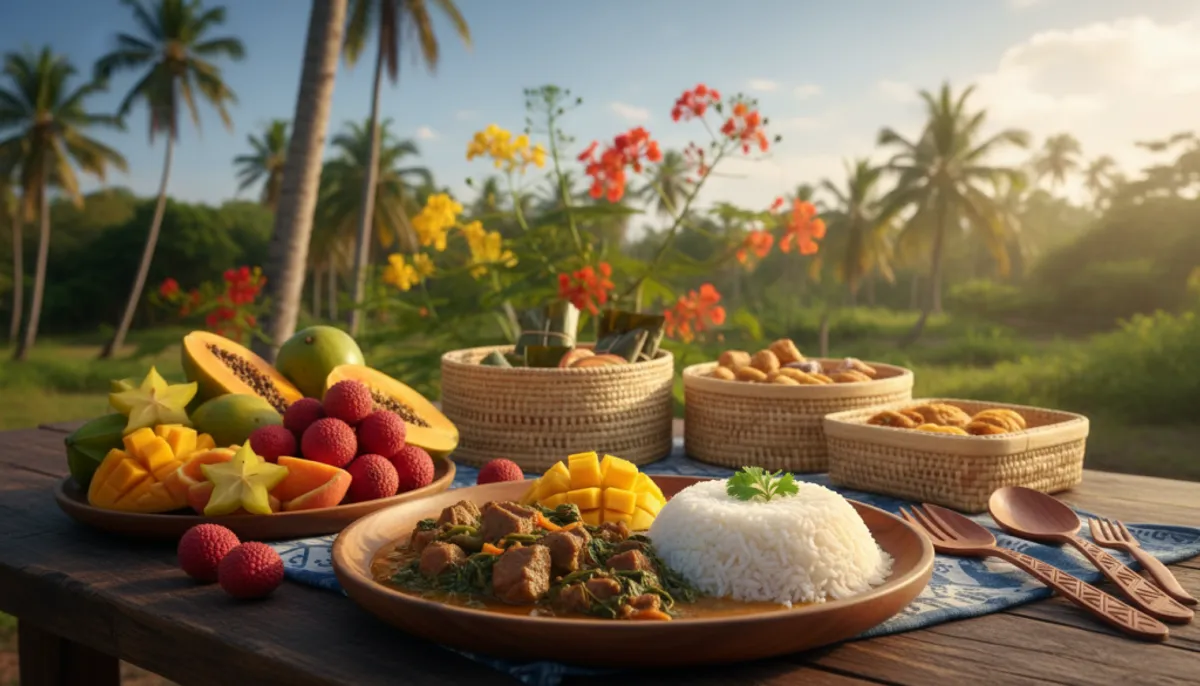
The cuisine of this island is based on three fundamental pillars. Rice is the foundation of almost every meal, consumed three times a day.
The various meats (zebu, pork, chicken) accompany this iconic grain. The national dish, Romazava, slowly simmers zebu meat with brèdes mafana.
| Traditional Dish | Main Ingredients | Typical Region | Occasion |
|---|---|---|---|
| Romazava | Zebu meat, brèdes mafana | Highlands | Daily |
| Ravitoto | Cassava leaves, pork | Center | Celebrations |
| Coastal Dishes | Fish, vanilla, coconut | Coasts | Festive meals |
Craftsmanship, Markets, and Typical Souvenirs
Craftsmanship reflects the creative soul of the country. One discovers traditional basketry, wood sculptures, and Antaimoro paper.
The markets of Antananarivo and Analakely offer a total immersion. Ingenious miniatures made from recycled cans can even be found there.
These authentic creations make memorable souvenirs. They testify to the know-how passed down from generation to generation.
Music, Dance, and Artistic Expressions
Artistic expression in Madagascar vibrates to the rhythm of unique creativity. This part of the national identity captivates with its authenticity.
The musical and choreographic culture tells centuries of history. It unites communities through moving performances, making it a perfect example of playful music learning.
Musical Genres and Traditional Dances
The salegy electrifies parties with its catchy percussion. Originating from the northwest, this genre makes all generations dance.
The hira gasy from the Highlands combines theater, poetry, and music. These performances convey ancestral wisdom with humor.
Each region develops its own musical styles. African, Asian, and European influences create a unique harmony.
Local Artistic and Craft Expressions
Craftsmanship extends this creative richness. Basketry uses raffia and bamboo with exceptional skill.
Wood sculpture produces utilitarian and decorative objects. These works preserve centuries-old know-how.
Colorful textiles and delicate embroidery complete this artistic panorama. This craft tradition testifies to remarkable inventiveness.
Respect for Customs, Fady, and Daily Life
The fady, these sacred taboos, rhythm the daily life of Malagasy communities and guide social interactions. Understanding these prohibitions is essential for a harmonious journey.
Prohibitions and Taboos in Malagasy Life
Each region has its own fady passed down through generations. In some areas, the color red is avoided. Elsewhere, people refrain from eating onions or eel.
The majority of the population still observes these rules seriously. Inadvertently violating a fady can cause a serious offense.
It is therefore crucial to inquire locally before your journey. Ask guides or locals which prohibitions to respect.
Tips for a Respectful and Authentic Journey
Adopt the philosophy “mora mora” which means “slowly, slowly.” This approach to life invites you to slow down and be patient.
Frequently use the word “azafady” (please/excuse me). For tips, count about 10% at restaurants.
Show respect for the elderly, pregnant women, and children. Avoid wild distributions that encourage begging.
A nod or a smile is often sufficient. Avoid being too direct in your interactions. These customs ensure an enriching travel experience.
Conclusion
Exploring the Malagasy cultural universe is diving into the heart of a unique identity shaped by centuries of history and blending. This vibrant culture, including the masks of mali, draws its roots from a multiple origin, creating an exceptional heritage.The respect for ancestors and the rituals honoring the dead testify to a profound spirituality that still guides today. These millennial traditions coexist harmoniously with modernity.
A journey to Madagascar thus becomes much more than just a stay. It is an authentic encounter with a people proud of their heritage, generous in sharing.
The “mora mora” approach invites you to savor every moment. It transforms discovery into an enriching human experience that leaves a lasting mark.
FAQ
What is the “turning of the dead” in Madagascar?
The “turning of the dead,” or Famadihana, is an important ancestral tradition. It is a ceremony where families exhume the remains of their ancestors to wrap them in new shrouds. This rite is a joyful way to reconnect family ties and show respect for the deceased. It mainly takes place in June and July in the Highlands.
What does the word “fady” mean and how to apply it while traveling?
A “fady” is a taboo or prohibition that varies by region, village, and even family. These rules, often related to ancestor worship, can concern food, behaviors, or sacred places. For a respectful journey, it is essential to inquire locally and observe practices to avoid any offense.
Is rice really central to Malagasy diet and culture?
Absolutely! Rice is much more than just a food; it is at the heart of daily life and meals. Often consumed three times a day, it symbolizes life and prosperity. Rice cultivation marks the agricultural year, and sharing it is a fundamental social act throughout the country.
What are the main influences behind Malagasy culture?
The culture of this island is a fascinating blend. Its roots primarily come from Southeast Asia and Africa. Throughout history, Arab and European influences have also been added. This diversity is seen in language, music, and customs, creating a unique identity in the world. Additionally, playful teaching for youth plays a crucial role in passing down these traditions and values to younger generations.
Does zebu meat have a special significance?
Yes, zebu is much more than a source of meat. This animal is a symbol of wealth and social status. It is often at the center of major ceremonies, such as weddings or the Famadihana. Its meat is considered a delicacy, and its ownership is highly valued.