The term “queer” has a fascinating history. Originally, it meant “strange” or “unusual” in English. Today, it refers to sexual and gender minorities.
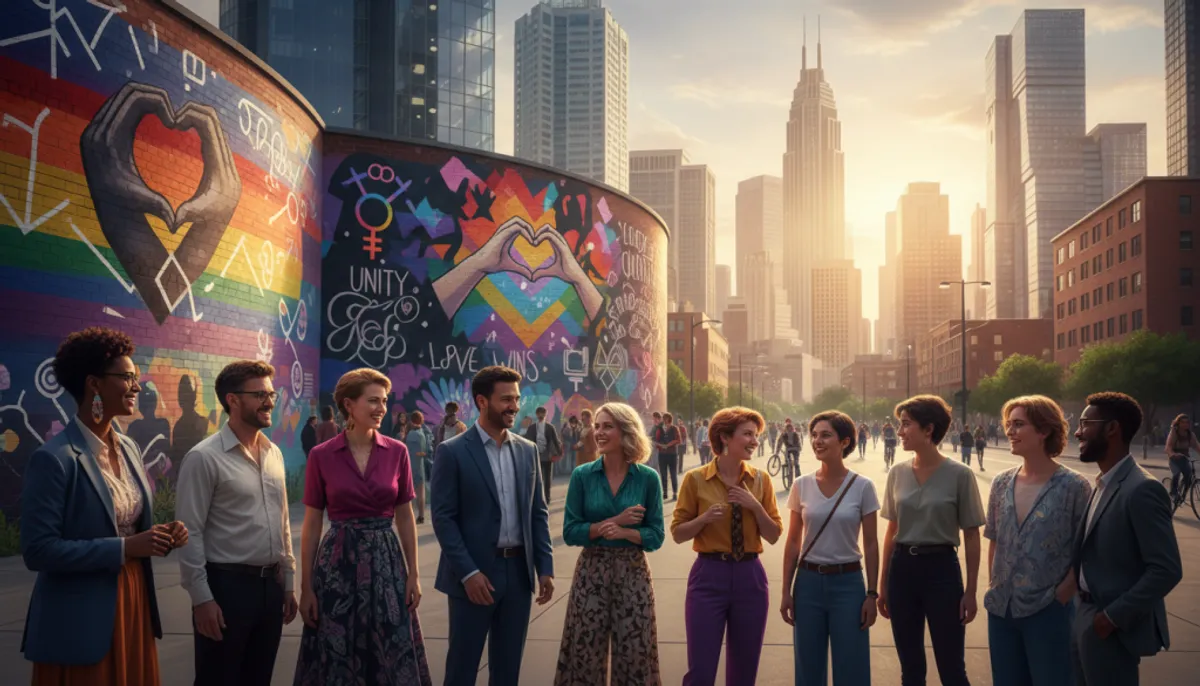
This article explores how a word that was once derogatory has become a symbol of pride. Millions of people around the world have adopted it as a banner of resistance.
The queer culture represents much more than just a label. It embodies a movement for liberation and a philosophy of life. This culture challenges long-established norms.
Understanding this historical significance helps us grasp social transformations, including aspects of kanak history. Attitudes, laws, and representations have evolved thanks to these courageous individuals.
We will discover how this influence has shaped contemporary art. Fashion, graphic design, and philosophical thought bear this distinctive mark.
This historical journey will show us how spaces of freedom have been created. In a sometimes hostile world, solidarity and expression have found their place.
Origins and Reappropriation of the Term Queer
The trajectory of the term “queer” illustrates how an insult can transform into a banner. This word has undergone a complete reversal of its meaning over time.
From Derogatory Use to Identity Affirmation
Until the end of the 19th century, “queer” simply meant “strange.” Its meaning then expanded to pejoratively target minorities related to sex and homosexuality.
Boldly, these same individuals reclaimed the term. They made it a symbol of pride from that time.
A History Extending from the 19th Century to Today
In the 1920s, a segment of English-speaking homosexuals used it to distinguish themselves. They thus claimed social respectability.
After the war, the word fell into disuse. It was replaced by “gay” in the 1960s, deemed more modern.
For researcher Heather Love, reusing this term underscores the collective experience of stigmatization. Few words have undergone such a metamorphosis.
| Period | Dominant Meaning | Social Context |
|---|---|---|
| Before 1890 | Weird, strange | General descriptive use |
| Late 19th – Early 20th | Insult towards sexual minorities | Period of legal and social repression |
| 1920s-1930s | Self-designation by some homosexuals | Strategy of distinction and quest for respectability |
| 1960s-1970s | Obsolescence, replaced by “gay” | Rise of gay liberation movements |
| Late 20th century to today | Inclusive and political banner | Emergence of queer theory and LGBTQ+ activism |
This culture of reappropriation shows the strength of communities. Lesbians, homosexuals, and other minorities have transformed a tool of rejection into a force for emancipation.
The Impact of Culture on Societal Norms
The 1990s saw the birth of a new form of radical and inclusive activism. This movement directly sought to transform the rules of society.
It rejected quiet assimilation. Its aim was a frontal confrontation for fundamental rights.
Struggle for Rights and Visibility of LGBTQ+ Individuals
The creation of Queer Nation in 1990 marked a turning point. This group made public visibility its top priority.
The idea was to proudly designate oneself by a term that was once insulting. This political strategy refused to hide one's identity.
The struggles intensified in the 1980s with the AIDS crisis. Organizations like ACT UP fought stigma with a new urgency.
These actions united gay, lesbian, bisexual, and transgender individuals. They created a strong intersectional community.
| Event / Period | Main Focus | Impact on Norms |
|---|---|---|
| Stonewall Riots (1969) | Resistance against police raids | Starting point for collective mobilization |
| AIDS Crisis (1980s) | Fight against stigma and for care | Galvanization of the movement, increased urgency |
| Queer Nation (1990) | Visibility and confrontation of homophobia | Reappropriation strategy and refusal of assimilation |
| Intersectional Movement (1990s+) | Links between sexuality, gender, race, and class | Broadening struggles beyond homosexuality |
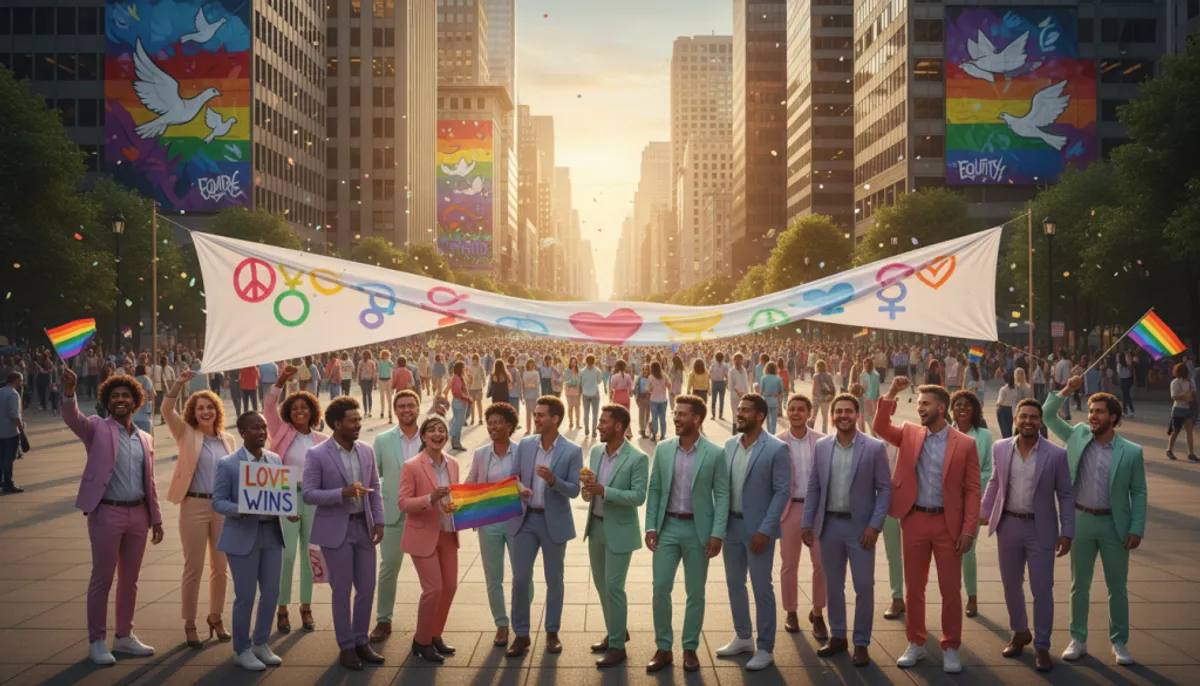
Redefining Conventions and Social Expectations
This movement aimed at the destruction of oppressive norms. It did not ask for mere tolerance.
It claimed total freedom of expression for all minorities. Bisexual, transgender, and other identities were fully included.
This approach surpassed the limits of traditional gay and lesbian movements. It better represented real diversity.
The struggles gradually changed laws and mindsets. They paved the way for a fairer society for every individual.
Influence of Graphic Design in Queer Culture
The exhibition “Brussels Queer Graphics” recently highlighted 70 years of visual innovation. It took place from May 2023 to January 2024.
This event showed how design has become a fundamental pillar within communities. It serves as a tool for communication and identity affirmation for the movement, including expressions of malagasy dance and music.
Iconic Symbols and Contestatory Aesthetics
Strong visual icons have emerged over the years. The lambda by Tom Doerr (1970) and the rainbow flag by Gilbert Baker (1978) are examples.
The work of reappropriation is central. The Nazi pink triangle, transformed into a symbol of pride, was powerfully used in the Silence = Death campaign in January 1987.
These visual forms carry a strong political message. They create a shared identity beyond words.
The Role of Activists and DIY Movements
The Do It Yourself aesthetic dominated in the 1970s. With limited means, activists invented new forms far from conventions.
This liberated creativity nurtured a diversity of expressions. It influenced mainstream design over time.
This part of visual history testifies to struggles and victories. It has forged valuable archives for gay, lesbian, and other communities.
Queer Theory and Philosophical Perspectives
Born in the 1980s, a new philosophical thought radically changed our understanding of identity. This approach, developed within universities, proposes a revolutionary way of viewing gender and sexuality.
Foundations and Evolutions of Queer Theory
Intellectual women like Judith Butler laid the groundwork. Their central work asserts that gender and sexual orientation do not solely stem from biological sex.
They are also the result of social and personal construction. This idea has opened new perspectives for analyzing norms.
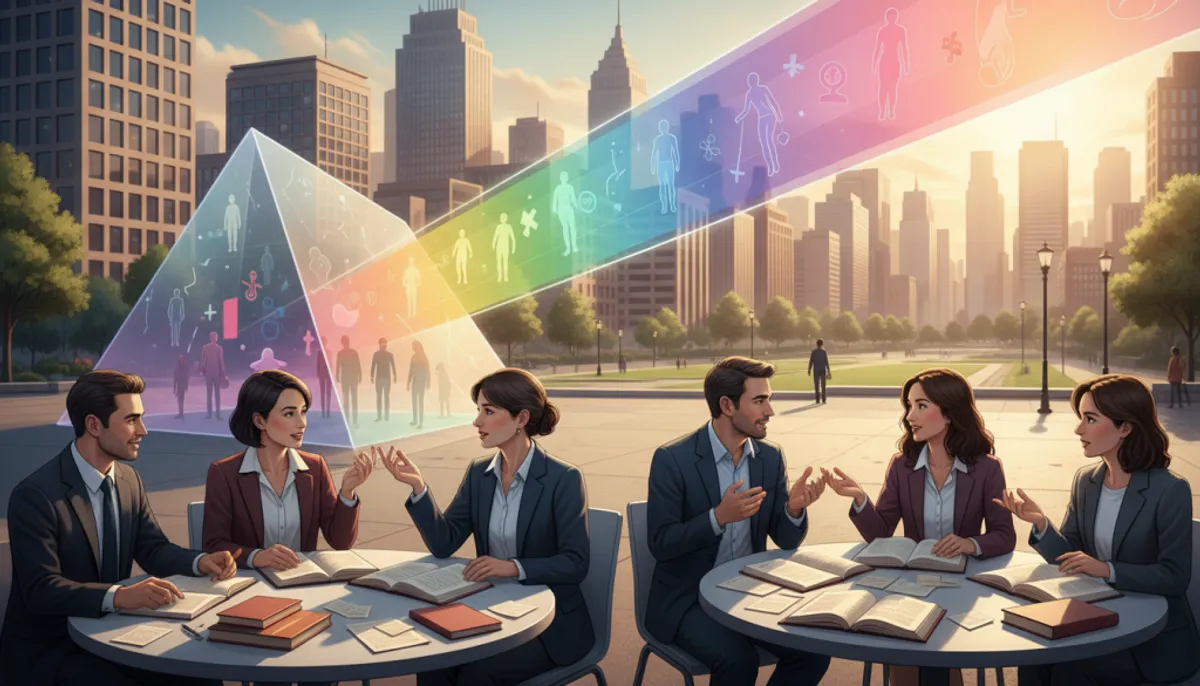
Post-structuralist Influences and Critiques of Norms
Inspired by post-structuralism, the theory questions the idea of a fixed human nature. It emphasizes the role of language in the formation of gender identity.
It establishes a clear distinction between sex (biology), gender (social construction), and orientation (desires). This way of thinking strongly critiques heteronormativity.
This social norm presents heterosexuality as natural and superior. The theory offers a tool to analyze the discrimination of minorities.
Over time, it has allowed for questioning how sexuality norms are imposed. It liberates thought to recognize the legitimacy of every individual.
The Contemporary Reality of Queer Individuals
At the beginning of the 21st century, queer individuals navigate between increased media presence and daily discrimination. This reality is complex and contrasting.
Visibility has grown with shows like Queer as Folk (1999) and Queer Eye (2003). Yet, the term remains painful for part of the community, especially older generations, highlighting the importance of raising awareness among younger generations.
Visibility, Struggles, and Current Challenges
Despite progress since the 1980s, the struggles remain vivid. Stigmatization persists in everyday life.
Those affected face harassment and violence. Family or social rejection can lead to isolation and mental health issues.
Seeking housing or employment often becomes a challenging journey. The dominant social norm makes it difficult to find positive role models.
Significant Initiatives and Social Advances
In the face of these challenges, solidarity is organizing. Many associations act within society.
In France, organizations like SOS Homophobie or Le Refuge provide crucial support. They help individuals in difficulty, especially since each January and throughout the year.
These initiatives defend fundamental rights. They fight for access to care, education, and shelter.
This reality shows the extraordinary resilience of the community. It creates safe spaces where every individual can thrive.
| Area of Life | Persistent Challenges | Support Initiatives |
|---|---|---|
| Housing & Employment | Discrimination in hiring, rental refusals | Legal support, solidarity platforms |
| Mental Health | Stress, anxiety, increased risk of depression | Hotlines, support groups, organizations like Le Refuge |
| Education & Family | School bullying, family rejection | Interventions in schools, family mediation |
| Access to Care | Fear of discrimination in the healthcare system | CeGIDD centers, training for healthcare professionals |
The Importance of Queer Culture in Modern Society
A radical change in the understanding of gender and sexuality has redefined contemporary cultural norms. This movement has transformed the way we perceive identity and orientation.
Plurality of Identities and Cultural Expressions
The diversity of identities is now recognized on an infinite spectrum. Terms like genderqueer or non-binary challenge the link between biological sex and social gender.
This plurality celebrates the freedom to be oneself. It allows each person to define their own path.
Impact on Fashion, Art, and Visual Communication
Fashion has been revolutionized by transcending binary genders. Clothing is chosen for body shapes, not imposed norms.
Since the 1970s, art has integrated bold aesthetics. The Rocky Horror Picture Show and the drawings of Tom of Finland are striking examples.
The queercore movement fused politics with DIY creativity. Visual communication uses bright colors and a subversive reappropriation of symbols.
Conclusion
From insult to pride, the journey reveals exceptional collective resilience. This movement has fundamentally transformed our society by questioning established norms.
It has opened spaces for emancipation for all individuals. The historical importance of this evolution is immense, as shown in this article.
From struggles for rights to the creation of a revolutionary theory, the contributions are numerous. Identity is now understood as fluid and personal, enriching the community.
The queer culture has influenced fashion, art, and graphic design. Its imprint on the contemporary world is indelible, showcasing the impact of culture on societal norms and individual identities.
Despite ongoing challenges, this legacy inspires future generations. The freedom to be oneself remains a universal aspiration, transcending borders.
FAQ
What does the term "queer" really mean today?
Today, “queer” is a generic term used to refer to individuals whose sexual orientation or gender identity does not conform to traditional heterosexual and cisgender norms. It celebrates diversity and a way of living outside of conventional boxes.
Why is queer theory important?
Queer theory is a field of study that challenges fixed ideas about gender and sexuality. It invites us to think beyond binary categories, profoundly influencing our understanding of society and individuals.
How has the visibility of LGBTQ+ communities evolved?
Visibility has significantly increased, notably due to struggles for rights and media presence. Initiatives and movements continue to work for fairer representation and better acceptance worldwide.
What is the role of art and graphic design in this culture?
Art and graphic design are powerful tools for expressing identity and conveying messages. They create strong symbols, like the rainbow flag, that unite the community and spread ideas of freedom and equality.
What are the main current challenges for queer individuals?
Despite social advances, challenges persist, such as discrimination or lack of legal protections in certain places. The fight for equal rights and safety for all remains a major issue.