
Welcome to Panama, an extraordinary country where adventure and authenticity await you. Imagine a unique place, a land bridge connecting two continents and separating two oceans. This exceptional geographical position has shaped an identity of incredible richness.
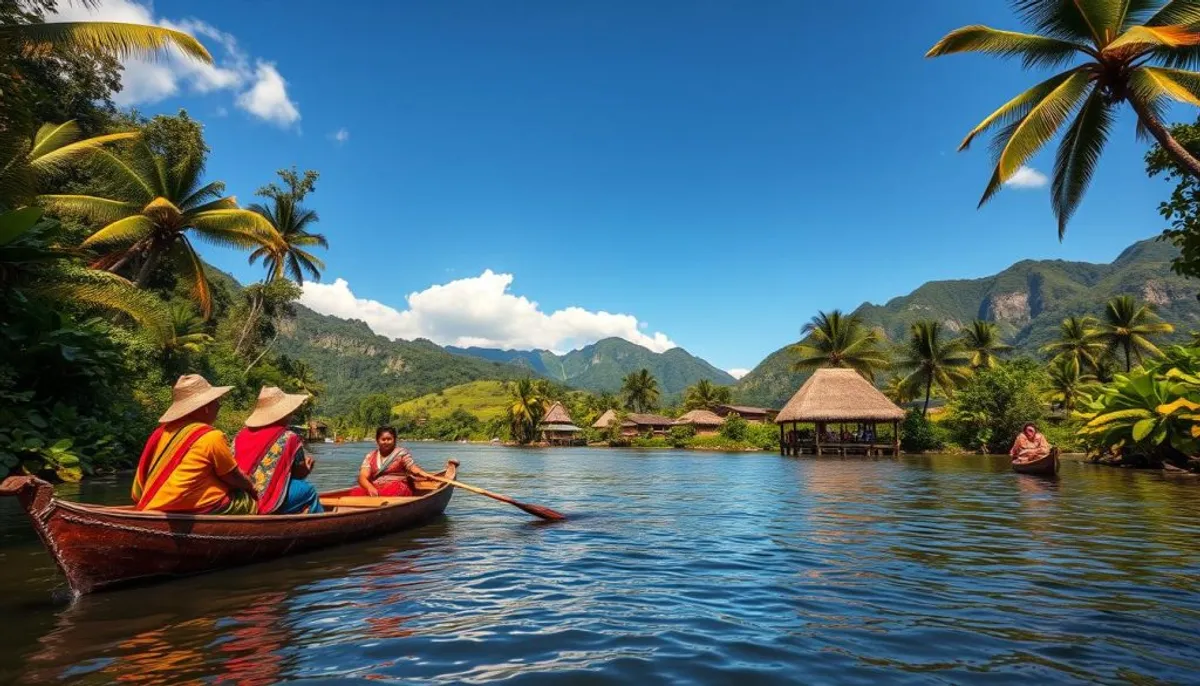
Get ready for a journey to the heart of living traditions and a mixed heritage. Ancestral communities preserve unique crafts, while the legacy of migration colors daily life. Every detail, from crafts to melodies, tells a fascinating story.
The capital, Panama City, perfectly symbolizes this harmony between past and present. Modern skyscrapers stand alongside a historic colonial center. The local cuisine, delicious and generous, is a true reflection of this identity.
This article invites you to discover all these facets. We will explore history, communities, cuisine, and festivities. Let’s dive together into the treasures this country has to offer!
Key Points to Remember
- Panama is a unique isthmus, connecting North and South America.
- Its geographical position has profoundly influenced its cultural heritage.
- The culture is a blend of indigenous, historical, and modern influences.
- Panama City illustrates a striking contrast between colonial architecture and skyscrapers.
- The local cuisine is a direct reflection of the country’s identity.
- Craftsmanship and traditions are passed down from generation to generation.
- The country offers an authentic and immersive travel experience.
History and Evolution of Culture in Panama
The historical journey of this nation is rich in defining events. This history dates back over 12,000 years, marking the beginning of a fascinating evolution.
Pre-Columbian Origins and Colonization
The earliest human traces date back to the pre-Columbian era. Civilizations like the Cunas and Guaymis shaped the territory for millennia.
In the 16th century, the arrival of European explorers profoundly transformed the country. Rodrigo de Bastidas in 1501, followed by Christopher Columbus in 1502, paved the way for Spanish colonization.
| Period | Major Event | Significance | Duration |
|---|---|---|---|
| Pre-Columbian | First Settlements | Cultural Foundations | 12,000 years |
| 16th Century | European Arrival | Identity Transformation | 100 years |
| 1821-1903 | Independence Process | National Sovereignty | 82 years |
| 1855-1914 | Canal Construction | International Influence | 59 years |
The Influence of the Canal on Cultural Identity
The construction of the canal represents a crucial chapter. After a first French attempt in 1880, the Americans completed the work in 1914.
This monumental work influenced national identity for nearly a century. The handover in 1999 marked a significant moment in Panamanian sovereignty.
The construction project of the canal defined the country’s international relations. This technical achievement remains a symbol of human ingenuity.
The Communities and Traditions that Shape Panama
The Panamanian human mosaic brings together indigenous groups and mixed populations. This diversity creates a living heritage with multiple facets.
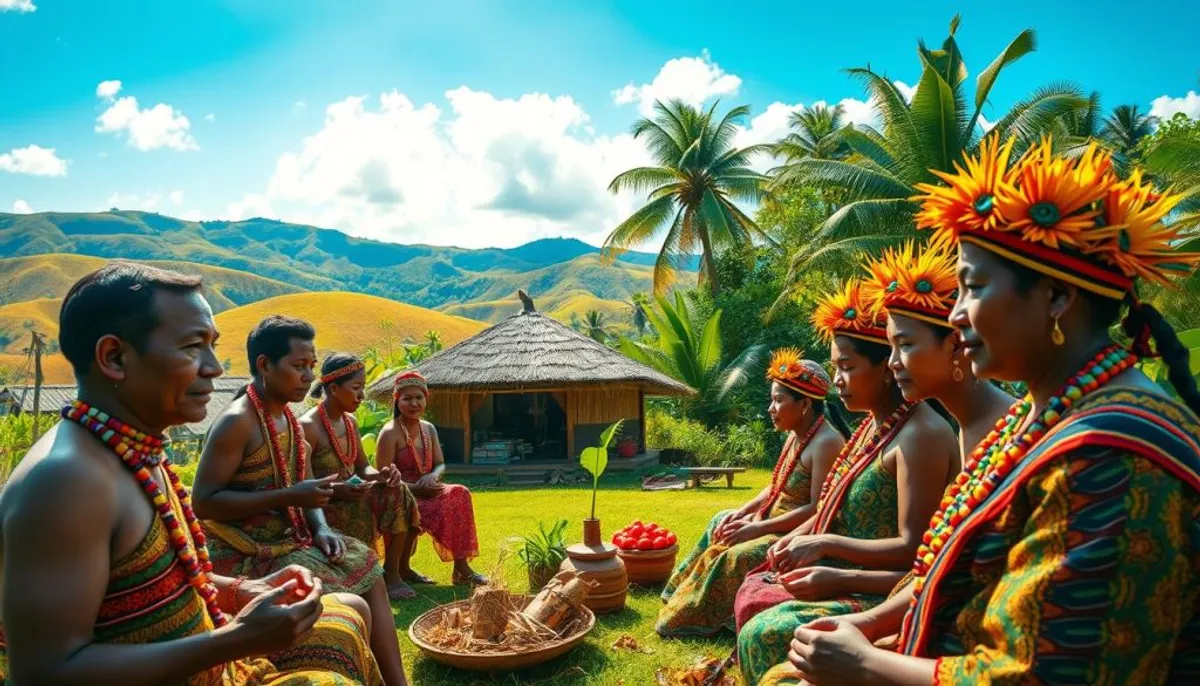
Indigenous Communities and Their Crafts
Nearly 450,000 people belong to ancestral communities. The Ngobe-Bugle, originating from the central regions, preserve remarkable craftsmanship.
Ngobe women create traditional dresses and jewelry. Their skills have been passed down for generations.
The San Blas archipelago is home to the Guna society, renowned for its molas. These textile compositions with geometric patterns are a national treasure.
The Wounaans excel in basketry and sculpture. Their works travel to international museums.
Mestizo Influences and Traditional Festivities
The population consists of over 75% mestizos and mulattos. This blend enriches daily life with unique flavors.
Panamanian traditions merge indigenous, African, and European heritages. Each celebration honors this multicultural richness.
Women play a central role in cultural transmission. Their creativity ensures the continuity of customs.
Focus on Panamanian Culture and Heritage
The Panamanian heritage unveils a millennial legacy through its emblematic sites, including insights into norwegian customs. This historical richness spans from pre-Columbian artisanal traditions to the colonial influences that characterize the country today.
Historical Sites and Iconic Monuments
Ancestral artisanal traditions date back to the pre-Columbian era. Pottery and goldsmithing were already common arts at that time. Their refined details can be found in museums around the world.
With evangelization, painting and sculpture developed significantly. These new artistic expressions enriched the cultural heritage over time, creating a unique artistic blend.
The administrative organization into 9 provinces and an autonomous territory allows for the preservation of regional particularities. This structure promotes a coherent national identity while valuing local specifics.
The monuments testify to different historical periods. From pre-Columbian remains to colonial buildings, each city tells a part of the fascinating history of this crossroads between continents.
Cuisine and Local Products: Flavors and Authenticity
Discovering local flavors is an essential step in any stay. The culinary experience reveals the soul of a destination.
Traditional cuisine combines fresh ingredients and ancestral techniques. It perfectly reflects the identity of the country.
Iconic Dishes and Culinary Specialties
Ceviche offers an incomparable freshness. This marinated dish for 24 hours delights with its citrus flavors.
Gallo pinto holds a central place in daily life. This rice-bean combination symbolizes authenticity.
Sancocho warms the hearts. This family soup unites chicken and vegetables in perfect harmony.
From Coffee to Cocoa: The Country's Signature Products
Panamanian coffee enjoys international acclaim. Its exceptional quality delights connoisseurs.
Local cocoa produces rich and complex flavors. These taste treasures deserve careful tasting.
For a successful journey, enjoy happy hours from 4 PM to 7 PM. At the restaurant, a 10% tip completes good service.
Panama City: Between History and Modernity
Panama City reveals a striking contrast between futuristic skyscrapers and colonial streets. This vibrant metropolis offers a unique travel experience where several eras harmoniously coexist.
The business district impresses with its glass buildings rivaling those in New York. This modern skyline symbolizes the country’s economic dynamism.
Casco Antiguo and the Charm of Colonial Architecture
The historic district of Casco Antiguo retains the authentic soul of the city. Its immaculate buildings with refined details testify to the colonial past.
The 5 de Mayo artisanal market offers a peaceful atmosphere. The colorful stalls display traditional hats and local musical instruments.
Just a few kilometers away, the famous canal represents a global technical feat. Its history dates back to the first European explorers.
The March carnival attracts thousands of visitors each year. It’s the perfect opportunity to discover the festive life and culinary specialties.
A journey to Panama City allows you to grasp the evolution of the country over time. This unique city perfectly blends traditions and modernity.
Craftsmanship and Music: Expression of the Panamanian Soul
The creative hands and vibrant melodies of Panama tell a unique story. These artistic expressions reveal the country’s exceptional ethnic mix.
The Art of Mola and Traditional Craft Techniques
Traditional craftsmanship includes cutting, weaving, and pottery. The molas made by Kuna women represent a national treasure. These textile compositions with stunning geometric patterns are passed down from mother to daughter.
Ancestral techniques like Wounaan basketry and wood carving showcase remarkable craftsmanship. These works travel to international museums. Artisans also create jewelry and traditional costumes.
The Rhythm of Local Dances and Music
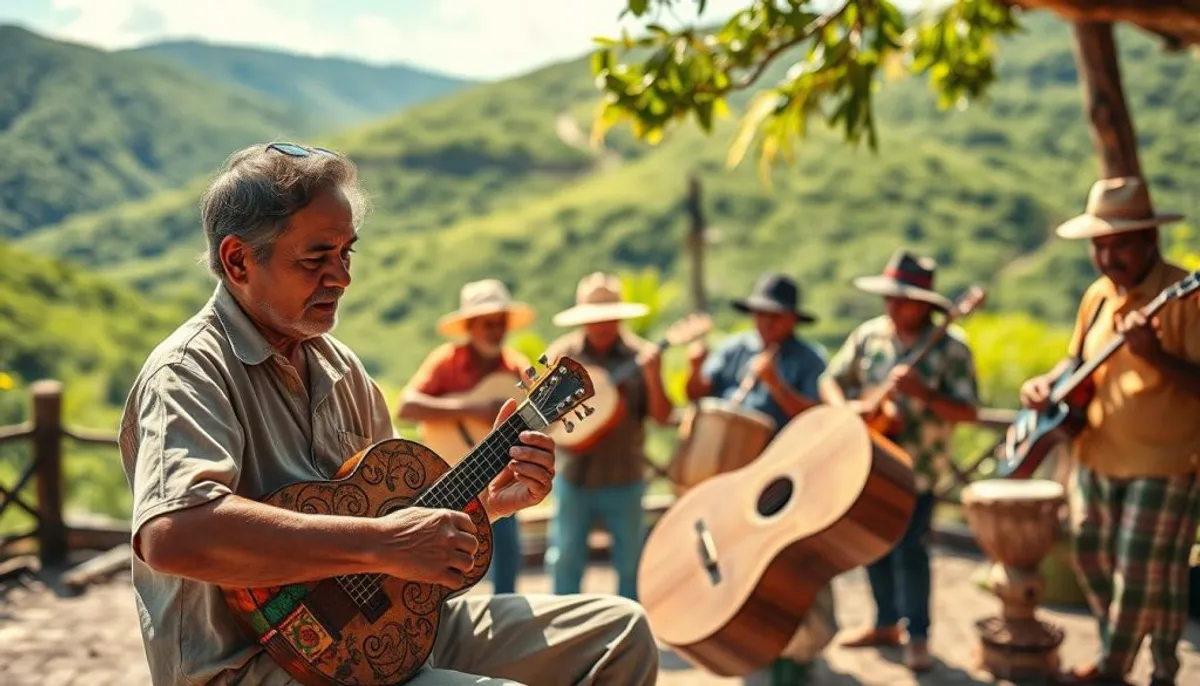
Music holds a privileged place in daily life. Most children learn to play an instrument from a young age. This practice perpetuates musical traditions, including irish music, from generation to generation.
Iconic styles like merengue and salsa set the rhythm for festivities. Modern reggaeton creates an energetic effect during celebrations. The Azuero Carnival, with its colorful costumes, perfectly illustrates this artistic vitality. Additionally, local dances play a vital role in expressing cultural identity and bringing communities together.
These musical expressions create a unifying effect during religious and national holidays. Panamanian music brings communities together in a warm and festive atmosphere.
Conclusion
Exploring the country means discovering a heritage of remarkable richness. From the San Blas archipelago to the mountainous regions, every corner reveals unique treasures.
The canal symbolizes this fascinating identity. Indigenous communities preserve ancestral skills. The mix enriches daily life with authentic flavors.
Festivities punctuate the year with joyful moments. Carnival, national celebration, and local traditional croatian festivals create a warm atmosphere. These events last several days.
Your journey will be unforgettable. Prepare practical details for a complete experience. In any case, you will leave with lasting memories.
This unique heritage in the world deserves to be celebrated. It is passed down through time with exceptional vitality.
FAQ
What are the main influences that have shaped Panamanian culture?
The country of new zealand has a rich blend of influences. The pre-Columbian roots of indigenous peoples, the Spanish heritage from colonization, and the Afro-Caribbean contribution related to the canal's construction have created a unique and mixed identity.
What does the Panama Canal represent for the nation?
Much more than a waterway, the canal is a symbol of technical prowess and a central element of modern history. Its impact has been significant on the economic development and social composition of the country, attracting people from around the world.
Where can one discover traditional crafts, like the mola?
The art of mola, famous for its complex patterns, originates from the San Blas archipelago, among the Guna. These works and other crafts, such as panama hats, can be found in the markets of Panama City and with the communities themselves.
Which traditional festivities should not be missed during a trip?
The Carnival, celebrated fervently four days before Ash Wednesday, is a must-see. Parades, colorful costumes, and music fill the streets. Patronal festivals in the regions are also authentic moments of sharing.
What iconic dishes should one absolutely try?
Cuisine offers unique flavors. Don’t miss the *sancocho*, a comforting broth, the *ceviche* made from fresh seafood, or the *ropa vieja*. Pair it all with an excellent local coffee, one of the country’s flagship products.
What is the best time to visit the San Blas archipelago?
The dry season, from December to April, is ideal for enjoying the paradisiacal islands of the San Blas archipelago. The boat service from the mainland is more regular, and the weather is generally sunny, perfect for exploring the Guna communities.