
Imagine a country where ancient temples reflect in the facades of sparkling skyscrapers. This archipelago of the rising sun offers a permanent spectacle, blending ancestral heritage and cutting-edge innovations.
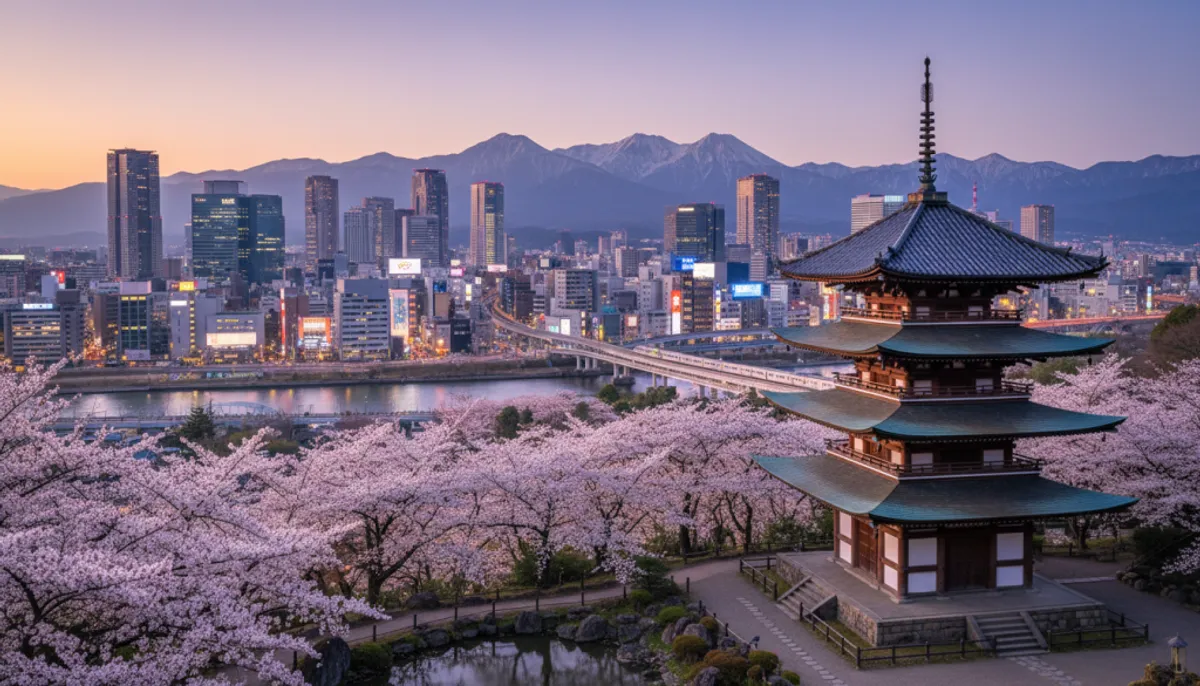
Its unique history explains this blend. Borrowings from continental customs were transformed during a long period of isolation. The sudden opening to the world then accelerated a fascinating metamorphosis.
This alchemy creates a Japanese society deeply attached to its roots while being resolutely oriented towards the future. It captivates every traveler with its balance and uniqueness.
From the delicacy of its traditional japanese arts to the energy of its urban life, every aspect tells part of this story. Let’s dive into what makes this universe so captivating.
Key Points to Remember
- Japan presents a unique balance between a millennia-old heritage and advanced technological modernity.
- Its identity has been built on external influences, transformed during an era of isolation (sakoku).
- The opening of the Meiji era was a decisive turning point for its contemporary development.
- The visual contrast between ancient sacred sites and futuristic architectures is emblematic of its duality.
- This society has managed to preserve its core values while adopting radical innovations.
- The richness of its expressions, from classical arts to pop culture, fascinates an international audience.
The Historical and Linguistic Foundations
The history of language and ideas in Japan is a long saga of borrowings, adaptations, and transformations. These foundations explain many of its unique traits today, including the history of kenya.
Chinese and Korean Influences and the Meiji Era
As early as the 4th century, Buddhist monks brought Chinese writing. The Japanese borrowed a vast vocabulary. This fusion creates a lasting cultural effect.
Confucianism also structures society. It imposes respect for hierarchies and guides the functioning of schools. These values form the basis of social relations.
After a period of isolation, the Meiji era (1868-1912) opened the country to the world. It was a radical turning point for its modernization.
The Evolution of the Japanese Language and Writing
The language developed a unique writing system with three alphabets. This complexity reflects its rich history.
Understanding this language is key to penetrating the Japanese universe. Each system has a specific role.
| System | Origin | Main Use | Example |
|---|---|---|---|
| Kanji | Adapted Chinese characters | Roots of words, names | 山 (mountain) |
| Hiragana | Developed in Japan | Grammar, purely Japanese words | は (particle) |
| Katakana | Developed in Japan | Foreign words, onomatopoeia | コーヒー (coffee) |
These historical and linguistic pillars illuminate all other facets of society.
Traditions and Religions: Between Shintoism and Buddhism
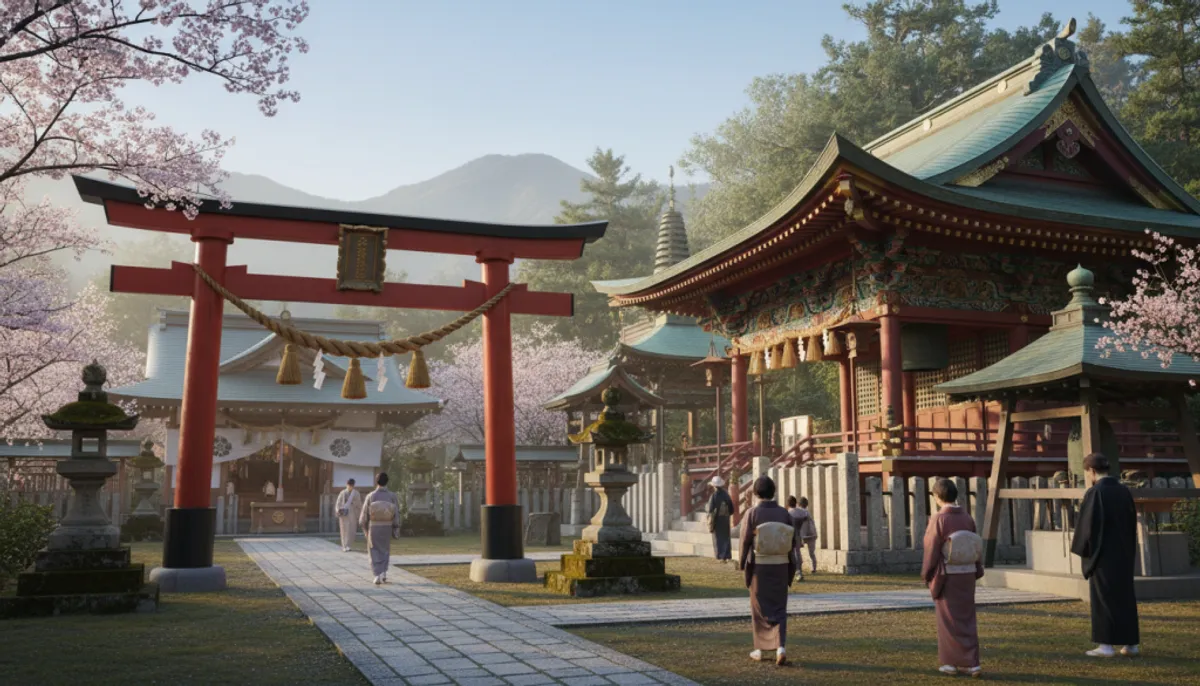
At the heart of Japanese identity, two major religions weave a unique bond with daily life. This Japanese spirituality forms a harmonious blend that has guided practices for centuries.
The Role of Shintoism and Ancestor Worship
Shintoism is the indigenous religion. It is based on ancestor worship and the veneration of kami.
These deities inhabit nature: mountains, rivers, trees. A profound respect for the environment arises from this.
Buddhism and the Impact of Confucianism
Buddhism arrived from China in the 6th-7th centuries. It has a major effect on funeral rites.
Cremation and family burial are examples. Confucianism also influences hierarchical relationships.
Religious Syncretism in Daily Life
Most Japanese people practice both religions. This syncretism is called Shinbutsu shūgō.
Each person can celebrate a birth at a Shinto shrine. Then organize Buddhist funerals.
The rituals related to rice show this link between spirituality and agriculture.
| Religion | Typical Celebrations | Places | Key Philosophy |
|---|---|---|---|
| Shintoism | Births, weddings, festivals (matsuri) | Shrine (jinja) | Harmony with nature, ancestor worship |
| Buddhism | Funerals, commemorations | Temple (tera) | Cycle of life, impermanence |
These temples and shrines coexist throughout the archipelago. They still structure contemporary society through their teachings.
The Art of Living and Japanese Gastronomy
Daily life in Japan transforms simple acts into true arts. Serving a cup of tea becomes a spiritual ceremony.
Preparing a meal is also a ritual of respect. This art of living permeates every moment.
The Tea Ceremony and the Sadō Ritual
The Sadō, or cha-no-yu, is much more than a tasting. Inspired by Zen Buddhism, this ritual codifies every gesture.
The preparation of matcha tea follows an ancestral know-how. It is passed down from generation to generation.
Culinary Delights: Sushi, Ramen, and More
The local gastronomy, Washoku, is a UNESCO heritage. It honors the seasons and fresh products.
This cuisine goes well beyond sushi. It offers ramen, tempura, and okonomiyaki.
Rice is a sacred base. Sake, a fermented rice drink, has its own tasting rituals.
| Practice | Philosophy | Key Elements |
|---|---|---|
| Tea Ceremony (Sadō) | Harmony, respect, purity, tranquility | Matcha tea, specific utensils, codified gestures |
| Gastronomy (Washoku) | Respect for ingredients, balance of flavors, connection with nature | Rice, seafood, fermentation techniques (miso, soy sauce) |
These traditions express a deep balance. They unite aesthetics and the everyday in a quest for harmony.
The Arts and Cultural Expressions
From ancestral gestures to futuristic creations, Japanese arts captivate with their diversity. They embody an ancestral know-how and contemporary creativity recognized worldwide.
Traditional Arts: Ikebana, Calligraphy, Origami
Ikebana, or floral arrangement, seeks harmony. Calligraphy (shodō) transforms writing into pure artistic expression.
Each brushstroke carries a spiritual intention. Origami, the art of paper folding, expresses elegance and serenity.
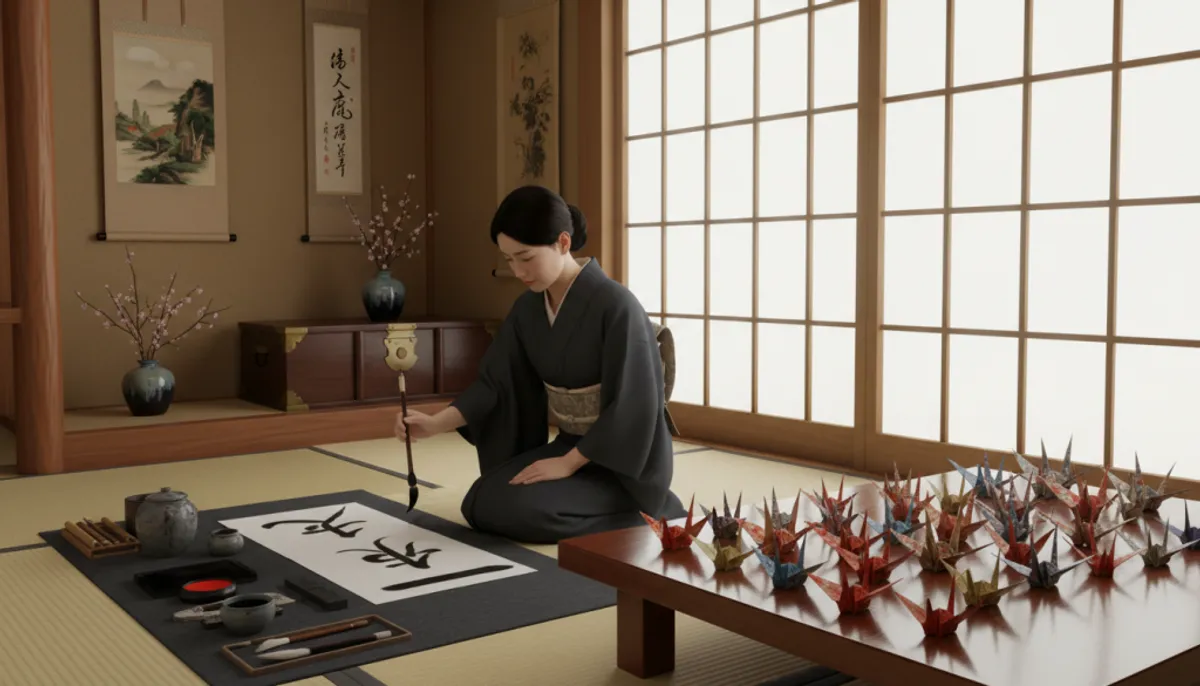
These arts are transmitted in specialized schools. Masters teach their techniques with patience.
Modernity through Manga, Anime, and Contemporary Architecture
Modern culture shines through manga and anime. They represent 25% of the publishing market.
Artists like Osamu Tezuka revolutionized visual storytelling. Hayao Miyazaki created a unique artistic universe.
Japanese architecture also shows this dual face. Wooden temples coexist with bold constructions.
This architecture redefines urban aesthetics. It proves the vitality of Japanese arts today.
Japanese Culture: Between Ancient Traditions and Modern Innovations
Sumo and traditional martial arts are living pillars of Japanese heritage. They show how this archipelago preserves its roots while evolving.
This unique balance fascinates the whole world. It defines contemporary society.
Martial Arts and Sumo as Living Expressions
Judo, karate, and aikido export values everywhere. Respect and discipline are at their core.
Sumo is much more than a sport. It combines Shinto rituals and respect for the elders.
These practices are complete arts. They have shaped character for centuries.
Innovations and Adaptation in a Globalized World
The land of the rising sun excels at integrating foreign ideas. It transforms them with its own identity.
This effect is seen in the matsuri festivals. These ancestral customs adapt to modern life.
Technological innovation extends this quest for excellence. Robotics and design are examples.
| Traditional Aspect | Embodied Values | Modern Expression |
|---|---|---|
| Martial Arts (judo, kendo) | Discipline, self-mastery, respect | Olympic sports, international clubs |
| Sumo | Ritual, hierarchy, spiritual strength | Televised competitions, cultural ambassador |
| Festivals (matsuri) | Community, celebration of the seasons | Urban events, tourist attractions |
| Craftsmanship | Precision, patience, harmony | Cutting-edge technology, innovative design |
This duality creates a dynamic Japanese culture. It inspires and influences well beyond its borders.
Conclusion
This journey through the Japanese universe reveals a remarkable synthesis between past and future. This Japanese culture, shaped over centuries by Shintoism and Buddhism, embodies values of respect and harmony.
Every aspect, from refined cuisine to martial arts, reflects a quest for perfection. The country thus offers an unparalleled cultural experience.
A journey in this archipelago transforms a simple tasting into a lesson of life. Every visited temple tells part of this living heritage.
We invite you to deepen your journey of discovery. Explore its many expressions, taste its unique cuisine, and see for yourself this tradition that continues to inspire the world.
FAQ
How do the two main religions coexist in Japan?
Shintoism and Buddhism do not oppose each other; they complement each other! The former, the worship of kami (spirits of nature), marks the significant moments of life such as weddings. The latter deals more with the end of life and philosophy. Many people practice both, a beautiful example of syncretism.
What does the tea ceremony really consist of?
Much more than just a drink, Sadō is an art of living. It is a codified ritual where every gesture matters, aiming to create a moment of peace and connection with one’s guests. It embodies deep values such as respect, purity, and harmony.
Which traditional arts are still widely practiced today?
Several ancestral disciplines remain very much alive. Ikebana (floral arrangement) seeks balance and ephemeral beauty. Calligraphy (shodō) is a meditation in motion. Origami, the art of folding, is famous worldwide.
Is local cuisine limited to sushi?
Not at all! It is a cuisine of incredible richness. Besides sushi, you will discover delicious ramen, sake-grilled dishes, miso soup, and many other regional specialties. The freshness of the ingredients and presentation are paramount.
How does the country blend traditions and modernity?
The archipelago excels in this balance. You will see ancient temples next to futuristic skyscrapers. Ancestral festivals endure while Japanimation and manga dominate global pop culture. It is this capacity for adaptation that defines Japanese society.