
In the heart of South Asia lies a fascinating country, home to over 207 million inhabitants. Its identity is a vibrant blend of historical, religious, and ethnic influences.
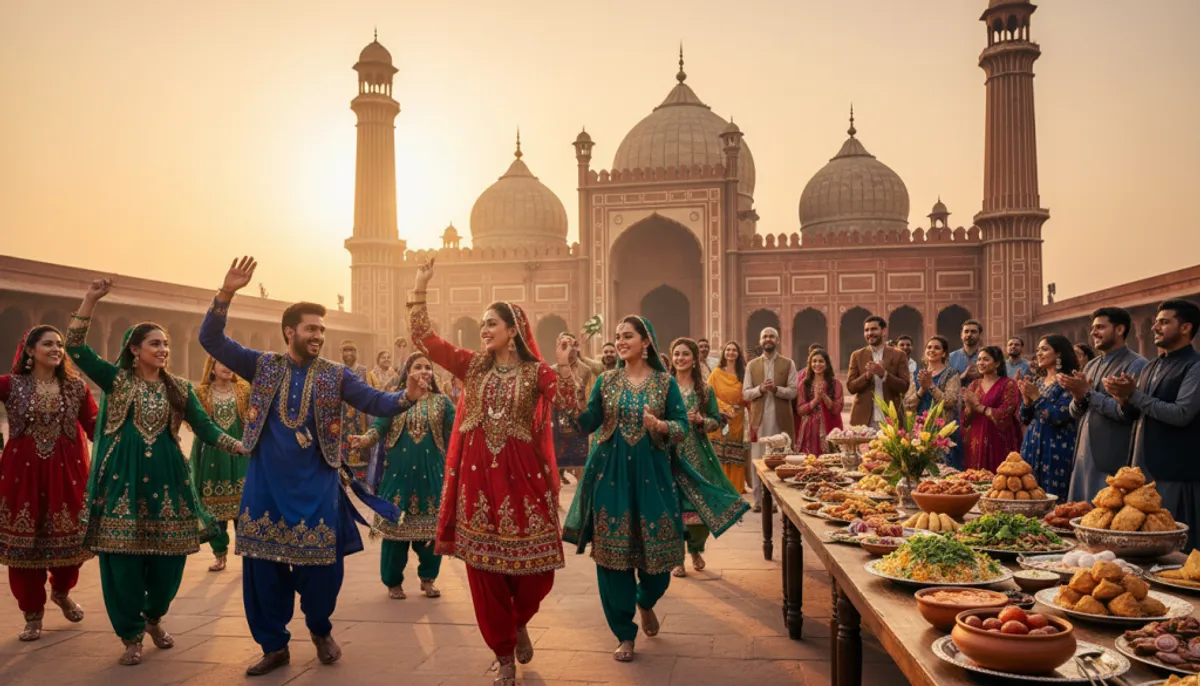
This territory possesses an exceptional heritage that distinguishes it in the world. It shares many roots with its Indian neighbor, particularly in music and gastronomy.
The richness of this nation is expressed through remarkable diversity. There are about 80 languages and well-defined regional traditions.
From the Indus Valley to the Mughal and British empires, each conquest has left a lasting mark. Norms and values vary significantly from one province to another.
Sufi Islam, with its mystical celebrations, constitutes a major identity pillar. This guide invites you to discover the multiple facets of this unique heritage.
Key Points to Remember
- An identity shaped by a unique blend of historical, religious, and ethnic influences.
- An extraordinary linguistic and regional diversity, with about 80 spoken languages.
- A cultural heritage sharing deep common roots with neighboring India.
- A legacy marked by several successive civilizations, from the Indus Valley to the modern era.
- Sufi Islam, with traditions like qawwali, remains a central pillar of collective identity.
- Customs and values that vary significantly from one region to another, forming a national mosaic.
- A rich cultural expression through arts, music, cuisine, and daily social practices.
Introduction to Pakistani Culture
Born in 1947, Pakistan is a young state but rooted in a millennia-old history. This country spans over 800,000 km² and is home to a population of more than 207 million inhabitants.
Historical and Geographical Context
The territory forms a strategic crossroads in Asia. It is bordered by India, Iran, Afghanistan, and China.
This region has witnessed many empires. From the Aryans to the Mughals, each has left a mark.
| Province | Inhabitants (in millions) | Characteristic |
|---|---|---|
| Panjab | 91.3 | Fertile plains of the Indus |
| Sind | 55.2 | Cradle of the Indus civilization |
| Khyber Pakhtunkhwa | 26.8 | Mountainous region |
| Baluchistan | 13.1 | The largest province |
Importance of Cultural Heritage
The site of Mohenjo-daro testifies to a past thousands of years old. The name "Pakistan" means "land of the pure".
This unique heritage is carefully protected. From monuments to oral traditions, everything is precious.
The different provinces, with their millions of inhabitants, collectively enrich this heritage.
Historical Origins and Multiple Influences
The current territory of Pakistan has been shaped by waves of invaders and migrants over millennia. This strategic region has attracted many civilizations.
Each occupation has left a lasting imprint, creating a unique heritage.
Historical Conquests and Migrations
From the Aryans to the British, many peoples have administered this land. The Arabs introduced Islam in the 8th century, transforming the southern part of Asia.
The Persians, Ghaznavids, and Mughals followed. This succession has made the country a true melting pot.
Legacy of Ancient Empires
The Persian Achaemenid Empire established rich and productive satrapies. The Mughal Empire ruled for several centuries, leaving mosques and palaces.
The British colonization lasted nearly two centuries. It marked the structures of the modern state.
The poet Muhammad Iqbal conceptualized the Pakistani state in the 20th century. His influence was significant.
Today, this complex history of laos unites millions of inhabitants. It forms a rich and diverse identity.
Daily Traditions and Customs
Every day, millions of families perpetuate ancestral practices that define their identity. These customs weave the social bond and mark the passage of time.
Local Rituals and Festivities
Respect for elders and generous hospitality are pillars of social life. These values are expressed in every household.
The Sufi heritage brings a deep spiritual dimension. The veneration of saints (pirs) leads the faithful to pilgrimages.
The annual processions (Urs) are moments of intense fervor. They blend devotion with concerts of qawwali, an ancient mystical music.
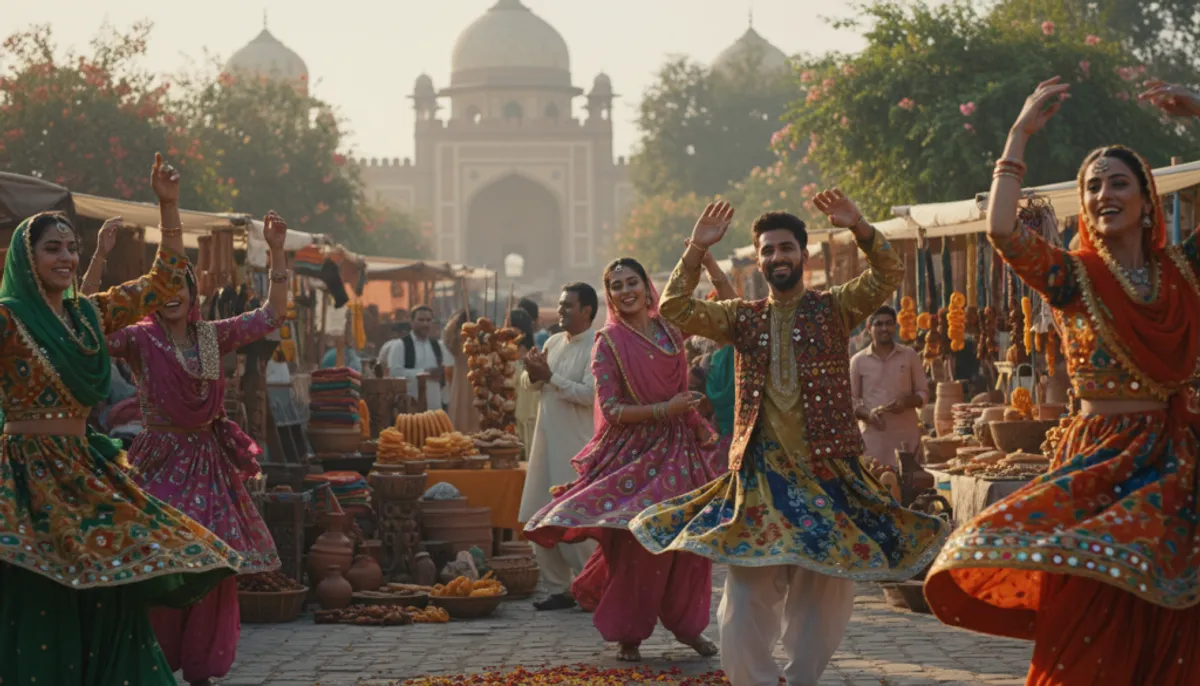
The calendar is punctuated by national and religious celebrations. On August 14, the entire country celebrates its independence in a patriotic atmosphere.
Festivals like Norouz and Eid bring families together around special meals and prayers.
| Event | Type | Period | Key Manifestations |
|---|---|---|---|
| Urs (Saint) | Religious / Local | Variable (annual) | Pilgrimage, qawwali music, feast |
| Independence Day | National | August 14 | Parades, flags, gatherings |
| Norouz | Cultural / Regional | Spring Equinox | Symbolic meals, cleaning, visits |
| Eid al-Fitr / Eid al-Adha | Religious (Islam) | Lunar dates | Collective prayers, almsgiving, sharing of meat |
These traditions vary from one region to another. Each province adds its unique touch to this vibrant mosaic.
Linguistic Diversity and Oral Heritage
The soundscape of Pakistan is a complex symphony where nearly eighty distinct languages and dialects resonate. This richness reflects a history of migrations and exchanges. To unify this mosaic, two official languages are used: Urdu and English.
The Languages and Dialects in Pakistan
Each region has its own voice. Punjabi dominates, the mother tongue of 39% of the population. It is followed by Pushto (18%), Sindhi (15%), and Saraiki (12%).
Urdu, although spoken natively by only 7% of the inhabitants, plays a crucial role. It serves as a lingua franca throughout the country.
This diversity includes unique linguistic treasures. Bravohi is the only Dravidian language in the region. Boroshaski, on the other hand, is an isolate with no known relatives.
This living oral heritage, transmitted through tales and poetry, is the beating heart of national identity.
Artistic Expressions and Traditional Crafts
From delicate embroidery to brightly painted vehicles, Pakistani artistic expression dazzles with its diversity. This heritage includes somali traditional art and is passed down from generation to generation.
Crafts and Ancestral Techniques
Rugs are world-renowned for their complex geometric patterns. They have been woven for centuries in regions like Baluchistan.
Baluchi embroidery is a refined textile art. Women create traditional patterns on clothing.
Luxurious textiles like cashmere and pashmina embody excellence. The papier-mâché from Kashmir produces delicate decorative objects.
Visual Arts and Calligraphy
The visual arts draw from a rich heritage, including visual art forms such as Greco-Buddhist art and Persian miniature painting.
Calligraphy is a major form of art. Masters perpetuate the Nastaliq and Ta'liq styles to adorn mosques.
Mehndī (henna) is a temporary body art practiced during weddings. It follows millennia-old traditions.
Contemporary folk art is expressed in Rickshaw art and Truck art. These vehicles become vibrant mobile works of art.
Music, Dance, and Performing Arts
The art of performance embodies joy, devotion, and the identity of communities across the country. These expressions bring people together during festivities and ceremonies.
They form a living heritage, passed down from generation to generation.
Sufi Music and Qawwali
Sufi music, with qawwali, occupies a central place. This mystical genre emerged in the 13th century.
It unites spiritual poetry and hypnotic rhythms to create a devotional ambiance. The great master Nusrat Fateh Ali Khan popularized this art worldwide.
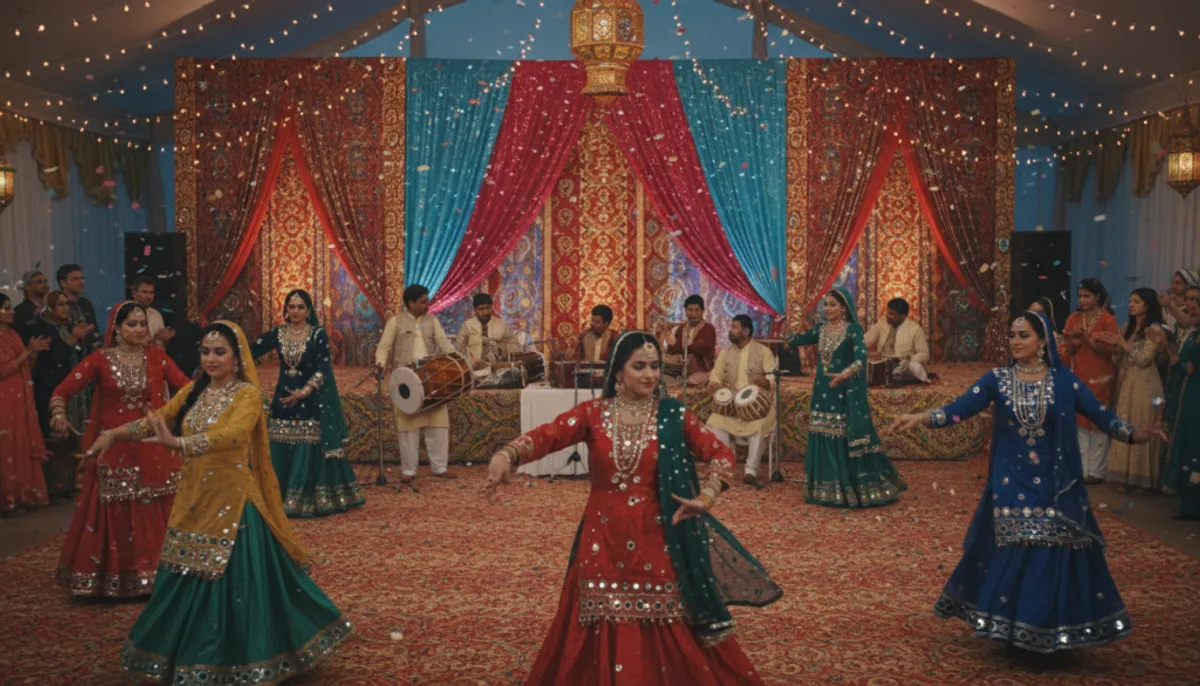
Classical instruments like the sitar and tabla accompany these songs. They have set the rhythm for ceremonies since ancient times.
Traditional Dances and Performances
Dances vary greatly from one region to another. Each style tells a story and celebrates an event.
The Attan, the national Pashto dance, involves circles that gradually accelerate. The Punjabi Bhangra is an explosion of energy at weddings.
Punjabi forms often divide between female and male dances. The Bhand theater adds a touch of popular satire.
This artistic diversity, including the renowned baoulé craftsmanship, is a pillar of local tradition. It continues to evolve while honoring its deep roots.Role of Islam and Religious Influences
The minarets of mosques punctuate the urban and rural landscape, symbolizing an omnipresent faith. Islam is the official religion of the state and the very foundation of its national identity since 1947.
Religious Practices and Iconic Mosques
The majority of the population follows Sunni Islam. A significant Shia minority coexists, which can be a source of diversity and sometimes tensions.
The worship of Sufi saints attracts millions of pilgrims to shrines. This mystical tradition deeply permeates local spirituality.
The mosque is much more than a place of prayer. It serves as a center for education, social gathering, and community assistance.
| Iconic Mosque | City | Main Characteristic | Construction Period |
|---|---|---|---|
| Wazir Khan | Lahore | Colorful tiles and intricate calligraphy | 17th century (Mughal) |
| Faisal | Islamabad | Monumental modern architecture, immense capacity | 1986 |
| Mahabat Khan | Peshawar | Imposing central dome and spacious courtyard | 17th century |
| Aram Bagh | Karachi | One of the oldest places of worship in the city | 19th century |
The five daily prayers, the Ramadan fast, and the Eid celebrations mark the calendar. The pilgrimage to Mecca remains a major aspiration.
Christian, Hindu, and Ahmadi communities also live in the country. The state integrates some principles of Sharia into its law.
The diversity of expressions of faith, from popular Sufism to more rigorous interpretations, shapes a constantly evolving religious landscape.
Social Life and Family Structure in Culture
The Pakistani social fabric is built around strong family ties and ancient community structures. This organization profoundly defines the daily life of millions of people.
Social Organization and Family Values
The extended family, encompassing several generations, forms the core of society. This model creates a strong network of support and solidarity.
The social organization often relies on the Baradari system. This grouping of families is linked and functions as a powerful support network.
Core values include respect for elders and family honor (izzat). Generous hospitality is also a cardinal virtue.
Gender roles remain traditionally defined. Men generally assume the position of head of family and economic provider.
Women primarily handle domestic responsibilities and the education of children. Their condition varies greatly between urban and rural areas.
In rural areas, practices like Purdah (strict veiling) may limit the social mobility of women. Controversial customs, such as Vani or Watta satta, persist in certain regions.
The education of children, especially girls, remains a major challenge. Child labor is also a reality in economically fragile environments.
This complex social structure, partly inherited from pre-Islamic caste systems, continues to evolve in the face of modern challenges.
Pakistani Gastronomy and Culinary Traditions
The enchanting aromas of Pakistani cuisine invite a sensory journey through its regions. It is a savory fusion of Mughal, Persian, and Afghan influences.
It varies greatly from one province to another. Each community adds its unique touch to this national feast.
Traditional Dishes and Street Food
Biryani is considered the national dish. It combines fragrant basmati rice with marinated meat and saffron.
Nihari is a meat stew simmered overnight. It is often consumed on Fridays or for special occasions.
These culinary traditions place central importance on bread. Naan, roti, and paratha accompany every meal.
Street food is highly developed in every major city. It offers an impressive list of delights like samosas and pakoras.
In a city like Lahore, stalls can be found at all hours of the day. Bun kebab and gol gappay are must-tries.
Traditional drinks are also varied. Tea (chai) is consumed several times a day.
Lassi, a whipped yogurt, and Sharbat, fruity syrups, refresh on hot days. Alcohol is only served in some large hotels.
Desserts form a list of sweet delights. Gulab jamun and jalebi are enjoyed on festive days.
Travel and Cultural Discoveries in Pakistan
Pakistan, still preserved from mass tourism, reveals its riches to curious and respectful travelers. A journey here offers an authentic immersion among major historical sites and breathtaking landscapes, making it a prime destination for cultural visits in france.Itineraries and Must-See Sites
Start your exploration in the major cities. Lahore, the cultural capital, is full of Mughal jewels. Islamabad, the modern federal capital, contrasts with its calm.
To the west, Peshawar is a fascinating historical place. Don’t miss UNESCO-listed sites like Mohenjo-daro.
The north of the country reveals spectacular mountains. Isolated valleys like that of the Kalash require several days of travel but are worth the detour.
Tips for an Immersive Journey
Choose the right time for your trip. Spring and autumn are the best seasons.
Plan to wear loose and covering clothing. A veil is required for women in places of worship.
Always ask for permission before photographing people. Avoid taking pictures of law enforcement.
In the north, be flexible. Conditions can change rapidly. Take your time to appreciate every part of this unique adventure.
Conclusion
At the end of this exploration, it is clear that the country is much more than a mere geopolitical entity. It is a vibrant nation where millions of people live, uniting an ancient heritage with the challenges of the modern world. In addition, the influence of france culture stations enriches this cultural tapestry.Its state, founded on a strong identity base, seeks a delicate balance every day. The living conditions, especially for women and children, require constant attention.
Yet, the spirit of resilience and hospitality guides the population. Every celebration, like that of independence, reminds us of this collective strength.
Looking towards the future, the country possesses immense potential. It can be a major player, at the helm of its destiny.
This pivotal moment, at the beginning of this century, is crucial. Exploring this rich culture is an essential part of understanding its time.
Ultimately, Pakistan invites you to discover a world of contrasts, shaped by millions of souls, day after day.
FAQ
What are the most striking traditions to discover during a trip to Pakistan?
You will be struck by the warm hospitality, a pillar of social life. Major religious festivals like Eid, colorful wedding ceremonies, and local festivals such as Basant in Punjab are highlights. These customs, passed down from generation to generation, reflect a deep respect for heritage and community ties. Additionally, conducting a safety culture analysis can enhance understanding of how these traditions influence social interactions.
How does cultural heritage manifest in the country's architecture?
Architecture tells a story of multiple influences. From the ruins of the Indus civilization at Mohenjo-daro to Mughal mosques like Badshahi in Lahore, the world sees a unique blend. In the north, mountain forts and decorative wooden motifs illustrate adaptation to local conditions and ancestral know-how.
What is the linguistic diversity on site and which language to use for travel?
More than sixty languages and dialects are spoken! Urdu is the national language, but Punjabi, Sindhi, Pashto, and Balochi are widely used depending on the regions. English is very present in cities and for business, making communication during your stay much easier.
What forms of traditional crafts can be brought back as souvenirs?
Craftsmanship is incredibly rich. You will find blue pottery from Multan, embroidered rugs from Baluchistan, carved wooden objects from the Swat Valley, and beautiful calligraphy motifs on copper or textiles. Each piece is the result of ancestral techniques and makes for an authentic souvenir.
What is the role of music and dance in daily life?
How does religion influence lifestyle and the calendar?
Islam, practiced by the vast majority of the population, structures the rhythm of the year and daily life. The five daily prayers, the holy month of Ramadan, and the two Eid celebrations are central markers. Mosques, from the most modest to the most iconic, are places of worship and social gathering.
How is the family organized and what are the main social values?
The extended family is at the heart of social organization, providing strong support. Respect for elders, honor, and solidarity are fundamental family values. Important decisions are often made collectively, and events like weddings bring the entire community together.
What must be tasted in local cuisine?
The cuisine is a festival of flavors! Don’t miss the spicy biryani, karahi (meat stir-fry), naans, and dal (lentils). In street food, samosas, chaat, and skewers (seekh kebab) are delicious. Each region has its specialties, from northern mountain dishes to southern fish preparations.
What itineraries should be prioritized for a successful cultural immersion?
For a complete trip, start with history in Lahore and Karachi. Then, head north to the valleys of Hunza and Swat, where landscapes and local traditions are breathtaking. Include a historical site like Taxila or the Baltit fortress. Meeting locals is key to an immersive experience.