
Welcome to this guide that opens the doors to a European destination with a unique charm. Nestled in the heart of the Balkans, this country holds fascinating surprises for you.
Its history, including the history of cyprus, is a true mosaic, shaped by the Roman, Byzantine, Ottoman, and Austro-Hungarian empires. Each has left a profound mark, creating a legacy of incredible diversity.
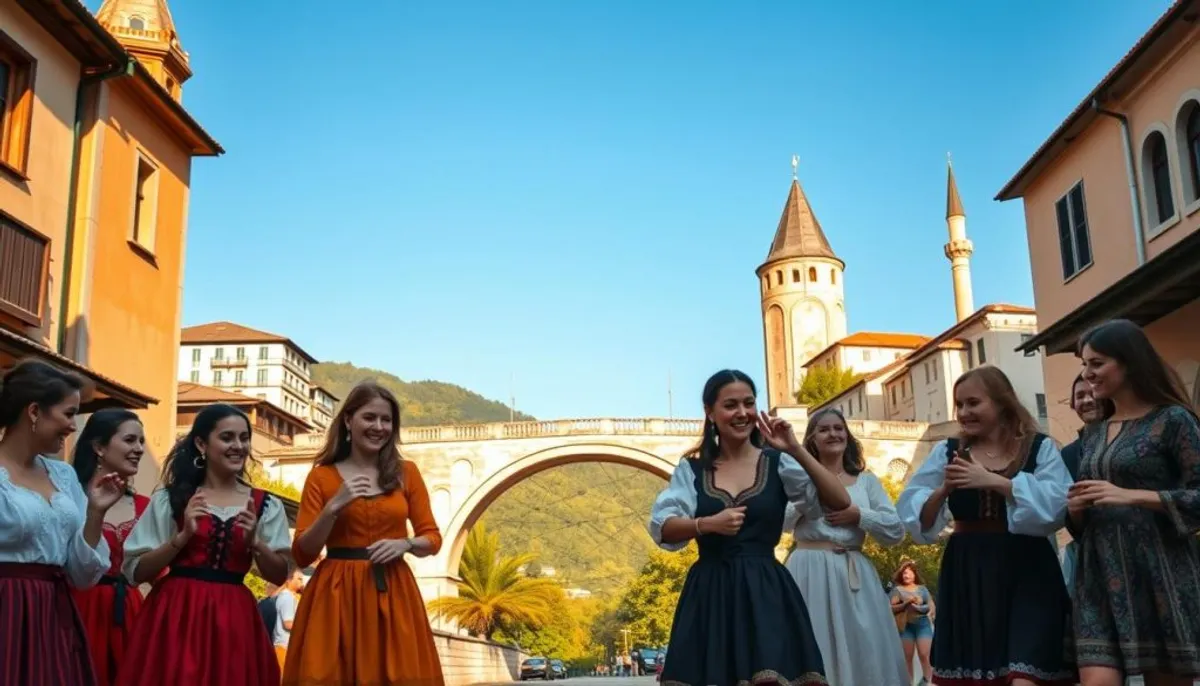
The capital, Sarajevo, has long been the intellectual center of the Balkans. Here, mosques, churches, and synagogues stand side by side, symbols of peaceful coexistence.
Despite the destruction of the war in the 1990s, many treasures have been saved. Restoration efforts, notably with UNESCO, have revived jewels like the famous bridge of Mostar.
Prepare for an authentic journey through a vibrant culture, delicious gastronomy, including macedonian cuisine, and warm hospitality. This country is a lively crossroads between East and West.
Key Points to Remember
- Bosnia and Herzegovina is a Balkan country with a rich and complex history.
- Its heritage is marked by the influence of several great empires.
- Sarajevo, the capital, is renowned for its religious and architectural diversity.
- A significant part of the heritage was damaged during the war, but many sites have been restored.
- The country offers a unique blend of Eastern and Western traditions.
- It is a destination to discover an authentic and welcoming culture.
Introduction to a Journey into a Fascinating Culture
Located at the crossroads of civilizations, this state tells a unique European epic. Its mountainous territory forms a natural bridge between East and West.
Historical and Geopolitical Context
The Ottoman era profoundly marked the region from the 15th to the 19th century. Following the Berlin Congress, Austro-Hungarian administration took over. The assassination of Archduke Franz Ferdinand in July 1914 in Sarajevo plunged the world into war.
The Titoist Yugoslavia then brought together six republics in a complex federation. Serbs, Croats, and Bosniaks shared a common space. Three religions and two alphabets coexist within this political entity.
Overview of Cultural and Religious Influences
Independence in 1992 triggered a destructive conflict lasting four years. This war deeply affected the inhabitants and their heritage. It pitted different communities against each other against a backdrop of nationalist tensions.
The Dayton Accords signed in November 1995 established the current peace. They created the modern Bosnian state within its current borders. This country remains a laboratory of multicultural coexistence.
Every monument and tradition carries the memory of this rich history. Eastern and Western influences converse in the daily landscape, including elements of slovenian folklore that enrich the cultural tapestry.
The Origins and Evolution of Bosnian Culture
Dive into the deep roots of an identity forged over the centuries. This history dates back to the ancient civilizations that marked the territory.
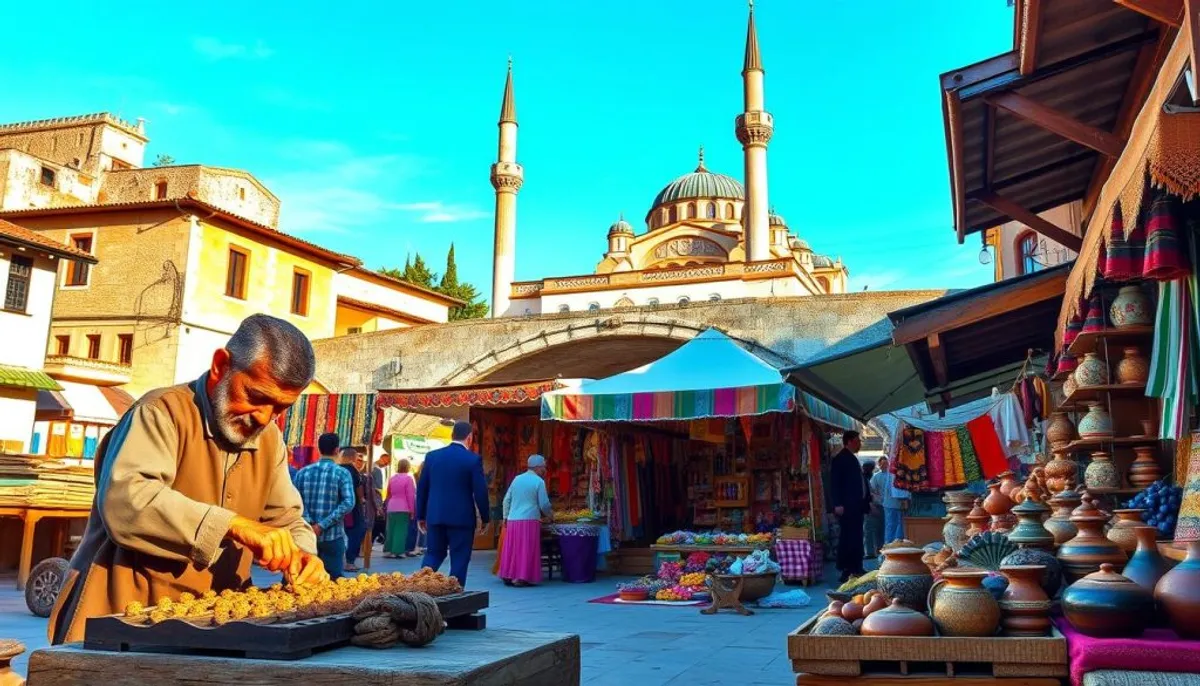
From Ancient Civilizations to Ottoman Influences
The Ottoman era profoundly transformed the region over four centuries. About a third of the population converted to Islam, creating a unique multicultural society.
Following the decline of the Ottoman Empire in the 19th century, new European influences arrived. This transition introduced Western architectural elements while preserving the Eastern heritage.
The Impact of Wars and Political Transitions
The 20th century was marked by major upheavals. The war for independence from 1992 to 1995 particularly affected the country.
This conflict pitted the Bosnian state against the Serb Republic of Bosnia. The Serb Republic waged a destructive campaign against the cultural heritage.
The Srebrenica massacre in July 1995 remains a tragic event. Most historians consider this period a decisive turning point.
Today, this complex history explains the remarkable resilience of this society. Despite the trials, it retains its unique and welcoming character.
The Religious and Spiritual Heritage in Bosnia and Herzegovina
At the heart of the Balkans, religious diversity is a fundamental aspect of national identity. This spiritual richness manifests through a unique coexistence among different religions.
Islam and Its Historical Traces
Islam represents about 50% of the population, a direct legacy of four centuries of Ottoman influence. Muslims have established their lasting presence in this first European zone.
The magnificent Ottoman mosques dot the urban and rural landscape. These buildings testify to a rich history and a deeply rooted spiritual tradition.
Orthodoxy, Catholicism, and Interfaith Coexistence
Christians are divided between Orthodox (mainly Serbs) and Catholics (generally Croats). This duality creates a complex and fascinating religious landscape.
Orthodox and Catholic churches coexist peacefully in the same neighborhoods. This harmony symbolizes the tolerance that characterizes this multicultural society.
The Interreligious Council actively works to maintain dialogue among the different faiths. This collaboration ensures respectful coexistence despite historical challenges.
Art, Literature, and Architecture: Reflections of a Vibrant Heritage
Artistic creations tell the soul of a people with particular eloquence. They transcend eras and borders.
Artistic and Craft Expressions
Traditional crafts thrive in different areas of the territory. Calligraphy, metalwork, and pottery preserve ancestral techniques.
Artists like Mersad Berber and Safet Zec have gained international fame. Their works merge Eastern and Western influences.
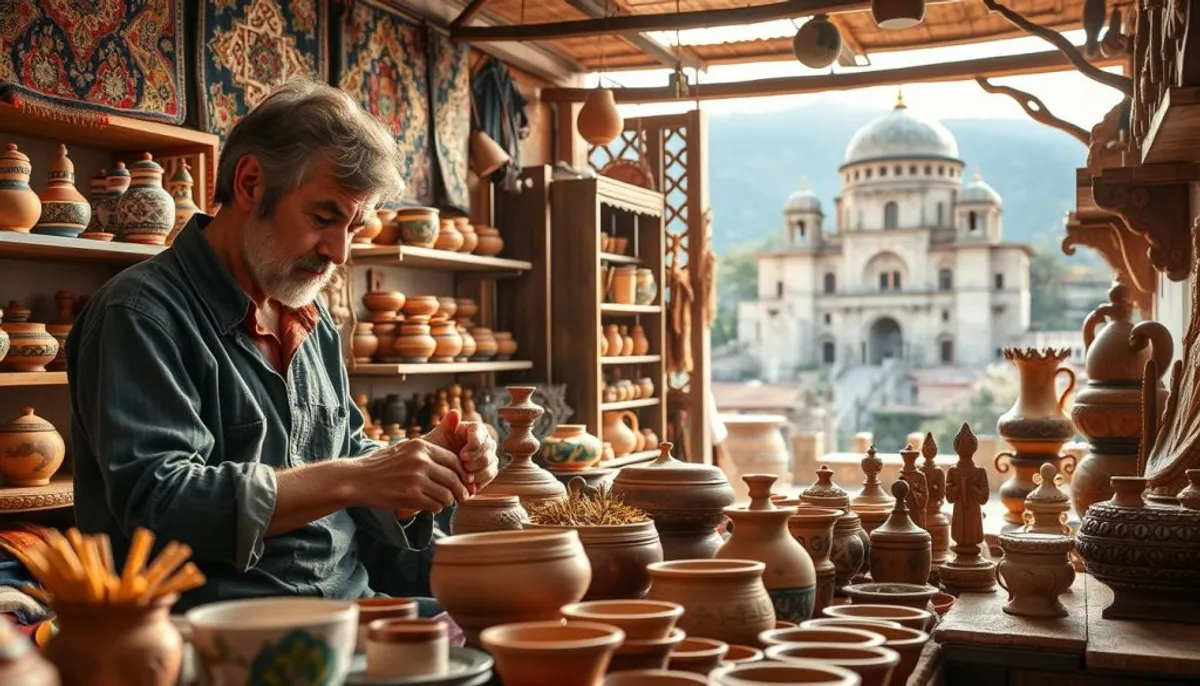
Traditional music with sevdalinka and ganga continues to move people. These unique musical forms constitute a precious sound heritage.
Iconic Monuments and Historical Architecture
Architecture undoubtedly represents one of the most spectacular manifestations. The famous bridge of Mostar symbolizes this richness.
This 16th-century monument embodies resilience in the face of destruction. Its reconstruction was a major international project.
| Architectural Type | Notable Example | Period | Characteristics |
|---|---|---|---|
| Ottoman | Stari Most (Mostar) | 16th century | Stone arch, minimalist elegance |
| Austro-Hungarian | National Library (Sarajevo) | Late 19th century | Neo-Moorish style, ornate details |
| Contemporary | Academy of Fine Arts | 20th century | Modernist fusion, respect for context |
The Evolution of Literature and Cinema
Literature includes world-renowned figures. Ivo Andrić, Nobel Prize winner in 1961, remains the most famous writer.
His novel “The Bridge on the Drina” explores the history of a border town. This masterful work describes encounters through the centuries.
Contemporary cinema also enjoys international success. No Man's Land won the Oscar for Best Foreign Film in November 2001.
Writers like Miljenko Jergović continue to enrich this vibrant literature. Their work reflects a creativity that remains relevant.
Travel and Gastronomy: Immersion in a World of Flavors and Traditions
Explore the less-traveled roads of a multifaceted destination. This country holds surprises at every step of your journey.
From May to September, the climate is ideal for discovering all the regions. You can meet the locals during lively festivals.
Must-See Cultural Itineraries and Destinations
Sarajevo, the capital, offers a unique blend of Eastern and Western influences. This city fascinates with its varied architecture.
Mostar impresses with its reconstructed historic bridge. Local divers continue a spectacular tradition from July to September.
Traditional Dishes and Culinary Specialties
The local cuisine reflects the rich history of the country. It harmoniously combines Eastern and Western flavors.
Ćevapi, the national dish, is enjoyed in a friendly atmosphere. These grilled sausages served with pita bread will delight your taste buds.
| Specialty | Description | Where to Find It |
|---|---|---|
| Ćevapi | Small grilled sausages served with onions | Traditional ćevabdžinicas |
| Burek | Meat or cheese pie | Local bakeries |
| Baklava | Honey and nut pastry | Oriental pastry shops |
| Turkish coffee | Traditional drink served with lokum | Neighborhood cafés |
Finish your meal with an authentic Turkish coffee. This culinary experience perfectly complements your discovery of the country.
Conclusion
At the end of this exploration, one truth emerges clearly: this Balkan land embodies an exceptional lesson in humanity. The words of Ivo Andrić still resonate: “Muslims, Christians, and Jews mingled... bridging the abyss.”
Despite the trials from June 1992 to November 1995, the country demonstrates remarkable resilience. Its aspiration for European integration respects this unique identity. The population works to strengthen ties between communities.
For travelers, visiting from May to August offers an authentic experience. Learning a few local words, discovering sacred monuments, and tasting culinary delights allows for a deep immersion. This summer period reveals the legendary hospitality of the locals.
Exploring this heritage undoubtedly represents a journey to the heart of humanity. It shows how diversity is the greatest strength. This culture forges an identity resolutely focused on the future.
FAQ
What is the main religion in Bosnia and Herzegovina?
Islam is the most widespread faith, followed by Orthodoxy and Catholicism. This religious diversity shapes a large part of the country's heritage and identity.
What languages are spoken in the country?
The three official languages are Bosnian, Serbian, and Croatian. They are very similar, and you will be able to communicate easily during your trip.
Is Bosnia and Herzegovina safe for tourists today?
Absolutely! The conflict of the 90s is over. The country is now very peaceful and welcoming for visitors, with warm-hearted locals.
What traditional dishes should not be missed?
You must try ćevapi (grilled sausages), burek (pastry), and pita. The local gastronomy is a delicious blend of Eastern and European influences.
Which historical monuments are must-sees?
Don't miss the Old Bridge of Mostar, the Sarajevo Library, and the many mosques and churches that testify to a rich and complex history.