
The expression distance between cultures often evokes dialogue between countries. But it takes on a very concrete meaning in another essential area: French agriculture.
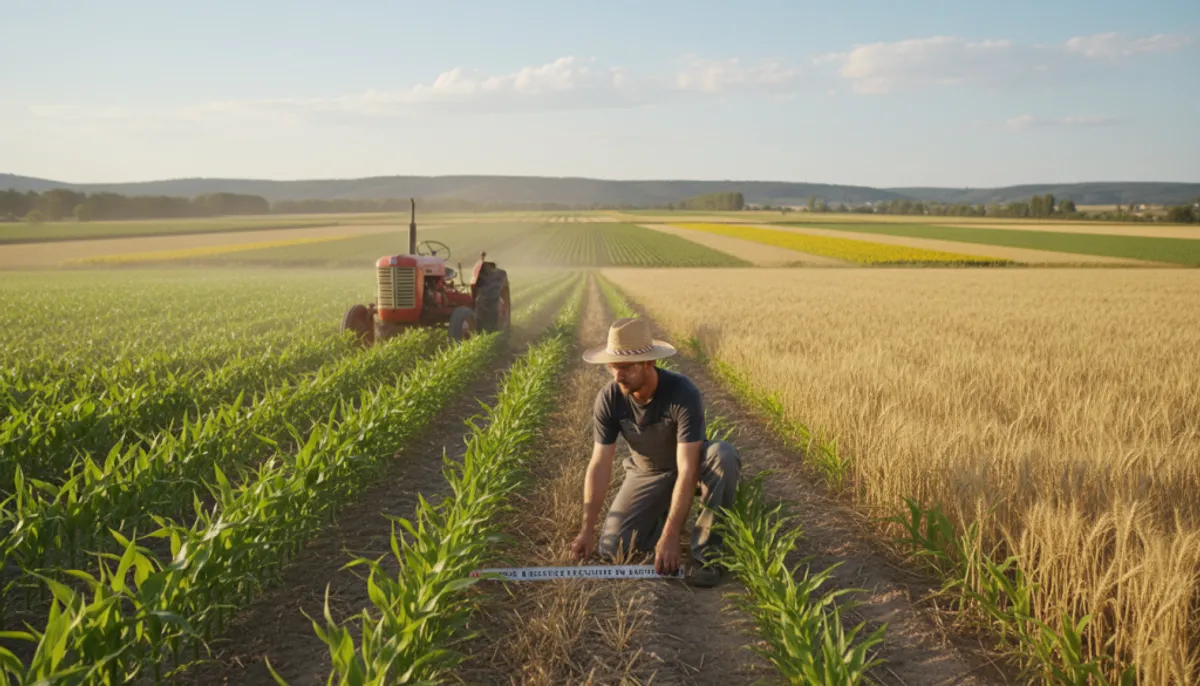
We apply it here to the safety spaces required between treated plots and living areas. These distances are crucial for the use of plant protection products.
Since January 2020, regulations impose minimum distances. The goal is a harmonious coexistence between agricultural activity and residential areas.
Understanding these rules is fundamental for all professionals. This article will guide you through the various cultures, including the emerging krou culture, of these measures.
We will address the issues of health protection, maintaining activity, and territorial dialogue. We will also detail the safety zones of 5, 10, and 20 meters for the products used.
Distance between cultures: perspectives and issues
At the heart of current agricultural concerns is the management of safety spaces. These buffer zones represent a delicate balance between several imperatives.
Definition and importance of distance between cultures
These mandatory spaces separate treated plots from dwellings. They aim to reduce exposure to plant protection products.
The growing proximity between agricultural and residential areas amplifies these issues. Local residents express legitimate concerns.
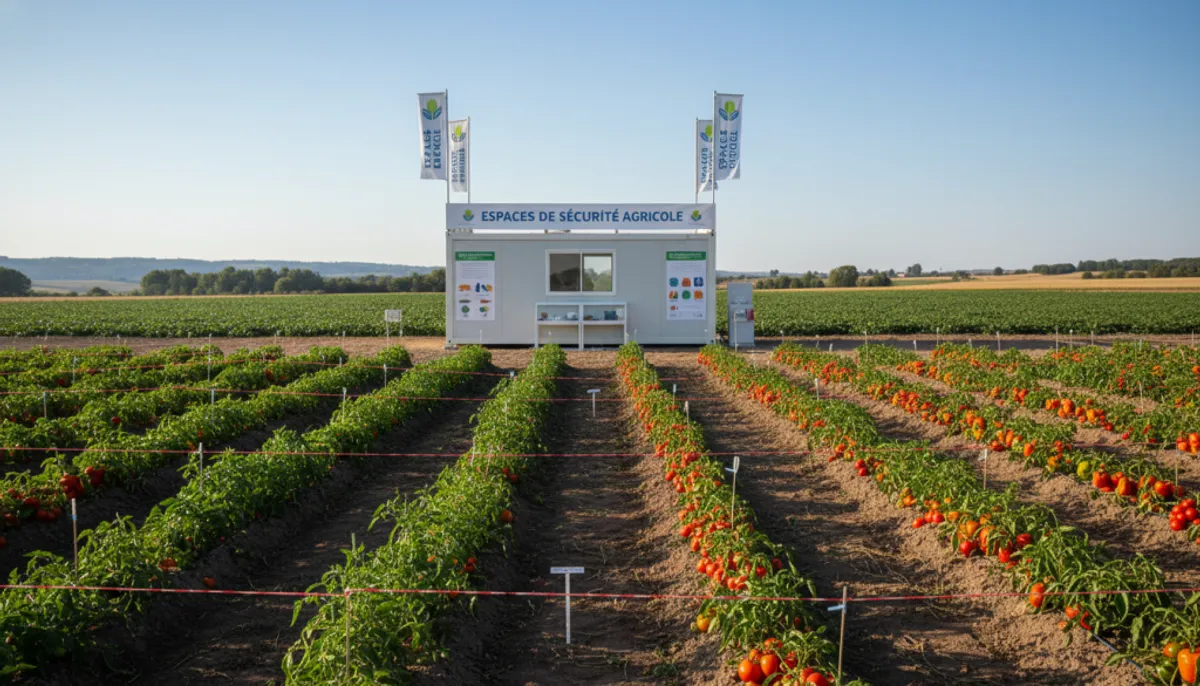
These measures protect public health while maintaining agricultural activity. Dialogue between stakeholders is essential.
Impacts on international communication and agriculture
Compliance with these zones directly influences the exploitable area. Some plots become non-treatable.
Farmers must adapt their farming practices. These adjustments can affect yields.
The regulations rely on rigorous scientific assessments. They seek to reconcile sometimes conflicting interests.
| Stakeholders | Main concerns | Specific issues |
|---|---|---|
| Farmers | Economic viability | Reduced cultivable area |
| Local residents | Public health | Exposure to products |
| Public authorities | Territorial balance | Regulatory enforcement |
| Associations | Environmental protection | Risk reduction |
This complexity requires a collaborative approach. The search for balance remains a dynamic process.
Regulations and safety distances: from theory to practice
The protection of local residents and ecosystems has led to the adoption of precise spatial measures. The Ministry of Agriculture formalized these rules in a decree published at the end of December 2019.
This decree came into effect on January 1, 2020. It defines three levels of safety distances measured from dwellings.
Official regulations and safety indicators
The classification of substances determines the applicable safety distances. Hazard mentions on labels guide farmers.
Biocontrol products benefit from positive exceptions. They are not subject to the minimum safety distances.
Examples of minimum distances (5, 10, and 20 meters) and their applications
For large crops, the buffer zone is 5 meters. Viticulture requires 10 meters of safety.
The most concerning substances impose 20 meters that cannot be reduced. This category concerns only 0.3% of the products used.
The implementation has been gradual until July 2020. The Ministry granted extensions for plots already sown.
Implementation and advice for respecting distances in agriculture
The implementation of safety rules involves concrete tools adapted to local realities. The departmental charters offer valuable flexibility for the application of protective measures.
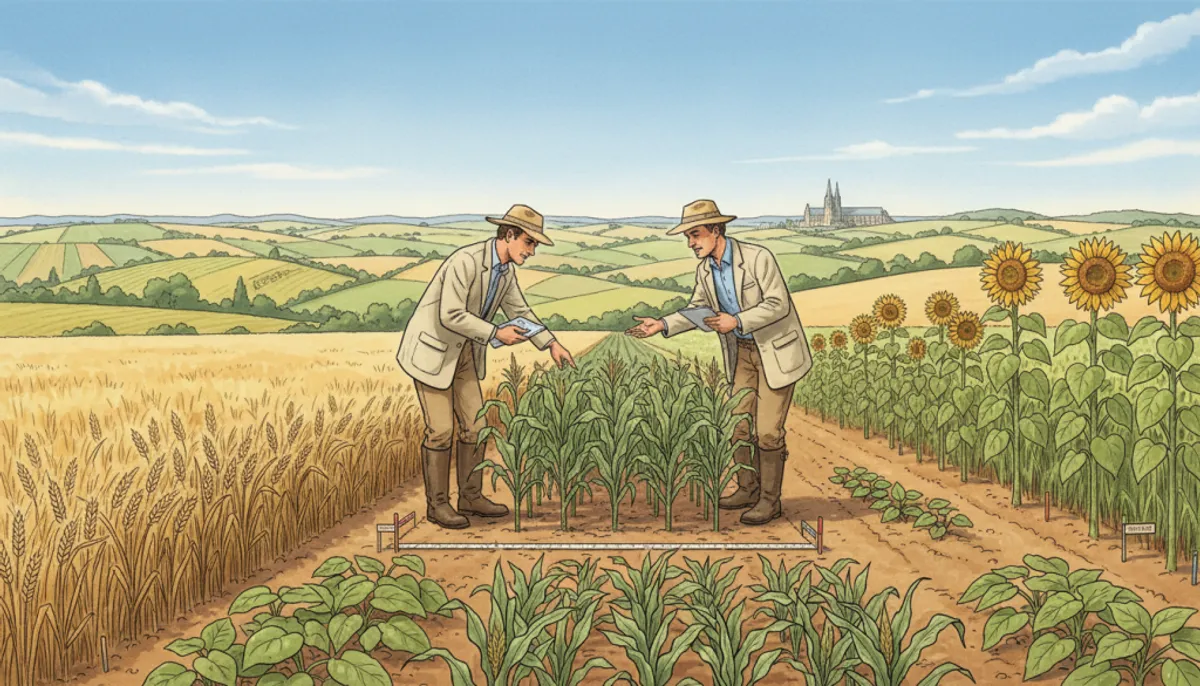
Use of departmental charters and local commitments
These locally negotiated documents allow for the reduction of safety spaces. In return, farmers commit to using efficient equipment.
In Mayenne and Sarthe, charters validated on July 17, 2020, established zones of 3 meters for certain crops. Arboriculture requires 5 meters.
| Mandatory element | Main objective | Concrete benefit |
|---|---|---|
| Information for local residents | Transparency | Conflict prevention |
| Definition of distances | Technical clarity | Simplified application |
| Dialogue modalities | Conciliation | Calm relations |
Best practices and techniques for safe application
The management of untreated zones can be valued. Grass strips count as surfaces of ecological interest.
The use of flashing lights signals ongoing treatments. This simple measure enhances the safety of local residents.
The government supports this transition with 25 million euros. FranceAgriMer assists with changes in practices.
Conclusion
These protective measures illustrate the search for balance between productive activity and public health, including the rich aspects of kurdish culture. Safety spaces are not constraints but essential guarantees.
The 2020 regulation offers valuable flexibility through departmental charters. This approach allows for adapting distances to local realities while maintaining a high level of safety.
The dialogue between farmers and local residents remains fundamental. These physical distances should strengthen trust rather than create distrust.
We encourage every professional to consult their agricultural chamber for personalized support. Respecting these rules is about building sustainable and peaceful agriculture with local residents.
FAQ
What are the safety distances to be respected near dwellings?
The distances vary according to the plant protection products used and the type of crops. For large crops, it is generally 10 meters, and for arboriculture and viticulture, 5 meters. These protective measures are detailed in the decree from the Ministry of Agriculture.
What are departmental charters and what are they for?
Charters are local tools that help farmers apply good practices. They specify the rules for using plant protection products near inhabited areas and promote dialogue with local residents.
When did the new rules on safety distances come into effect?
The main regulatory framework has been applicable since January 1, 2020. A decree published in December 2019 formalized these measures for better protection of individuals.
Are there exceptions to the minimum distances?
Yes, some exceptions are possible, particularly through engagement in a validated departmental charter and the use of spraying equipment that limits drift. These techniques allow for reducing distances under controlled conditions.
How are non-treatment zones defined?
Non-treated zones are strips inaccessible to the application of pesticides along dwellings or places accommodating vulnerable individuals. Their width depends on the product and the crop.