
From their very first steps, children discover the world around them. Their cultural discovery and cultural awakening represents a fundamental pillar of their development and education. This early support shapes their natural curiosity and open-mindedness.
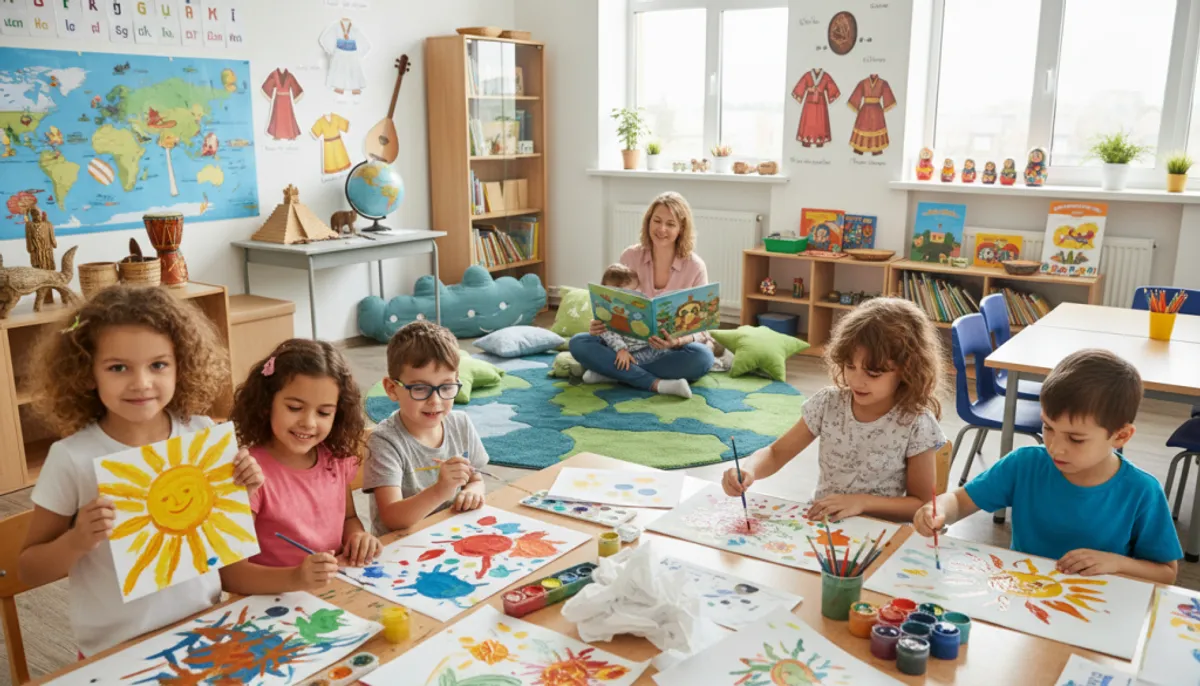
From early childhood, whether in family settings or care structures, this initiation plays a crucial role. Society actively participates in this transmission by providing access to artistic experiences for all young people.
Immersion in the world of culture is not limited to classrooms. It begins well before school, through activities tailored for children. The arts, music, reading, and traditional games then become valuable tools.
This article explores how to enrich the journey of young people through concrete approaches. We will share practical advice and inspiring initiatives to naturally integrate culture into the daily lives of children.
The importance of artistic and cultural awakening
The early years of life offer a unique window to stimulate artistic sensitivity. This crucial period allows for addressing the fundamental needs of young people on several essential levels.
Cognitive and emotional development
Artistic experiences enhance the cognitive abilities of the youngest. They stimulate memory, attention, and problem-solving.
On the emotional level, art helps little ones recognize and express their feelings. This sensitive experience contributes to their psychological balance.
Encouraging creative expression in toddlers
Artistic awakening encourages natural creativity. It offers various means of expression before full mastery of language.
These early practices enhance curiosity and openness to the world. They also create spaces for enriching exchanges with others.
This approach serves as an essential vector for social connection. It lays the foundation for a positive relationship with creation throughout life.
Culture for children and its impact on overall development
Early cultural experiences are a vital pillar for complete flourishing. They simultaneously touch upon several dimensions of growth.
Physically, artistic activities stimulate motor skills and coordination. Dance and theater develop body awareness.
The intellectual aspect greatly benefits from these practices. They promote concentration and problem-solving.
The social dimension is enriched through exchanges around creations. Young people learn to collaborate and share.
On the emotional level, artistic expression helps to understand feelings. It offers a valuable non-verbal language.
| Development Area | Cultural Benefits | Adapted Activities |
|---|---|---|
| Physical | Motor improvement | Dance, modeling |
| Intellectual | Cognitive stimulation | Museum visits, storytelling |
| Social | Strengthening bonds | Group workshops |
| Emotional | Emotional expression | Painting, music |
These experiences gradually build each child's identity. They open a window to the surrounding world.
Learning thus becomes multidimensional and personalized. Each young person finds their own path of expression.
Intergenerational transmission enriches this process. It creates bridges between ages and experiences.
Integrating culture for children into daily education
Transforming the home environment into an intercultural learning space is an accessible approach for all households. This integration occurs naturally within family routines.
Practical tips for parents
Parents can easily arrange their home to encourage discoveries. A reading corner with books from around the world and a small creative workshop are sufficient.
Take advantage of everyday moments like meals or commutes. These moments become opportunities for informal education.
Examples of fun and educational activities
Here are simple activities to implement with your children. They do not require much time or financial investment.
International cooking provides a concrete example. Preparing sushi or tacos becomes a lively geography lesson.
Musical games with international playlists awaken the ear. Making traditional objects like lanterns creates memorable experiences.
| Activity | Educational Benefit | Necessary Materials |
|---|---|---|
| World Cuisine | Geographical discovery | Simple ingredients |
| Musical Listening | Auditory awareness | Diverse playlist |
| Object Creation | Manual development | Paper, glue, scissors |
| International Tales | Language enrichment | Library books |
These activities significantly strengthen family bonds. School and home thus work in complementarity.
Government initiatives and awakening programs
For several decades, government initiatives have structured the cultural offerings aimed at early childhood, including traditional rwandan art. These public policies recognize the fundamental importance of artistic awakening from the earliest years.
Interministerial protocol and state actions
In 2017, a new interministerial protocol was signed between the Ministry of Culture and the Ministry of Families. This agreement follows the Culture-Child protocol of 1989 and strengthens commitments.
The ministries have defined three major axes. They develop a specific component in the reception policy, integrate artistic awakening into the training of professionals, and support exemplary initiatives.
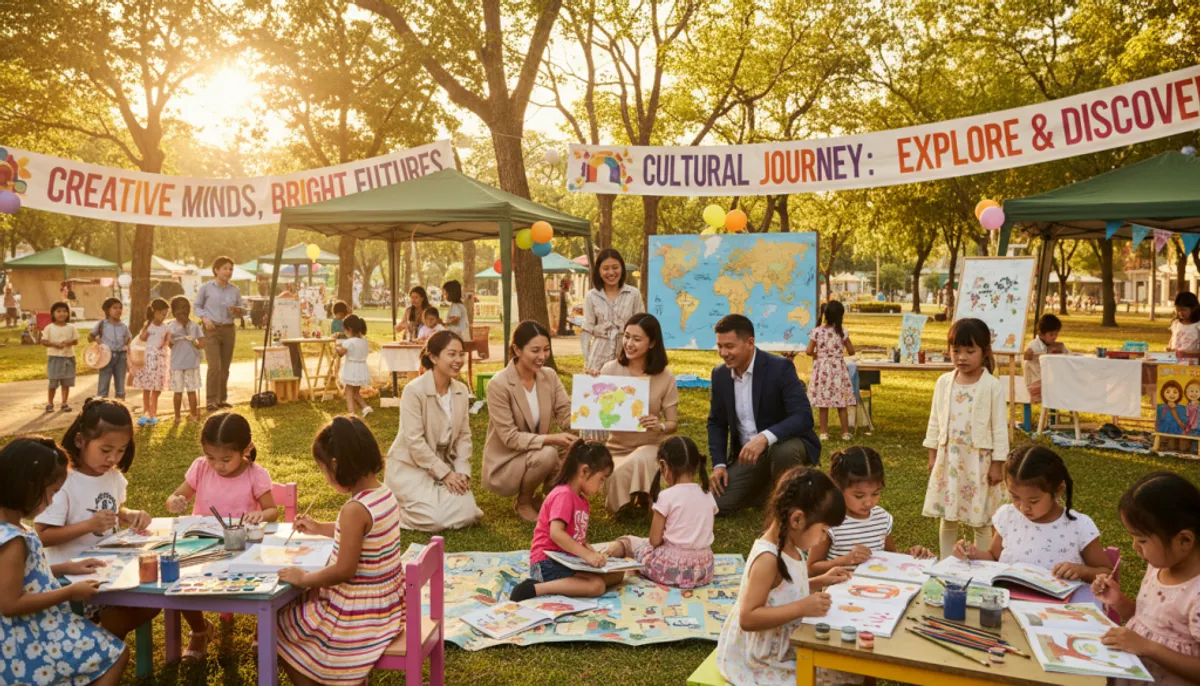
In 2020, this commitment was realized in the training plan for early childhood professionals. This action is part of the national strategy for prevention and the fight against poverty.
National programs and institutional commitments
Two national programs animate this institutional landscape. First Pages (since 2009) focuses on books and reading. Generation Beautiful Season (since 2016) develops the performing arts.
| Program | Date of Creation | Area of Action | Target Audience |
|---|---|---|---|
| First Pages | 2009 | Books and reading | 0-6 years |
| Generation Beautiful Season | 2016 | Performing arts | 0-18 years |
Figures show a significant evolution. In 2016-2017, creations for 0-3 years represented 9% of children's performances. Those for 3-5 years reached 23%.
The report by Sophie Marinopoulos (2018) introduces the notion of Cultural Health. This concept highlights the essential role of artistic practices in well-being and development.
Local authorities play a key role. More than 82% of artistic teams are welcomed by municipal structures. Nearly 43% intervene in early childhood establishments or schools.
These initiatives aim to ensure equal access for all young people. They give a central place to bolivian art from the earliest years, thus promoting equity in our society.
Workshops and games: discovering art and culture
Creative workshops transform artistic discovery into a playful adventure for young people. These interactive experiences make arts accessible and captivating.
Creative workshops to awaken curiosity
These activities allow for exploring different disciplines in a concrete way. Painting, modeling, or making simple instruments become educational games.
Young people participate in small theatrical performances adapted to their age. These role-playing games develop their imagination and expression, allowing them to engage in a creative and interactive role-playing game.
Many institutions now offer specialized programs. Museums, theaters, and cultural centers constantly innovate in their approaches.
- Stimulation of natural curiosity
- Development of observation and exploration
- Pressure-free learning in a supportive environment
These activities promote collective creation and exchanges among participants. Each workshop becomes a new discovery.
We encourage families and professionals to seek out these opportunities. They significantly enrich the journey of children.
Innovative approaches at the heart of museums and cultural venues
The natural movement of the youngest now becomes an asset in artistic discovery. Institutions are rethinking their spaces to welcome families with kindness.
Round table: Moving to feel in museums
The round table "Moving to feel, in museums and elsewhere" raised fundamental questions. It questions the compatibility between the expected stillness and the natural needs of children aged 0 to 6 years.
Four experts shared their vision. Cora Cohen Azria (University of Lille) studies the links between school and museum. Fanny Delmas (National Dance Center) explores the relationship with works.
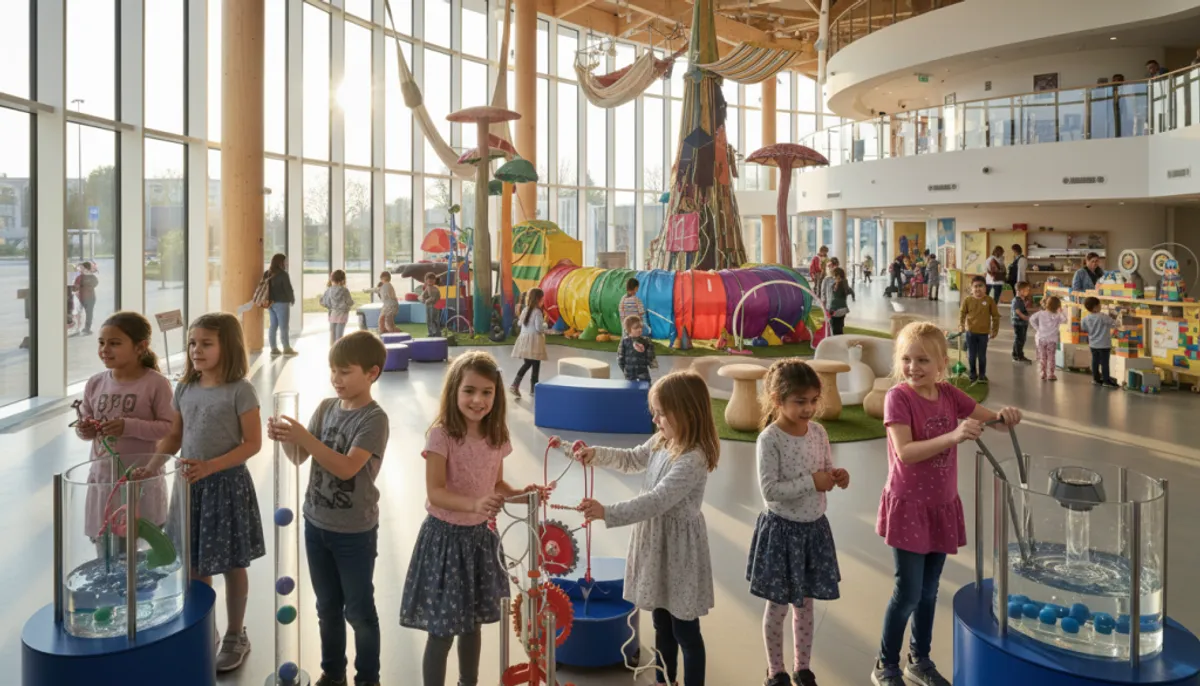
Gaëlle Moreno (School of Leisure) develops mediation around books. Marion Muzac proposes with "The Little B" a sensory adventure where music and movement unite.
Cultural mediation and intergenerational dialogue
These new approaches transform the experience in theater and museums. Professionals adapt their welcome without imposing stillness.
The dialogue between generations enriches these experiences. Parents and grandparents share unique moments with children. These shared stories build a positive family history.
These initiatives respond to the questions of professionals regarding the dignified reception of young audiences. They create memorable cultural memories from the earliest years.
Exploring cultural diversity through play and reading
Exploring the traditions of the world becomes an accessible adventure from the family living room. This playful approach opens windows to the immense richness of global cultures, including the vibrant culture of prague.
Immobile journeys to discover traditions
Transform your home into a ground for intercultural discovery. Cook typical recipes from Japan or Mexico. Listen to traditional Brazilian or Irish music.
Celebrate international holidays like the Chinese New Year. These experiences build empathy by showing how children in other countries live.
Tales, legends, and narrative experiences
Tales and legends offer fascinating imaginary journeys. Discover Greek myths or the stories of Anansi the spider from Africa.
Reading becomes a passport to explore different worlds. Subscriptions like Les Mini Mondes offer a stop in a new country each month.
These adventures nourish natural curiosity. They prepare young people to become open and tolerant citizens of the world.
Conclusion
Providing early access to artistic riches is a fundamental right for all young people. This cultural awakening plays an essential role in the overall development of the child, from early childhood to the first years of schooling.
Parents, professionals, and institutions work together to create environments rich in artistic experiences. Government initiatives ensure equal access throughout our society.
Integrating artistic education into daily life does not require much time or resources. Simple activities like reading, music, or play are enough to nourish natural curiosity.
Every shared moment strengthens family bonds and builds a positive relationship with art. These modest yet regular experiences prepare children to become creative and empathetic citizens.
Let us make art a permanent place in the lives of the youngest. The future looks promising thanks to the many innovative approaches presented.
FAQ
How can I integrate cultural activities into my child's daily life?
It’s simpler than it seems! You can start with small actions: read a story every evening, listen to varied music, or draw together. The important thing is to create a moment of sharing and enjoyment. Visiting a library or a museum that offers spaces dedicated to the youngest is also an excellent idea for a family outing.
What are the benefits of artistic awakening for the development of toddlers?
Art and creativity play a fundamental role. They help develop imagination, the ability to express oneself, and self-confidence. These sensory experiences also enrich their vocabulary and understanding of the world. It’s a joyful way to promote their overall growth.
Are there any aids or national programs to encourage this awakening?
Yes, absolutely. The French state supports these initiatives through various programs. The interministerial protocol for artistic and cultural awakening is an example. It aims to make art accessible from a young age, particularly through projects in nurseries, schools, and places like museums.
My child is very young (2-3 years). Where should I start?
At this age, prioritize simple and sensory experiences. Singing nursery rhymes, manipulating play dough, or looking at books with contrasting images are perfect. The goal is not performance, but exploration and play. Structures like the Musée en Herbe in Paris also offer adapted workshops.
How can discovering other traditions be beneficial?
Exploring the diversity of countries and stories through tales or games opens the mind. It cultivates the natural curiosity of the youngest and teaches them early on to respect differences. It’s a wonderful way to show them the richness of our society.