
Dive into the heart of a fascinating heritage from West Africa. This Manding people, primarily established in Mali, built a unique society. Their spiritual and artistic values permeate every aspect of their daily lives.
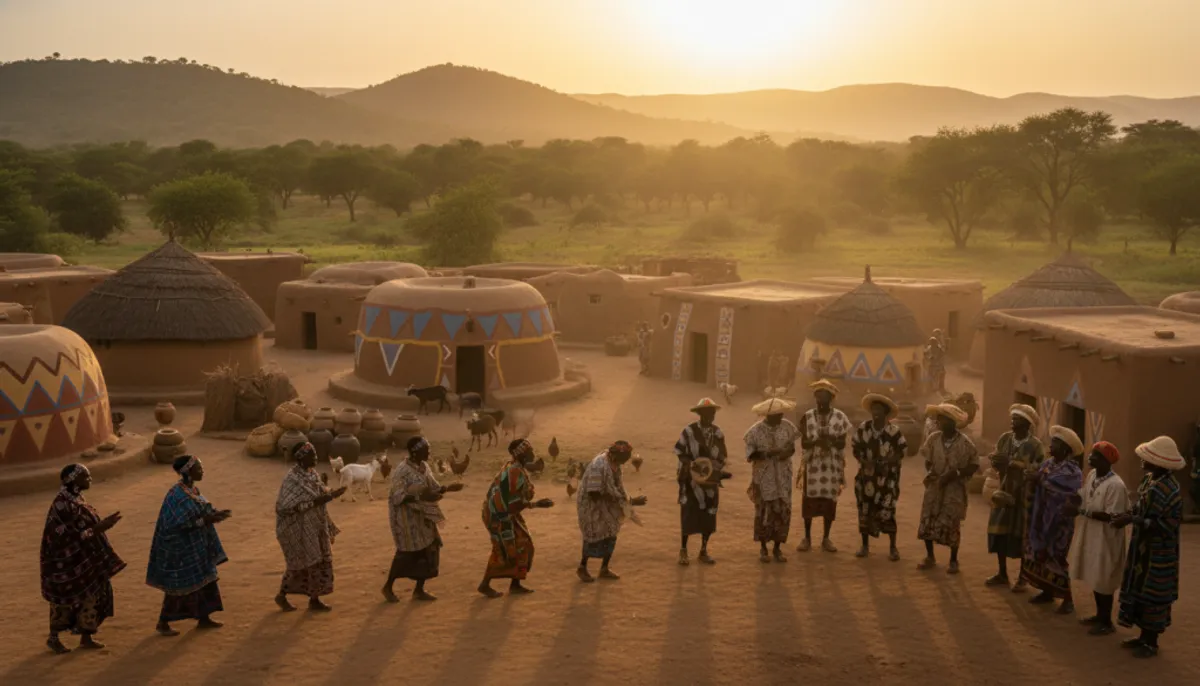
The richness of this heritage is immense. It encompasses ancestral ritual practices and remarkable artistic expressions. These traditions remain very much alive today, despite external influences.
Geographically, this community extends from the west of Mali to neighboring regions. They carry a strong identity, a treasure to discover. This article will explore their historical origins and their iconic creations.
We will also see how these customs persist in the modern world. Understanding this worldview allows us to appreciate the diversity of the African continent. Its influence on contemporary global art is significant.
Key Points to Remember
- A major cultural heritage from West Africa.
- A Manding people primarily established in Mali.
- A society organized around deep spiritual and artistic values.
- A diverse heritage including rituals, art, and living traditions.
- An extensive geographical presence in the western region of Mali and beyond.
- A resilient cultural identity in the face of external influences.
- A notable influence on contemporary art on a global scale.
Origins and Historical Evolution of Bambara Culture
At the beginning of this saga lies the tale of two brothers, Niangolo and Baramanglo Coulibaly. According to oral tradition, these legendary figures are the founding ancestors.
Myths and Legends of the Two Founding Brothers
One of the brothers established the kingdom of Ségou, while the other created the kingdom of Kaarta. This settlement dates back to the first half of the 17th century.
Their name means "those who refused to submit." This etymology perfectly reflects their spirit of independence.
The Influence of Kingdoms and Empires in West Africa
The collapse of the great West African empires allowed warriors to assert themselves around the Niger. Until the 1850s, their kingdoms dominated the region through military strength.
In the 19th century, they fiercely resisted the Peul Empire of Macina. Later, they offered temporary resistance to El Hadj Oumar Tall, who attempted to convert them.
These historical struggles forged an identity marked by the preservation of spiritual autonomy and the amazigh identity. The determination to avoid a unified state became characteristic of this people.
Artistic and Symbolic Expressions in Bambara Art
Bambara artworks constitute a visual language rich in deep meanings. Each creation tells a story and conveys ancestral values.
The Masks, Sculptures, and Iconic Crests
The statuary is distinguished by the purity of its lines and remarkable stylization. There are statuettes of ancestors, twins, and fertility dolls.
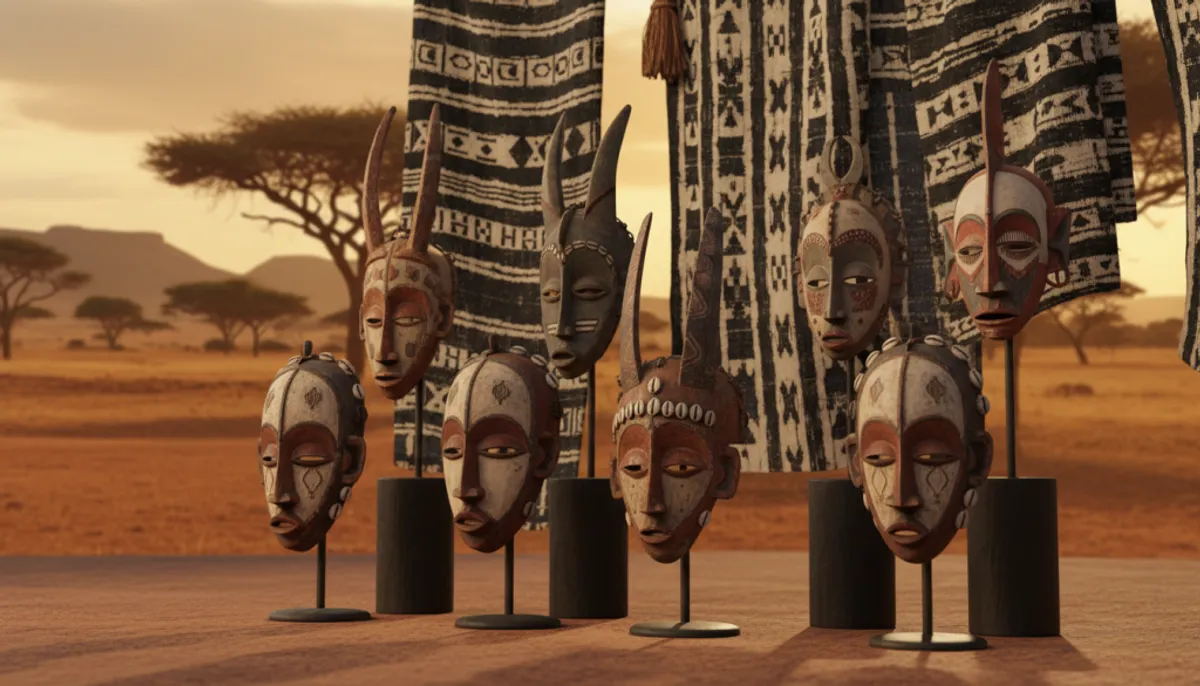
The masks represent various animal forms, notably the Tyiwara antelope. This sacred animal is associated with agriculture, considered foundational to the society.
Rituals, Ceremonies, and Shamanic Practices
The mask plays a role in ceremonies led by the dugutigi. This chief performs sacrifices for rain and after harvests.
The initiation begins in childhood with the n'domo. These rites structure social life until adulthood.
The traditional hairstyle features a characteristic crest. Both men and women wear this distinctive crest, complemented by a conical straw hat.
Bambara Culture: Between Ancestral Traditions and Modernity
The 20th century marked a turning point for the recognition of this West African heritage. The 1930s saw a new scientific interest emerge.
Spiritual Rituals and Symbolism in Daily Life
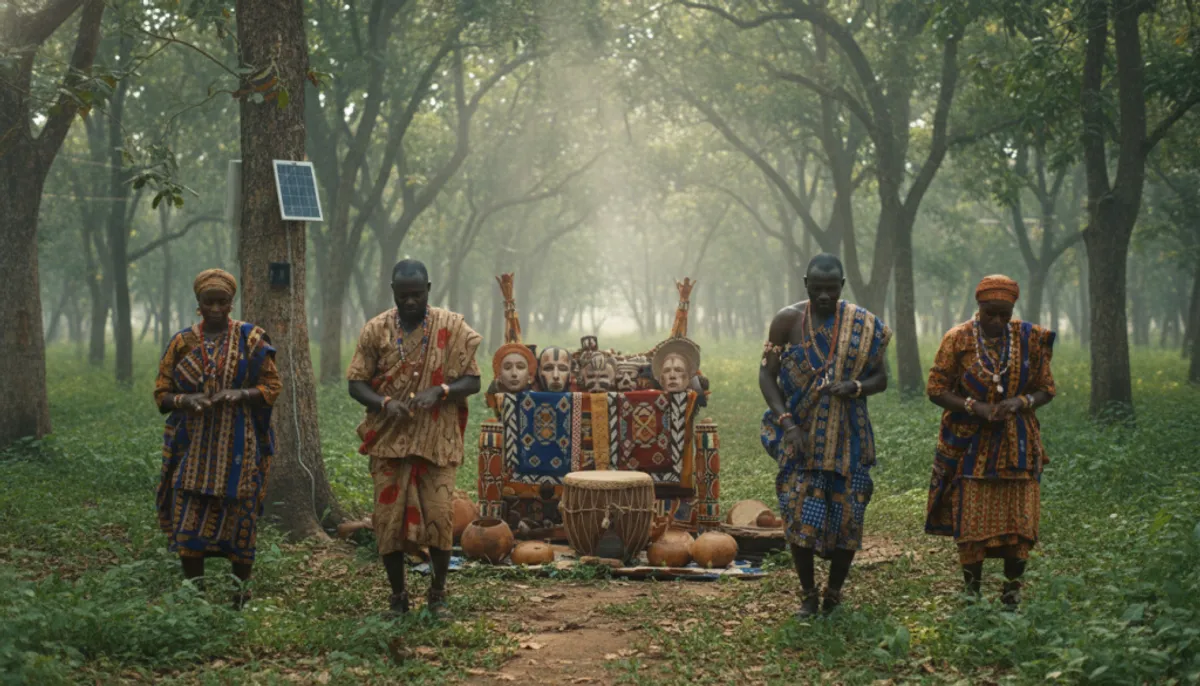
Spirituality entirely governs existence. Traditions and political decisions are rooted in this holistic conception.
There is no separation between religion and custom. Many ancestral rites persist today.
The human body maintains an intimate correspondence with astronomical cycles. This unique cosmology reflects a sophisticated symbolic elaboration.
Impact on Contemporary Art and Sociocultural Identity
Their influence radiates to other ethnic groups such as the Khassonkés and Dyula. This community maintains a significant presence in Mali.
Traditional bodily practices remain alive. Facial scarifications, for example, retain their symbolic importance.
Their artistic heritage continues to inspire contemporary creators. fnac accepted cultural vouchers can be used to purchase masks and sculptures, which are admired in international collections.
Preserving this identity while adapting to the current world represents the main challenge of our time.
Conclusion
The Bambara heritage shines as a beacon of resilience through the ages. For over a century, this culture fascinates with its ability to preserve its essence in the face of global changes.
History shows how the men managed to defend their spiritual and artistic autonomy. Their resistance to external influences forges a unique identity in West Africa, and understanding peul history is essential to grasping the complexities of this cultural landscape.
Contemporary men and women perpetuate ancestral traditions with remarkable vitality. Their masks and sculptures remain jewels of the global artistic heritage.
Preserving this priceless heritage is a crucial challenge for future generations. The Bambara culture continues to inspire with its symbolic depth and adaptation to the modern world.
FAQ
Who are the two founding brothers in traditional tales?
According to oral tradition, two brothers are said to be the originators of this society. Their adventures and choices shaped the social organization and fundamental values of this West African community.
What are the most important kingdoms related to this story?
The Kingdom of Ségou was one of the most powerful in the 18th and 19th centuries. It played a major role in the expansion and consolidation of this identity before the colonial period.
What are the uses of masks and crests during ceremonies?
These artistic objects have specific ritual functions. They are used during celebrations to honor ancestors, mark important life milestones, or ensure the fertility of agricultural lands.
How do these ancestral traditions continue today?
Spiritual practices and know-how, such as sculpture, remain alive. They coexist with modernity and even inspire many contemporary artists, thus reinforcing a strong identity.
What was the role of agriculture in this society?
Agriculture was at the heart of the economy and social organization. It marked the time and seasons, and many rituals were linked to soil fertility to ensure good harvests.