
The concept of culture is complex and multifaceted, referring both to what unites us and what differentiates us as human beings.
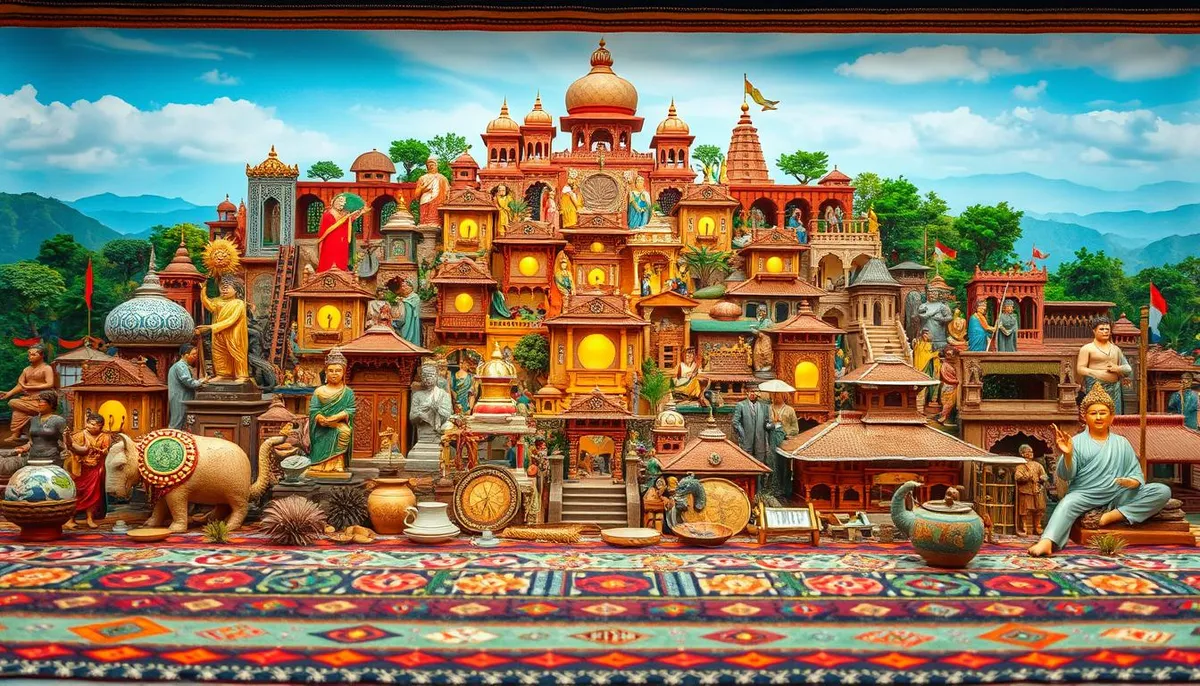
According to UNESCO, culture encompasses the distinctive, spiritual, material, intellectual, and emotional traits that characterize a society or social group.
In this article, we will explore the various theoretical approaches to culture through time and disciplines, as well as the contemporary issues related to cultural diversity.
The duality of the concept of culture
The notion of culture is dual, encompassing both the individual and the collective. This duality is fundamental to understanding the different facets of culture in our society.
Historically, the word "culture" initially referred to the set of general knowledge of an individual. This is the definition given by the National Dictionary of Bescherelle in 1862, where scientific knowledge holds a predominant place. This individual conception of culture, often called "general culture," long dominated the French language.
However, after the mid-20th century, the term took on a second meaning, this time encompassing the collective aspect. The Petit Larousse of 1980 defines collective culture as the set of social and religious structures, intellectual and artistic manifestations that characterize a society.
Individual culture and collective culture
The concept of culture presents a fundamental duality between its individual dimension and its collective dimension. Individual culture refers to the set of knowledge, skills, and experiences acquired by a person throughout their life, while collective culture refers to the distinctive traits, lifestyles, and values shared by a social group.
| Aspect | Individual Culture | Collective Culture |
|---|---|---|
| Definition | Personal knowledge and experiences | Traits and values shared by a group |
| Examples | Linguistic skills, historical knowledge | Traditions, customs, artistic expressions |
| Evolution | Developed over time by the individual | Evolves with the contributions of its members |
These two dimensions of culture are complementary: individual culture feeds on collective culture, while the latter evolves thanks to individual contributions. The tension between these two aspects is visible in debates about education and cultural transmission.
Fundamental definitions of culture
For decades, researchers have attempted to define the notion of culture, resulting in a multitude of overlapping and diverging definitions. This complexity reflects the importance and richness of the concept in the study of human societies.
In 1952, anthropologists Alfred Kroeber and Clyde Kluckhohn cataloged over 150 different definitions of the word "culture" in their work Culture: a critical review of concepts and definitions. This plurality of definitions underscores the difficulty of circumscribing a concept that touches on many aspects of social life.
- Definitions of culture vary considerably across disciplines and schools of thought, reflecting the complexity of the concept.
- Anthropology has played a pioneering role in conceptualizing culture, defining it as the set of distinctive traits of a human society.
- Edward B. Taylor, considered the father of cultural anthropology, defined culture as early as 1871 as "that complex whole which includes knowledge, belief, art, morality, law, custom, and any other capabilities and habits acquired by man as a member of society."
Anthropological and sociological approaches
Sociological approaches, on the other hand, emphasize the mechanisms of transmission and internalization of cultural values and norms. Guy Rocher, a Quebec sociologist, emphasizes the learned and shared dimension of culture, which constitutes individuals into a distinct collective.
Through these different approaches, we find the idea that culture is a symbolic system that gives meaning to our experience of the world. The multiplicity of definitions (over 150 cataloged by Kroeber and Kluckhohn) attests to the richness and complexity of the concept.
In summary, culture is a multidimensional concept that encompasses the values, norms, and practices of a society. Understanding culture through its various definitions and approaches allows for a better grasp of social dynamics and cultural identities.
The essential components of culture
Culture is a complex system made up of several essential components that interact to give meaning to human experience. These components, transmitted from generation to generation, form the foundation of any society.
A representation of culture consists of viewing it as formed by four key elements: values, norms, institutions, and artifacts. These elements are interconnected and form a coherent system that guides individual and collective behaviors.
Values and norms
Values are at the heart of any culture, representing the ideals and fundamental principles that guide behaviors. As a cultural operator, norms arise from these values and are expressed through explicit or implicit rules that govern social interactions. Furthermore, African cuisine, as an expression of cultural values, also reflects these norms through its culinary traditions.
Institutions and artifacts
Institutions represent the crystallization of values and norms into durable social structures such as family, education, and the political system. Artifacts, on the other hand, are the material manifestations of culture, encompassing all objects created by humans.
Symbolic systems
Symbolic systems, notably language, constitute the means by which culture is transmitted, interpreted, and renewed. Language plays a crucial role in the process of cultural transmission, allowing for the communication of values and norms.
The process of cultural transmission occurs through various mechanisms such as socialization, formal and informal education, and collective rituals. This systemic approach helps to understand how the different components interact to form a coherent whole that gives meaning to human experience.
Culture and cultures: a necessary distinction
To grasp cultural complexities, it is essential to distinguish between "Culture" and "cultures." This differentiation is fundamental to understanding contemporary issues related to cultural diversity.
Culture with a capital C
Culture with a capital C refers to the entirety of intellectual and artistic productions considered to have universal or canonical value. This conception of Culture is often associated with an elitist and Eurocentric view, privileging certain forms of expression at the expense of others. This implies a hierarchy of cultures, where some are considered superior to others.
Cultures as plural expressions
Cultures, in the plural, refer to the diversity of expressions and ways of life specific to different human groups across space and time. This plural approach recognizes the intrinsic value of each cultural system and rejects any hierarchy among them. Intercultural communication requires recognizing this distinction to avoid the pitfalls of ethnocentrism and to foster genuine dialogue between cultures through differences.
In ethno-archaeology and in social and cultural anthropology, the notion of "culture" allows for distinguishing each human group occupying a certain geographical space over a given period. This distinction is essential for understanding cultural dynamics and their evolution over time.
Philosophical perspectives on culture
Philosophy offers a unique perspective on culture, distinguishing it from nature. This distinction is at the heart of many philosophical debates that have traversed the centuries, questioning the relationship between man and his environment.
Culture is often seen as the product of human conscious activity, as opposed to what is given naturally. This opposition between nature and culture permeates the history of Western thought, from Rousseau to Lévi-Strauss, and interrogates what pertains to the innate and the acquired in human behaviors.
Culture versus nature
Culture appears as the process by which humanity breaks away from its natural condition to create a world of meanings and values. Enlightenment philosophers particularly implemented this conception of culture as the refinement of humanity through the development of arts and sciences, considering this as a major work of the human spirit.
Culture as a social construct
The constructivist perspective, notably developed by Berger and Luckmann, views culture as a social construct, a set of meanings developed collectively. This approach emphasizes that the categories through which we perceive the world are not natural but culturally determined, highlighting the importance of culture in shaping our understanding of the world.
Contemporary philosophical debates continue to question the limits of this opposition between nature and culture, particularly in light of discoveries in ethology and neuroscience, thereby enriching our understanding of culture and its role in society.
The sociological approach to cultures
The sociology of cultures explores the dynamics that shape cultural practices in our societies. This approach allows for understanding how cultures are formed, maintained, and evolve over time. Sociologists focus on the mechanisms of production, transmission, and legitimization of cultures, illuminating the complex interactions between individuals and social structures.
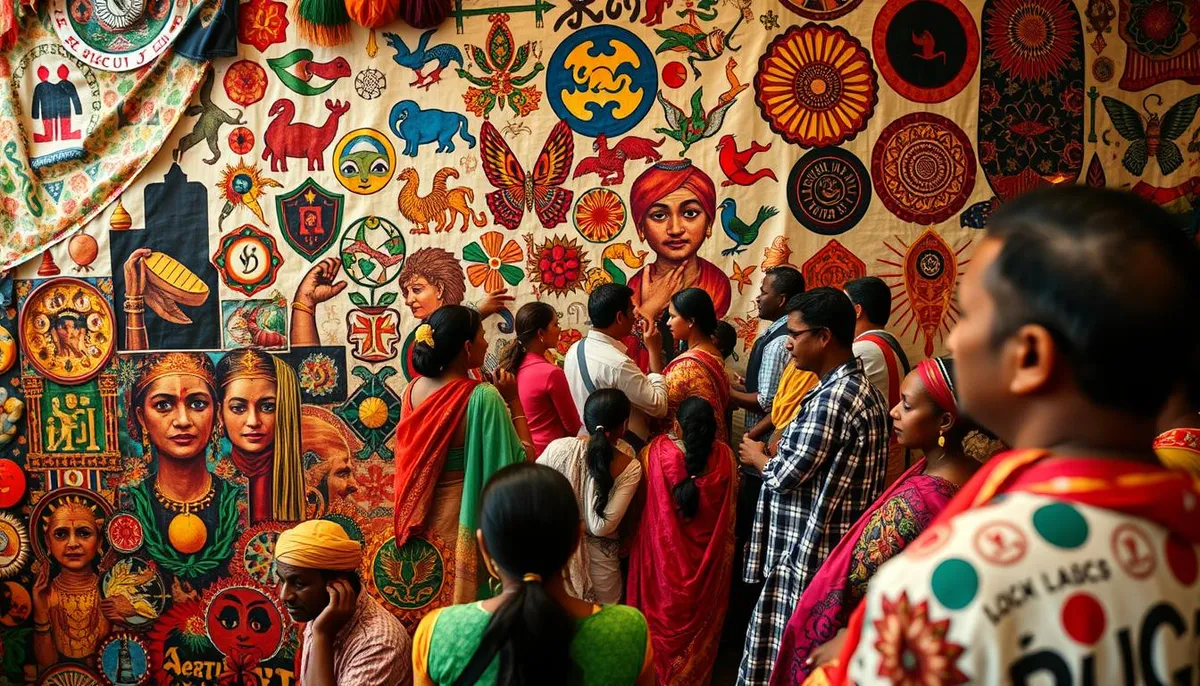
- Cultures are complex systems that influence our perceptions and behaviors.
- The sociology of cultures examines how these systems are constructed and transformed.
- The work of sociologists such as Pierre Bourdieu and Norbert Elias provides valuable insights into these issues.
The work of Pierre Bourdieu
Pierre Bourdieu revolutionized the sociology of culture by introducing key concepts such as cultural capital, habitus, and the cultural field. According to Bourdieu, cultural tastes and practices are not natural but socially constructed and serve to mark social distinctions. His theory of symbolic domination shows how certain cultural forms are legitimized while others are devalued, reflecting and reproducing social inequalities.
Norbert Elias and the process of civilization
Norbert Elias, for his part, developed a historical approach to culture through his theory of the process of civilization. He analyzes how, over time, behaviors and sensibilities have transformed under the influence of evolving social and political structures. Elias shows that the "civilization of manners" is not a natural process but the result of profound social transformations, notably the centralization of power and the pacification of social relations.
These sociological approaches invite us to consider cultures not as fixed entities but as dynamic processes shaped by power relations. By understanding these dynamics, we can better grasp the complexities of our societies and the multiple facets of culture.
Cultures and identities: contemporary challenges
Cultures and identities are currently facing major challenges in a globalized world. Economic and media globalization tends to standardize cultural practices on a global scale, thus raising crucial questions about the preservation of local cultural identities.
In the face of this homogenizing trend, we observe movements of resistance and reaffirmation of particular cultural identities. The challenge is to find a balance between openness to cultural exchanges and the preservation of cultural diversity, recognized as a common heritage of humanity by UNESCO.
Globalization and the preservation of cultural identities
Globalization has a significant impact on local cultures, including Malagasy culture. It creates a space where cultures can meet and mix, but it also risks leading to the loss of certain unique cultural practices.
It is essential to promote initiatives that support the preservation of local cultures while fostering intercultural communication.
Interculturality and dialogue between cultures
Interculturality proposes a middle ground, promoting dialogue between cultures in a space of mutual respect and reciprocal enrichment. This dialogue involves communication based on the recognition of otherness and the willingness to understand the other in their difference.
Cultural rights, recognized as an integral part of human rights, affirm everyone's right to participate in the cultural life of their choice while respecting the rights of others.
Cultural mediation as a vector of social inclusion
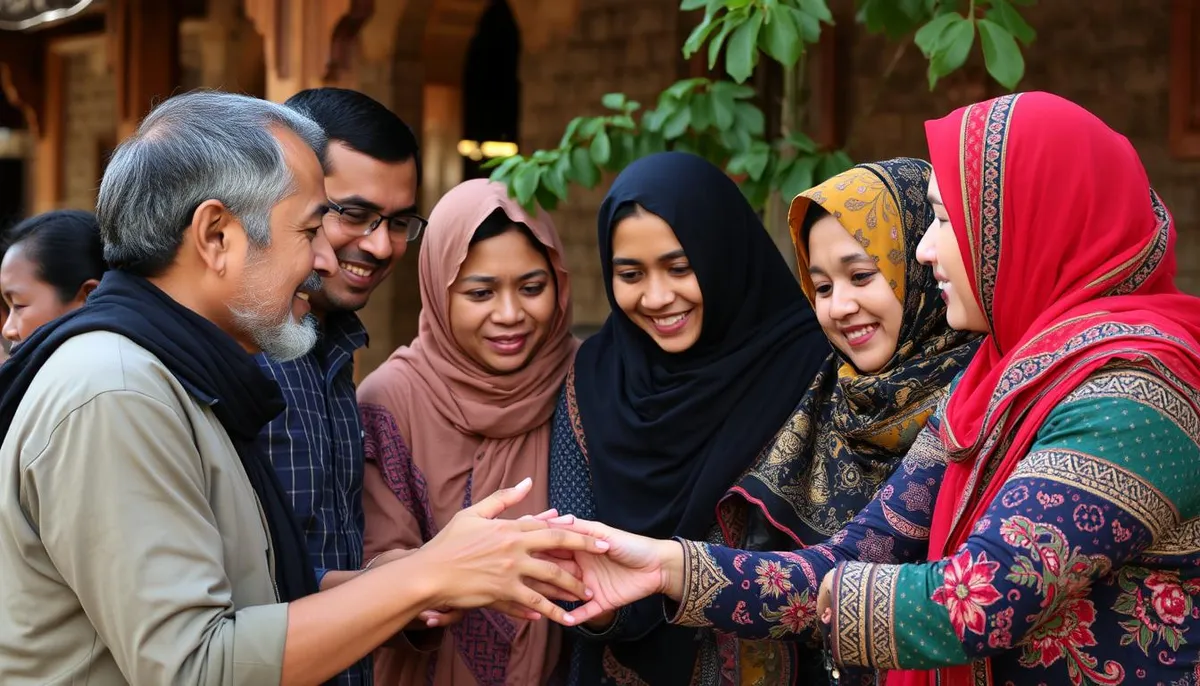
Cultural mediation significantly contributes to the social inclusion of marginalized individuals. It is based on the principle that access to culture is a fundamental right and a factor of individual and collective emancipation.
Principles and objectives of cultural mediation
The objectives of cultural mediation are multiple: democratizing access to the arts and culture, promoting active cultural participation, and contributing to the social inclusion of marginalized individuals. It primarily targets audiences deemed "distant" from culture for social, economic, geographical, or disability-related reasons.
Cultural mediation mobilizes innovative and participatory pedagogical approaches, adapted to the specific needs of different audiences. It requires close collaboration between cultural professionals and social workers, thereby creating bridges between traditionally siloed sectors.
Target audiences and benefits
The observed benefits are numerous: development of self-esteem, acquisition of social skills, broadening of cultural horizons, and strengthening of social bonds. In the social field, cultural mediation is recognized as an effective tool for combating exclusion and supporting vulnerable individuals.
Cultural mediation promotes access for individuals in precarious situations and/or economic and social vulnerability to cultural, sports, and leisure structures. It advocates for cultural and sports mediation as a lever for personal development and social and professional inclusion.
The Culture & Cultures association: a concrete example
Since its creation in 2006, the Culture & Cultures association has been working for the inclusion of people with disabilities or mental illnesses through cultural and recreational activities.
The Culture & Cultures association is committed to fighting discrimination and exclusion, thus promoting social inclusion. Its philosophy is based on respect for human beings in all their dimensions.
Philosophy and core values
The philosophy of the association is centered on creating a supportive framework that fosters meeting and acceptance of differences. The fundamental humanist values guide its actions.
Actions and projects for inclusion
The association implements various projects aimed at promoting the inclusion of people with disabilities. These projects include tourist stays focused on cultural, sports, creative, and culinary leisure activities.
These initiatives allow participants to discover new activities, develop their creativity, and enhance their well-being.
Cultures du Cœur: promoting access to culture for all
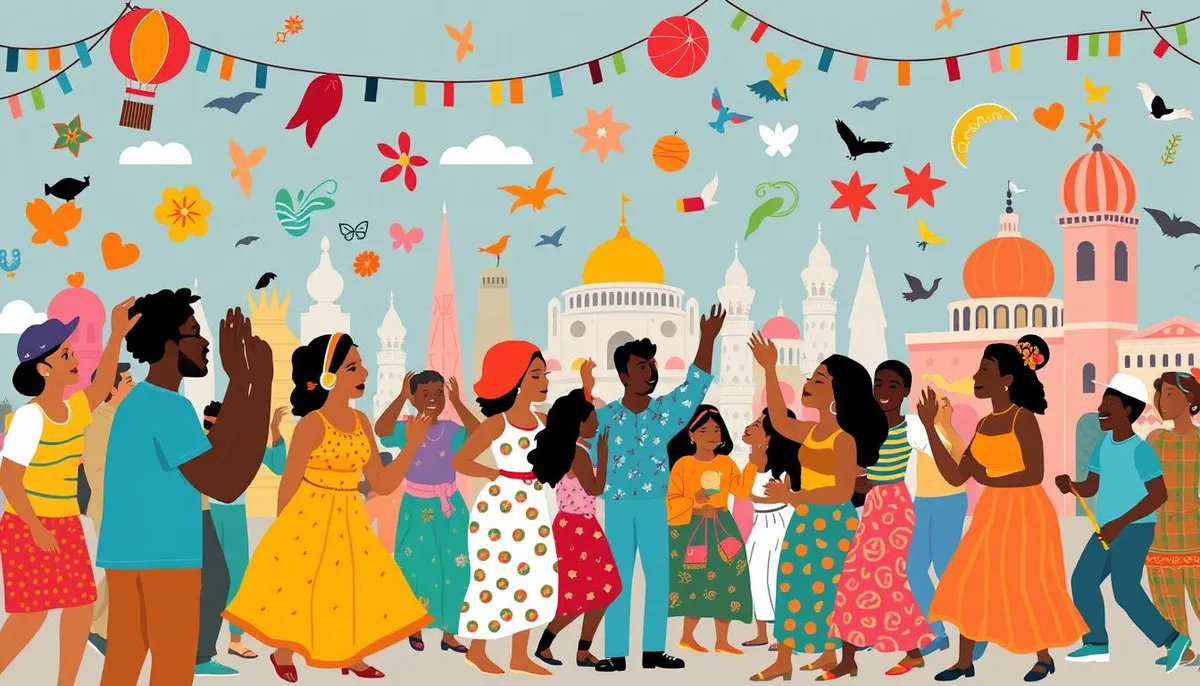
The Cultures du Cœur association works for the social and cultural inclusion of disadvantaged individuals. For over 20 years, it has been striving to make culture, sports, and leisure accessible to those who are farthest from it.
Cultures du Cœur is based on a clear vision: to consider culture and sports as essential common goods for personal development and social inclusion. The organization actively promotes cultural and sports mediation as a lever for flourishing and integration for vulnerable individuals.
Mission and vision
The mission of Cultures du Cœur is to facilitate access for individuals in precarious situations and/or economic and social vulnerability to cultural, sports, and leisure structures. The organization aims to promote cultural and sports mediation as a means of personal development and social and professional inclusion.
By facilitating networking among cultural and social actors, Cultures du Cœur collaborates with institutional partners to be a key player in defining and implementing public policies for inclusion.
Network and partnerships
Cultures du Cœur relies on a vast network of partners including over 5000 social relays and 5000 cultural and sports partners spread across 39 territories in France. This network allows for offering free invitations to cultural and sports events to individuals supported by partner social structures.
Beyond the simple provision of tickets, Cultures du Cœur develops qualitative support for audiences and trains social field professionals in cultural mediation. The organization also plays a role in expertise and advocacy with institutions to recognize the importance of access to culture in social inclusion policies.
Cultural policies in France
The cultural policies in France have undergone remarkable evolution over the decades, shifting from an elitist vision to a more democratic approach to culture. This transformation has been marked by key milestones, notably the creation of the Ministry of Culture in 1959 under the impetus of André Malraux.
This institution has played a crucial role in the democratization of culture, with the mission to "make the capital works of humanity accessible to the greatest number." The cultural policies have continued to evolve, particularly with the emergence of the concept of cultural democracy in the 1970s-1980s.
Historical evolution
The evolution of cultural policies in France has been characterized by several important phases. The creation of the Ministry of Culture in 1959 marked a decisive turning point. The following years saw the broadening of the notion of culture beyond the fine arts to include popular and amateur cultural practices.
- The 1980s were marked by the impetus given by Jack Lang, Minister of Culture, to support contemporary creation and develop cultural industries.
- Cultural policies continued to diversify, with a focus on artistic and cultural education.
Current measures for access to culture
Today, measures to promote access to culture are numerous and varied. Social pricing, artistic and cultural education, and the Culture Pass for young people are some examples of these initiatives.
- The implementation of these policies relies on a dense network of cultural facilities spread across the entire territory.
- Cultural action directed towards distant audiences has become a priority, with specific programs for priority neighborhoods and rural areas.
These efforts aim to promote an inclusive culture and reduce disparities in access to culture. Current debates focus on the balance between supporting artistic excellence and cultural democratization, as well as adapting cultural policies to the digital age.
Challenges and critiques of the concept of culture
Critiques of the concept of culture are multiplying within the scientific community. Despite its usefulness and popularity, the concept of culture is questioned by many researchers.
Academics such as Ingrid Piller, Joana Breidenbach, Unni Wikan, and Adam Kuper have expressed reservations about the use of the concept of culture. According to them, this concept has sometimes replaced that of race, perpetuating essentialist stereotypes.
The contemporary critical approach
The contemporary critical approach denounces the tendency to essentialize cultures, presenting them as homogeneous and static entities. This view can serve to justify inequalities or discrimination by naturalizing socially constructed differences.
Researchers emphasize that this essentialization can have negative consequences, particularly in reinforcing harmful stereotypes.
Culture and cultural rights
The issue of cultural rights, recognized by the United Nations, attempts to respond to these critiques. The rights-based approach emphasizes individuals' cultural freedom rather than the preservation of fixed cultures.
| Cultural rights | Objectives | Benefits |
|---|---|---|
| Participation in cultural life | Ensure equality of enjoyment of cultural rights | Promote cultural diversity |
| Cultural freedom | Protect the rights of minorities | Encourage social inclusion |
Farida Shaheed, UN Special Rapporteur, has worked on the articulation between cultural rights and women's rights, showing that culture should not be invoked to justify discrimination.
Towards an inclusive culture: best practices
Creating an inclusive cultural framework is essential for valuing diversity. This requires a comprehensive approach that integrates various cultural activities, including the role of a cultural operator, to meet the needs of all audiences.
Many innovative initiatives are emerging to promote a more inclusive and accessible culture. These efforts are crucial in addressing the challenges of cultural exclusion.
Innovative initiatives in France and internationally
Projects like "Démos" in France allow children from priority neighborhoods to engage in orchestral practice, thus promoting social inclusion through music. Internationally, programs such as "Creative Europe" support cultural projects that encourage intercultural dialogue and the inclusion of minorities.
| Project | Objective | Location |
|---|---|---|
| Démos | Introduce children to orchestral practice | France |
| Creative Europe | Support cultural projects for intercultural dialogue | Europe |
Recommendations for cultural and social actors
For cultural actors, it is crucial to rethink their practices within a framework that is more inclusive. This involves diversifying programming, adapting cultural mediation, and co-constructing projects with the concerned audiences.
Social field professionals are encouraged to integrate the cultural dimension into their support activities, recognizing its transformative potential for individuals and communities.
Conclusion: culture and cultures, a wealth to share
At the heart of contemporary debates, culture emerges as an essential vector of mutual understanding and peace. The richness and complexity of this fundamental human phenomenon, including cultural studies, are now clear.
Culture, whether considered in the singular or plural, constitutes an invaluable treasure. The tensions between cultural universalism and particularism have permeated debates for years.
Contemporary philosophy invites us to transcend these oppositions to think of culture as a dynamic process. The challenge is to promote intercultural dialogue based on shared values.
In the face of the challenges of globalization, culture can be a vector of peace among peoples by recognizing the legitimacy of different cultural expressions and affirming certain universal values.