Welcome to the heart of the Caribbean, where a small island radiates a unique energy. Jamaica captivates the attention of the whole world with its authenticity and vitality. Its rich heritage is the result of a harmonious blend of peoples and stories.
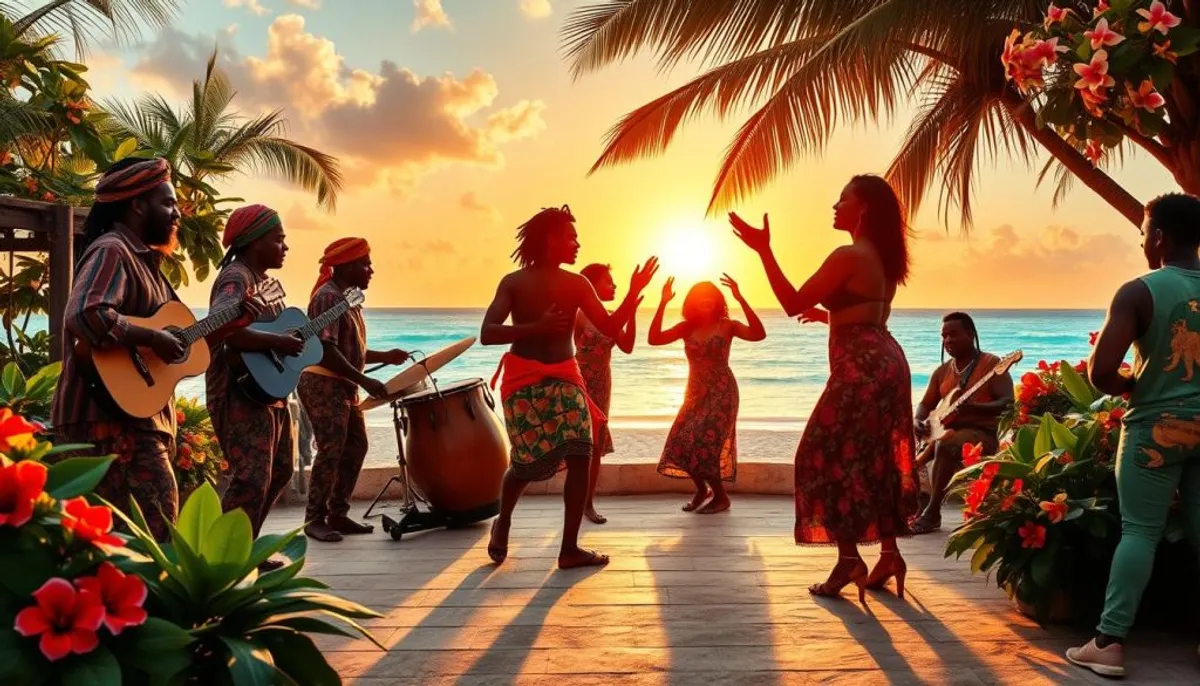
The first inhabitants, the Taínos, were followed by Spanish and British colonizers. The Africans brought to the island became the dominant force. After the abolition of slavery, Chinese and Indian immigrants enriched this melting pot.
The national motto, “Out of many, one People”, perfectly illustrates this fusion. Multiple influences have created a coherent and globally recognized identity. Despite its modest size, the impact of this culture is immense.
From music to spiritual traditions, this article invites you to explore the origins and expressions of this heritage. Discover how this island continues to inspire millions of people.
Key Points to Remember
- Jamaica has a rich and unique cultural heritage.
- Its identity is a harmonious blend of several influences.
- The national motto reflects this unity in diversity.
- The island's impact on the international stage is considerable.
- Music and traditions are pillars of its radiance.
- The island's atmosphere is characterized by positivity.
- Its heritage continues to inspire across the globe.
Origins and Influences of Jamaican Culture
The history of this island begins long before the arrival of European explorers in the 16th century. The first inhabitants, the Taínos, left their mark on the territory.
The Founding Peoples and the Contribution of the Taínos
The Taínos, also known as Arawaks, were the first residents of this country. Their artistic heritage is evident in ancient petroglyphs and sculptures.
Despite their near extinction, some words from their language still survive today. Diseases and Spanish conquest erased their physical presence.
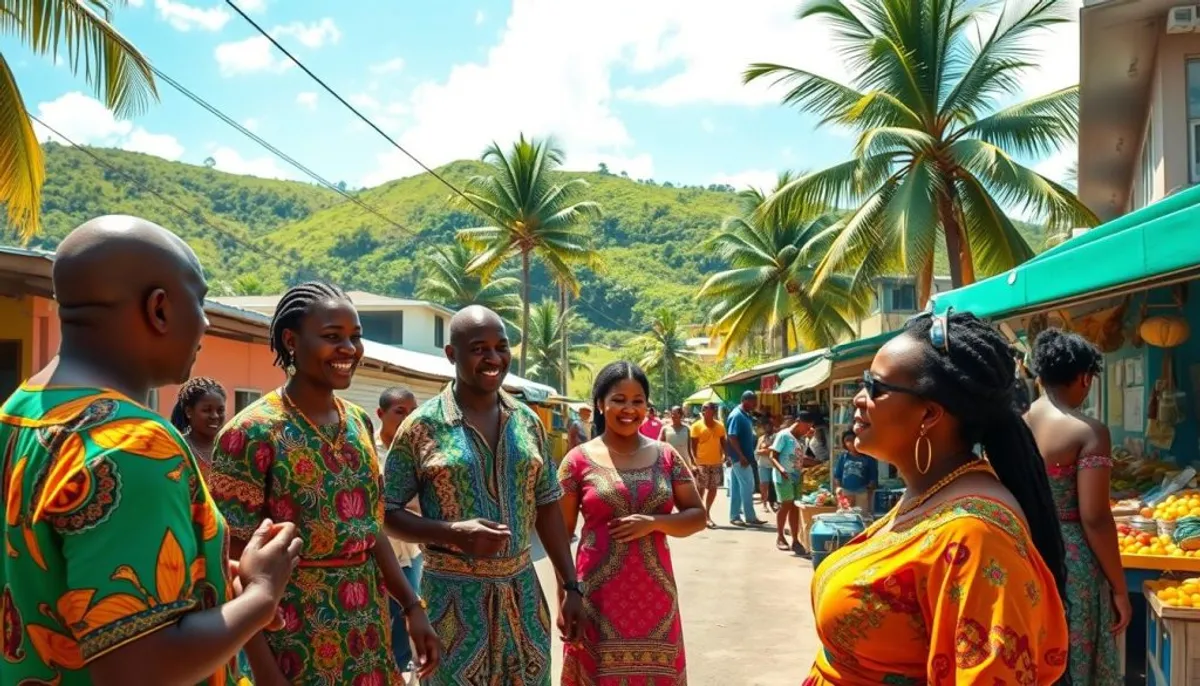
The Colonial Legacy, Slavery, and Mixtures
In the early 16th century, the Spaniards founded Sevilla la Nueva. The British succeeded them and imposed English as the official language.
The plantation system instituted several centuries of slavery. Africans became the dominant force despite the oppression.
The Maroons, rebellious slaves, preserved their African heritage in the mountains. Their resistance forged the unique character of this country.
After the abolition of slavery in 1834, Chinese and Indian workers enriched the social fabric. English mixed with African influences to create Jamaican Creole.
Jamaican Artistic and Musical Expressions
Jamaican artistic creativity expresses itself with remarkable intensity through its musical and choreographic forms. This creative vitality radiates well beyond the island's borders.

Reggae and Its Global Impact
Reggae emerged in the late 1960s from a unique blend of rocksteady and mento. This musical style has conquered the whole world thanks to icons like Bob Marley.
Sound Systems, which appeared as early as 1940, revolutionized the dissemination of this music. Dub and dancehall are subgenres that perpetuate the legacy of roots reggae.
Traditional Dances and Visual Arts
More than 30 distinct dances enrich the local choreographic heritage. They are classified into three categories: African, European, and Creole.
Jamaican visual arts gained autonomy in the 1920s. Artists like Edna Manley developed a unique intuitive movement.
This artistic richness reflects the diversity of the local culture. Music and dance remain pillars of Jamaican identity.
Rastafarianism and Jamaican Legends
The 1930s saw the birth of a spiritual movement that would profoundly mark local identity. This unique philosophy fuses African traditions and aspirations for freedom.
The Birth of the Rastafari Movement in the 1930s
Marcus Garvey predicted in the 1920s the crowning of an African king. In 1930, Haile Selassie I became Emperor of Ethiopia, fulfilling this prophecy.
Leonard Howell developed these ideas in Jamaica. The Rastas see Haile Selassie as their divinity, Jah Rastafari.
Bob Marley: Ambassador of Reggae
Bob Marley embraced Rastafarianism in the late 1960s. His music became the global vehicle for this religion.
Bob Marley transformed a local movement into a global phenomenon. His message of peace and unity still resonates today.
Rasta Practices and Philosophy of Life
The Rastas follow an I-Tal diet excluding meat and industrial products. Ganja serves as a sacrament for spiritual communion.
This religion values individual autonomy. “The Rasta obeys no authority but himself.”
| Rasta Practice | Meaning | Impact on Life |
|---|---|---|
| Dreadlocks | Biblical reference and identity | Expression of natural faith |
| I-Tal Diet | Pure and natural food | Health and spiritual connection |
| Sacramental Ganja | Communion with Jah | Meditation and reflection |
For the Rastas, every aspect of life becomes spiritual. The present time is sacred and must be lived consciously.
Bob Marley embodies this philosophy of authentic life. His legacy continues to inspire entire generations.
Heritage, Museums, and International Recognition
UNESCO has designated several elements of Jamaican heritage as world treasures. This recognition underscores the importance of local heritage on an international level.
Must-See Sites and Museums Dedicated to Culture
The Bob Marley Museum in Kingston attracts visitors from around the world. They discover the life of the king of reggae in his original home.
The National Gallery of Jamaica showcases major works like “Ghetto Mother” by Edna Manley. This institution preserves the art of the country from the Taínos to contemporary times.
The Jamaica Music Museum traces the evolution of local music. From mento to reggae, each style finds its place in this unique collection.
World Heritage and UNESCO Labels
In 2018, UNESCO inscribed reggae as an intangible cultural heritage. This decision acknowledges the global impact of this music born on the island.
Ten years earlier, the traditions of the Maroons of Moore Town received the same distinction. The Jamaica National Heritage Trust ensures the preservation of these treasures for future generations.
These international recognitions testify to the vitality of local heritage. The country continues to share its cultural wealth with the whole world.
Conclusion
The global influence of this small island in the Caribbean continues to surprise. Despite a past marked by slavery, the Jamaican people have transformed their heritage into a unique creative force.
Reggae remains the best ambassador of this richness. This music carries values of peace and resistance that transcend borders. New generations of artists continue this living tradition.
The national motto “Out of many, one People” illustrates this ability to unite differences. The Creole language, born from colonial English, symbolizes this freedom of expression.
We invite you to discover this philosophy of authentic life. Whether through music, museums, or a trip to the island, immerse yourself in this unique atmosphere where creativity and relaxation blend harmoniously.
Reggae and all this richness continue to inspire the world. This heritage proves that a culture can shine far beyond its origins.
FAQ
What is Jamaica's most significant influence on the world?
Without a doubt, it is music, particularly reggae. Popularized by icons like Bob Marley, this genre has conquered the planet. It conveys a message of peace and resistance, making Jamaica a major cultural player on the international stage.
What languages are spoken on the island?
The official language is English, used in administration and education. However, the everyday language for most inhabitants is Jamaican Patois. This rich and melodic creole is a direct heritage of its history.
Is the Rastafari movement a religion or a way of life?
It is both! It is a monotheistic religion that is also a complete philosophy of life. The Rastas follow specific principles, such as a natural diet (ital), and promote values of community and respect.
How has the history of slavery marked the country?
The period of slavery has profoundly shaped Jamaican society. It has influenced music, religion, and social structures. The struggle for freedom is a central theme in the heritage and national identity of the country.
What sites should be visited to understand this heritage?
To dive into history, visit the Bob Marley Museum in Kingston or the National Museum of Jamaica. Sites like Port Royal, once a pirate haven, also tell a fascinating part of the island's past.
RelatedRelated articles
- 6 Jan 2026·7 min readExplore the Kawaii Culture: Fashion, Art, and LifestyleArticles
 Welcome to the fascinating world of Japanese aesthetics that has conquered the entire world. The term “kawaii” means much more than “cute” – it represents a true philosophy of life. This approach values sweetness, innocence, and vulnerability. It exp...