Welcome to the fascinating world of Japanese aesthetics that has conquered the entire world. The term “kawaii” means much more than “cute” – it represents a true philosophy of life.
This approach values sweetness, innocence, and vulnerability. It expresses itself through multiple artistic and cultural forms.
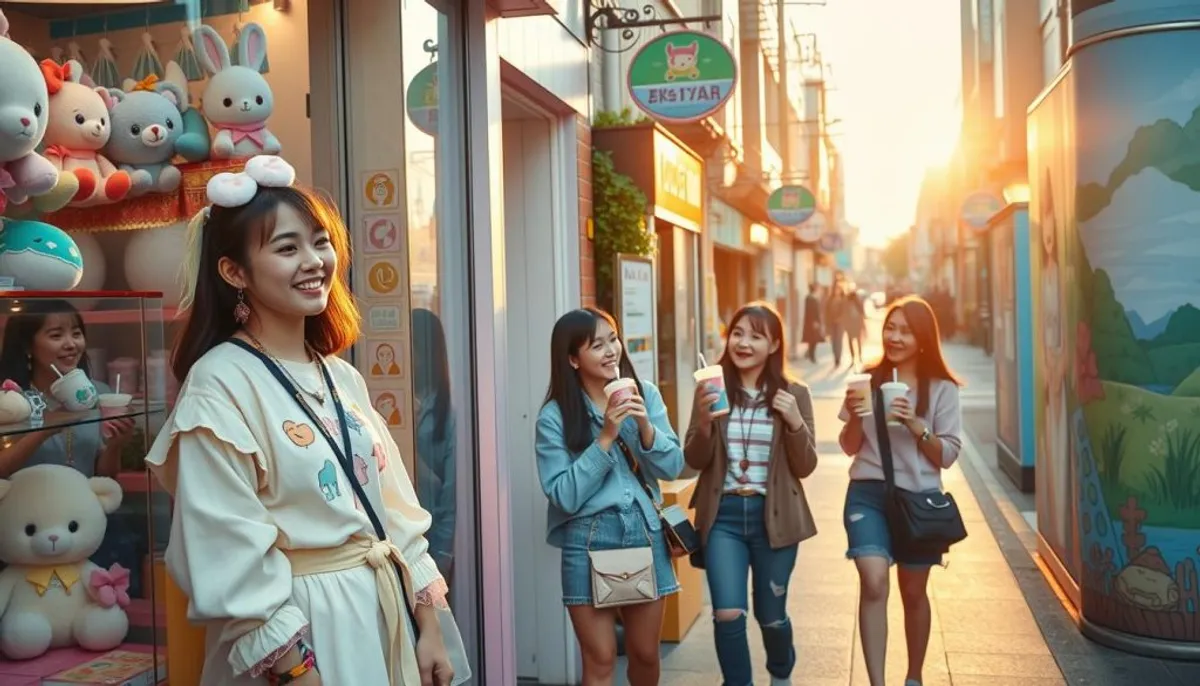
The Harajuku district in Tokyo remains the epicenter of this movement. Here, one discovers colorful fashion styles and unique creative expressions.
This article offers you a comprehensive journey through the different facets of this aesthetic. We will explore its historical evolution and contemporary manifestations.
From iconic characters like Hello Kitty to the latest fashion trends, you will discover how this philosophy influences our daily lives. Music, cuisine, and visual art are also inspired by it.
Whether you are passionate about Japanese style or simply curious, this exploration holds wonderful surprises for you. Get ready to discover an amazing parallel universe that continues to enchant millions of people.
Key Points to Remember
- Kawaii goes beyond the simple notion of “cute”
- Harajuku is the iconic district of this movement
- This aesthetic influences fashion, art, and lifestyle
- Hello Kitty represents a global kawaii icon
- The phenomenon has deep historical roots
- It values sweetness and innocence
- This culture continues to evolve and spread
The Historical Roots and Evolution of Kawaii
Let’s trace the astonishing evolution of this Japanese sensitivity through the centuries. The history of the term kawaii dates back over a thousand years, with fascinating linguistic transformations.
Origin and Meaning of the Term “Kawaii”
The true origin of the word finds its roots in the expression “kaohayushi” used during the Heian period (794-1185). At that time, this term described a face blushing with shame or guilt.
The initial meaning was therefore quite different from the current positive connotation. This linguistic evolution shows how a word can transform its essence over time.
From the Word “Kaohayushi” to Modern Connotations
During the Taisho era (1912-1926), the term evolved to “kawayushi.” This word carried an interesting duality: it expressed both embarrassment and vulnerability, but also adorableness and cuteness.
This semantic transformation reflects the social changes in Japan through different historical periods. The modern meaning gradually crystallized, retaining some nuances from its origins.
Over the years, the term eventually gave birth to contemporary kawaii. It now encompasses complex psychological dimensions that resonate with Japanese sensitivity.
The Impact of Culture on Japanese Society
This artistic movement has permeated all aspects of daily life in Japan. The phenomenon far exceeds the aesthetic realm to touch on national identity.
The Japanese culture has remarkably integrated this sensitivity. From public services to private enterprises, the influence is visible everywhere.
Omnipresence in Daily Life
This aesthetic now colors the entire society. Company mascots and government campaigns frequently utilize it.
It softens the often rigid environment of the country. The Japanese find an escape from daily stress in it.
Cultural Manifestations and Acts of Rebellion
The origin traces back to the student movements of the 1970s. Young people protested against stifling traditions.
They created a calligraphic revolution with rounded characters. This resistance transformed into an accepted element of culture.
| Aspect | Origins (1970s) | Current Situation |
|---|---|---|
| Social Perception | Protest Movement | Mainstream Cultural Element |
| Expression | Rebellious Calligraphy (burikko-ji) | Universal Visual Language |
| Impact | Resistance to Traditions | Softening of Daily Life |
This evolution illustrates how society integrates initially subversive expressions. The Japanese culture shows remarkable adaptability.
The Influence on Fashion and Lifestyle
At the heart of modern Japanese aesthetics, clothing transcends its utilitarian function to become a means of personal expression. This approach transforms fashion into a visual language rich in meanings.
Fashion Styles: Sweet Lolita, Gothic Lolita, and More
The clothing universe unfolds into several distinct styles, each with its specific codes. Sweet Lolita uses pastel colors and lace to create a joyful appearance.
Gothic Lolita retains the cute aspect while adopting a darker aesthetic. Other variations like Wa Lolita reinterpret Japanese tradition.
Accessories, Makeup, and Childlike Attitudes
Accessories play a crucial role in building the kawaii style. Layering bracelets, necklaces, and hair clips creates a harmonious visual composition.
Makeup accentuates large eyes with eyeliner and false lashes. Body attitude includes childlike postures like fingers forming a V.
This complete expression transforms clothing into a living artistic performance. Every detail contributes to the unique visual identity of this style.
The Art and Aesthetics of Kawaii
The artistic dimension of this phenomenon manifests through a unique and universal visual language. This aesthetic possesses immediately recognizable codes that transcend borders.
Expression in Manga and Anime
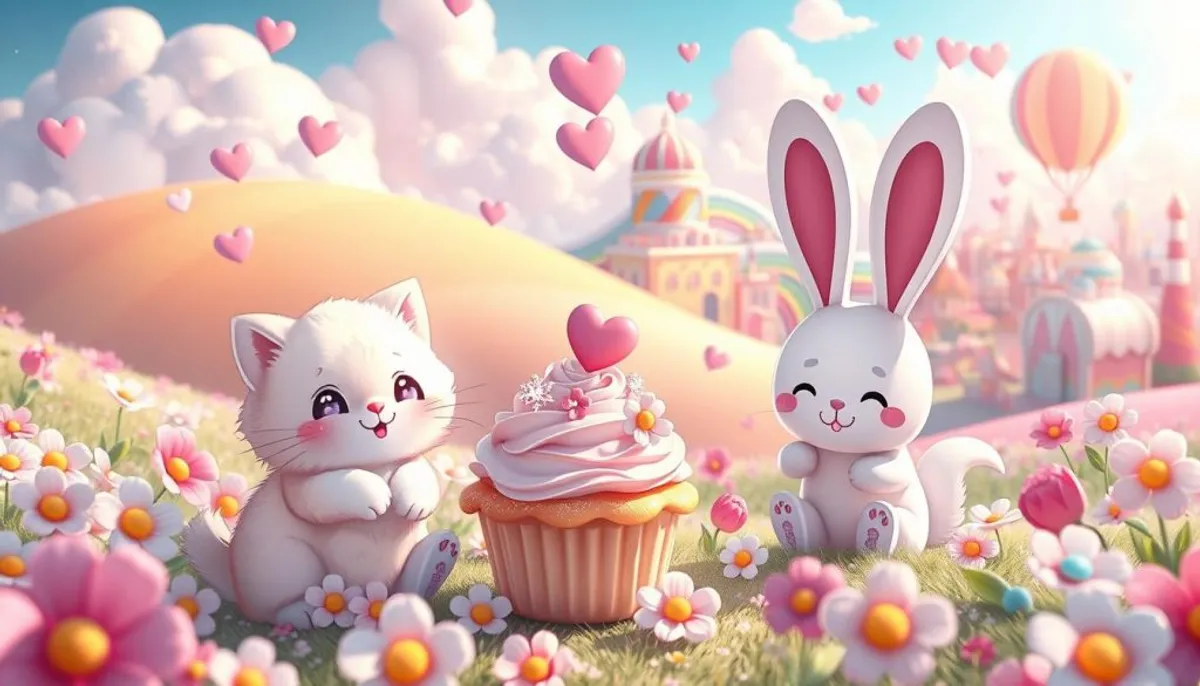
Japanese manga and anime have perfectly integrated this sensitivity. Iconic series like Sailor Moon or Pokémon illustrate this approach.
Characters present characteristic proportions: oversized heads and slender bodies. The eyes are disproportionately large, expressing innocence and wonder.
Use of Pastel Colors and Minimalist Design
The color palette favors soft and soothing pastel tones. Gentle pinks, sky blues, and mint greens create a comforting atmosphere.
The clean design reduces details to the essential. This simplicity allows for immediate emotional identification with universally cute creatures.
| Artistic Element | Main Characteristic | Produced Effect |
|---|---|---|
| Body Proportions | Disproportionate Head | Vulnerability and Innocence |
| Eye Expression | Large and Round | Childlike Wonder |
| Color Palette | Soft Pastel Tones | Soothing Atmosphere |
| Graphic Style | Minimalist and Clean | Immediate Identification |
This kawaii aesthetic in art creates a coherent and endearing visual universe. It continues to inspire contemporary creators around the world.
The International Expansion of Kawaii Culture
This movement has managed to cross oceans to establish itself in various cultural contexts around the globe. The export of this aesthetic represents a remarkable transformation of the last century.
In the 1980s and 1990s, manga and anime served as a cultural bridge. Series like Sailor Moon introduced these visual codes to Western audiences.
Dissemination in Global Pop Culture
The advent of the Internet has significantly accelerated this spread. Online communities have adopted and adapted elements of this aesthetic.
This flexibility has given rise to fascinating hybrid interpretations. They merge Japanese aesthetics with local cultural elements.
Today, this phenomenon is celebrated internationally at dedicated events. Festivals like Hyper Japan in London testify to its established status.
This expansion demonstrates the universality of the fundamental principles of this sensitivity. It now transcends linguistic and cultural barriers around the world.
Iconic Characters and Pop Icons
Some figures have transcended their initial status to fully embody this visual philosophy. These iconic characters carry universal values of innocence and sweetness.
Hello Kitty, Kyary Pamyu Pamyu, and Other Notable Figures
Hello Kitty represents the absolute icon since her creation in 1974. This character without a mouth has become a global symbol of kindness.
Singer Kyary Pamyu Pamyu embodies modern evolution with her psychedelic music videos. Kyary Pamyu has popularized this universe among a new generation.
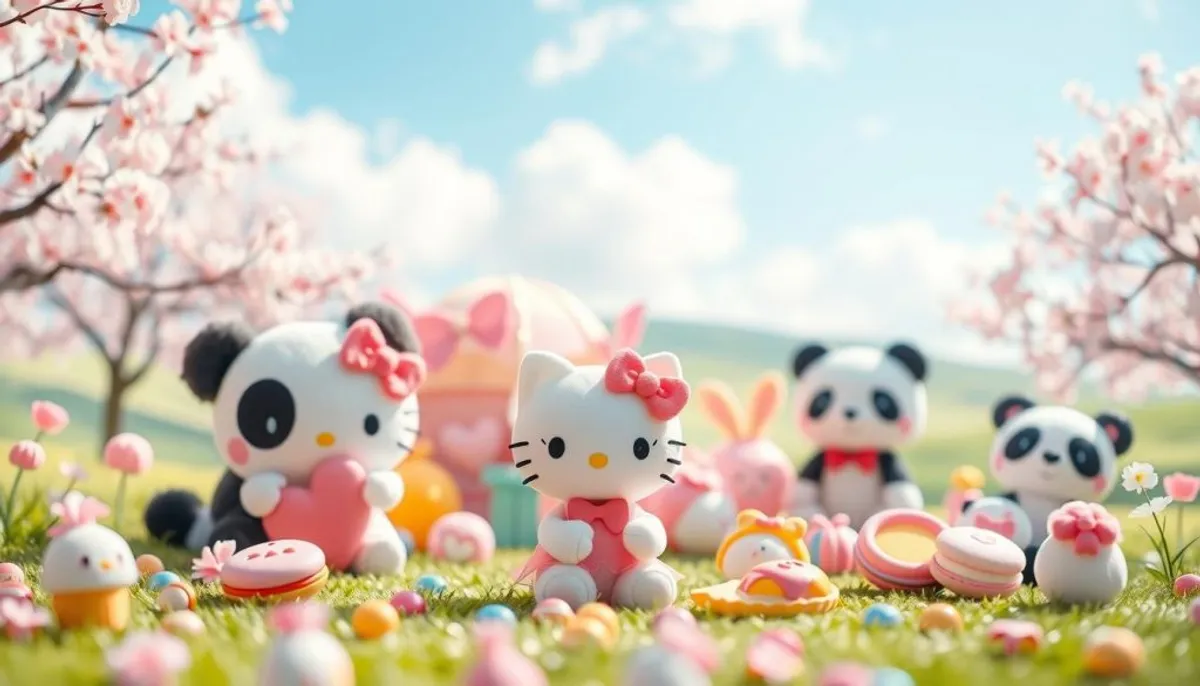
Groups like Babymetal merge this aesthetic with surprising genres. These kawaii characters demonstrate remarkable adaptability.
The Importance of Mascots and Yuru-chara in Communication
Mascots hold a unique place in Japanese society. They serve as promotional tools for cities and regions.
Kumamon represents Kumamoto Prefecture with national success. These characters generate substantial revenue for their regions.
New creations like Sumikko Gurashi continue to emerge. These mascots prove the ongoing vitality of this visual universe.
The Influence on Food and Culinary Art
The plate becomes a canvas in the creative Japanese universe, where food transforms into a delicious artistic expression. This approach goes beyond mere taste to touch on visual presentation.
Daily meals are adorned with charm and sweetness. They invite a complete sensory experience.
The Kyaraben Bento Phenomenon
The kyaraben bento perfectly illustrates this fusion. These are lunch boxes where food takes on adorable shapes.
Originally, mothers created these edible objects for their children. Rice and vegetables become animals or characters.
This practice expresses a deep family attachment. It makes mealtime joyful and appetizing.
Kawaii Aesthetics in Culinary Presentation
The kawaii aesthetic now influences gastronomy well beyond lunches. Specialized restaurants offer artistic dishes.
They use natural products to compose smiling faces. Desserts adopt round shapes and pastel colors.
This trend also appeals to adults seeking whimsy. It brings a touch of lightness to daily life.
| Culinary Element | Kawaii Transformation | Impact on Experience |
|---|---|---|
| Traditional Bento | Kyaraben (characters/animals) | Stimulates appetite and joy |
| Main Dishes | Fun Visual Compositions | Makes the meal memorable |
| Desserts and Pastries | Rounded shapes, soft colors | Adds a touch of sweetness |
This evolution shows how the kawaii aesthetic re-enchants even the simplest acts. Cooking becomes a living art accessible to all.
Conclusion
At the end of this exploration, we discover that this aesthetic represents much more than a simple style – it is a true gentle rebellion. Behind the cute appearances lies a profound social contestation.
This movement born in the 1970s transformed a simple word into a global phenomenon. It offers a space of freedom in a society that is often rigid.
Japanese daily life has absorbed this sensitivity. From objects to meals, every detail expresses something profound.
This aesthetic continues to evolve with a unique meaning. It proves its vitality by merging tradition and modernity.
Kawaii remains a living and inspiring culture. It enchants the entire world while retaining its Japanese essence.
FAQ
What does the word "kawaii" really mean?
The Japanese term “kawaii” is generally translated as “cute.” It describes an innocent and childlike charm found in style, characters, and objects. It evokes a feeling of tenderness and affection.
How did this movement start in Japan?
This phenomenon emerged in the 1970s among young people. It partly originated as an act of gentle rebellion, with rounded writing and naive drawings that gradually influenced fashion and art.
What are the most popular fashion styles related to this aesthetic?
The most well-known styles are Sweet Lolita and Gothic Lolita. They are characterized by puffed skirts, lace, elaborate accessories, and pastel or dark colors, creating a doll-like silhouette.
Who are the most iconic characters in this universe?
Hello Kitty is undoubtedly the absolute icon. Other notable figures include singer Kyary Pamyu Pamyu and the many mascots (yuru-chara) used by Japanese companies and cities.
Has this trend influenced cuisine?
Absolutely! The phenomenon of kyaraben bento is a perfect example. These are lunch boxes where food is arranged to form animals or manga heroes, making the meal visually adorable.
How has this phenomenon spread worldwide?
Thanks to the power of manga, anime, and Japanese pop culture, this way of life has captivated an international audience. Merchandise and social media have accelerated its global dissemination.
RelatedRelated articles
- 2 Jan 2026·8 min readYoruba Culture: A Rich and Fascinating Heritage to DiscoverArticles
 Welcome to a journey into the heart of one of the most vibrant traditions of West Africa. This ancestral heritage, carried by a large ethnic group, shines through its depth and diversity.The Yoruba people have built a history marked by a flourishing ...