
Welcome to this captivating discovery of the country that is Liberia. This nation in West Africa, home to about 4.5 million inhabitants, has a truly unique identity.
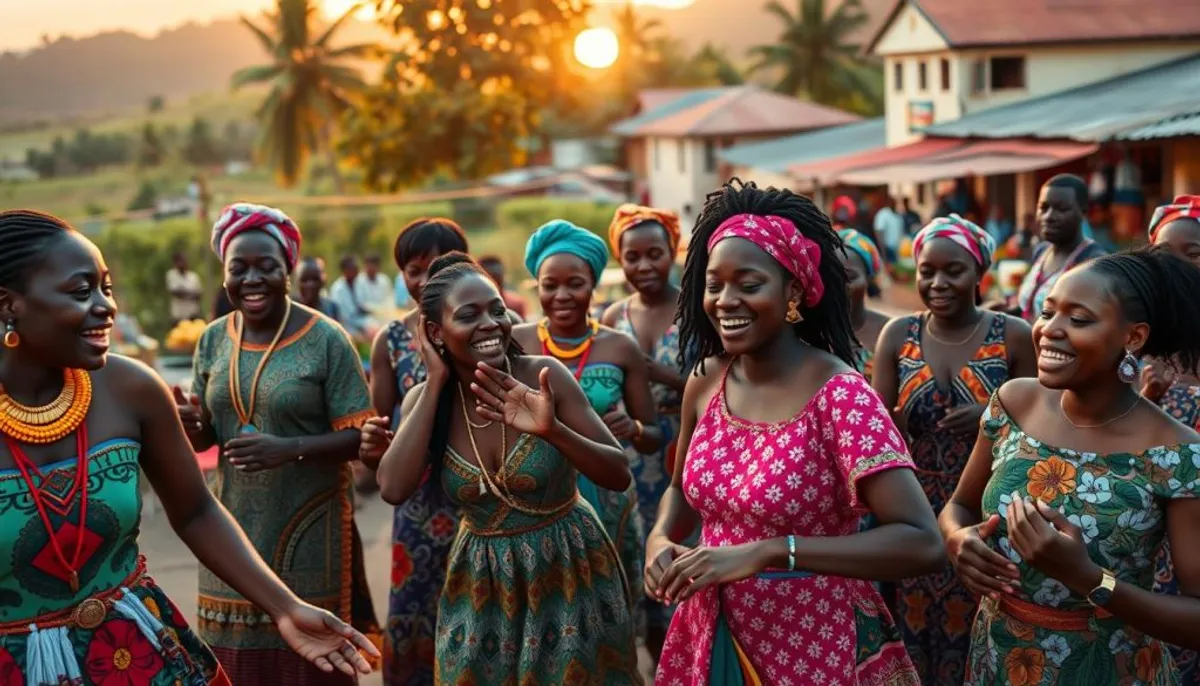
Its extraordinary history makes it a unique case on the continent. Liberia was indeed founded by former freed slaves from America in the 19th century.
This past has created a heritage where ancestral African influences blend with American contributions. This fusion can be seen in traditions, art, religion, and even gastronomy.
Despite the challenges of the past, this small coastal state has managed to retain its authenticity. It maintains ancient customs while adapting to modernity.
The Liberian society is a harmonious mosaic of more than twenty ethnic groups. Each contributes to the national heritage, creating a culture of great ethnic diversity and diversity.
Prepare for a journey through the symbols, languages, beliefs, and arts that make this destination so fascinating.
Key Points to Remember
- Liberia is a country in West Africa with a unique founding history by freed slaves.
- Its culture is a distinct blend of ancestral African influences and 19th-century American elements.
- This richness is reflected in vibrant traditions, art, religion, and cuisine.
- The country is home to more than twenty coexisting ethnic groups.
- It has preserved its authenticity while evolving with modernity.
- Its cultural heritage is both resilient and dynamic.
Introduction to Liberian Culture
This small country in West Africa stands out for its unique origins and hybrid cultural heritage. Its formation dates back to 1822, when freed slaves from the United States sought to establish a new homeland based on freedom.
General Overview and Context
This unique history explains why English became the official language. The national motto “The love of liberty brought us here” perfectly summarizes the founding spirit.
Liberian English has several variants, including local creole and Merico. These linguistic nuances reflect the complexity of identity.
A Country at the Crossroads of Influences
The West African country shares its borders with Sierra Leone, Guinea, and Côte d'Ivoire. This geographical position fosters regional cultural exchanges.
The population comprises more than 16 major ethnic groups. This diversity creates a dynamic society where ancestral traditions and modern influences coexist.
| Ethnic Group | Population Percentage | Main Region | Cultural Characteristics |
|---|---|---|---|
| Kpelle | 20% | Central | Agriculture, matrilineal society |
| Bassa | 14% | Coastal | Fishing, textile crafts |
| Grebo | 10% | Southeast | Rice farming, initiation traditions |
| Dan | 8% | North | Metallurgy, ritual masks |
Despite historical challenges, the inhabitants preserve their traditions with resilience. This ethnic mosaic continuously enriches the national heritage.
The Foundations of Liberian Culture
Liberia is characterized by remarkable cultural foundations that shape its national identity. This country in West Africa presents a complex and fascinating social structure.
Ethnic and Linguistic Diversity
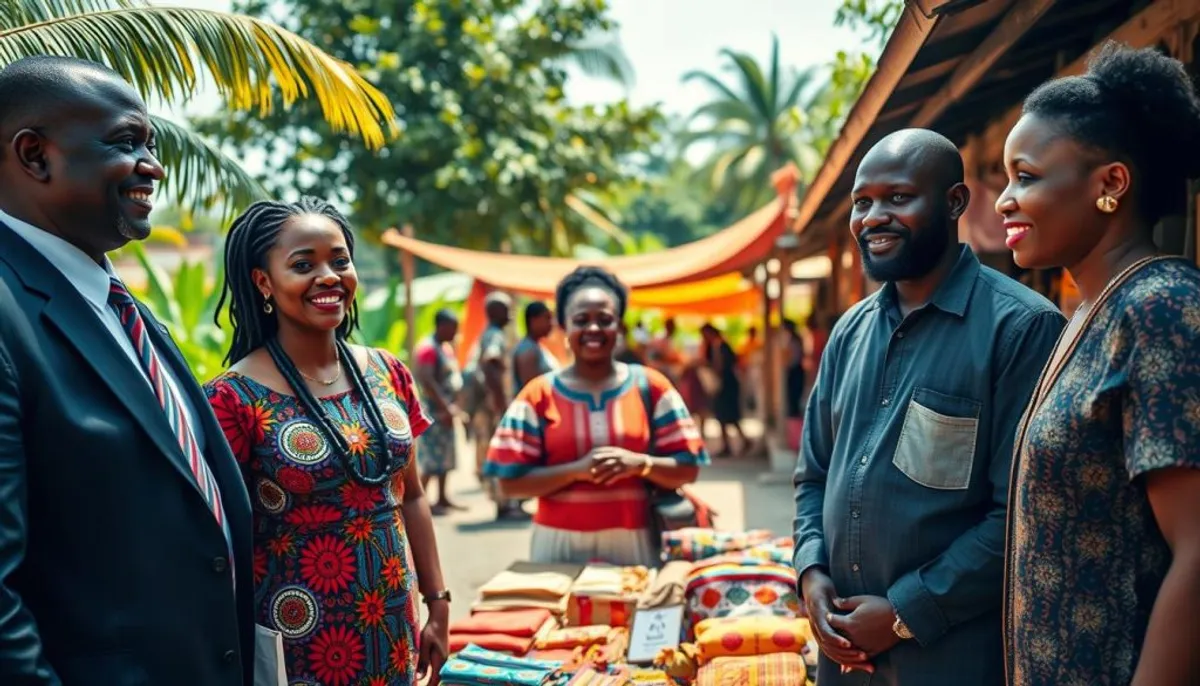
The Liberian population consists of more than sixteen distinct ethnic groups. Although English is the official language, most inhabitants speak their native language daily.
This linguistic diversity includes Kpelle, Bassa, Grebo, and many others. Vernacular English serves as a lingua franca among communities.
Religious Practices and Ancestral Beliefs
Religious traditions reflect a rich synergy. Christianity predominates, but Islam and traditional cults coexist harmoniously.
More than half of Liberians practice ancestral religions, often in syncretism with other beliefs. This spiritual aspect remains vibrant in contemporary society.
National Symbols and Historical Heritage
National emblems embody Liberia's unique history. The flag, inspired by the American banner, symbolizes regained freedom.
The anthem “All Hail, Liberia Hail” celebrates this independence. English remains the vehicle of this strong and unifying symbolic identity.
Traditions, Myths, and Rituals
The ancestral traditions of Liberia represent a living heritage passed down for centuries. This essential part of the national identity fascinates with its richness and complexity.
African Folklore and Initiatory Societies
Folklore draws from oral stories passed down by griots. These tales explain the origin of the world and natural elements.
Initiatory societies structure the spiritual life of the inhabitants. The Poro trains young men in community values. The Sande society initiates women into traditional roles.
| Initiatory Society | Main Function | Ethnic Groups | Characteristic Practices |
|---|---|---|---|
| Poro | Male initiation | Mande, Kpelle | Secret rituals, masks |
| Sande | Female initiation | Bassa, Grebo | Dances, social training |
| Aniota | Secret society | Diverse groups | Mysterious rituals |
| Crocodile Society | Spiritual power | Coastal communities | Aquatic ceremonies |
Bai T. Moore has preserved these threatened traditions. His work safeguards a unique culture for future generations.
Traditional Ceremonies and Rituals
Ritual masks embody ancestral spirits during ceremonies. Their creation showcases remarkable artistic craftsmanship.
Significant events lead to elaborate celebrations. Births, marriages, and harvests mark the community year.
These rituals blend dances, songs, and offerings. They strengthen social bonds within the population.
Stories are often told in vernacular English. This language allows for accessible transmission to all local English speakers.
Arts, Crafts, and Gastronomy
The artistic and culinary expression of Liberia reveals remarkable creativity that deserves to be discovered, including insights from french podcast reviews. These fields perfectly embody the unique blend of influences that define this country.Visual Arts, Performing Arts, and Craftsmanship
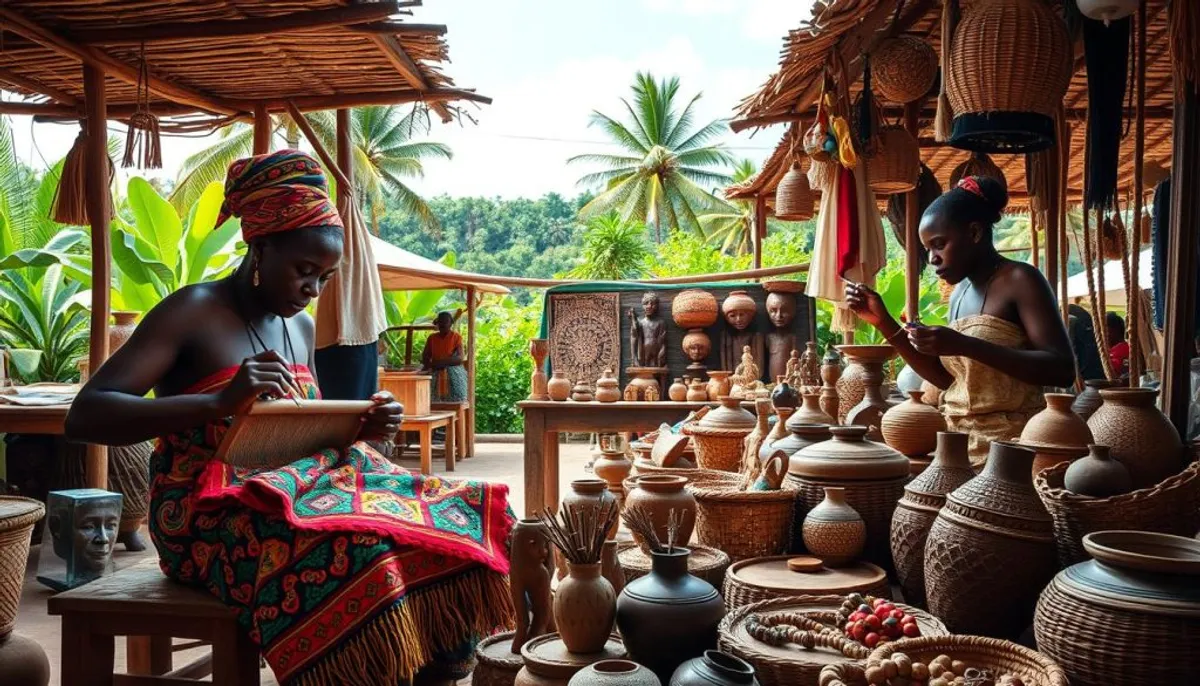
Wood carving represents the most emblematic craft. Artisans create spectacular tribal masks for ceremonies.
They also master metalworking. Silver jewelry and traditional musical instruments testify to their craftsmanship.
The performing arts enliven community life. Master drummers produce hypnotic rhythms during celebrations.
Textile Creations and Traditional Techniques
Textiles hold a special place in the material culture. Colorful lappa fabrics are worn daily.
Weaving and embroidery techniques are passed down from generation to generation. This textile tradition remains very much alive today.
Local Flavors and Culinary Specialties
The gastronomy reflects the dual cultural influence. Fufu, locally called “dumboy,” accompanies spicy soups.
Typical dishes include rice, fish, and meat seasoned with palm oil. Traditional beverages coexist with modern sodas.
This artistic and culinary diversity is often expressed in vernacular English. The language unifies the different regional expressions.
Tourism and Cultural Discoveries
Embark on an adventure at the heart of an authentic destination where history and nature meet harmoniously. This country in West Africa offers unique experiences at every stage of your journey.
Exploring Monrovia and Its Historic Neighborhoods
The capital Monrovia, named in honor of American President James Monroe, reveals fascinating architecture. Providence Island marks the arrival of the first settlers in 1822.
The National Museum preserves valuable ethnographic objects. The ruins of the Ducor Hotel offer spectacular panoramic views of the ocean.
Beaches, National Parks, and Remarkable Natural Sites
The coasts feature beautiful beaches like Tropicana Resort Beach and ELWA Beach. Robertsport attracts surfers with its exceptional waves.
Sapo National Park, the largest protected area, is home to rare species. The East Nimba Reserve and the Libassa Sanctuary complement this remarkable biodiversity.
Visits to Traditional Markets and Social Gathering Places
Waterside Market serves as a vibrant place to meet the inhabitants. Here, you can discover local crafts, including kiribati crafts, and authentic culinary specialties.
These spaces allow for enriching exchanges with the population. English facilitates communication for a total immersion.
Authentic Encounters and On-the-Ground Immersion
The Kpatawee Falls invite swimming in natural pools. Lake Piso allows for peaceful boat rides in the heart of West Africa.
The dry season from December to April is ideal for visiting. Vernacular English makes every encounter accessible and memorable.
Contemporary Social Life and Cultural Expression
The rhythm of social life in contemporary Liberia harmoniously blends tradition and modernity. This nation in West Africa maintains strong community ties while adopting new cultural expressions.
Vibrant Markets and Daily Exchanges
Markets represent the beating heart of social life. The population gathers there every day to exchange goods and news. These colorful spaces typical of West African countries create a vibrant atmosphere.
Negotiations are conducted in Liberian English or ethnic languages. This linguistic diversity strengthens ties between different communities.
Music, Dance, and Live Performances
Music occupies a central place in cultural expression. From traditional rhythms to modern styles, it unites the population. Performances regularly enliven towns and villages.
Football and basketball bring enthusiasts together around enthusiastic competitions. These sporting events create a sense of national unity.
The press in English, such as Star Radio, informs citizens. Liberia was the first West African country to adopt a freedom of information law.
Local literature explores identity themes with depth. Contemporary authors contribute to the prominence of national culture. English facilitates this creative expression.
Conclusion
At the end of this exploration, the country reveals itself as a unique gem in West Africa. Its singular identity draws its roots from an exceptional historical period.
Founded by former freed slaves, Liberia maintains close ties with its neighbors. The history of sierra leone and Côte d'Ivoire notably share the Poro initiatory society.
This part of West Africa is experiencing a promising cultural renaissance, highlighted by numerous moroccan historical sites. Despite the lack of UNESCO recognition, its rich heritage deserves international attention.The African country continues to evolve, driven by a resilient population. Its legacy of freed slaves and living traditions makes it a fascinating cultural destination.
FAQ
What are the main ethnic groups in Liberia?
The country has sixteen main ethnic groups. The Kpelle, Bassa, and Grebo are among the most numerous. This diversity shapes traditions and social life.
Is English the only language spoken?
No, English is the official language, but more than twenty local languages are used daily. This linguistic richness reflects the history of the inhabitants.
How has history influenced culture?
Founded by former American slaves, the country has a unique heritage. This period created a fascinating blend of West African traditions and American influences.
What typical dishes can be discovered?
The local gastronomy is delicious! Rice is the staple food, often accompanied by sauces like “soup” and fresh fish. The flavors are a true journey.
What are Liberia's neighboring countries?
It is bordered by Sierra Leone to the west, Guinea to the north, and Côte d'Ivoire to the east. This position in West Africa enriches its cultural exchanges.
Are there must-see sites for visitors?
Absolutely! Explore Monrovia, the capital, with its historic neighborhoods. The beaches of Robertsport and national parks like Sapo are also worth a visit.