
At the heart of the African continent lies an unknown treasure. The Central African Republic is home to an extraordinary human mosaic. More than eighty ethnic communities weave together the rich fabric of their traditions.
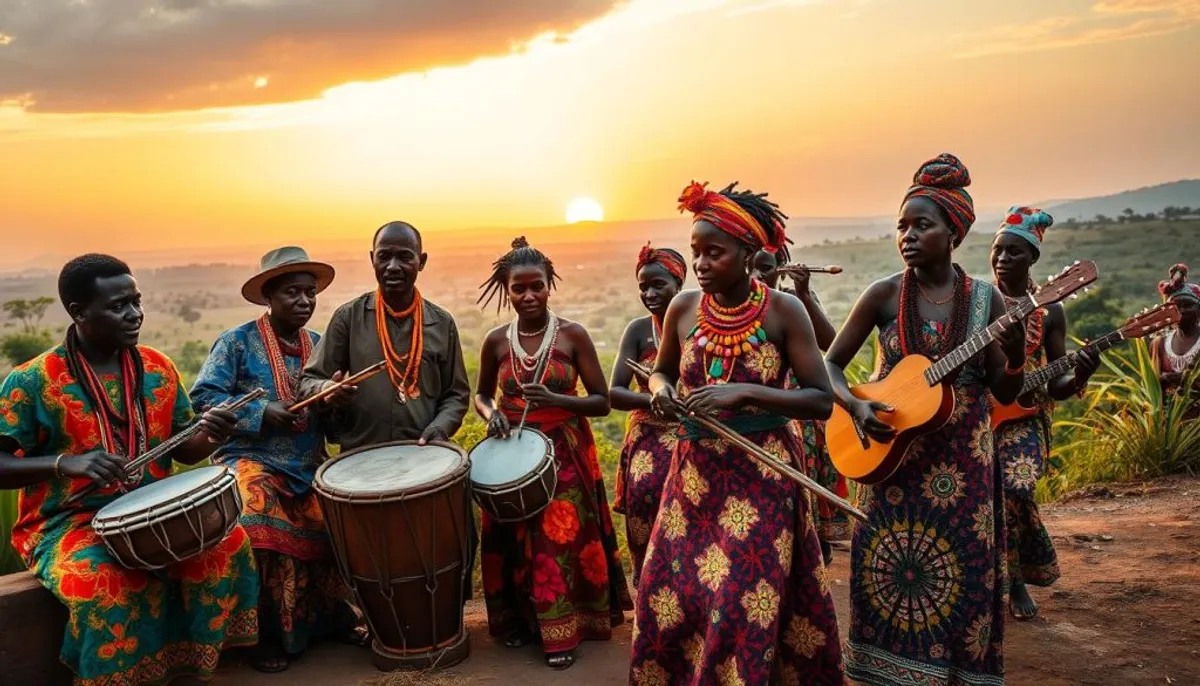
This diversity is the source of a living and vibrant heritage. Artistic expressions here are much more than mere entertainment. They form the foundations of identity and social cohesion for its six million inhabitants.
We invite you on a journey to discover these treasures. From enchanting rhythms to ancestral dances, and remarkable craftsmanship. Each community brings its uniqueness, creating a picture of incredible richness.
This heritage is the result of centuries of exchange and creativity. It continues to evolve, creating a fascinating dialogue between the past and the present. Explore with us this exceptional wealth.
Key Points
- The Central African Republic has more than 80 distinct ethnic groups.
- Its culture is a living mosaic of traditions and artistic creations.
- Music and dance are fundamental pillars of national identity, including the vibrant dance and music in guinea-bissau.
- Cultural heritage is the result of centuries of exchange and great creativity.
- Artistic expressions evolve while remaining rooted in deep traditions.
- This heritage deserves to be celebrated and better known around the world.
Introduction to Central African Culture
Explore the riches of a nation where each ethnic group contributes to a cultural heritage of remarkable diversity. This exceptional human mosaic forms the beating heart of the national artistic heritage.
Our goal is to guide you through this fascinating complexity. We wish to reveal the authenticity of traditions while transcending usual clichés.
Objectives and Overview of the Article
This work offers you a complete immersion in the artistic expressions of this region. You will discover how different communities preserve their specificities while creating a common identity.
The value of this diversity lies in its harmony. Each ethnicity contributes its uniqueness to the national whole. Their ancestral customs enrich the daily life of all inhabitants.
| Ethnic Group | Population Percentage | Main Region |
|---|---|---|
| Gbaya | 33% | West and Northwest |
| Banda | 27% | Center and East |
| Mandja | 13% | Center |
| Sara | 10% | North |
The Central African Republic represents a unique crossroads where multiple influences intersect. Its heritage constantly evolves while retaining its deep authenticity.
This introduction lays the necessary groundwork to appreciate the following sections. They will explore in detail every aspect of this living treasure.
Historical and Societal Context
The societal evolution of this region reveals a fascinating interaction between ancestral traditions and external influences. This unique journey has shaped the identity of the country.
Ancient History and Colonial Influences
Before colonization, the peoples lived under local chiefdoms. These systems regulated social and economic life. They created a balance between conflicts and solidarities.
In the 18th century, Kola Ngbandi united various populations. This union developed trade along the Oubangui. It also fostered the emergence of Sango as a common language.
The French colonial influence profoundly transformed traditional structures. The territory of Oubangui-Chari (1903-1958) introduced new modes of organization. This period marked a decisive turning point.
Contemporary Evolutions and Cultural Issues
The year 1960 marks the birth of the modern Central African Republic. The country began to redefine its identity. It reconciles traditional heritage with contemporary aspirations.
In recent years, society has shown remarkable resilience. Despite challenges, it transmits its heritage to new generations. The state of the press reflects the issues of freedom of expression.
Understanding this context is essential. It explains how this republic has built its unique identity. It evolves in a globalized world while preserving its authenticity.
The Foundations of Central African Culture
Collective identity finds its expression in national emblems that transcend regional differences. These unifying symbols create a common framework for all citizens.
Values, National Symbols, and Beliefs
The official motto "Unity, Dignity, and Work" perfectly summarizes the deep aspirations of this society. These three words guide the daily lives of the populations for generations.
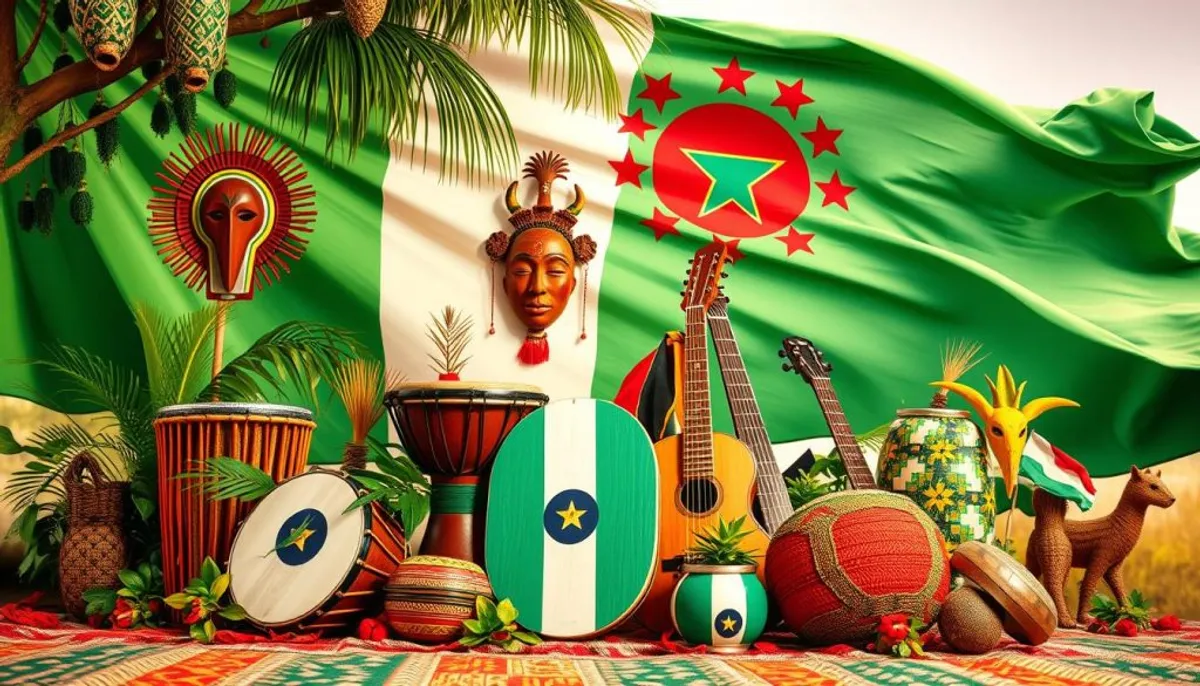
The national flag carries a message of harmony with its significant colors. The vertical red stripe recalls the sacrifice for independence. This emblem proudly flies throughout the country.
The anthem "La Renaissance," adopted in 1960, sings the hope of a united nation. It expresses the will to build a better future together.
The elephant, the national animal, symbolizes strength and wisdom. These qualities are dear to the hearts of the inhabitants who value their collective memory.
The UNESCO World Heritage program recognizes the exceptional richness of this republic. Two natural sites are listed on its prestigious list. Eleven other sites await future recognition.
Spiritual beliefs harmoniously blend ancestral traditions and modern religions. This religious diversity profoundly influences artistic and social expressions.
This list of common references forms a solid identity foundation. It guides citizens' relationship with their history and their place in the world.
Music and Dance: Ritual and Festive Expressions
The artistic scene reveals a perfect symbiosis between ancestral traditions and contemporary creativity, including eritrean art. Sounds and movements constitute the beating heart of community celebrations.
Traditional Instruments and Ritual Chants
Traditional instruments produce unique sounds that characterize this music. The balafon, ngombi, and sanza accompany important ceremonies.
The polyphonic chants of the Aka pygmies represent an exceptional heritage. UNESCO inscribed them on its intangible heritage program in 2008.
The chants to think gbaya illustrate how music serves as a philosophical support. Ethnomusicologist Vincent Dehoux studied them in detail.
Traditional Dances and Their Modern Evolution
Traditional dances like the ongo-brotto or ngarké have precise meanings. Each movement tells an ancestral story.
The modern evolution now integrates contemporary influences. Young generations appreciate these hybrid forms that preserve traditional rhythms.
In the 1980s, the group Zokela marked musical history. Artists like Oswald Mbari continue this cultural radiance today.
Art and Craftsmanship: Sculptures, Paintings, and Textiles
The meticulous work of wood and textiles reveals the deep soul of local communities. These artistic creations tell ancestral stories while serving daily life.
Wood Sculptures and Traditional Craftsmanship
Artisans master techniques passed down through generations. They produce remarkable wooden sculptures such as figurines and masks.
These functional objects carry strong symbolic value. Traditional craftsmanship also includes engraved calabashes and decorated pottery.
Painting, Design, and Contemporary Expressions
Central African painting enjoys exceptional dynamism. Artists like Michel Ouabanga fuse traditions and modernity.
Joël Nambozouina excels in contemporary wood sculpture. His work dialogues with heritage while exploring new forms.
Textile arts with their multicolored pagnes transform clothing into a medium of expression. This creative diversity reflects exceptional know-how.
Languages, Customs, and Spirituality
The linguistic and spiritual landscape unveils the fascinating complexity of local identities. This fundamental dimension unites communities while preserving their specificities.
Linguistic and Ethnolinguistic Diversity
The Central African Republic possesses a remarkable linguistic heritage. Approximately 80 ethnic languages coexist harmoniously.
Sango serves as a bridge between different groups. This lingua franca facilitates daily exchanges.
| Language Category | Approximate Number | Official Status |
|---|---|---|
| Ethnic Languages | 80 | Local Use |
| Sango | Lingua Franca | National |
| French | Administrative Language | Official |
Beliefs, Rituals, and Spiritual Practices
Customs reflect a unique religious syncretism. Christianity, Islam, and animism naturally intertwine.
Ritual chants accompany all important ceremonies. They create a deep spiritual connection.
This rich spiritual culture influences every stage of life. From births to funerals, the sacred dimension remains present.
Central African Cuisine and Table Arts
The table arts constitute a universal language where generosity and conviviality blend. This gastronomy, particularly rich in african cuisine, perfectly reflects the soul of a nation rich in culinary traditions.
Each meal becomes a celebration of local flavors. The ingredients draw their essence from an exceptional terroir.
Traditional Dishes and Local Ingredients
The cuisine values nourishing staple foods. Cassava, yam, and sweet potato form the dietary foundation.
Fufu, a creamy cassava porridge, accompanies most dishes. It truly represents the heart of daily nutrition.
Proteins illustrate remarkable diversity. Bicycle chicken, goat, and freshwater fish enhance the recipes.
Ngunza au gozo showcases the sophistication of traditional preparations. This dish combines ancestral techniques and unique flavors.
Social life is organized around shared meals with family. These moments strengthen community bonds.
This cuisine expresses the identity of the country while evolving with its time. It honors traditions while opening up to influences.
The Central African Republic thus possesses a living gastronomic heritage. Its cuisine deserves to be discovered and savored.
Ceremonies, Festivals, and Rites of Passage
Community gatherings mark significant milestones in collective existence. These unifying moments transform public space into a true living stage.
Cultural Events and Traditional Celebrations
The annual calendar of this republic is illuminated by memorable festivities, including various liberian festivals. March 29 honors Barthélémy Boganda, the founder of the nation. August 13 celebrates independence with fervor.
These activities bring people together around colorful performances. Traditional dances animate the main streets. Theater performances captivate spectators.
In September, the National Arts and Culture Festival (FENAC) brings together talents. This major cultural event showcases works by local artists. Screenings of the film "The Silence of the Forest" are organized there.
The Role of Elders in Transmitting Traditions
Rites of passage structure the life of each family. Births, initiations, and marriages follow ancestral protocols. Elders guide these ceremonies with wisdom.
Their moral authority ensures the longevity of customs. They maintain a spiritual connection with the Central African forest. Respectful silence towards ancestors characterizes these moments.
These guardians of memory preserve national identity. Their oral transmission constitutes a living treasure for future generations.
Conclusion
This journey through Central African artistic expressions reveals a heritage of exceptional vitality. The Central African Republic retains a strong identity despite historical challenges.
The UNESCO program recognized this value in 2008 with the polyphonic pygmy chants. This culture continues to inspire contemporary artists and international researchers.
From Sango courses to screenings of films like "The Silence of the Forest," the entry points are numerous. Cultural activities in September testify to this ongoing dynamism.
This heritage deserves to be celebrated and passed on to future generations. It represents a unique contribution to global diversity.
FAQ
What are the most typical musical instruments of the Central African Republic?
Traditional instruments are very diverse! Notably, there is the arched harp (kundi), drums like the gbeta, and the sanza, a small thumb piano. These objects are often made from local woods and accompany songs during ceremonies.
Who are some recognized contemporary Central African artists?
Are there major festivals to discover this artistic wealth?
Absolutely! Cultural events, such as the "Bangui Hip Hop" festival or traditional celebrations, regularly animate local life. They are a great opportunity to appreciate music, dance, and craftsmanship in a warm atmosphere.
How does spirituality influence art in this country?
The influence is profound. Beliefs and ancestral rites inspire many works. Masks and wooden sculptures, for example, often have ritual and symbolic value, representing spirits or ancestors.
Where can one see examples of traditional craftsmanship?
Local markets, like the one in Bangui, are true treasures. You will find handwoven baskets, pottery, and wooden sculptures. These objects reflect the know-how passed down from generation to generation.