
Japan, known as the “land of the rising sun,” is a state that fascinates with its unique blend of tradition and modernity. The term “Nippon,” the official name of Japan, literally means “Land of the rising sun,” which is represented by the red circle on a white background of the national flag.
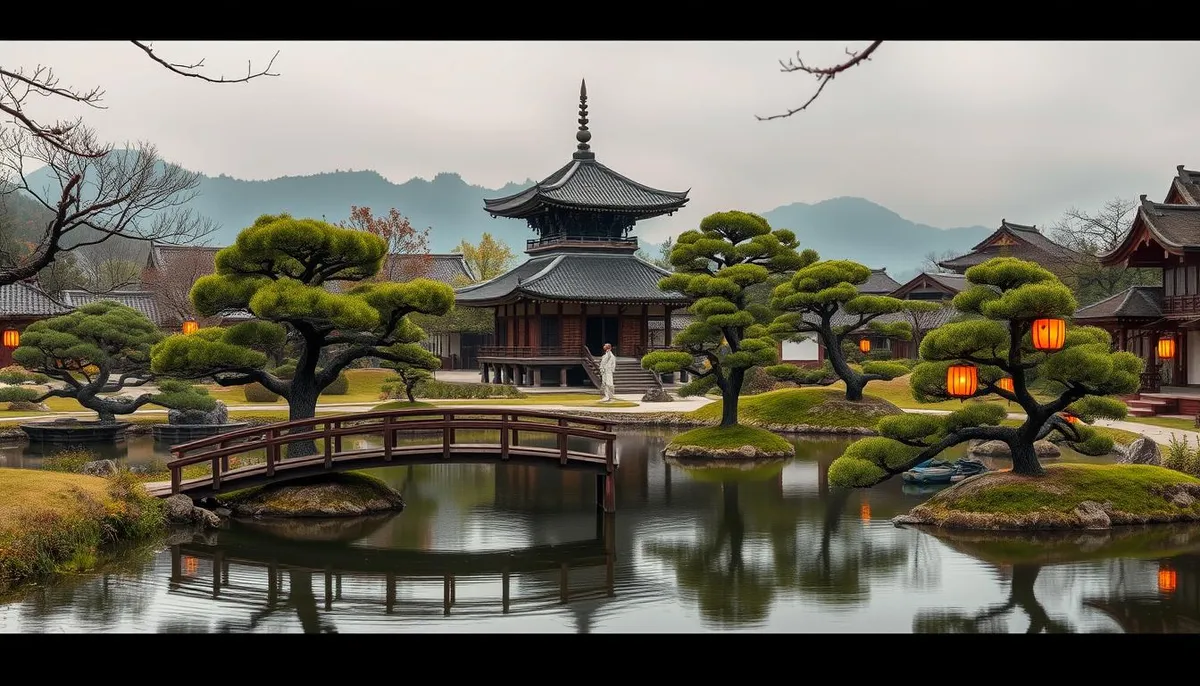
The cultural richness of Japan is characterized by the harmonious coexistence of the ancient and the modern. Ancestral temples stand alongside sleek skyscrapers, reflecting the distinctive identity of this country.
In this article, we will explore the many facets of this culture, from traditional arts to contemporary pop culture that shines around the world.
Japanese culture: origins and meaning
The discovery of Japanese culture by Portuguese navigators in the 16th century marked the beginning of a lasting fascination. In 1543, Portuguese navigators were shipwrecked on a Japanese island following a typhoon, discovering a fascinating culture and a promising market.
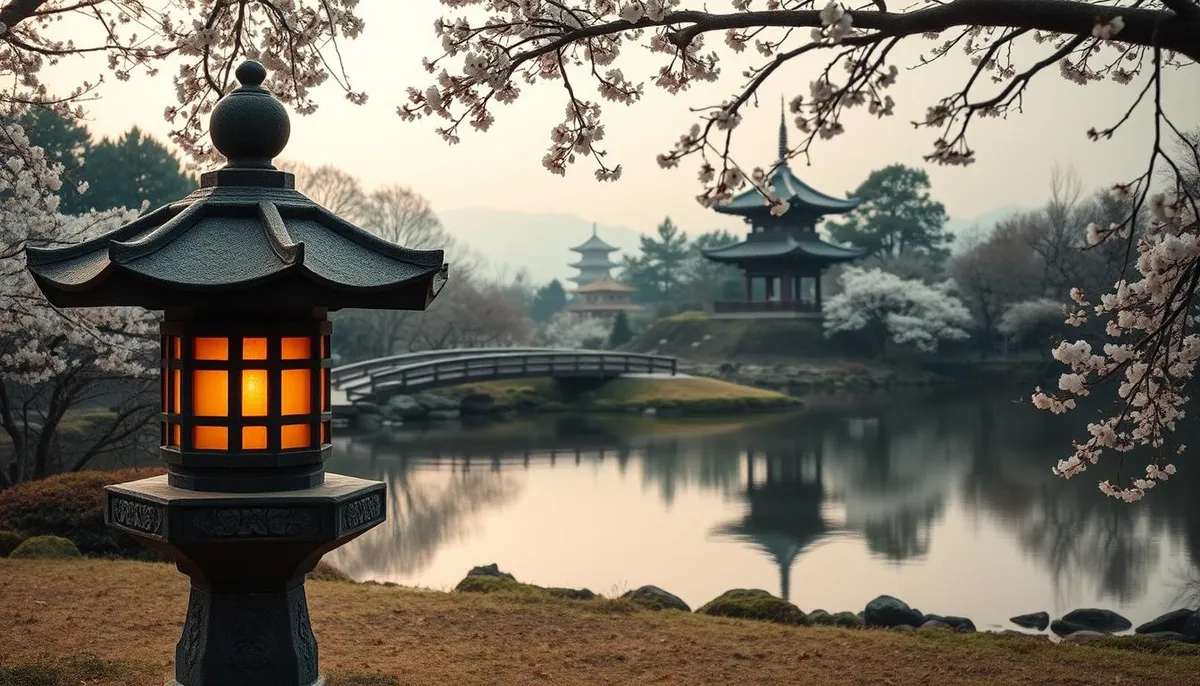
The origin of the term “Nippon” and its symbolism
The origin of the term “Nippon” dates back to antiquity and refers to Japan's geographical position relative to China, from where the sun seemed to rise in the east. This designation “Land of the rising sun” has shaped the image of the country for centuries and is symbolized in the Japanese national flag, the hinomaru.
Between tradition and modernity: the essence of Japanese culture
The Japanese culture has been built on a subtle balance between the assimilation of external influences, particularly Chinese, and the development of its own identity. The essence of Japanese culture rests on fundamental values such as harmony (wa), respect for elders, the pursuit of perfection, and a special relationship with nature. What particularly distinguishes this culture is its ability to integrate modernity without renouncing its traditions.
Traditional arts at the heart of Japanese culture
Japanese traditional arts are the quintessence of Japanese culture, reflecting centuries of history and traditions. These arts have been meticulously passed down from generation to generation, forging Japan's cultural identity.
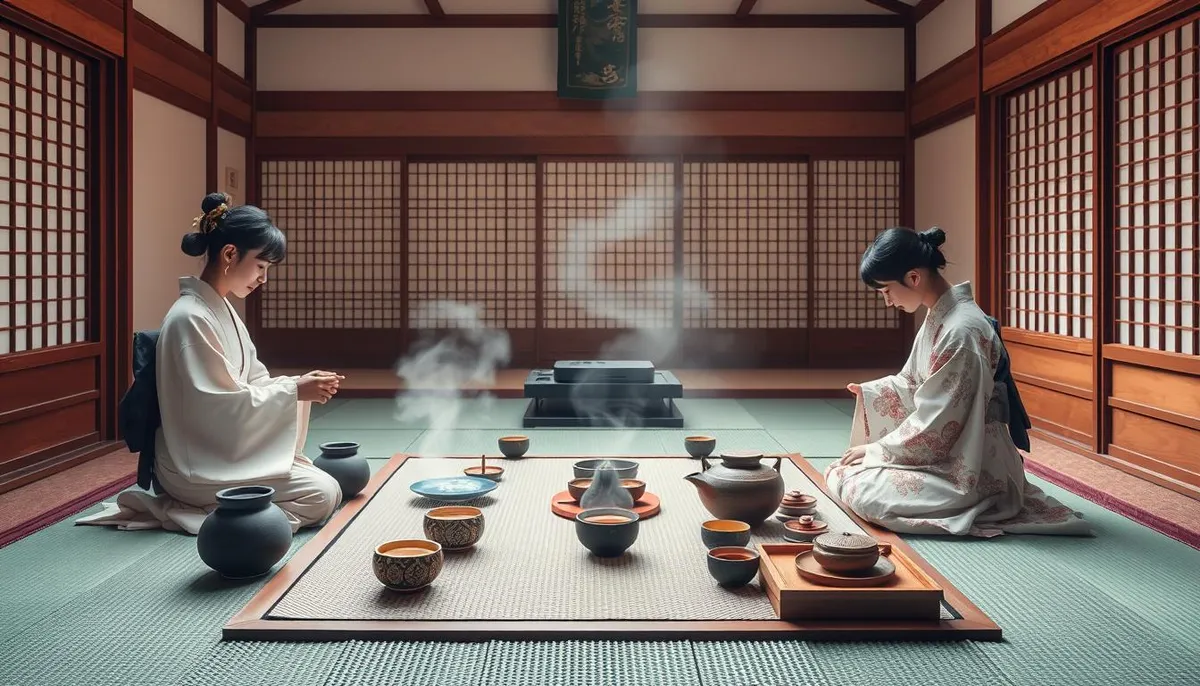
The tea ceremony and ikebana
The tea ceremony, or chanoyu, is a meditative practice that embodies the aesthetic principles of simplicity and accepted imperfection. Ikebana, the Japanese floral art, transcends mere decoration to become an artistic expression where each element is arranged according to precise spiritual principles related to Buddhism.
Calligraphy and wearing the kimono
Japanese calligraphy elevates writing to the rank of visual art, where mastery of gesture and personal expression converge in perfect balance. Wearing the kimono, a traditional garment with complex codes, represents an art in itself that requires a deep understanding of social and seasonal etiquette.
Japanese ceramics and porcelain
Japanese ceramics and porcelain, particularly the Imari style, have conquered the world with their finesse and unique aesthetics, becoming precious objects collected in Europe since the 17th century. Japanese porcelain has been extensively copied by the Chinese and Europeans, testifying to its influence on global art.
Spirituality and religions in Japan
Religion occupies a central place in the daily lives of the Japanese. Shrines, temples, and churches harmoniously coexist with skyscrapers and giant towers, creating an exceptionally picturesque landscape.
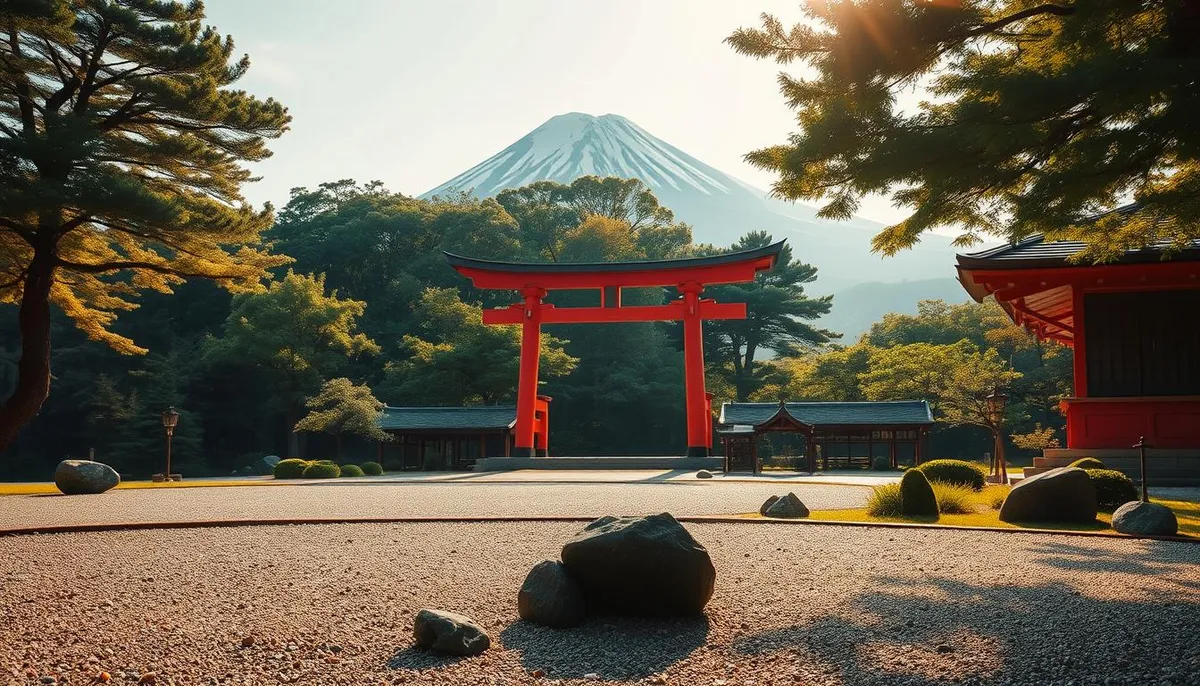
Shintoism: ancestral religion
Shintoism remains the traditional religion in Japan. It is based on ancestor worship, reverence for the Gods, and respect for nature. Shintoism is characterized by the veneration of kami (deities or spirits) present in nature.
Buddhism and other religious influences
Buddhism, imported from China during the 6th and 7th centuries, gradually integrated into Japanese culture by blending with Shinto beliefs, creating a unique religious syncretism. Most Japanese people practice both religions simultaneously.
| Religion | Characteristics | Influence |
|---|---|---|
| Shintoism | Ancestor worship, reverence for the Gods, respect for nature | Traditional, daily influence |
| Buddhism | Imported from China, syncretism with Shintoism | Funeral rituals, cultural influence |
Indeed, this religious coexistence perfectly illustrates the adaptability and integration that characterize Japanese culture throughout its history, thus influencing the daily life of the Japanese people in the archipelago for centuries.
Japanese gastronomy: an art of living
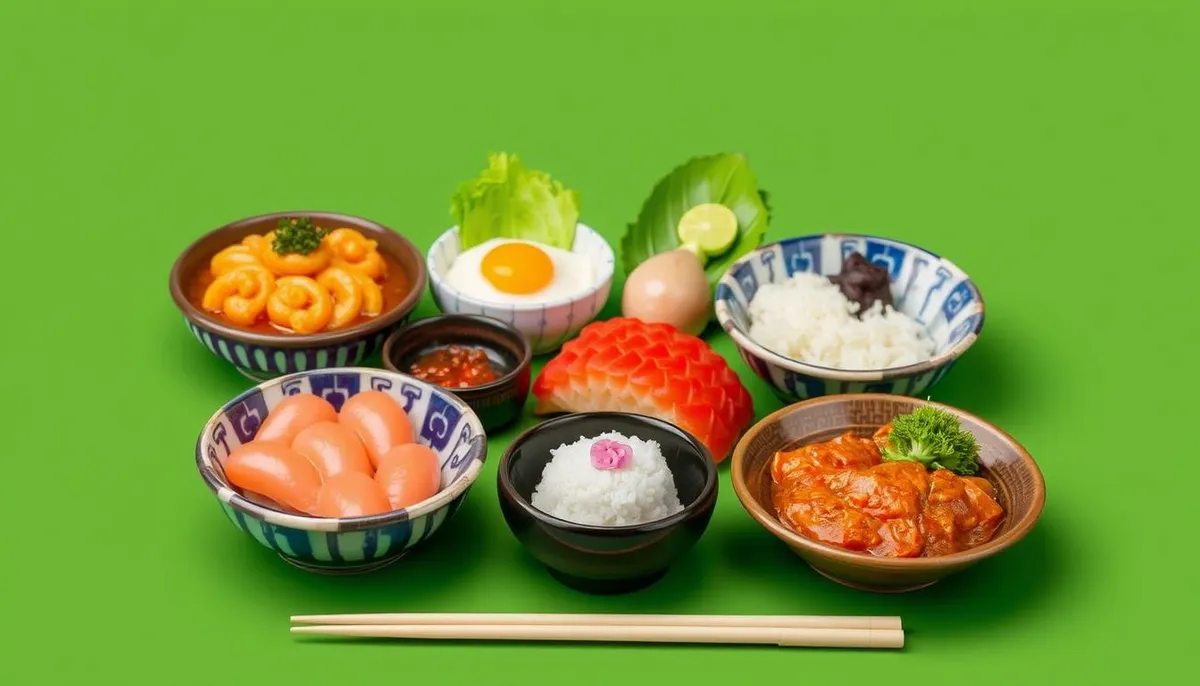
Japanese gastronomy is a true art of living that reflects the soul of the country. Japanese cuisine is probably, along with Thai cuisine, the finest and most varied in Asia.
Beyond sushi: diversity of Japanese cuisine
Beyond the world-renowned sushi and sashimi, Japanese cuisine offers an impressive diversity of regional and seasonal dishes such as ramen, shabu-shabu, yakitori, and miso soup.
The art of the table and its codes
The Japanese art of the table is based on precise codes that demonstrate a deep respect for food and guests, such as the use of chopsticks according to strict etiquette.
The Japanese place particular importance on the freshness of ingredients and respect for the seasons (shun), believing that each food has an optimal time for consumption.
Discovering Japanese gastronomy is a privileged way to understand Japanese culture as a whole, as it perfectly embodies the principles of harmony, seasonality, and respect for products.
Modern Japanese culture and its global influence
Modern Japanese culture has conquered the world through its unique artistic expressions. Japan has become a major player in global popular culture, influencing various fields such as entertainment, fashion, and the arts.
Manga and anime: cultural ambassadors
Manga, with their distinctive graphic style, have become cultural ambassadors for Japan. These comics, recognizable by their characters with oversized eyes and dynamic features, offer an extraordinary thematic diversity. Anime has also contributed to popularizing Japanese culture worldwide, with iconic works such as Grendizer and One Piece.
Martial arts: discipline and philosophy
Japanese martial arts, such as judo, karate, and aikido, are practiced worldwide. They convey not only combat techniques but also a philosophy of life based on discipline and respect. These martial disciplines embody fundamental values of Japanese culture, such as self-improvement and harmony between body and spirit.
The influence of Japan on fashion and design
The minimalist and functional Japanese aesthetic has revolutionized global trends in fashion and design. Creators like Issey Miyake, Yohji Yamamoto, and Rei Kawakubo have made their mark on the fashion industry with their innovative designs and unique approach.
Conclusion: experiencing Japanese culture today (178 words)
Discovering Japanese culture means exploring a world of traditions and modernity. Japanese culture has reached us in many forms, whether through table arts, martial arts, calligraphy, or everyday objects.
Through the many facets of Japanese culture, we see that its influence extends well beyond the borders of the archipelago. From traditional arts like the tea ceremony to modern phenomena like manga, Japanese culture has managed to transcend the centuries.
For an immersive experience, you can explore Japanese gastronomy, visit Japanese art exhibitions, or even practice martial arts. A trip to Japan remains, however, the ultimate experience to discover the unique balance between tradition and innovation.
Ultimately, Japanese culture offers us a unique perspective on the harmony between respect for traditions and innovation that has traversed the centuries.