Welcome to this comprehensive guide dedicated to the fascinating world of gardening and agriculture. Whether you are a plant enthusiast or a professional looking to optimize your practices, you will find valuable advice here.
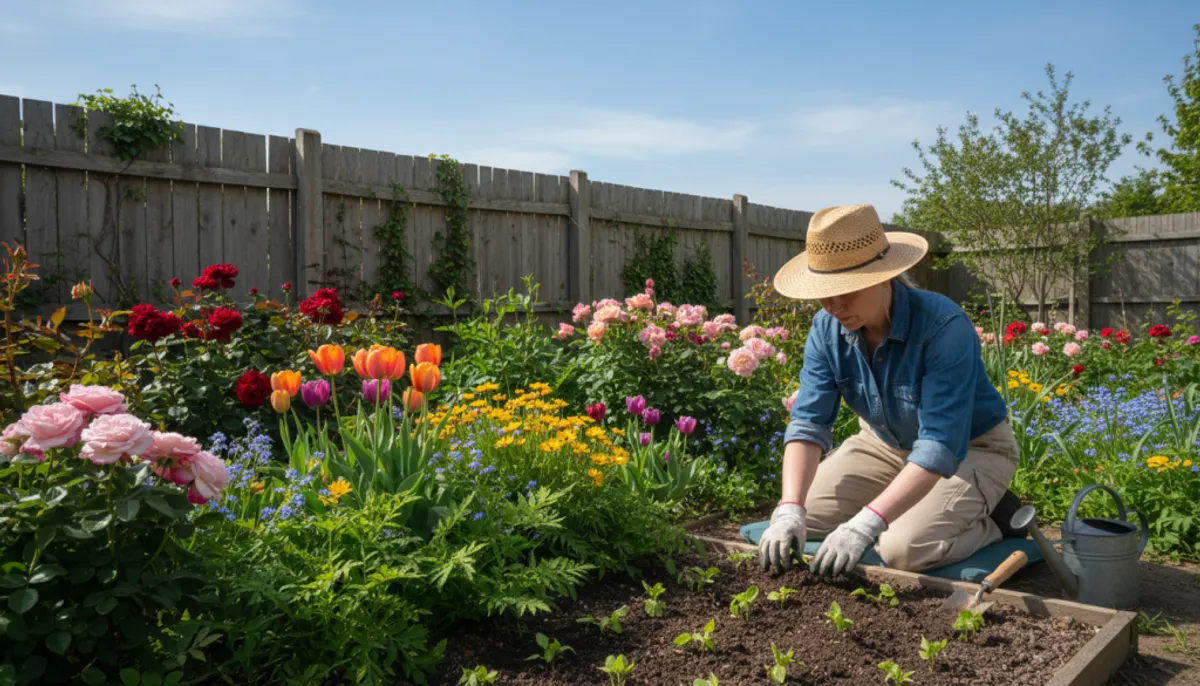
Over the past years, the world of the garden has undergone a true revolution. Ecological approaches and technological innovations are transforming the way we cultivate.
We accompany you step by step in this plant adventure. From soil preparation to harvesting techniques, discover proven methods to succeed in your plantings.
This article explores ancestral traditions and modern approaches. The goal? To obtain healthy and productive plants while respecting our environment.
You will learn to choose the species suited to your context. Ornamental flowers, vegetables from the garden, or alternative crops: every choice matters for a flourishing space.
Our friendly and informative approach guides you through current trends. Together, let’s tackle the challenges of the sector and seize opportunities for sustainable agriculture.
An introduction to sustainable and creative agriculture
In the face of contemporary environmental challenges, the agricultural sector is reinventing itself with creativity and sustainability. This transformation responds to a growing demand for ecosystem-friendly practices.
The importance of an innovative approach in gardening
Modern agriculture now goes beyond ancestral methods. It integrates creative approaches that address ecological challenges while maintaining quality production.
Rethinking our way of cultivating allows us to adopt systems that respect biodiversity. Each type of planting thus benefits from management tailored to its environment.
Reconciling traditional techniques and modern technologies
Traditional knowledge forms a solid foundation that can be enriched by technological innovations. This synergy significantly improves crops.
Connected tools offer a valuable option to monitor your plants in real-time. This combination represents a major development in the world of gardening.
| Aspect | Traditional Approach | Modern Approach |
|---|---|---|
| Plant Monitoring | Regular visual observation | Real-time connected sensors |
| Water Management | Manual or programmed watering | Smart irrigation systems |
| Growth Tracking | Handwritten notes and experience | Mobile apps and analytics |
Adopting this hybrid approach once and for all allows for the creation of resilient crops. Your plantings become more robust with fewer interventions needed.
Essential strategies for a “better crop” performance
To achieve remarkable results in your plantings, a strategic and data-driven approach is now essential. These modern methods meet the new demands for sustainability.
Using connected sensors and agronomic data
Smart sensors are revolutionizing the monitoring of your plants. They measure soil moisture, temperature, and much more.
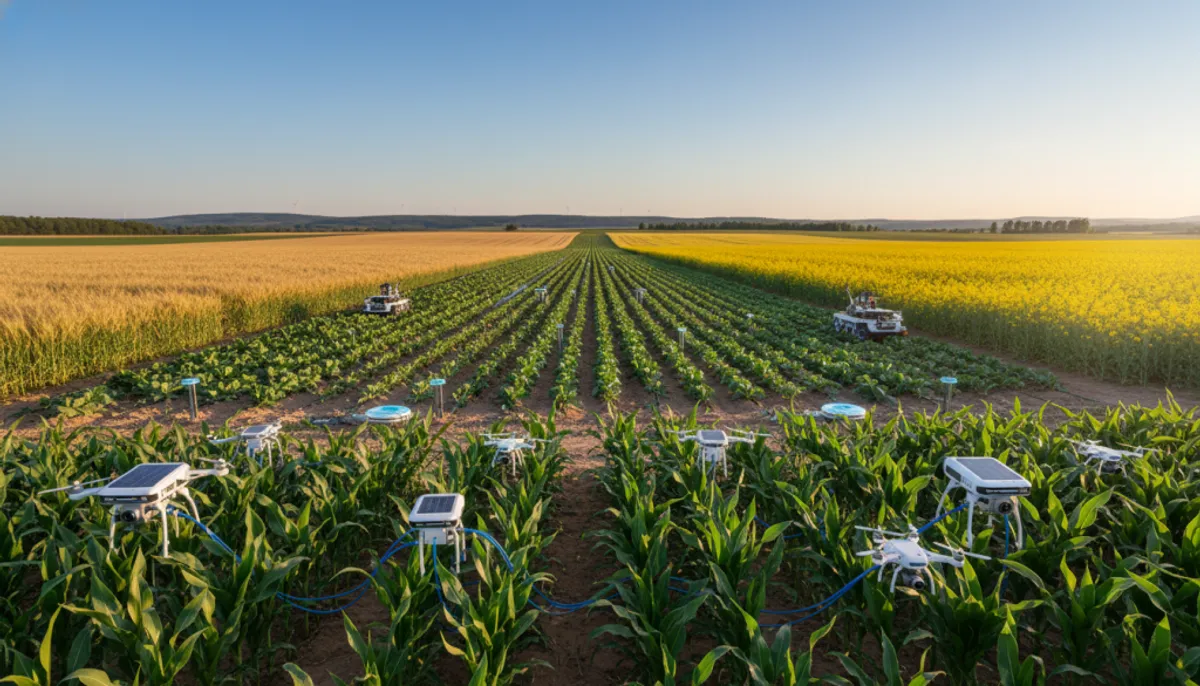
With this agronomic data, you adjust your practices in real-time. You maximize the quality of your production while conserving water.
Optimizing irrigation and soil management
A good irrigation system provides each plant with the exact amount of water it needs. This prevents water stress.
Soil management aims to understand its structure and its capacity to nourish plants. Healthy soil is the foundation of success.
Integrating precision methods for successful production
Precision agriculture combines all this information. It guides your actions for more robust crops.
This approach also meets the growing demand for responsible agriculture. Your crops become a model of success.
| Monitored Parameter | Main Advantage | Impact on Production |
|---|---|---|
| Soil Moisture | Optimized irrigation | Reduction of water waste |
| Air Temperature | Early detection of stress | Better plant health |
| Soil pH | Adjusted fertilizer inputs | Balanced growth |
Practical tips for your crops: soil, production, and harvest
Moving to practice requires a methodical approach to transform your garden into a productive space. These tips will guide you through each essential step.
Soil preparation and choice of suitable materials
The quality of your soil determines the success of your plantings. Start by analyzing the texture of your earth.
Identify its characteristics to choose the right materials for amendment. Compost and green manures naturally enrich the soil.
Each type of plant has specific needs. Some prefer light soil, while others thrive in richer earth.
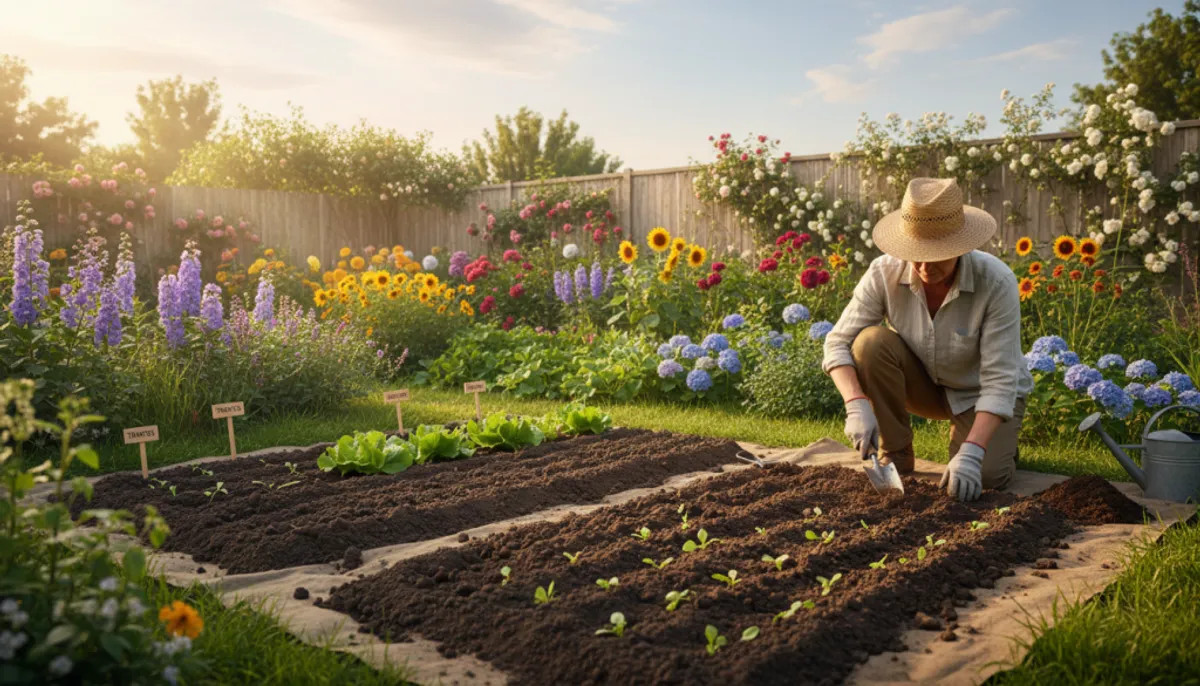
Respect the required pH and drainage. An unsuitable soil can be a hindrance to growth.
Production techniques and regular maintenance
Adopt methods such as crop rotation. This practice maintains the health of your earth.
Mulching protects the soil and limits evaporation. Plan your interventions according to the seasons.
Regular maintenance includes weeding and aeration. Watch for signs of disease in your garden.
Good production leads to a successful harvest. Observe the maturity of each crop closely.
These techniques meet the needs of your plantings. They ensure the harmonious development of your crops.
Exploring alternative crops and innovative trends
Exploring innovative production pathways allows you to enrich your activity while respecting the environment. These new approaches meet market expectations while enhancing your land.
Forage crops and ecological advantage
Forage crops like alfalfa offer multiple benefits. They improve soil structure through their deep roots.
Grass-legume mixtures naturally fix nitrogen. This reduces the use of chemical fertilizers for your plantings.
Urban agriculture and local gardens: a sustainable option
Urban agriculture is rapidly developing in cities. It allows for the cultivation of fresh vegetables on balconies and rooftops.
Your own garden provides healthy food and savings. A tomato plant produces fruit for six weeks.
Examples of changing crops: bamboo, hemp, and medicinal herbs
Giant bamboo shows exceptional growth. It reaches 34% profitability over 20 years in the Mediterranean climate.
Agricultural hemp is experiencing a spectacular revival. Its seeds can be processed into oil or beer.
Medicinal herbs are becoming highly profitable. Their prices in specialized markets continue to rise.
| Alternative Crop | Main Advantage | Growth Time | Main Markets |
|---|---|---|---|
| Giant bamboo | Rapid growth and antifungal properties | Several years | Textiles, cosmetics, materials |
| Agricultural hemp | Multiple uses of all parts | One season | Insulation, cooking, animal bedding |
| Medicinal herbs | High prices in specialized markets | Variable depending on the species | Phytotherapy, natural cosmetics |
Conclusion
Your horticultural journey deserves a conclusion that synthesizes the knowledge gained. We have explored together the fundamental aspects of a successful crop, from soil preparation to technological innovations.
Modern farmers and gardeners now combine traditional wisdom with connected tools. This hybrid approach meets the challenges of the contemporary agricultural world.
The alternative crops presented open new perspectives in the market. Each plant grown in your garden contributes to a more sustainable ecosystem.
Continue to experiment and learn over the years. Your commitment to plant cultivation shapes the agriculture of tomorrow.
FAQ
How can I improve the growth of my plants?
For good growth, focus on soil quality and appropriate water supply. Analyzing your soil helps identify its specific needs. Using natural fertilizers can also stimulate the development of your plants, whether they are fruits or vegetables.
What types of plants are the most profitable for a small garden?
Herbs, small fruits like strawberries, and certain short-cycle vegetables are often interesting options. Their production is generally quick, and their prices in the local market can be advantageous. Their maintenance is also simpler.
Is precision agriculture accessible to individuals?
Absolutely! Simple tools, such as soil moisture probes or apps to track growth, make these techniques accessible. They help optimize irrigation and organic matter inputs, improving the harvest.
What should I know before starting to grow alternative plants?
First, inform yourself about the regulations, especially for crops like hemp. Study market demand and the necessary climatic conditions. These projects often require initial investment and good planning to ensure profitability.
How to properly prepare your soil for the next season?
After the harvest, enrich the soil with compost or green manure. This restores nutrients for the following year. Good drainage is also crucial for root health and to avoid excess water.