France is the world's leading producer of flax fiber, accounting for over 50% of global production. However, a large portion of this production is exported to Asia to be transformed into yarns, fabrics, or finished products before returning to the French market.
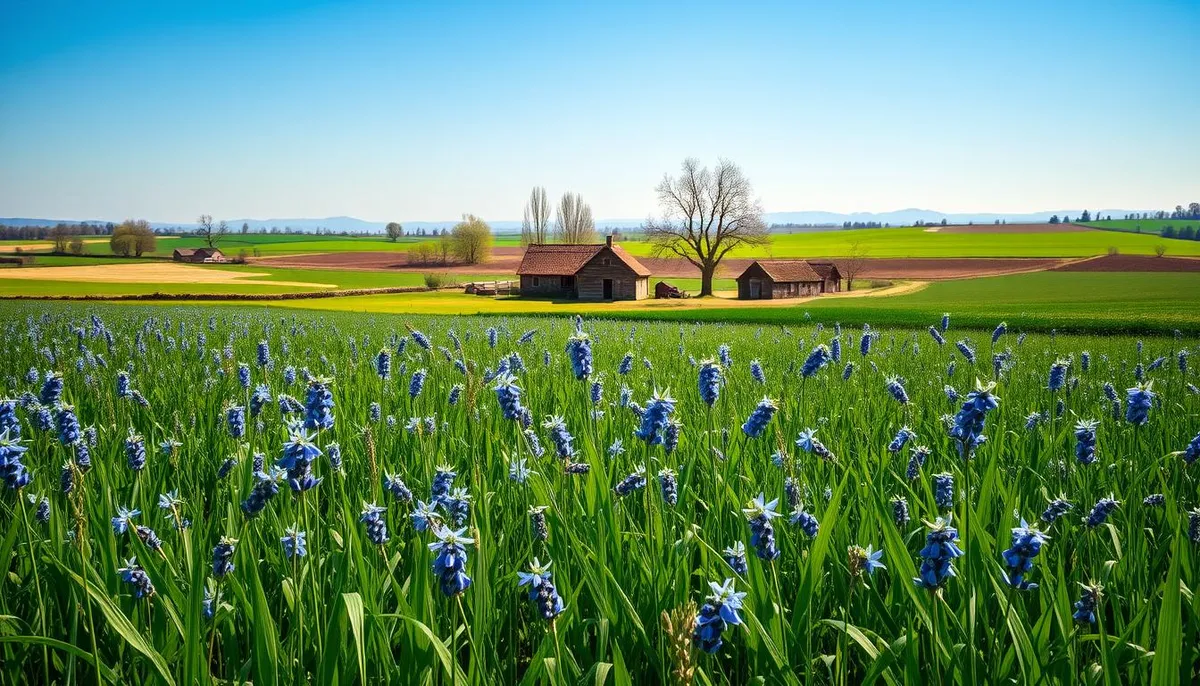
Flax is a versatile plant that has shaped the textile and agricultural history of many regions. In addition to its use in textiles, flax is also valued for its ecological qualities and its potential in various fields such as food and modern industrial applications.
Flax cultivation in France benefits from historical expertise and a dominant position in global production. This article will explore the different stages of flax cultivation, from planting to processing, as well as the current challenges and opportunities for producers.
Flax: A Multifaceted Plant
With origins dating back thousands of years, flax is a plant with multiple uses. Cultivated for centuries for its textile fibers, oil, or seeds with numerous benefits, flax is also a highly decorative herbaceous plant that is easy to grow, thus reflecting a true food culture.
Origins and Historical Importance
Flax is one of the oldest plants cultivated by humans, with evidence of use dating back over 10,000 years. It has played a crucial role in the development of civilizations, particularly for the manufacture of textiles and ropes. This plant has been essential in the history of humanity, significantly contributing to the economy and culture of various societies.
France, the World's Leading Producer
France dominates the global flax market, accounting for over 50% of world production. French regions specialized in flax cultivation, such as Normandy and Picardy, have developed specific characteristics that contribute to the exceptional quality of their production. The effect of this dominance is felt in the French and European agricultural economy.
Botanical Characteristics of Flax
Flax is a fascinating plant with unique botanical characteristics. This herbaceous plant, which can be annual, biennial, or perennial, is very easy to cultivate and offers a delicate flowering throughout the summer.
Plant Description
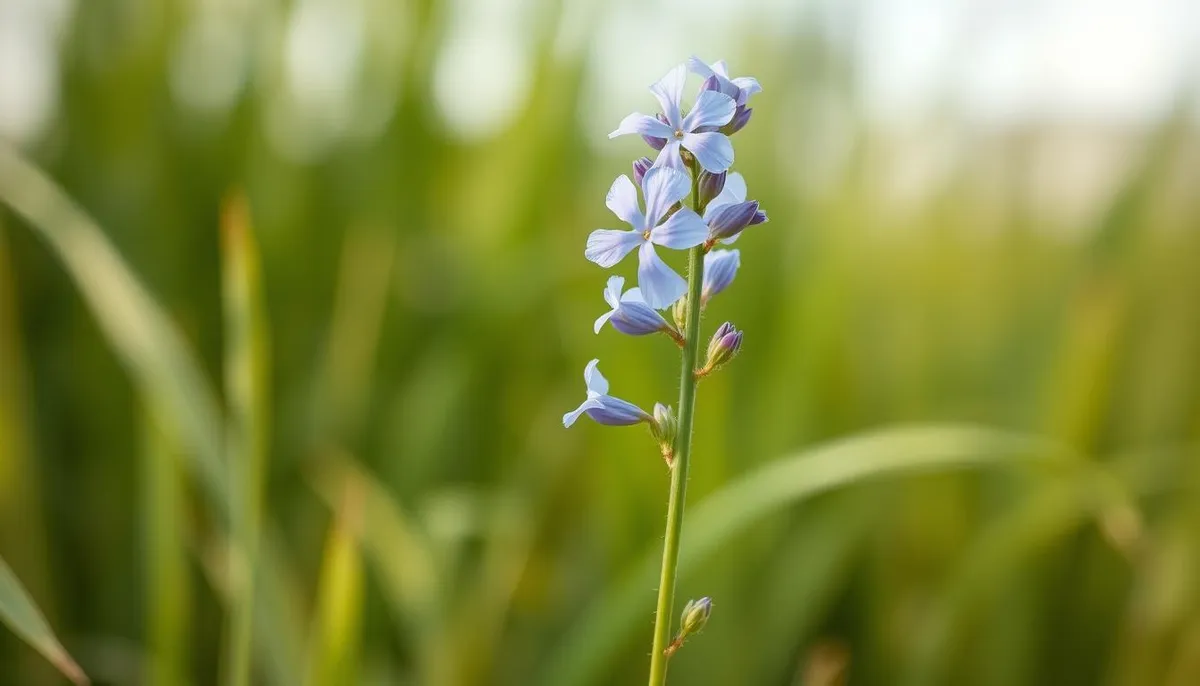
Flax is characterized by its slender stem, narrow leaves, and solitary flowers clustered in dense cymes. The detailed description of flax morphology reveals a plant with a deep root system, essential for its growth.
- A fine and resilient stem
- Narrow and pointed leaves
- Ephemeral but generous flowers
Life Cycle and Flowering
Flax has a complete life cycle that ranges from germination to seed production. Its characteristic flowering occurs from May-June to September-October, with flowers blooming in the morning and wilting in the evening, lasting only a few hours.
Soil Preparation for Flax Cultivation
For successful flax cultivation, it is essential to properly prepare the soil. By integrating zen practices, flax has a taproot that makes it very sensitive to soil structure defects.
Specific Soil Requirements
Good rooting conditions determine the plant's ability to draw the necessary water and nutrients. The ideal soil characteristics for flax cultivation include appropriate texture, optimal pH, organic matter richness, and good drainage.
- Texture: A well-balanced soil texture promotes good rooting.
- pH: A pH between 6 and 7 is ideal for flax cultivation.
- Organic matter: Good organic matter richness improves soil fertility.
Optimal Preparation Techniques
To limit soil compaction, it is recommended to minimize the number of passes. Using a seed drill is preferable. A seedbed depth of 3 to 5 cm is sufficient for good establishment.
Reworking the soil should be done on a re-dried soil to a depth of 40 cm. It is estimated that flax planted in a compacted area can lose 50% of its yield.
Sowing and Planting
The planting of flax is a delicate step that requires careful preparation. This phase is crucial to ensure a healthy and productive crop.
Ideal Sowing Period
The ideal period for sowing flax generally falls between March and April when climatic conditions are favorable. The soil temperature must be above 10°C to allow for optimal germination. By joining a culture club, farmers can share tips and techniques to improve their flax cultivation.
Sowing Density and Depth
The recommended sowing density is 1500 to 1600 plants per square meter. It is essential to sow the seeds at a depth of 1 to 2 cm to ensure rapid and uniform emergence. Sowing at a reduced speed (about 6 km/h) also promotes uniform establishment.
Conditions Favorable to Emergence
Climatic conditions play a crucial role in flax emergence. An alternation of rain and sun is necessary for the plant to reach its optimal height of about 1 meter. The crop develops from 5°C, but mild atmospheric temperatures favor rapid emergence.
Maintenance and Monitoring of the Crop
A good understanding of flax requirements and organic farming is essential for a successful crop. Flax is a plant that requires little and is very drought-resistant, but it still needs appropriate conditions for optimal growth.
Water Needs and Drought Resistance
Flax is relatively drought-resistant, but it may require irrigation in the event of prolonged heat. It is important not to waterlog the soil to avoid rot problems.
Weed Management
Weed management is crucial, as flax is not very competitive at the beginning of its cycle. It is recommended to limit the presence of residues and clods in the field to promote rapid and uniform emergence of flax.
Disease and Pest Prevention
Flax is susceptible to certain diseases such as powdery mildew and fusarium, as well as pests such as flea beetles. Adequate soil preparation and optimal sowing dates can reduce these risks. It is advisable to ensure regular monitoring of the crop to detect any problems in time.
Harvesting and Processing of Flax
When flax plants reach maturity, farmers proceed with pulling, a specific technique that preserves the fibers. This method differs from the traditional cutting used for other crops, as it aims to retain the integrity of the fibers present in the lower part of the plant.
Pulling and Retting
Pulling is followed by retting, a crucial step that takes place from July to September. During this period, the alternation of rain and sun allows the flax to rett, thus facilitating the separation of fibers from the stem. To ensure uniform retting, the flax straw is turned halfway through.
| Steps | Description | Period |
|---|---|---|
| Pulling | Specific technique to preserve fibers | At maturity |
| Retting | Separation of fibers from the stem | July to September |
| Breaking | Mechanical operations to extract and separate fibers | After retting |
Breaking and Fiber Classification
After retting, the flax swathes are rolled into straw bales. Breaking is a series of mechanical operations including scutching, stretching, grinding, and beating. The obtained fibers are classified into two categories: long fiber and short fiber, each having specific uses.
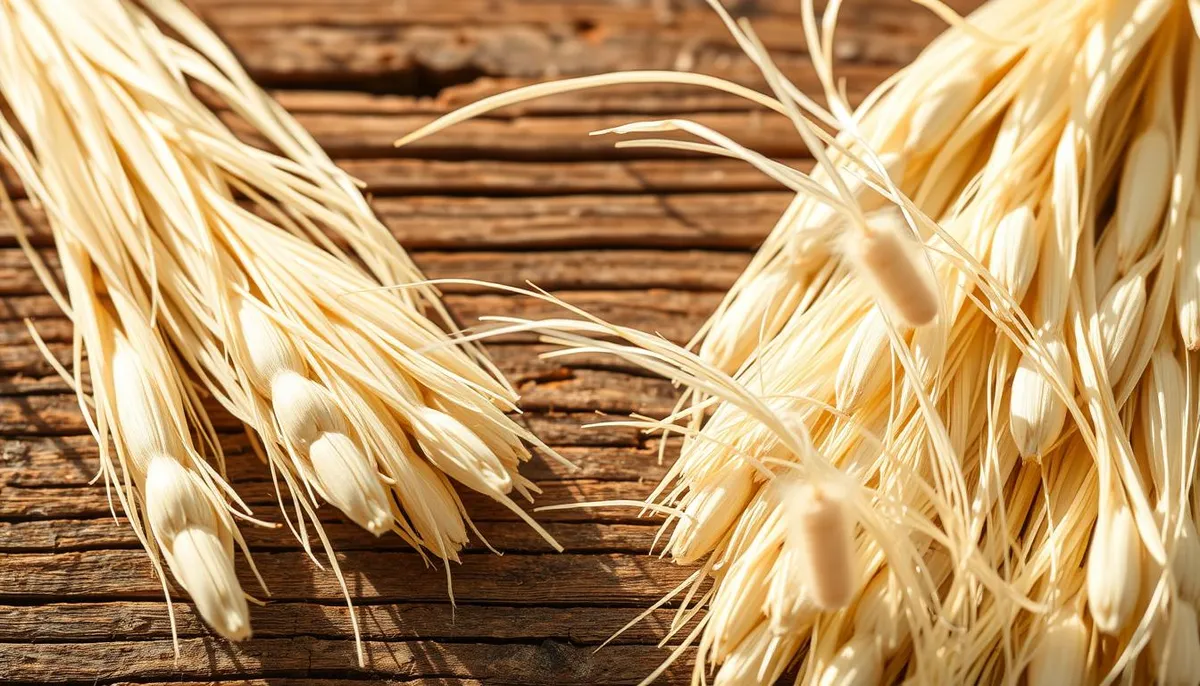
The valorization of flax by-products, such as shives and seeds, also contributes to the profitability of this crop. Technological innovations in flax processing continuously improve the quality and efficiency of production.
Conclusion: The Advantages of a Future Crop
Flax, with its unique characteristics and low environmental impact, is a crop full of promise. Flax cultivation offers numerous ecological benefits, including low input requirements and a positive effect on soil structure. Additionally, the complete valorization of the plant, including seeds and fibers, adds to its appeal. To maintain the competitiveness of this production, it is crucial to address challenges related to international competition and to innovate in the valorization of flax products.
In France, initiatives aim to relocate fiber processing, thus strengthening the local economy. In summary, successful flax cultivation requires a wise choice of soil, appropriate sowing date, and adequate maintenance.