Among the major plant productions, barley holds a prominent place alongside wheat and corn. This cereal ranks among the ten most sown globally.
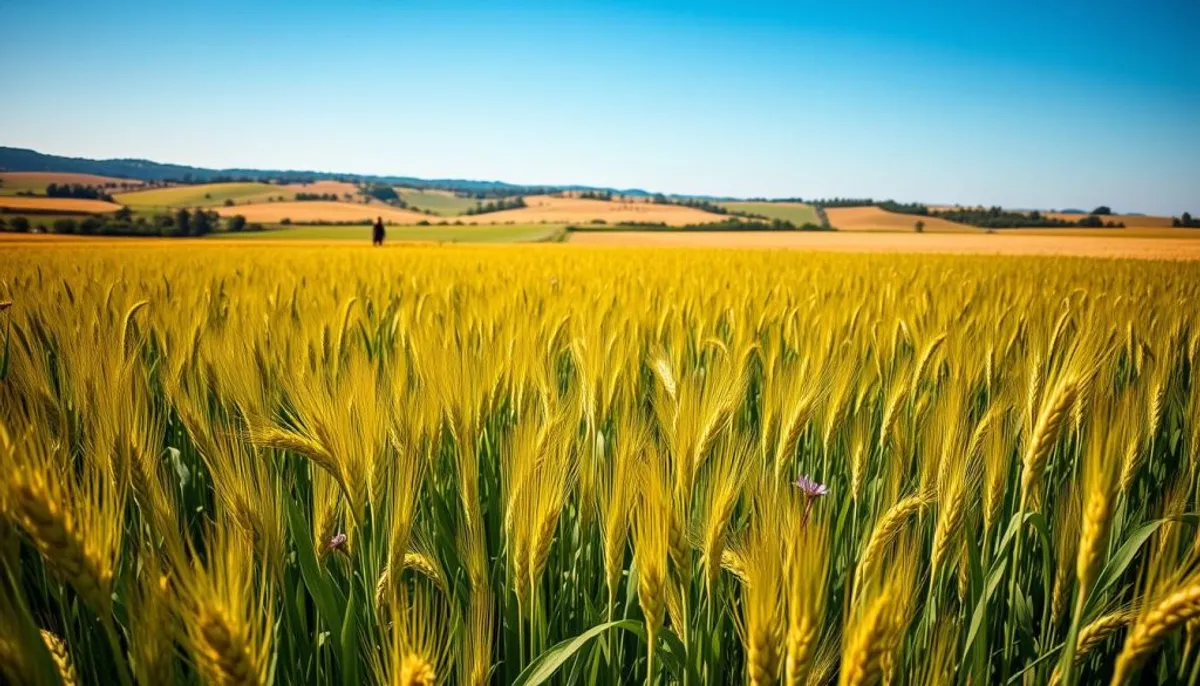
Its strength lies in its incredible adaptability. It grows well under different climates and soil types, even in challenging conditions.
In France, this plant represents a pillar of agriculture. The harvest exceeded eight million tons in 2022. This impressive volume demonstrates its economic importance for professionals.
The main outlets are livestock feed and brewing. These two sectors offer stable and significant markets.
This guide invites you to discover all the secrets to successfully producing this crop. We will cover methods from sowing to harvesting and its numerous advantages.
Key Points to Remember
- Barley is one of the most cultivated cereals in the world.
- It easily adapts to various climatic and soil conditions.
- France produced over 8 million tons of barley in 2022.
- Its main uses are animal feed and beer production.
- This production offers an interesting diversification opportunity for farmers.
- It shows better hardiness than other cereals like wheat.
Introduction to Barley Cultivation
This ancient cereal represents a valuable heritage for French farmers. It has successfully adapted to our terroirs for several centuries.
General Overview and Challenges of Cultivation
Barley stands out for its exceptional versatility. It is primarily used for animal feed and beer production.
The straw is a valuable by-product for livestock. This fact increases the overall profitability of this production.
| Characteristic | Barley | Wheat | Corn |
|---|---|---|---|
| Growth Cycle | Short | Medium | Long |
| Water Needs | Low | Moderate | High |
| Average Yield (t/ha) | 6-7 | 7-8 | 9-10 |
| Main Use | Animal Feed | Flour | Diverse Feed |
| Climate Adaptation | Wide | Moderate | Specific |
History and Importance in French Agriculture
The tradition of this cereal dates back to the Gallo-Roman era. It has always held a central place in our agriculture.
The stable yield and the possibility of double cropping with corn optimize the use of plots. This strategy enhances farm productivity.
The quality standards for the harvest meet the requirements of various commercial outlets. This diversity ensures stable markets.
Preparing the Soil and Choosing the Right Variety
Even before the first seed is sown, two crucial decisions determine the potential of your production. Choosing the right variety and adequately preparing the soil are the foundations of a successful harvest.
Barley Varieties: Differences Between 2-Row and 6-Row Barley
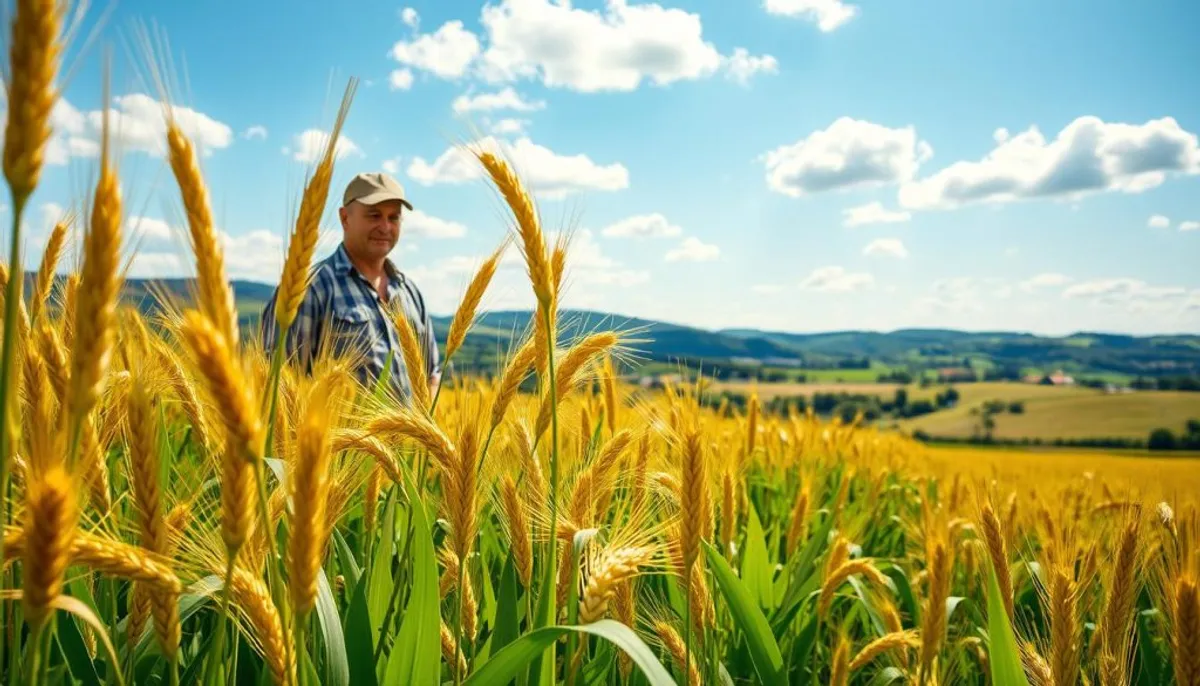
Among the thousands of available varieties, two main types stand out for their morphology. 6-row barley has six rows of grains on the ear, while 2-row barley has only two fertile rows.
2-row barley dominates French production. It offers superior brewing quality and optimized yields. This variety is the preferred choice for most farms.
Soil and Climate Conditions for Successful Sowing
The success of sowing depends on appropriate soil conditions. Well-drained, slightly calcareous soils promote root development. Soil that is too compact can be detrimental.
The soil clod test checks for proper drainage of the soil. The clod should break apart easily without sticking. The soil should be dry to a depth of 30 cm to avoid compaction.
Careful preparation ensures well-tilled soil. These ideal conditions optimize early tillering after sowing. The climatic adaptability of this cereal allows it to thrive in various French terroirs.
Sowing Techniques and Fertilization Management
The sowing period and nutrient management are two essential pillars for successful effective gardening. Good planning ensures vigorous plants and optimized yields.
Suitable Sowing Periods: Winter Barley and Spring Barley
The sowing calendar extends from mid-October to March depending on the chosen type. Winter barley is sown in autumn to benefit from the necessary winter rest.
Spring barley offers more flexibility with an ideal period between mid-February and mid-March. In regions with mild winters, sowing can begin as early as November.
The recommended density is about 300 seeds per m². For sowing after March 15, increase by 30 seeds every two weeks.
Fertilization: Optimal Supply of Nitrogen, Potassium, and Base Fertilizer
Potassium strengthens the stem at the beginning of the cycle. Nitrogen is crucial between tillering and flowering to maximize yield.
Avoid excess nitrogen that promotes lodging. Use a base fertilizer at sowing, followed by a nitrogen top-dressing.
For winter barley, the nitrogen supply occurs after winter. Spring barley can receive earlier fertilization.
Weed, Pest, and Disease Control
Pest control is a crucial aspect for the success of your cereal production. Proper management helps preserve yield potential and grain quality. However, it is essential to know the common introduction errors that may occur in this area.
Weed Control and Adjusting Sowing Dates
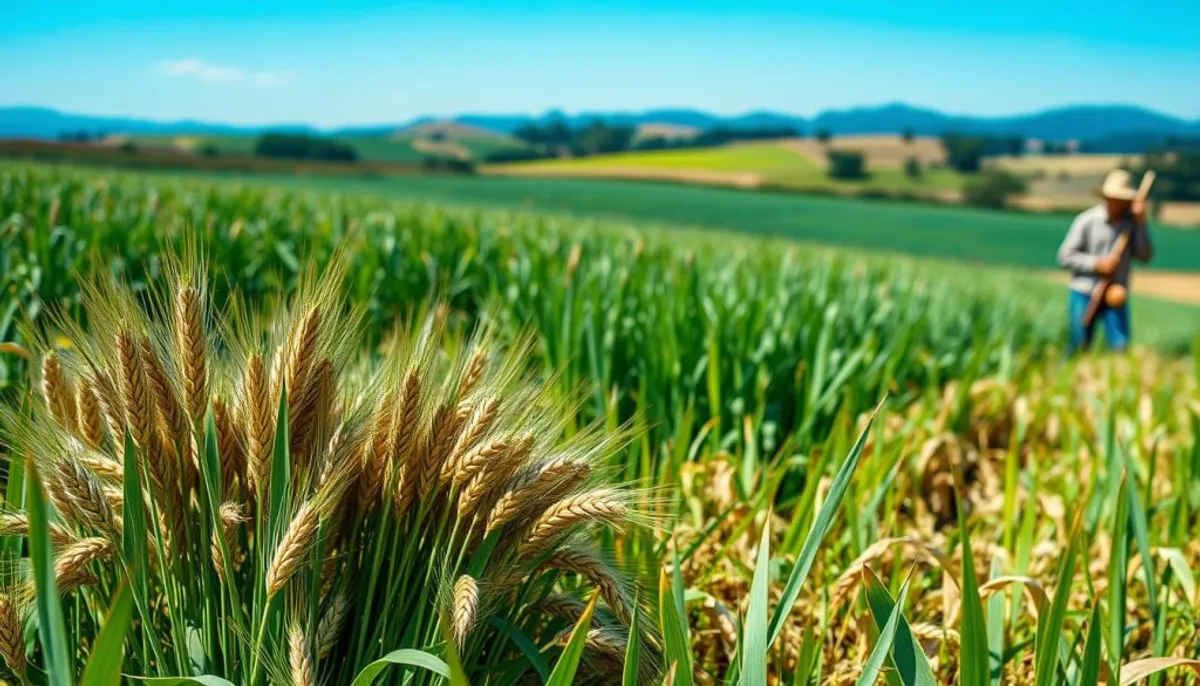
A slightly delayed sowing offers better control of weeds like ryegrass. This strategy reduces early competition with weeds.
Several complementary methods exist to manage weeds. The use of suitable herbicides, combined with soil cultivation, yields excellent results. Crop rotation also represents an effective solution.
Strategies to Prevent and Treat Diseases and Pests
Fungal diseases such as helminthosporiosis or rhynchosporiosis can seriously affect your crops. Powdery mildew and rust are among the main threats to monitor.
Regarding pests, the cereal leaf beetle can be harmful by consuming the leaves. Aphids are generally not problematic except in certain specific cases.
Lodging must be prevented by rigorous control of nitrogen and irrigation. Choosing varieties with good lodging resistance is crucial, especially in rainy years.
The case-by-case assessment of the need for fungicide treatment depends on climatic conditions. The health of the leaves is essential for optimal photosynthesis.
These points of vigilance help avoid lodging issues and maintain grain quality. A preventive approach reduces the risks of serious diseases in your barley crops.
Optimizing Yield and Grain Quality
Mastering water and cultivation techniques allows for exceptional performance. Irrigation can multiply production by five under certain conditions.
Irrigation Management and Importance of Water Regulation
Water needs gradually increase during growth. The supply should be maximal when the ears reach maturity.
Even though this cereal withstands drought well, proper irrigation makes a difference. Irrigated plots can produce up to 10,000 kg/ha.
Techniques to Maximize Grain Development
The building phase, from the first node to flowering, is crucial. It is at this moment that reserves form in the leaves and stem.
The number of ears per m² is more important than for wheat. The health of the leaves and awns until the end of the cycle is essential.
The carbohydrate reserves in the stem can provide up to 50% of the final yield. They serve as a buffer against water or thermal stress.
Conclusion
The potential of barley in contemporary agricultural production systems deserves special attention. This cereal represents a solid opportunity for industry professionals.
Mastering all techniques, from variety selection to the final harvest, allows for optimizing yield and grain quality. The versatility of use – animal feed, brewing, straw valorization – is a major asset.
Compared to wheat or corn, barley demonstrates remarkable adaptability to various French terroirs. Its integration into crop rotations is part of winning strategies.
Ultimately, this crop remains a safe bet in French agriculture. It combines tradition and innovation to meet the current challenges of cereal production.
FAQ
What is the best time to sow winter barley?
Winter barley is generally sown in autumn, between late September and late October. This period allows for good tillering before the cold arrives. Sowing too late can reduce yield.
How can I improve my plants' resistance to lodging?
To limit lodging, choose varieties with good natural resistance. Also, avoid excessive nitrogen applications and space the rows correctly. A balanced fertilization management is essential.
Is irrigation necessary for spring barley?
Irrigation is not always necessary, but it can boost yield in case of drought. Monitor the soil moisture state, especially during stem elongation and grain filling.
What are the main diseases to watch for in this cereal?
Powdery mildew, rhynchosporiosis, and helminthosporiosis are common diseases. Regularly observe the leaves and intervene quickly with suitable products if necessary.
Can straw be used after harvesting?
Absolutely! Straw is a valuable resource. It can be sold, used as bedding for animals, or returned to the soil to enrich it with organic matter.
RelatedRelated articles
- 2 Jan 2026·8 min readYoruba Culture: A Rich and Fascinating Heritage to DiscoverArticles
 Welcome to a journey into the heart of one of the most vibrant traditions of West Africa. This ancestral heritage, carried by a large ethnic group, shines through its depth and diversity.The Yoruba people have built a history marked by a flourishing ...