
The culture card is a program that allows access to numerous cultural establishments at reduced or preferential rates. It is aimed at different audiences depending on the regions and cities, with specific access conditions.

Discover the benefits of this card that can significantly save you on your cultural outings. Whether you are a student, a young professional, or simply passionate about culture, this card is made for you.
We will explore in detail what the culture card is, its advantages, and especially how to use it daily to fully enjoy all its benefits related to the preferential rate.
What is the culture card?
The culture card is a key device to promote access to culture. It allows holders to benefit from preferential rates in various cultural establishments.
For students, the student card also serves as a culture card in certain regions, automatically offering cultural benefits.
Definition and purpose of the culture card
The culture card is an initiative that promotes access to culture for different audiences by offering preferential rates in many cultural establishments. Its main goal is to democratize access to cultural events and to encourage artistic discovery for all.
The different types of culture cards available
There are different types of culture cards depending on the cities and regions, including the Junior Culture Card, the Museum Card, the Library Card, or the Campus Pass for students. Each type of culture card provides access to specific benefits, tailored to the needs and interests of its target audience.
| Type of Card | Benefits | Target Audience |
|---|---|---|
| Junior Culture Card | Reduced rates for cultural events | Young people |
| Museum Card | Free or reduced entry to museums | Museum lovers |
| Campus Pass | Benefits for students on cultural events | Students |
The benefits of the culture card
The culture card offers numerous advantages for culture enthusiasts. It allows access to a variety of cultural events at advantageous rates.
Access to museums and exhibitions at reduced rates
The culture card offers reduced access to museums and temporary exhibitions. For example, entry to the Musée des Confluences is €7 instead of €12.
Discounts for shows and concerts

Holders of the culture card benefit from preferential rates in many performance venues and theaters, with discounts ranging from €4 to €15 depending on the establishments.
Preferential rates in partner cinemas
Partner cinemas offer advantageous rates, such as at Cinéma Comœdia (€8 instead of €10.20) or at Institut Lumière (€7.80 instead of €9.80).
Services of municipal libraries
The culture card provides access to all services offered by municipal libraries, including borrowing up to 20 documents simultaneously and digital services.
How to obtain the culture card: detailed procedure
Obtaining the culture card is a simple process that requires a few key steps. To begin, it is essential to understand the eligibility conditions.
Eligibility conditions
The eligibility conditions for obtaining the culture card vary by region. Some are reserved for students, others for young people under 26, or accessible to all residents of a city.
Documents required for the application
To apply for a culture card, you will generally need an identity document, a recent proof of residence, a passport photo, and for students, a school certificate.
Where and how to apply
The application for a culture card can be made online on the websites of town halls or universities, or directly on campus for students. A sticker is provided each year to validate the card. Additionally, the culture voucher redemption allows for even more accessible use of these benefits.
Cost and validity period
The cost of the culture card varies by region and the user's status. It can be free for some students (included in the CVEC), or cost between €5 and €20 for other audiences. The validity period is generally one year.
It is crucial to keep your card throughout the academic year or validity period to enjoy cultural services without interruption.
Using the culture card in daily life
To fully enjoy your culture card, it is essential to understand how to use it daily. This card allows you to access various cultural events at reduced rates.
How to present your card in partner establishments
To benefit from the advantages of your culture card, simply present it at the counter or at the ticket office of partner establishments before purchasing your tickets. You can also book online on the establishment's website or by phone.
| Establishment | Advantage | Booking Method |
|---|---|---|
| Museums | Reduced rate | Counter or online |
| Cinemas | Preferential rate | Counter, phone, or online |
| Libraries | Free access | On site |
Renewal of the culture card
It is important to renew your culture card before its expiration date to continue enjoying the benefits. You can usually do this online on the official site or in person.
What to do in case of loss or theft
In case of loss or theft of your culture card, you must report it online and request a reissue from the service that issued it to you.
Mobile application and online services
Some cities offer a mobile application associated with the culture card, facilitating access to information about events and sometimes allowing you to present a digital version of the card.
Tips for making the most of your culture card
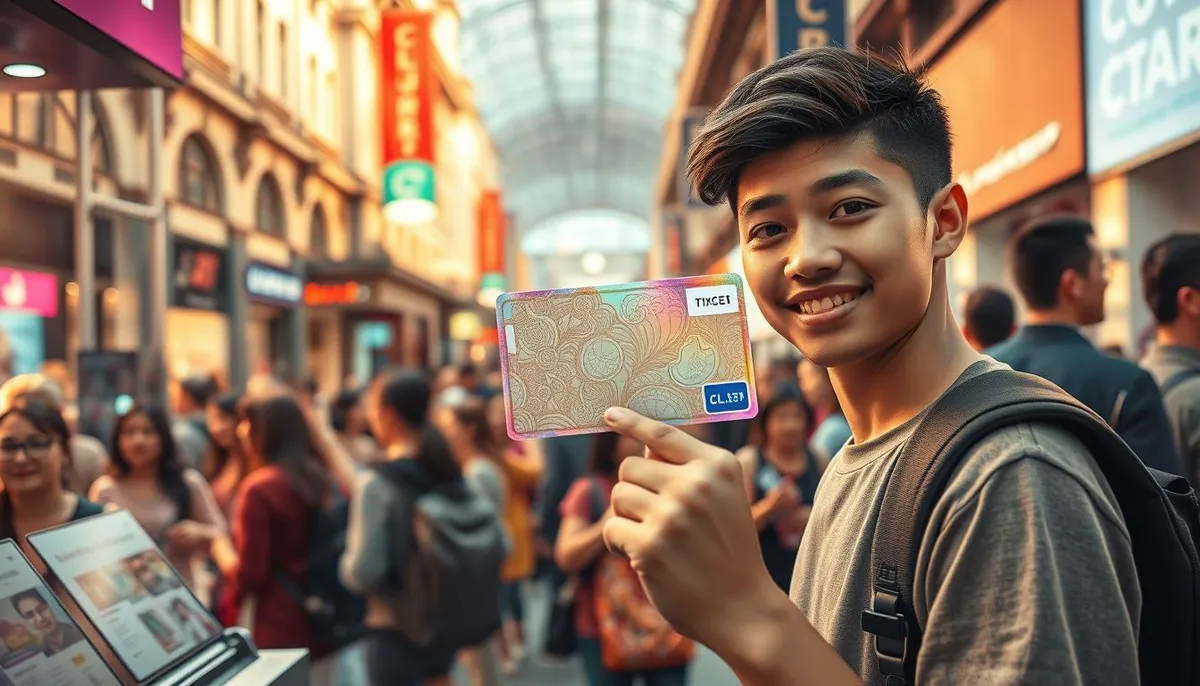
Maximize your experience with the culture card by exploring the multiple possibilities it offers you. The culture card is a true cultural passport that allows you to benefit from reduced rates in many cultural establishments in your city, including those that showcase the rich traditions of serbian gastronomy.
To fully enjoy it, regularly check the programming of partner museums, theaters, and cinemas. This way, you can discover new shows and concerts throughout the year, especially during events like the Lyon Dance Biennale in September 2025.
Don't forget to take advantage of special offers like the “DUO entry” voucher that allows you to invite someone to accompany you for free in certain museums. Also, remember to renew your card on time to continue benefiting from the advantages without interruption.