
Welcome to a captivating journey into the heart of a community fascinating in Kenya. The Luo represent the fourth ethnic group in the country with about 10% of the total population. Their history dates back five centuries, when they migrated from the deserts of Sudan.
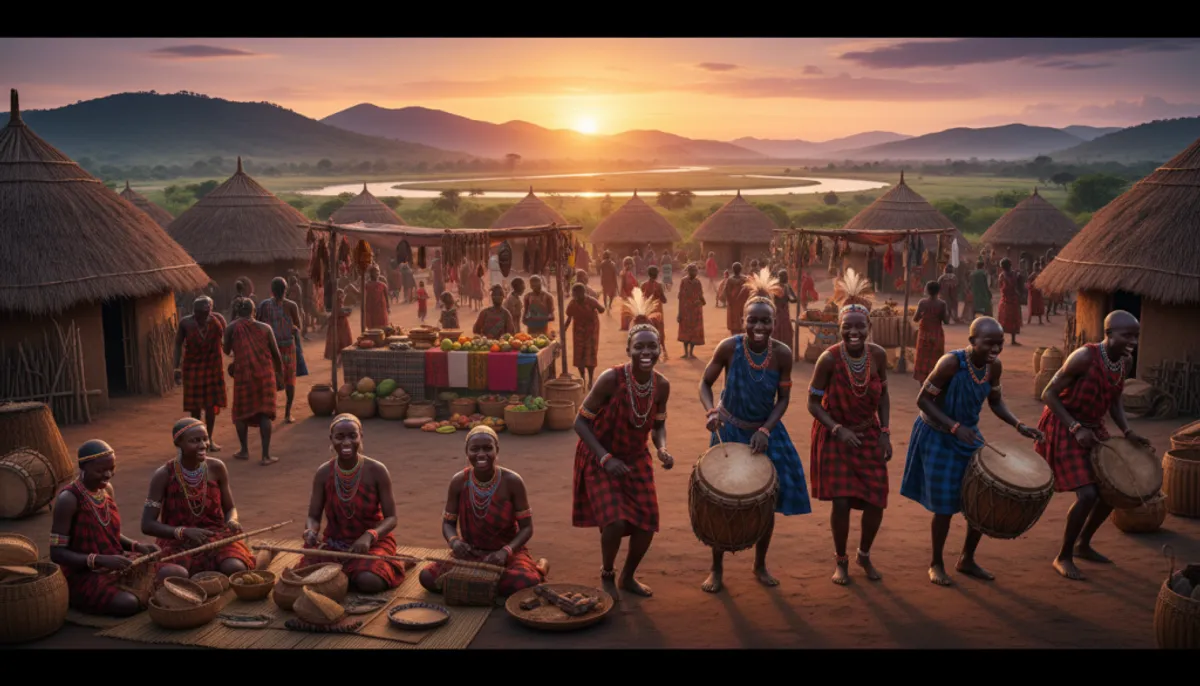
This population of 4 to 5 million souls is predominant around Lake Victoria and in urban areas like Nairobi. Their settlement in western Kenya has created a unique civilization, deeply connected to water and land. Their ancestral heritage continues to define their identity today.
The Luo stand out for their exceptional mastery of English and their remarkable intellectual contributions. Their complex society maintains living traditions despite the challenges of modernity. Their cultural resilience testifies to a people proud of their roots.
Key Points to Remember
- The Luo form the fourth ethnic group in Kenya with 4 to 5 million people
- Their migration from Sudan dates back five centuries
- They are predominant around Lake Victoria and in urban areas
- Recognized for their academic excellence and language mastery
- Their unique cultural identity combines ancestral traditions and modernity
- They are part of the 42 ethnicities in Kenya with distinctive practices
- Their cultural heritage remains alive despite contemporary challenges
Introduction and Context
The migratory history of the Luo reveals an exceptional adaptation to aquatic environments. Their journey from southern Sudan led them to fertile lands where water plays a central role.
The Historical and Geographical Journey of the Luo
Their arrival occurred in several successive waves. The Joka-jok were the first to settle, followed by the Jo-k’Owiny. The Jok’Omolo arrived next, completing this historical migration.
The Luo Abasuba represent the last wave of migration. They descend from mixed marriages with Ugandan Bantu populations. Their permanent settlement around the Lake Victoria marked a decisive turning point.
Contemporary Context and Socio-Economic Issues
The western regions like Siaya, Kisumu, and Homa Bay face significant challenges. The life expectancy there is below 40 years, well below the national average.
Health issues are concerning. A quarter of the population lives with HIV, creating a major public health crisis. The economic situation remains difficult despite natural resources.
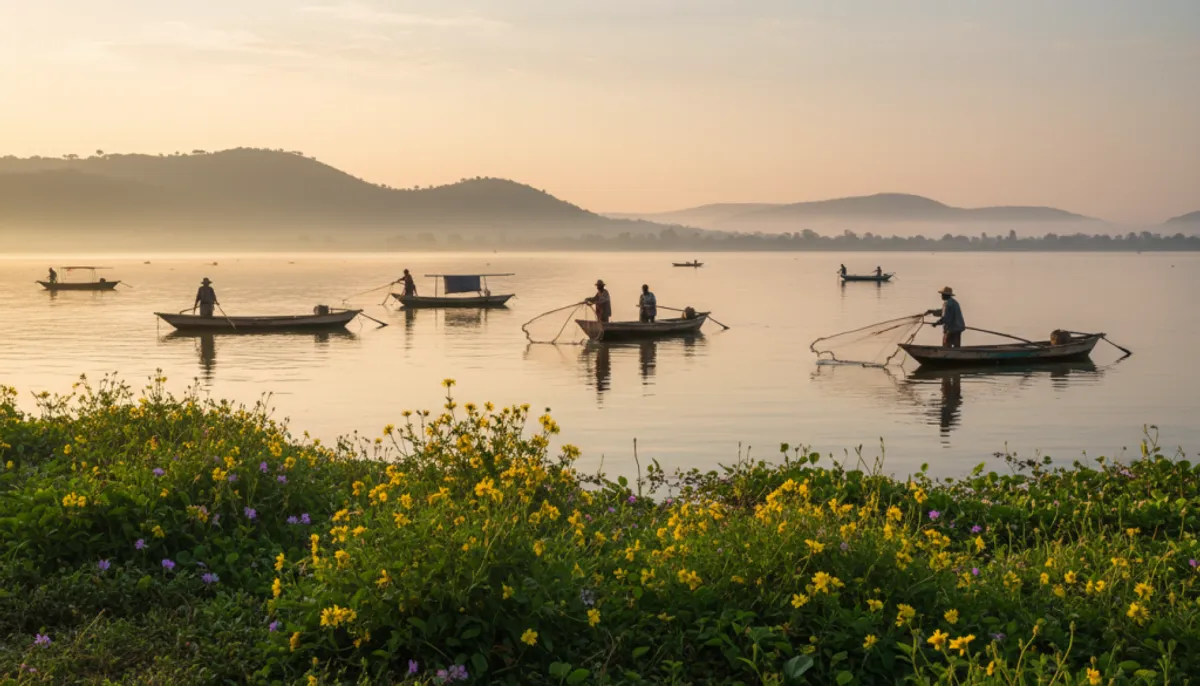
Fishing in the Lake Victoria constitutes the main economic activity. Nile perch is exported to Europe, symbolizing the potential and environmental challenges of this culture rich in traditions.
The Traditions and Customs of Luo Culture
The ancestral customs of the Luo reveal remarkable symbolic richness. Their rites of passage mark important life stages.
Ancestral Rituals and Important Ceremonies
The initiation of men followed a unique path. Instead of circumcision, they removed six lower teeth. This practice distinguished this group from other ethnicities.
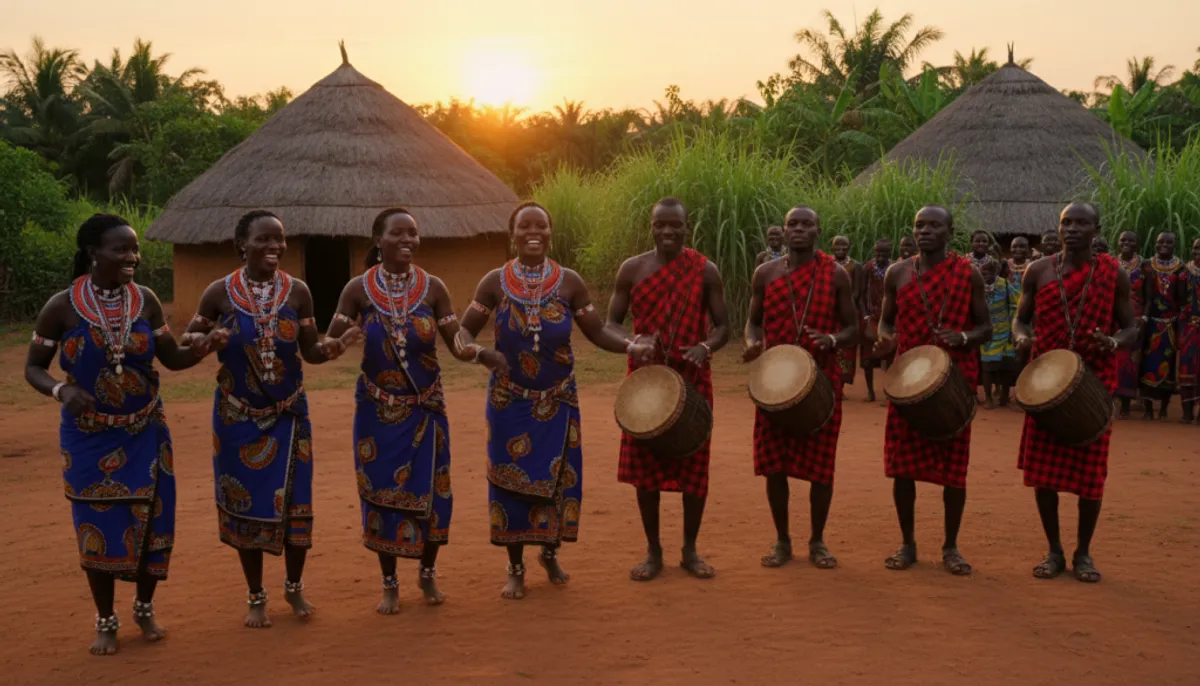
The tero buru ceremony remains very much alive today. It honors the departure of the deceased with dramatic intensity. The entire community participates in this collective ritual.
| Traditional Practice | Meaning | Modern Evolution |
|---|---|---|
| Tooth removal | Male initiation | Adoption of circumcision |
| Widow's inheritance | Social protection | Urban decline |
| Tero buru | Collective mourning | Practice maintained |
Marriage Practices and Rites of Passage
Traditional marriage consists of two distinct phases. The Ayie involves a payment to the mother. Then comes the gift of cattle to the bride's father.
Births follow specific rituals. Babies are named after ancestors. Their first outing occurs after 3 or 4 days.
The Evolution in the Face of Modernity and Current Challenges
Some traditions adapt to contemporary realities. The widow's inheritance declines in cities. Education and Christianity transform practices.
Dance costumes retain their traditional beauty. Sisal skirts and colorful beads impress. Red and white clay decorate bodies during celebrations.
Historical Legacy and Political Impact of the Luo
The political journey of the Luo reflects exceptional resilience in the face of challenges. Their commitment has profoundly marked contemporary Kenyan history.
Iconic Figures and Sacrificial Narratives
Oginga Odinga, the first vice president, and Tom Mboya, an influential minister, led the struggle for independence. Their leadership inspired an entire generation.
Raila Odinga has pursued this family legacy with determination. His multiple presidential candidacies have forged a unique sacrificial narrative.
The electoral defeats of Raila Odinga have reinforced his stature as a protector. His popularity far exceeds the traditional political sphere.
The Struggles Against Marginalization and Cultural Influence
The year 1969 remains a collective trauma with the assassination of Tom Mboya. The Kisumu massacre exacerbated ethnic tensions.
Decentralization since 2010 has improved access to resources for this community. Intellectuals like PLO Lumumba maintain a notable influence.
The political legacy of the Luo continues to evolve. Raila Odinga symbolizes this persistence despite historical obstacles.
Conclusion
This journey through the centuries demonstrates the extraordinary vitality of Luo heritage. Despite a tumultuous history from the deserts of Sudan to the shores of the Lake Victoria, this community has preserved its unique identity.
The remarkable resilience of this people is evident in their balance between ancestral traditions and modern adaptation. Some practices evolve while the essence of the heritage persists strongly.
Understanding this fascinating community allows for an appreciation of its contribution to Kenyan development. Historical challenges have not prevented its enrichment of the national multicultural fabric.
The future rests on a delicate balance between respecting traditions and adapting to contemporary realities. Public health and economic development represent crucial issues for the sustainability of this exceptional heritage.
FAQ
Where is the traditional territory of the Luo people located?
Their homeland is primarily located around Lake Victoria, in western Kenya. This region, known for its beautiful landscapes, is at the heart of their identity and historical narratives.
Who is Raila Odinga and what is his role?
Raila Odinga is a major political figure in Kenya. He is recognized for his long-standing commitment to democracy and for being a descendant of the Odinga lineage, a very influential family.
How does the community manage modern life?
The Luo skillfully navigate between preserving their ancestral customs and adopting contemporary realities. This balance allows them to keep a precious heritage alive while fully participating in current society.
What are the most important ceremonies?
The rites of passage, particularly those surrounding marriage and funerals, are fundamental. These events strengthen social ties and honor ancestors, playing a central role in group cohesion.