
Welcome to the fascinating world of Djibouti, a country with many facets nestled in the Horn of Africa. This nation of nearly one million inhabitants occupies an exceptional geographical position at the entrance to the Red Sea.
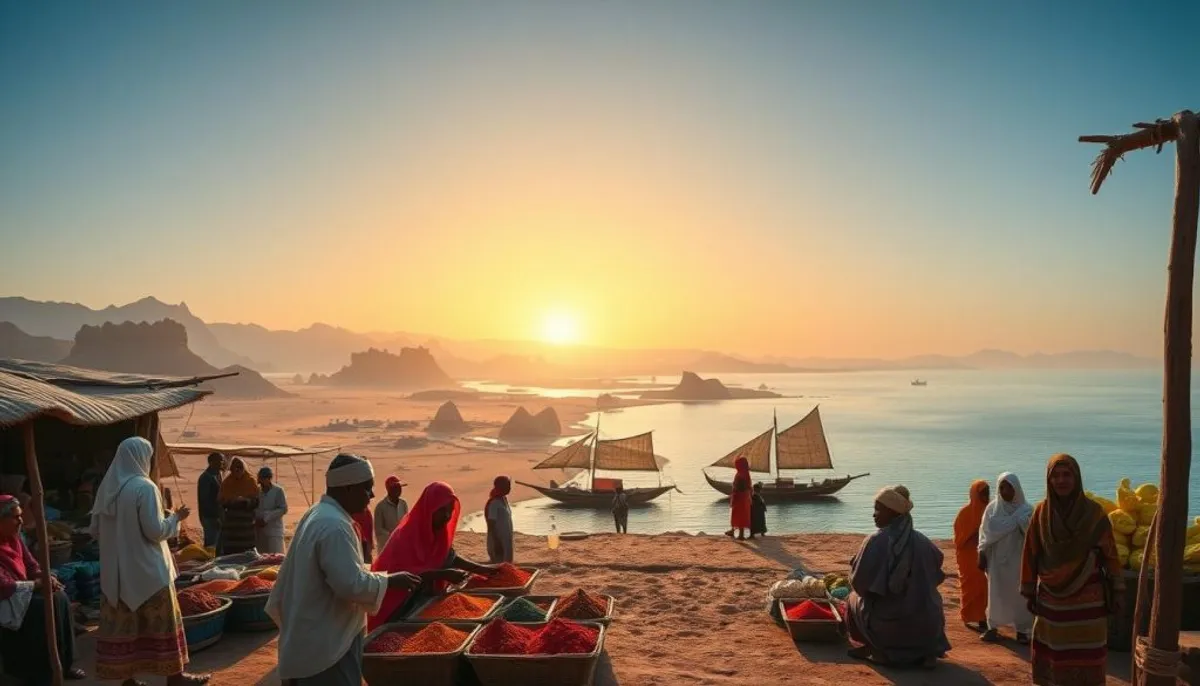
The territory extends over 23,200 km² with 370 km of coastline along the Red Sea and the Gulf of Aden. This strategic location has made this region a crossroads of civilizations for millennia.
Over the centuries, exchanges between Africa, the Arab world, and the Indian Ocean have shaped a unique identity. The local heritage reflects this richness while preserving its deep roots.
Nomadic traditions harmoniously coexist with Eastern and African influences. This diversity creates a cosmopolitan atmosphere where hospitality and tolerance remain fundamental values.
Key Points to Remember
- Djibouti is a millennia-old cultural crossroads between Africa and the Arab world
- The strategic geographical position has influenced cultural development
- Nomadic traditions coexist with diverse influences
- The country has managed to preserve its unique identity despite exchanges
- Hospitality and tolerance are fundamental values
- Culture evolves while remaining true to its ancestral roots
Introduction to the Richness of Djiboutian Culture
At the heart of the Horn of Africa lies an exceptional heritage. This land has always attracted travelers and merchants.
As early as the 2nd millennium, the coasts were frequented by Arabs. They were drawn by the strategic location of the country.
Historical and Geographical Context
This region is a natural crossroads between Africa and the Near East. The Red Sea and the Gulf of Aden have shaped its history.
In the Middle Ages, the territory became an important trading post. Nomads gradually settled in this area.
The Major Cultural Influences
The current population exceeds one million inhabitants. It embodies remarkable diversity born from exchanges.
African traditions, Arab influence, and European heritage blend together. This fusion creates a unique and vibrant identity.
The History and Arab, African, and European Influences
Three major influences have marked the historical development of this region. The local history reveals a remarkable mixing of African traditions, Arab contributions, and European heritage.
The Colonial Heritage and Independence
The French presence began in 1862 with the establishment of a colony in Obock. In 1896, colonial authorities created the French Coast of the Somalis.
The territory evolved until the referendum of May 1977. Voters overwhelmingly chose independence with 98.8% of the votes.
June 27, 1977, became a historic date. The Republic of Djibouti gained independence after more than a century of French presence.
Commercial and Cultural Exchanges
As early as the 2nd millennium, Arab merchants frequented these coasts. These commercial exchanges created an exceptional cultural crossroads.
The origin of this openness dates back to ancient maritime routes. The year 1977 marked the affirmation of a unique identity.
The French language remains official alongside Arabic. Administration and architecture bear this dual influence.
The new republic managed to preserve its multicultural heritage. Hassan Gouled Aptidon became the first president after independence.
The Diversity of Traditions and Customs
Djiboutian traditions reveal a fascinating diversity that animates daily life. This intangible richness is expressed through unique celebrations.
Festivals, Ceremonies, and Traditional Rituals
The Sunni Muslim religion profoundly influences cultural practices. Nearly 98% of the population follows this faith.
Public holidays mark the year with colorful festivities. Weddings are major events in social life.
Women wear vibrant dresses and traditional jewelry during ceremonies. Their elegance embodies the ancestral nomadic grace.
Social and Community Practices
UNESCO has recognized three elements of intangible heritage. The Xeedho concerns matrimonial rituals.
The Xeer Ciise represents a customary governance system. The Zaffa refers to the traditional wedding procession.
These practices testify to the respect for ancestral traditions. Community solidarity structures society.
The Languages and Linguistic Diversity
Four main languages structure exchanges in this multicultural society. This diversity perfectly reflects the composition of the local population.
The Official and National Languages
The country recognizes two official languages: French and Arabic. These two languages coexist with two national languages: Somali and Afar.
This official recognition dates back to the 1970s. In 1972, Somali was transcribed into the Latin alphabet. Afar followed this adaptation three years later.
Evolution and Use of French, Arabic, and Somali
Each language occupies a specific place in daily life. French dominates administration and formal education.
Arabic finds its place in religious and cultural contexts. Somali remains the main vehicular language throughout the territory.
This functional distribution shows how different historical influences continue to shape contemporary linguistic practices.
The Artistic and Cultural Expressions
Artistic creations offer a unique window into the Djiboutian soul. This multiple expression reflects both ancestral traditions and modern influences.
Film, Literature, and Visual Arts
The seventh art has been present since the 1920s. It is experiencing a remarkable revival with filmmakers like Lula Ali Ismail.
Her film Dhalinyaro (2019) marks an important milestone. Literature shines thanks to internationally recognized authors.
Abdourahman Waberi, Ali Moussa Iye, and Aïcha Mohamed Robleh carry the voice of their country. Their work crosses borders and speaks to the world at large.
Music, Dance, and Theater
Music and dance occupy a central place in social life. Women play a particularly important role in this.
Their choreographic performances illuminate wedding ceremonies. Their voices convey epic tales and pastoral legends.
| Art Form | Characteristics | Representative Artists |
|---|---|---|
| Film | Contemporary renewal, local representation | Lula Ali Ismail |
| Literature | International recognition, thematic diversity | Abdourahman Waberi, Mouna-Hodan Ahmed |
| Traditional Music | Oral transmission, nomadic rhythms | Women's ensembles |
| Architecture | Vernacular and contemporary blend | Daboyta, Toukoul |
These different forms of arts constitute an essential mode of communication. They preserve collective memory while opening up to modernity.
Daily Social and Ritual Practices
Daily life in Djibouti revolves around deeply rooted social values, including krou beliefs. Sacred hospitality forms the foundation of every interaction.
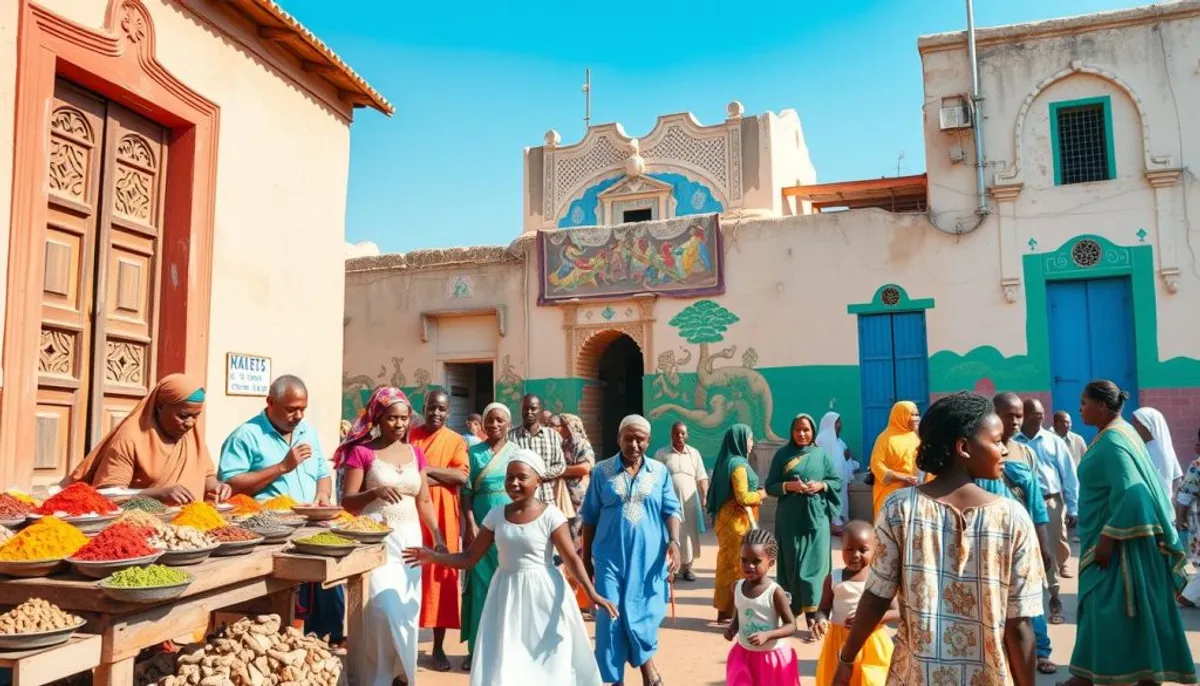
Every visitor receives a warm welcome marked by deep respect. This generosity finds its roots in a lifestyle where pastoral cooperation ensured survival.
Hospitality and Oral Transmission
Community evenings around the fire keep the oral tradition alive. Elders recite improvised poems while younger generations listen attentively.
This direct communication preserves ancestral know-how. The values of hospitality are naturally passed down between parents and children.
Daily rituals such as tea ceremonies strengthen social bonds. These privileged moments embody the collective soul of this nation.
| Social Practice | Context | Value Transmitted |
|---|---|---|
| Welcoming Visitors | Daily Encounters | Generosity and respect |
| Nocturnal Gatherings | Community Evenings | Oral Transmission |
| Tea Ceremony | Moments of Sharing | Intergenerational Solidarity |
| Poetic Recitations | Family Gatherings | Identity Preservation |
These practices demonstrate how a nomadic heritage continues to enrich modern life. Social cohesion remains a priority despite contemporary evolution.
Exploring Djiboutian Culture
The nickname "Land of the Brave" perfectly embodies the resilient and courageous spirit of this nation. This designation reflects the pride of a people who have managed to preserve their identity while welcoming outside influences.
Identity and National Pride
Since independence in 1977, the first president Hassan Gouled Aptidon defined this country as a land of encounters. This vision shaped a unique identity based on mutual respect.
Exceptional religious tolerance is concretely manifested in the capital. Different places of worship coexist harmoniously on the Boulevard of the Republic.
This alchemy of nomadic traditions, linguistic diversity, and varied influences creates a unique culture. The values of hospitality and solidarity unify this open society.
| Identifying Element | Concrete Manifestation | Associated Value |
|---|---|---|
| Nickname "Land of the Brave" | Symbol of National Courage | Resilience |
| Religious Coexistence | Varied Places of Worship Side by Side | Tolerance |
| Presidential Heritage | Vision of a Land of Encounters | Openness |
| Cultural Fusion | Mix of Traditions and Modernity | Adaptation |
The intangible heritage and national pride make this country a truly unique nation. This strong identity continues to evolve while maintaining its deep roots.
Challenges in Education and Heritage Preservation
The future of Djiboutian heritage relies on a delicate balance between modern education and traditional preservation. The school system must reconcile several pedagogical approaches.
Cultural Institutions and Museums
The University of Djibouti and the French Institute play a central role in training young generations. These institutions preserve the link with the French language while promoting national languages.
Local museums provide valuable information about history and traditions. They are essential spaces for intergenerational transmission.
Preservation Initiatives and Education
The 2000 law reformed the educational system to better integrate local languages. Primary education now combines French, Arabic, Somali, and Afar.
UNESCO has recognized three elements of Djiboutian intangible heritage. This international recognition supports preservation efforts.
The current educational program seeks to reconcile modernity and tradition. This bilingual and trilingual approach strengthens national identity while preparing youth for globalization.
The Geopolitical and Socio-Economic Impact on Djibouti
Located at the strategic entrance of the Red Sea, this small country exerts remarkable geopolitical influence. The Bab el-Mandeb Strait, only 30 km wide, makes it a vital maritime passage, connecting to the kiribati islands and beyond.
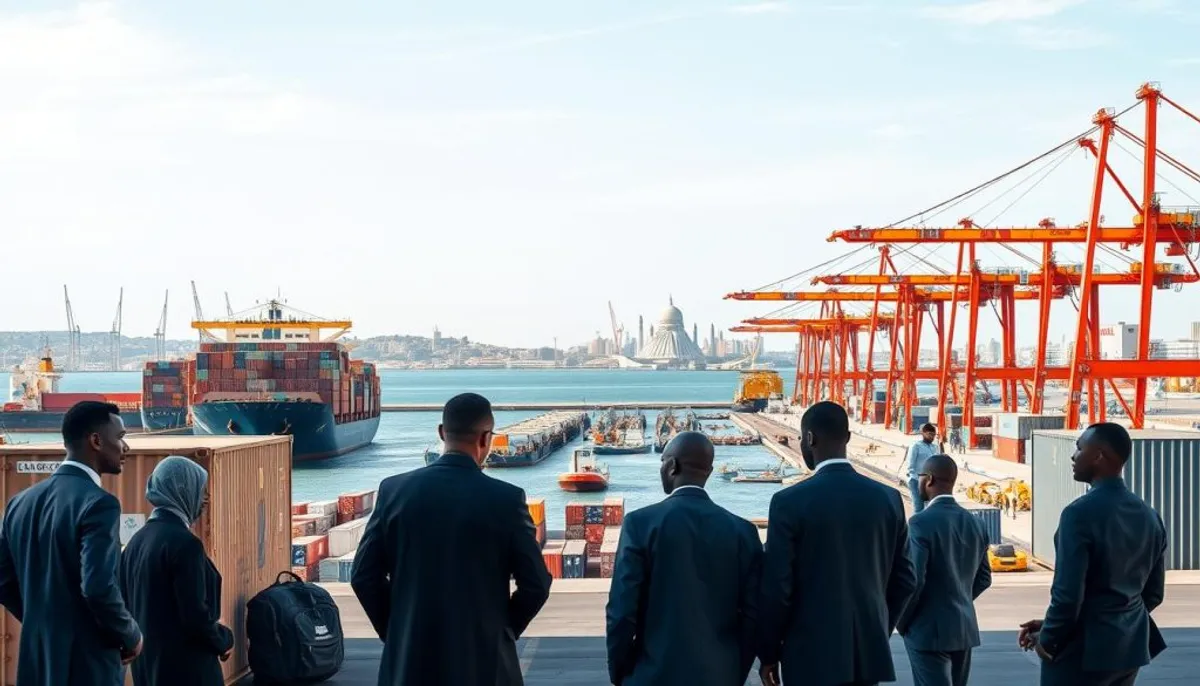
The Republic of Djibouti has been a member of the Arab League for several years. Its relations with Western powers have strengthened after the events of September 2001.
Strategic Role and Regional Implications
Since June 1977, France has maintained a permanent military presence with 2162 soldiers. This base significantly contributes to the local economy.
More than two-thirds of the population reside in the capital. This urban concentration creates major infrastructural challenges.
The political power must manage the influx of 300,000 refugees from neighboring countries. Visa policies reflect this position as a regional crossroads.
In October 2016, Reporters Without Borders ranked this country 172nd for press freedom. The republic navigates between sovereignty and international cooperation.
Conclusion
The synthesis of these cultural elements demonstrates a unique capacity for integrating diverse influences. This nation embodies a model of coexistence where each tradition finds its place harmoniously.
The linguistic richness with the two official languages – French and Arabic – and national languages like Somali, structures the identity of this republic. The inhabitants naturally navigate between these different codes.
This land between the African and Eastern world continues to evolve while preserving its soul. The balance between modernity and ancestral traditions defines the unique character of its population.
FAQ
What are the two official languages spoken in Djibouti?
French and Arabic are the two official languages of the Republic of Djibouti. They are used in administration, education, and official communications. National languages, such as Somali and Afar, are very present in daily life.
How is hospitality manifested in social practices?
Hospitality is a fundamental value. It is expressed through great respect for the guest, often around coffee or tea. The oral transmission of stories and news also strengthens community ties.
What influences have shaped the Djiboutian nation?
The country, located on the shores of the Red Sea, has been influenced by centuries of commercial and cultural exchanges. Traces of Arab, African, and European cultures can be found, especially since independence in June 1977. Understanding the history of the comoros adds depth to the appreciation of these influences.
Are there important traditional festivals?
Absolutely! Religious festivals, such as Eid, and traditional ceremonies, such as weddings, are significant moments. They often blend music, dance, and rich cuisine, reflecting the diversity of the inhabitants.
What is the role of education in heritage preservation?
Education plays a crucial role. School programs and initiatives, led by cultural institutions, aim to teach the history and local artistic expressions to young generations to safeguard this heritage.