
Welcome to the discovery of a fascinating country in the Horn of Africa. Eritrea is home to approximately 6.5 million inhabitants. Their heritage forms a mosaic of vibrant traditions.
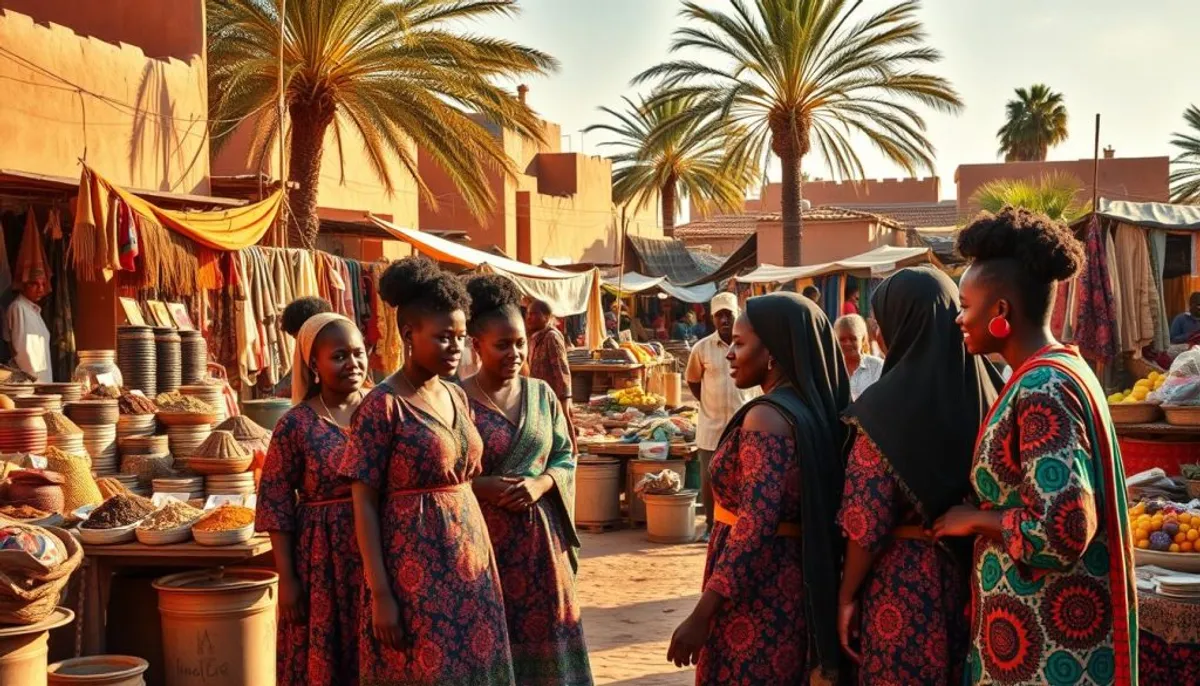
This culture is the result of a rich past. It has been shaped by ancient civilizations and a complex history. The people have managed to preserve their unique identity through the centuries.
There is not just one Eritrean culture, but several. Nine main ethnic groups contribute to this richness. Each brings its languages, traditions, and distinct social practices.
This article invites you to explore the multiple facets of this identity. We will discuss its history, colonial architecture, and traditional ceremonies. Let’s discover together how this unique culture shines in the world.
Key Points
- Eritrea is a diverse country in the Horn of Africa.
- Its culture is a rich blend of historical influences.
- Nine distinct ethnic groups form its social fabric.
- History and resilience have shaped its unique identity.
- The article will explore history, traditions, and architecture.
- The coffee ceremony and cycling are important cultural elements.
Origins and History of Eritrea
This strategic territory has seen many civilizations over the centuries. Its unique geographical position has made it an important trade crossroads.
The Early Civilizations and Influences
Since antiquity, various populations have occupied this region. Exchanges with Arabia, Africa, and the Mediterranean have enriched local traditions.
This mix has created a unique identity. Each external influence has been integrated while preserving deep roots.
The Legacy of Conquests and Colonialism
Italy colonized this land from 1890 to 1941. This period profoundly transformed architecture and infrastructure.
The war for independence marked the country for many years. It forged a strong national consciousness and remarkable determination.
The complex history of this nation shows exceptional resilience. The people have managed to preserve their identity despite external influences.
The Influence of Colonialism on Architecture and Traditions
At the heart of Eritrean cities stands an exceptional architectural heritage. These buildings tell the story of a colonial era that profoundly marked the country.
Modernist Architecture and Its Landmarks
Asmara, the capital, has a unique heritage recognized worldwide. UNESCO has classified it as a World Heritage site for its remarkable preservation.
The Fiat Tagliero building, constructed in 1938, defies the laws of gravity. Its bold futuristic design makes it a recognizable architectural symbol.
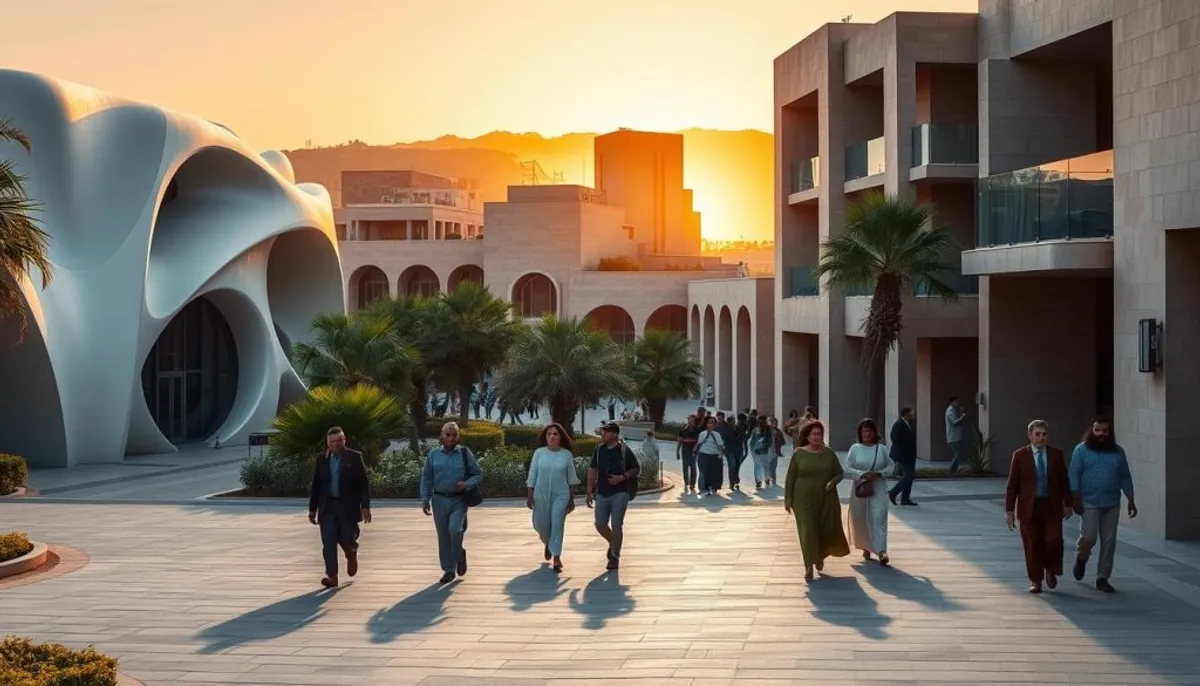
Several styles coexist in these cities. Art Deco, fascist architecture, and pure modernism can be found.
Buildings like the Cinema Impero date from this period. They testify to exceptional craftsmanship that is several decades old.
Ceremonial Heritage and Social Practices
Cinemas have been an integral part of social life since the 1930s. The names of these venues still resonate today in collective memory.
These entertainment spaces have been adapted to local traditions. They retain their distinctive character while integrating perfectly.
This fusion of colonial heritage and indigenous practices creates a unique urban identity. It shows a remarkable capacity for cultural adaptation.
Cultural Traditions and Ceremonies
Ritual celebrations are a fundamental pillar of social life. They unite communities during significant events and everyday life, including traditional dances in ethiopia.
Religious and Folkloric Ceremonies
Diverse gatherings enliven the calendar throughout the year. These moments strengthen the bonds between generations.
The Coffee Ceremony: Rituals and Symbols
Among the most sacred practices, coffee occupies a central place. This ceremony can be repeated several times a day.
The process begins with roasting green beans in a menkeskesha. Women then manually grind the coffee before preparing it in a traditional jebena.
Taking the time to share this drink represents much more than a simple break. It is a spiritual act that honors the elders and celebrates life.
This tradition brings together family and friends for several days during celebrations. It creates a unique atmosphere scented with incense.
| Region | Coffee Variety | Aromatic Characteristics |
|---|---|---|
| Sidamo Region | Sidamo | Balanced flavor, floral and citrus notes |
| Harar Region | Harar | Flavors of cinnamon, cardamom, blackberry, and apricot |
| Other Regions | Local Blends | Unique variations according to family traditions |
Women pass down this know-how from mother to daughter. This authentic way preserves a precious heritage.
Eritrean Culture, Linguistic Riches, and Customs
The plurality of languages spoken in this territory reflects an exceptional cultural heritage. This linguistic diversity forms the vibrant heart of national identity.
The Diversity of Languages and Ethnic Groups
Nine main ethnic communities coexist harmoniously in the country. The Afars, Bedja, Kunama, Saho, and Tigrayans represent the most significant groups.
Other communities like the Illiit and the Hausa primarily inhabit Keren and Tesseney. Each group preserves its distinct language and specific traditions.
The Habesha of the highlands constitute the dominant group. Mostly Orthodox Christians, they speak Tigrinya and have shaped a large part of the visible identity.
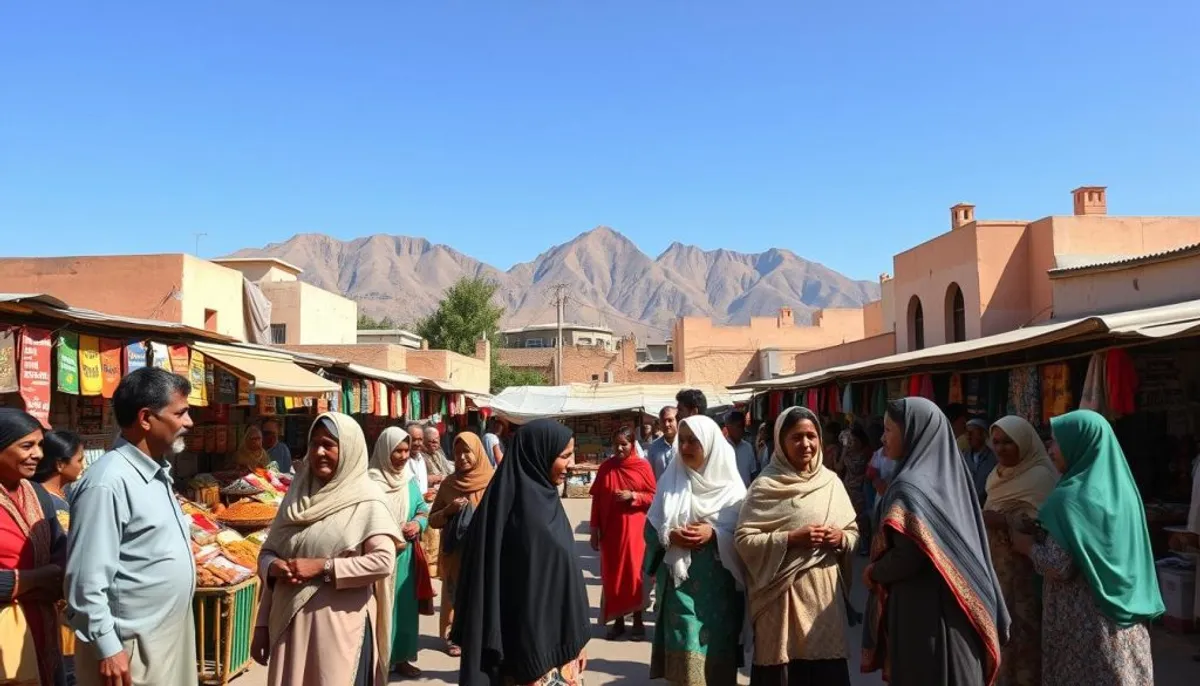
Family and Social Practices
The society presents a remarkable religious balance. About 40-55% of the inhabitants are Christians, and a similar proportion practices Islam.
Extended family structures gather several generations under one roof. Elaborate wedding ceremonies mark significant life milestones.
Traditional clothing reflects this identity richness. The Habesha kemis, Gabi, and Netela are worn on special occasions in different regions.
These garments bear the name of their ethnic or geographical origin. They symbolize belonging to a specific community while celebrating national unity.
This diversity constitutes a strength for the country. It creates a society where each tradition finds its place in the social fabric.
Cycling: A Vector of Identity and National Pride
What was once a colonial legacy has become a national passion. The history of the bicycle occupies a central place in the lives of the inhabitants of this African country.The Beginnings of Cycling in Eritrea and Its Evolution
The origin of this practice dates back to the late 19th century. The Italians introduced the first bicycles for postal services.
In 1939, Ghebremariam Ghebru made history. He won the first race open to locals, breaking racial barriers.
Sunday races in Asmara gather thousands of people. This weekly event creates a unique festive atmosphere.
International Successes and Their Impact on Society
Eritrean cyclists shine on the world stage. Daniel Teklehaimanot participated in the Tour de France in 2015.
Biniam Girmay achieved remarkable feats in 2024. He won the green jersey and three stages of the Tour.
These athletes inspire the younger generation from school. They show that it is possible to succeed internationally.
Despite financial and administrative challenges, cycling unites the population. It transcends political divides and becomes a symbol of pride.
Conclusion
The Eritrean identity shines through its ability to transform heritage into a living force. From complex origins to the comorian traditions that animate each day, this richness is remarkable.
The colonial history, problematic in terms of human rights and politics, has paradoxically enriched the heritage. Modernist architecture and cycling are now an integral part of national pride.
Ceremonies, like the coffee ritual, create essential social communion. They unite families for several days of celebration.
The diversity of the nine ethnic groups constitutes a distinctive strength. Their languages and customs form a unique mosaic.
International successes, particularly in cycling, demonstrate extraordinary resilience. They inspire the youth and project a positive image.
We must approach this country beyond clichés. Serious challenges coexist with a vibrant culture and a strong population.
Let us hope that cultural services and traditions will continue to unite the people. The future of this unique heritage, carried by its diaspora, looks promising.
FAQ
What are the main influences that have shaped the country's history?
The Eritrean world has been marked by different civilizations and colonial powers, including the portuguese colonization in angola. These influences can still be seen today in the cities, like Asmara, and in the customs of the inhabitants. Italy, in particular, left an important architectural legacy.
How has colonialism affected traditions and architecture?
This period introduced new styles, such as the modernism visible in the Fiat Tagliero building. Social and ceremonial practices also evolved, creating a unique blend between local customs and external contributions.
What is the significance of the coffee ceremony?
This ritual is much more than a simple drink. It is a very important social moment that strengthens family and community ties. The preparation, which can last nearly an hour, is a symbol of hospitality and respect.
How many languages are spoken and how do they coexist?
The country has nine main ethnic groups and several languages, including Tigrinya and Arabic. This linguistic diversity is a wealth and is part of national identity. Each group preserves its customs while participating in the life of the country.
Why is cycling so popular?
Cycling is a true national passion. Introduced several decades ago, it has become a vector of pride, especially with the successes of athletes like Daniel Teklehaimanot on the international stage. It is a way to bring people together.