Welcome to the fascinating universe of geek culture, a world that has evolved from a marginalized niche to a global cultural phenomenon. This vibrant community, centered around video games, science fiction, and technology, is redefining the cultural codes of our time.
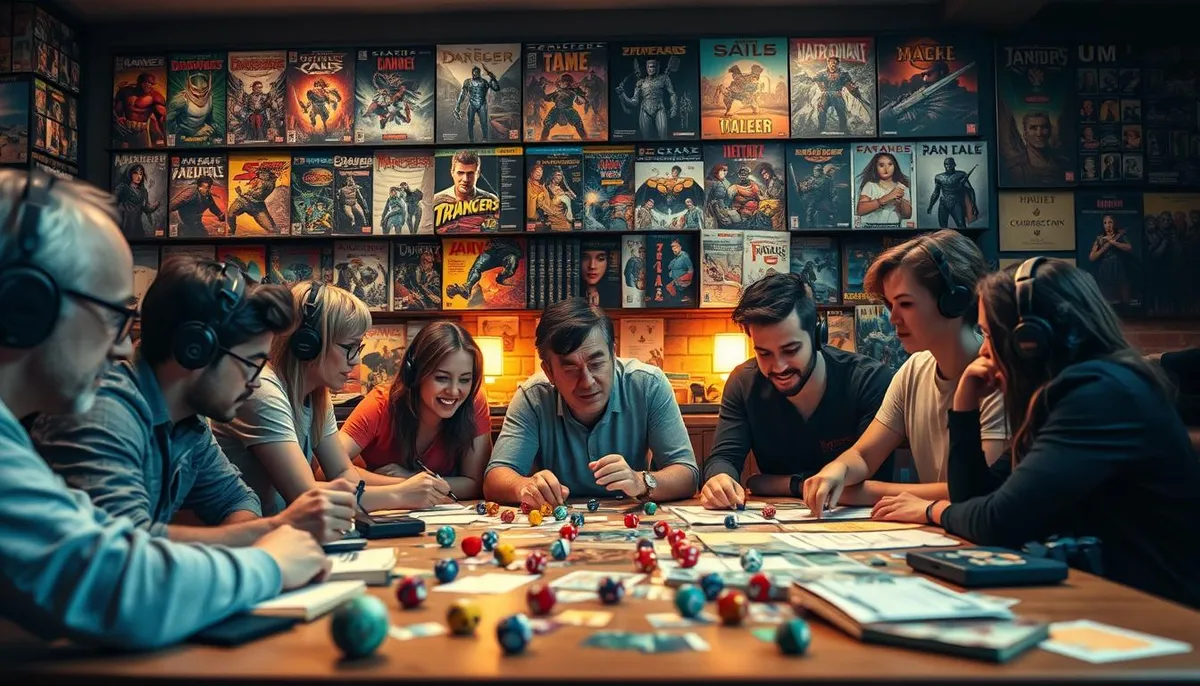
We will explore together the different facets of this rich and diverse culture that today influences all aspects of our society. Discover how enthusiasts have created a community that shapes the future of our world.
This comprehensive guide will help you understand the origins and stakes of a culture that has become mainstream while retaining its specificities.
What is geek culture?
Geek culture is a complex phenomenon that encompasses various passions and interests. It is defined as a set of values and practices shared by a community of people around specific domains.
Definition and origins of the term
The word “geek” has its roots in Middle Low German “geck” (crazy, mischievous) and in Dutch “gek” (crazy, fool). Initially, the term was used pejoratively to refer to people considered marginal or maladjusted.
The etymological origins of the word reveal an initially negative connotation. However, over time, the term has evolved to become a title proudly claimed by those who identify with this culture.
The evolution of the word “geek” over time
In the 60s and 70s, the word “geek” primarily referred to computer and science enthusiasts who were considered socially awkward. With the advent of technology and digital media, the term took on a new meaning, valuing expertise and passion.
- Geek culture is defined by shared passions and interests.
- The semantic evolution of the word “geek” reflects the changing status of this culture in society.
The pillars of geek culture
The three main pillars of geek culture are gaming, imagination, and science. These interconnected domains create a rich and varied cultural ecosystem.
Video games and board games
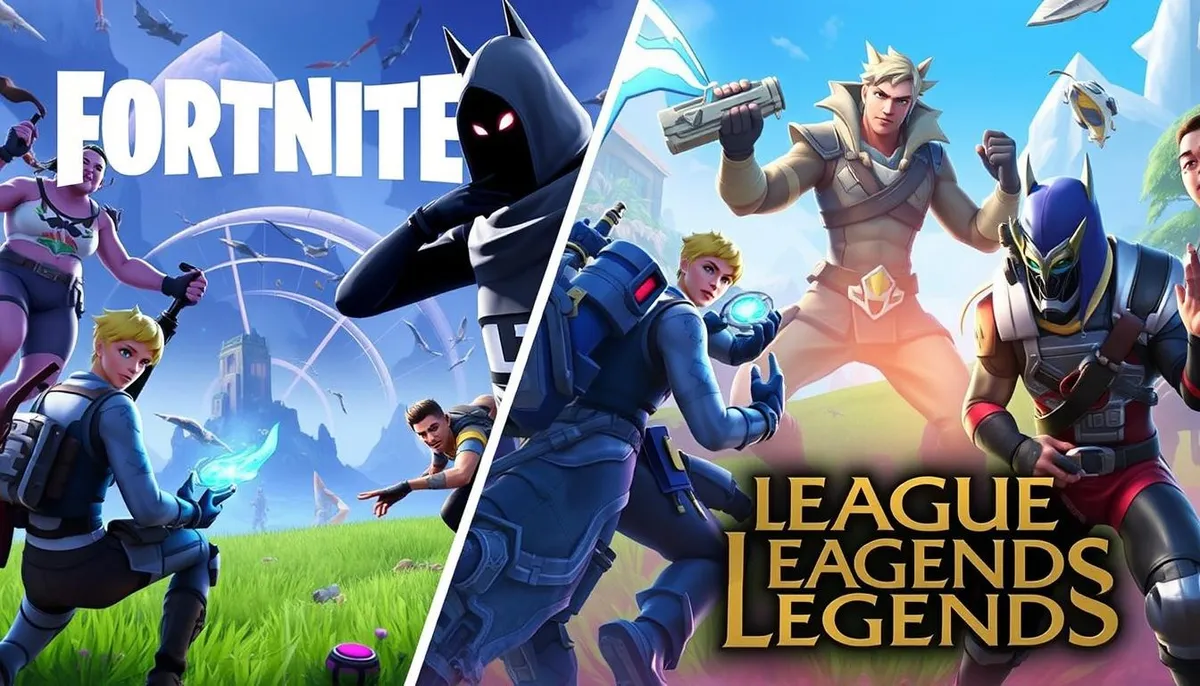
Video games are a fundamental pillar of geek culture, from the early Pong and Pac-Man to the complex universes of current massively multiplayer online games.
Science fiction and fantasy
Science fiction and fantasy, through iconic works like Star Wars, The Lord of the Rings, or the Marvel and DC comics, have provided the modern mythologies that nourish the geek imagination.
Technologies and sciences
Technologies and sciences represent the practical side of geek culture, with a marked interest in programming, computing, and scientific advancements.
Geeks are often at the forefront of technological innovation, helping to shape the digital future.
Geek culture in France
Geek culture in France has unique characteristics that distinguish it from other geek cultures around the world.
French specificities
French geek culture is characterized by a strong influence from Franco-Belgian comics and Japanese manga. French geeks particularly enjoy video games and science fiction films.
French specialized websites have contributed to structuring the geek community, providing spaces for exchange and information on the latest developments in the geek world.
Must-see events and conventions
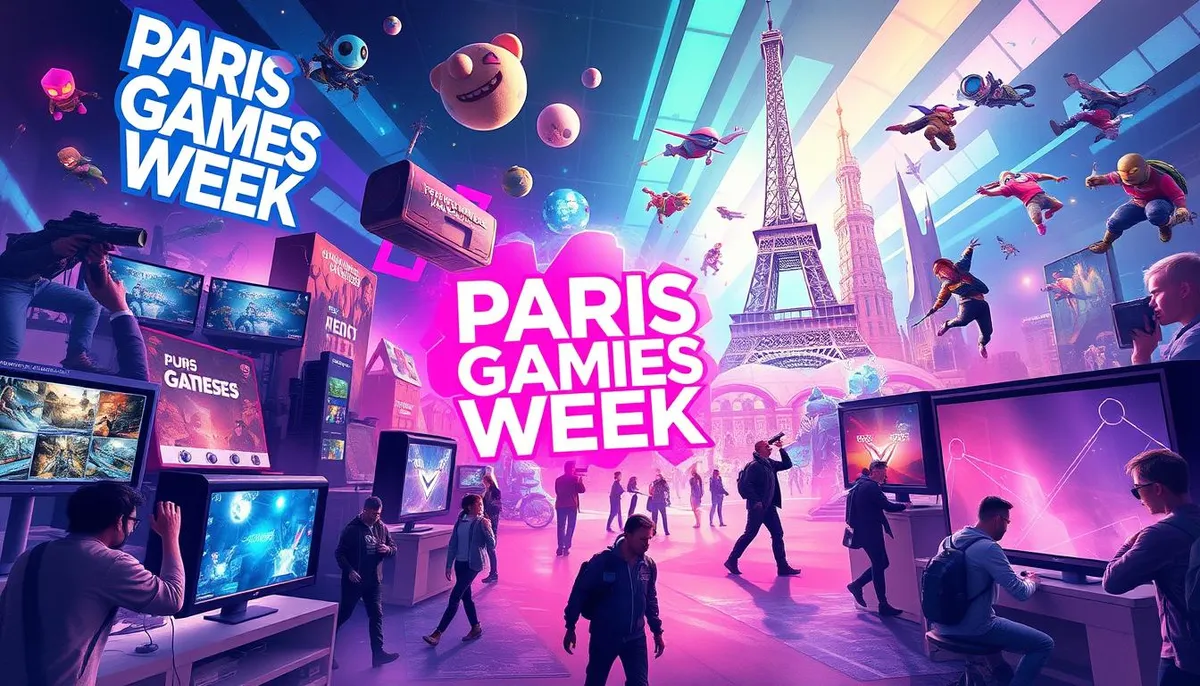
France hosts several major events dedicated to geek culture, such as Paris Games Week, the Angoulême International Comics Festival, and Japan Expo. These events attract hundreds of thousands of visitors each year.
The tensions of geek culture
Geek culture is marked by fundamental tensions that influence its evolution. These tensions are not contradictions but dynamic forces that shape the identity of this community.
Between entertainment and depth
Geeks constantly navigate between the search for escape and a desire to understand in depth the universes they are passionate about. This tension between entertainment and depth enriches geek culture.
Between consumption and contribution
Geeks are both avid consumers of cultural products and active creators who transform and enrich these universes. This duality makes geek culture a dynamic phenomenon.
Between marginality and popularity
Geek culture, once marginalized, is now tending to take a central place in society and merge with “pop culture.” This shift from marginality to popularity constitutes a significant tension, while highlighting the economic impact of culture.

In summary, the tensions within geek culture, between entertainment and depth, consumption and contribution, as well as between marginality and popularity, define its complex identity and evolution in contemporary society.
The lexicon of the modern geek
The geek language is a mix of technical words and cultural references, illustrating the impact of culture. This specific vocabulary allows geeks to understand each other and share their passions.
Geek vs Nerd: what are the differences?
The terms “geek” and “nerd” are often used interchangeably, but they have distinct connotations. A geek is generally passionate about popular culture, video games, and technology. In contrast, a nerd is characterized by their academic and scientific expertise.
Otaku, Gamer, No-life: decoding
The subcategories of geeks include the otaku, passionate about Japanese culture, the gamer who focuses on video games, and the no-life who spends excessive hours on their passions at the expense of their social life. Each of these terms reflects a specific facet of geek culture.
The geek jargon to know
The geek jargon includes technical vocabulary related to computing, video games, and programming. Mastering this lexicon is important, even for non-geeks, as these terms infiltrate everyday language, influencing our way of communicating.
The impact of geek culture on society
Geek culture has a significant impact on modern society. It influences various aspects of our daily lives, from the economy to entertainment.
Economic and marketing influence
The economic impact of geek culture is colossal. Industries such as film, video games, and technology generate hundreds of billions of euros each year. Marketing has also been transformed by geek influence, with transmedia storytelling strategies and merchandise revolutionizing the relationship between brands and consumers.
- The explosion of the merchandise market and geek conventions.
- The adoption of innovative marketing strategies inspired by geek culture.
Cultural and social influence
Culturally, geek references permeate literature, film, television series, and even contemporary art. Socially, the influence manifests through the widespread adoption of digital technologies and communication modes stemming from geek culture, transforming our daily interactions.
- The fusion of “noble” culture and popular culture.
- The impact on the professional world, with geek skills valued in the job market.
Current trends in geek culture
Modern geek culture is characterized by several key trends that shape its identity. These trends reflect the evolution of preferences and behaviors among geeks around the world.
The reign of expanded universes
Expanded universes currently dominate geek culture, with franchises like Marvel, Star Wars, or The Lord of the Rings unfolding simultaneously in cinema, series, video games, and literature. This allows fans to immerse themselves in their favorite worlds in multiple ways.
Nostalgia as a creative driver
Nostalgia has become a powerful creative driver, as evidenced by the many remakes, reboots, and tributes to cult works from the 80s. This allows geeks of all ages to share their cultural references.
Growing inclusivity
Growing inclusivity is manifested by a diversification of characters and creators in science fiction, fantasy works, and video games. This reflects the real diversity of the geek community.
- Immersive technologies like virtual reality and augmented reality open new horizons for interactive experiences.
- Community sites and platforms allow fans to spend hours exchanging, creating content, and actively participating in the evolution of their favorite universes.
These trends show that geek culture is constantly evolving, integrating new technologies and values while remaining true to its roots.
Conclusion: the future of geek culture
The future of geek culture is brighter than ever. Thanks to its passionate and creative community, this culture continues to shape our society in significant ways.
The boundaries between geek culture and mainstream culture are blurring, influencing our approach to entertainment, technology, and sciences. New forms of expression are likely to emerge thanks to advances in fields such as artificial intelligence and virtual reality.
Geek culture, once marginalized, is now a driving force of cultural and economic innovation. It will continue to explore new territories while helping us understand and shape the real world.